
VAPE FAQs
Can I Take Disposable Vape On Plane?

Aug
Introduction
The question “Can I take disposable vape on plane?” is one of the most frequently asked by adult users planning air travel. It seems straightforward, yet the answer involves navigating multiple layers of regulation: international aviation law, national transportation security rules, and individual airline policies. The consequences of getting it wrong range from confiscation at security to fines or even legal penalties in some jurisdictions.
What makes this particularly challenging is the inconsistency across regulatory frameworks. What is permitted on a domestic flight in Australia may not be allowed on a connecting international flight, and what passes through security in Sydney might be rejected in Singapore or London. This creates genuine uncertainty for travellers who simply want to carry their devices without disruption.
This article provides a clear, regulation-grounded framework for understanding what is permitted, what is prohibited, and how to prepare. It draws on official safety guidelines from major aviation authorities, including the International Civil Aviation Organization (ICAO), the Transportation Security Administration (TSA), and Australia’s Civil Aviation Safety Authority (CASA). The goal is not to offer opinions but to present verifiable rules so you can make informed decisions before you reach the airport.
For those seeking to purchase compliant, factory-certified devices before travel, OZVAPE Shop offers a curated selection of products with transparent specifications, helping you choose options that align with travel requirements.
Understanding the Core Regulations: What Aviation Authorities Actually Say
Before examining specific device types, it is essential to understand the underlying safety concerns that drive all aviation rules regarding personal electronic devices.
The Battery Issue: Lithium-Ion Restrictions
The single most important factor determining whether a device can be carried on an aircraft is its power source. Disposable vapes, like virtually all modern portable electronic devices, contain lithium-ion batteries. These batteries are classified as dangerous goods by aviation authorities due to their potential for thermal runaway — a self-heating chemical reaction that can lead to fire.
The key regulation across all major aviation authorities is:
Lithium-ion batteries must be carried in carry-on baggage only. They are strictly prohibited in checked luggage. This rule applies universally, regardless of device type or airline.
Battery capacity limits: Most authorities impose a limit of 100 watt-hours (Wh) per battery for devices carried by passengers. For devices with non-removable batteries — which includes all disposable vapes — this effectively means the entire device must fall within this threshold.
Why Disposable Vapes Present Specific Concerns
Disposable devices present a regulatory challenge because:
The battery is permanently sealed. Unlike reusable devices where the user can remove and inspect the battery, disposable units offer no way to visually confirm battery condition or disconnect the power source.
Capacity is fixed and must be determined from labelling. If the packaging or device body does not clearly state the battery capacity, security personnel may treat it as an unknown quantity.
They are single-use. Once activated, they continue to draw power internally. This is not generally a safety issue, but it means the device’s operational status is less transparent than a device that can be fully turned off.
The Operating Principle: Prohibited in Checked Baggage, Restricted in Carry-On
The most concise answer to “Can I take disposable vape on plane?” is:
Yes, but with strict conditions. You may carry disposable vapes in your carry-on baggage. They are completely prohibited in checked luggage.
This aligns with the broader rule for all e-cigarettes and vaping devices. The reasoning is straightforward: if a battery malfunction occurs in the cabin, crew can respond. If it occurs in the cargo hold, a fire may not be detected until it has spread.
Specific Rules by Regulatory Body
Transport Security Administration (TSA) — United States
The TSA permits disposable vapes in carry-on baggage only. They are banned from checked luggage. The TSA does not explicitly limit the number of devices, but officers may use discretion if a passenger appears to be carrying quantities that suggest commercial intent.
Practical note: TSA screeners may ask you to remove the device from your bag for separate X-ray screening. This is standard procedure.
Civil Aviation Safety Authority (CASA) — Australia
CASA follows ICAO guidelines. Disposable vapes are permitted in carry-on luggage but prohibited in checked baggage. CASA recommends that passengers ensure their devices are protected from accidental activation — which for a sealed disposable device generally means keeping it in its original packaging or a protective case.
European Union Aviation Safety Agency (EASA)
EASA regulations mirror ICAO standards: devices containing lithium-ion batteries must be carried in the cabin. EASA also notes that spare batteries must be individually protected to prevent short circuits.
International Civil Aviation Organization (ICAO)
ICAO’s Technical Instructions for the Safe Transport of Dangerous Goods by Air serve as the global baseline. They classify e-cigarettes and vaping devices as dangerous goods and require they be carried by passengers only in carry-on baggage.
What About the Liquid Component?
A common point of confusion involves the liquid inside disposable devices. Because disposable vapes have sealed, non-removable liquid reservoirs, they are not subject to the same liquid restrictions as separate bottles of e-liquid.
The 100ml liquid rule does not apply to the pre-filled liquid inside a sealed disposable device. The liquid is considered an integral part of the product.
However, if you are carrying additional bottles of e-liquid in your carry-on, those must comply with standard liquid restrictions (each container must be 100ml or less, and all containers must fit in a single 1-litre clear plastic bag).
This distinction is important. The sealed nature of disposable vapes actually simplifies compliance compared to reusable systems where you might carry separate liquid bottles.
Practical Guidance for Air Travel with Disposable Vapes
Before You Fly: Preparation Checklist
Check the battery capacity on the device packaging or manufacturer specifications. Most standard disposable vapes fall well under the 100Wh limit, but it is worth confirming.
Keep the device in its original packaging if possible. This provides clear labelling for security personnel regarding the device type and battery specifications.
Place the device in your carry-on bag, not your checked luggage. Double-check before leaving home.
Check the specific rules for all countries you will be visiting or transiting through. Some nations have banned the sale or possession of vaping devices entirely, which may affect what you can bring through customs even if aviation security permits it.
Consider a protective case to prevent the device from being crushed or having its button (if any) pressed during transit.
At Security Screening
Be prepared to separate the device if asked. Some screeners may request it be placed in a separate bin for clearer X-ray imaging, similar to laptops and tablets.
Do not attempt to conceal the device. Disposable vapes are clearly visible on X-ray. Attempting to hide them may cause unnecessary delays or confiscation.
If you have multiple devices, consider carrying only what you need for the trip. Carrying excessive quantities may raise questions about commercial intent.
During the Flight
Do not use the device on the aircraft. This is universally prohibited and can result in serious consequences, including fines, being placed on a no-fly list, or criminal charges.
Store the device safely. Keep it in your bag or seat pocket, not loose in your pocket where it could be crushed.
Be mindful of rapid temperature changes. While not a critical safety concern, extreme temperature swings in the cargo hold (which is why devices are banned there) are not a factor in the cabin.
What Happens If You Violate These Rules?
The consequences of attempting to carry a disposable vape in checked luggage or using it on board vary by jurisdiction but are never minor:
Confiscation: The minimum outcome. The device will be removed and discarded.
Fines: In the United States, TSA can impose civil penalties of up to $13,000 for violating hazardous materials regulations.
Criminal charges: In extreme cases, particularly if the device is used on the aircraft or if security personnel suspect malicious intent, prosecution is possible.
Travel disruption: You may be denied boarding, delayed for additional screening, or flagged for future scrutiny.
The safest approach is strict compliance.
Frequently Asked Questions
Q: Can I bring a disposable vape in my checked suitcase?
A: No. Lithium-ion batteries are prohibited in checked baggage across all major aviation authorities. The device must be carried in your carry-on luggage.
Q: How many disposable vapes can I bring on a plane?
A: There is no universal numerical limit, but security personnel may exercise discretion if quantities suggest commercial rather than personal use. For domestic travel within Australia, carrying 1–3 devices for personal use is generally acceptable. International travel requires verifying the rules of your destination country.
Q: Do I need to declare my disposable vape at customs?
A: This depends on the country. Some nations require declaration of vaping devices. Check the customs regulations for your destination before travel.
Q: Can I use a disposable vape on the plane?
A: No. Using any vaping device on an aircraft is prohibited by all major airlines and aviation authorities.
Q: What if my disposable vape leaks during the flight?
A: This is rare with sealed devices, but if it occurs, notify a crew member. Do not attempt to open or repair the device during the flight.
Q: Are disposable vapes from OZVAPE Shop compliant with air travel regulations?
A: OZVAPE Shop products are sourced from authorised distribution networks with transparent specifications. Most standard disposable devices fall within regulatory limits, but you should confirm the battery capacity of your specific model against the 100Wh threshold.
Q: Can I bring a disposable vape on an international flight from Australia?
A: Yes, in your carry-on luggage. However, verify the vaping regulations of your destination country, as some nations prohibit the importation of vaping devices entirely.
Q: What should I do if security confiscates my device?
A: Remain calm and compliant. Security personnel have final authority. If you believe a mistake has been made, ask to speak with a supervisor or note the incident for follow-up after your flight.
Q: Can I pack a disposable vape in my personal item (backpack, purse)?
A: Yes, provided it is a carry-on item. Personal items stowed under the seat have the same status as overhead luggage regarding battery restrictions.
Q: Do I need to remove the disposable vape from my bag for X-ray screening?
A: In most cases, no. However, some security checkpoints may request it. Follow instructions from screeners.
Conclusion
The answer to “Can I take disposable vape on plane?” is straightforward: yes, but only in your carry-on luggage, never in checked baggage, and never for use during the flight. The rules stem from internationally recognised safety protocols regarding lithium-ion batteries, not from any moral or political stance on the devices themselves.
Preparation is the key to a smooth experience. Verify your device’s specifications, understand the rules of all jurisdictions you will pass through, and pack accordingly. The small effort of confirming compliance before you leave home is far preferable to the disruption and cost of having a device confiscated at security.
For those seeking clear, regulation-compliant products, OZVAPE Shop provides access to factory-certified devices with documented specifications, helping you choose options that fit your travel needs without ambiguity. The right device for travel is one you understand completely — and that starts with knowing exactly what the rules require.
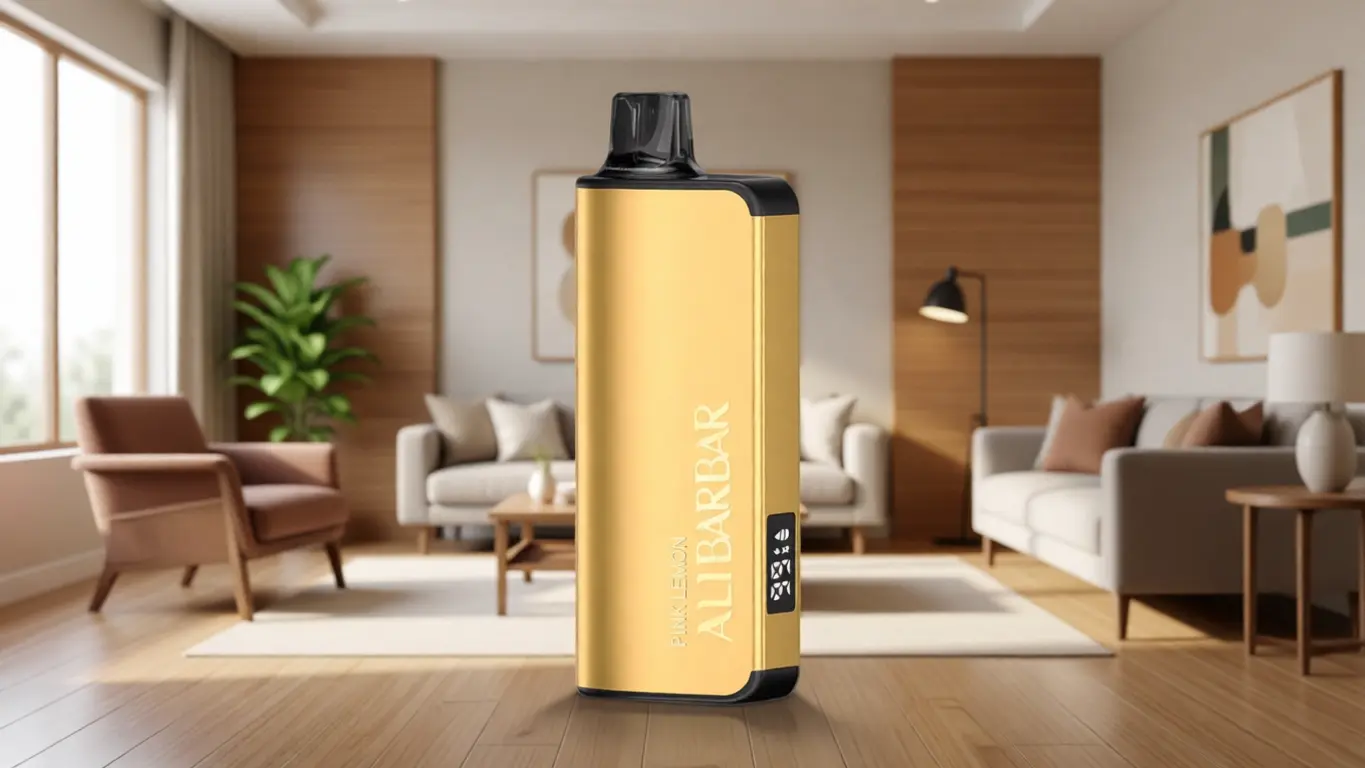
Ultimately, informed travellers make better decisions. The regulations are not designed to be difficult; they are designed to keep everyone safe. Respect them, plan ahead, and your journey will be far less complicated than the stories you hear from those who did not.