
VAPE FAQs
How To Use A Vape To Quit Smoking?
Jun
Understanding the Smoking Cessation Challenge and How a Vaping Device Can Help
People who have tried to stop smoking know that willpower alone rarely succeeds. The physical rituals, the hand‑to‑mouth habit, and the predictable nicotine delivery of a cigarette are deeply embedded into daily life. Replacing them with a tool that fails silently — that loses power mid‑afternoon, delivers inconsistent output, or communicates nothing about its status — adds frustration to a process that already demands patience.
The purpose of this article is not to champion any particular product but to explain, with technical clarity and regulatory accuracy, how a vaporiser can function as a smoking cessation aid when used within a structured, legally compliant framework. The information here draws on observed engineering principles, documented user feedback, and the current Australian regulatory environment. For Australian adults who need reliable equipment, trusted channels such as OZVAPE Shop provide factory‑certified devices that can support a quit attempt without adding supply‑chain uncertainty to the equation.
The Australian Regulatory Framework – What You Must Know First
Australia has taken one of the most tightly regulated approaches to personal vaporisers in the world. As of early 2024, the importation, supply, and possession of all vaping products — regardless of whether they contain nicotine — fall under the Therapeutic Goods Administration’s (TGA) oversight. Understanding this landscape is the first practical step for anyone considering vaporising as a smoking‑cessation tool.
Key points that shape the cessation journey:
Nicotine for vaping is a prescription‑only medicine. A general practitioner must write a prescription for a specific nicotine concentration and volume. Without it, you cannot legally obtain nicotine‑containing e‑liquid in Australia.
The devices themselves are not medicines, but they are regulated as therapeutic goods if intended for use with nicotine. Retailers that sell devices alone — without nicotine — operate under a different set of rules, provided they do not make therapeutic claims.
Pharmacy supply model. Since July 2024, all vapes (with or without nicotine) may only be lawfully supplied through Australian pharmacies or approved pharmacy‑linked channels, essentially requiring a conversation with a pharmacist. This means that purchasing a device from an unregulated, overseas‑based website not only risks product authenticity but may also breach import regulations.
These constraints, while burdensome, create a structure. A responsible quit attempt will typically unfold as follows: consult a doctor, obtain a nicotine prescription, purchase a suitable device from a compliant source, and pair it with the prescribed nicotine liquid obtained through a pharmacy. A retailer like OZVAPE Shop can provide the device component — a certified, consistent unit from the ALIBARBAR family — leaving the medication side to be handled through medical channels. This division of responsibility ensures that every element of the toolkit is both legal and appropriate for its intended purpose.
Understanding What Matters: Device Characteristics That Actually Aid Cessation
A vaporiser does not work by magic. Its usefulness in a quit attempt rests on a set of engineering characteristics that either reduce the friction of transition or add to it. What follows is a framework based on the frustrations smokers report when they try to switch — and what well‑designed devices do differently.
Internal Architecture and Output Consistency
The single most common reason a person abandons a vaporiser and returns to cigarettes is that it “didn’t hit the same” every time. In engineering terms, this is a problem of output consistency.
Cheaper devices often use basic resistance wire wrapped around a silica wick. As the power cell depletes, the voltage drops, and the temperature at the coil falls. The resulting vapour becomes thin, the throat sensation changes, and the user’s brain — still accustomed to the exacting reliability of a lit cigarette — interprets this as the device “not working.” A well‑calibrated device, by contrast, uses a regulated circuit that maintains constant output across the discharge cycle. Advanced coil designs (mesh, vertical, or ceramic) improve heat distribution so that inconsistency does not creep in as the device ages.
When you are tapering nicotine, this stability matters doubly. If the device’s output wavers unpredictably, you cannot be sure whether your discomfort is from a legitimate reduction in nicotine or merely from a poorly performing power cell. Reliable output turns the vapour into a reliable measuring instrument.
Power Management and Status Transparency
Heavy smokers may draw on a vaporiser dozens, sometimes over a hundred, times a day. A device that dies without warning in the middle of a workday creates a crisis: the smoker either endures intense craving or buys a pack of cigarettes. Power management is therefore a safety net, not a luxury.
Effective devices implement several layers of transparency:
A multi‑step battery indicator that shows remaining charge in quarters or thirds, not just a single light that turns red when almost empty.
Pass‑through charging that allows operation while plugged in, so a low power cell does not mean interruption.
Smart power‑saving modes that prevent the user from accidentally triggering the device in a pocket, thereby wasting charge.
For someone trying to quit, the psychological comfort of knowing exactly when to recharge can replace the unconscious habit of always checking if the pack has enough cigarettes.
Physical Design and the Hand‑to‑Mouth Ritual
Cigarette addiction is not purely chemical. The shape, texture, and weight in the fingers, the way a cigarette sits between the lips, and the warmth of the smoke all form a sensorimotor pattern that can be extraordinarily hard to break. A vaporiser that ignores these tactile cues is a device that feels foreign.
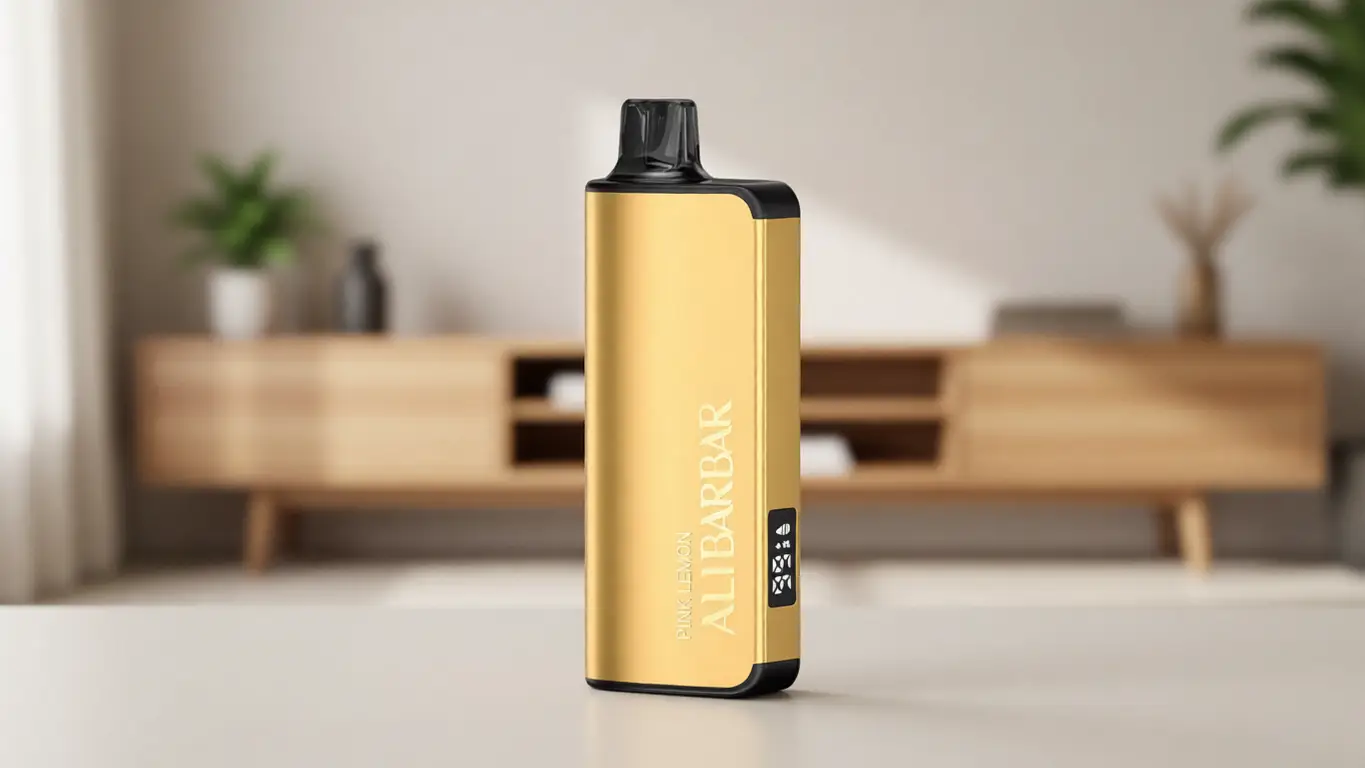
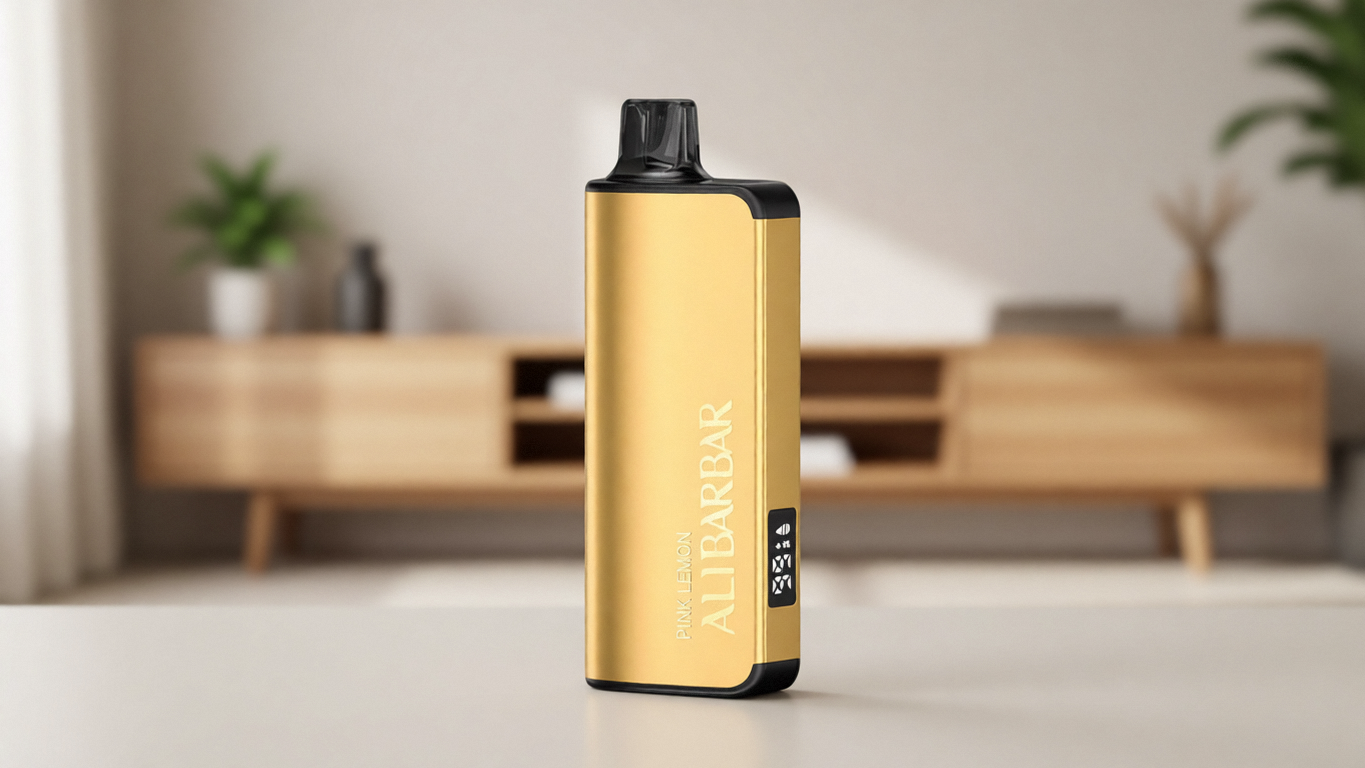
Materials offer the first clue. Anodised aluminium and soft‑touch coatings that resist scratching maintain a consistent in‑hand experience after months of daily carry. Mouthpieces with a contour that mimics the familiar roundness of a filter reduce the cognitive gap. Devices that are too heavy become tiresome; those too light feel insubstantial. The ALIBARBAR INGOT series, for instance, uses a compact, flat‑profile design that slides into a jeans pocket like a cigarette case, while the textured surface provides grip without adding bulk.
Modularity and the Tapering Pathway
A smoking cessation plan is rarely a straight line. Most users need to start at a nicotine level that removes withdrawal, then gradually step down. A vaporiser built for a sealed, non‑replaceable cartridge locks you into a single nicotine strength — or forces you to buy an entirely different unit each time you adjust. That adds cost and confusion.
Modular systems, on the other hand, give you:
Pod‑based architectures. You can fill a pod with a lower‑concentration nicotine liquid each week without changing the device.
Refillable designs that allow you to mix your own concentrations under pharmacist guidance.
Replaceable atomiser heads, so the device’s performance does not degrade as you work through your tapering schedule.
This kind of flexibility turns the device into a long‑term companion, not a one‑time purchase. Even some sealed ALIBARBAR units, like those with adjustable airflow or multiple power modes, offer a degree of behavioural control that pure disposables lack — the user can, for example, select a gentler draw as cravings diminish, effectively tapering the sensory experience alongside the nicotine.
Applying These Criteria: How the ALIBARBAR Range Illustrates Cessation‑Ready Engineering
The principles above are not abstract. They are immediately visible in the current ALIBARBAR collection, which OZVAPE Shop has curated for the Australian market. What follows is not a sales pitch but a factual breakdown of how specific models in that family address the needs of a transitioning smoker.
INGOT 9000 – This compact unit represents a sealed, pre‑configured system. Its value for a new quitter lies in its sheer simplicity. There are no settings to adjust, no coils to change. The internal mesh architecture maintains output steadiness right to the end of its rated lifespan. A novice who might be overwhelmed by the mechanics of a refillable system finds here a predictable, no‑learning‑curve experience. The downside? It offers no modularity for tapering nicotine strength; you would need to supplement it with other tools later in the quit plan.
INGOT 15000 – Built for endurance. Where the 9000 suits light to moderate smokers, the 15000’s higher capacity power cell and larger liquid reservoir address the needs of heavy two‑pack‑a‑day users. The practical benefit for cessation is straightforward: fewer interruptions. Someone who used to smoke 30 cigarettes a day does not have to carry a backup device. The status indicator gives early warning, removing charge anxiety.
Ice Adjust 12000 – The adjustable airflow control sets this apart. By varying the draw resistance, a user can mimic the tight puff of a cigarette in the early weeks and then gradually open it to a looser, “throat‑hit‑lighter” draw as the psychological dependence on the smoking sensation fades. This is a form of sensory tapering that works alongside any pharmaceutical nicotine reduction plan prescribed by a doctor.
These devices, like all well‑engineered tools, acknowledge trade‑offs. A sealed unit trades flexibility for ease. A high‑capacity model adds size. Understanding these exchanges allows an adult to match the device to the specific quitting phase they are in, rather than searching for an all‑in‑one solution that does not exist.
A Practical Step‑by‑Step Plan for Transitioning Off Cigarettes
Having a plan reduces the chances that you will improvise your way back to a cigarette. The following sequence is grounded in both behavioral psychology and the realities of the Australian prescription model.
Step 1 – Medical consultation
Book an appointment with a GP experienced in smoking cessation. Be prepared to discuss your daily cigarette consumption, previous quit attempts, and any concerns about nicotine dependence. The doctor will determine whether nicotine‑vaporising is appropriate and, if so, write a prescription specifying the initial concentration (commonly 12‑18 mg/mL for heavy smokers). You will obtain that liquid from a pharmacy.

Step 2 – Select a device that matches your daily rhythm
Ask yourself: How many cigarettes per day? Do I need something that lasts 10 hours unplugged, or am I mostly near a USB port? Am I ready to refill a pod, or would a sealed unit give me one less thing to manage early on? Use the criteria in Section 2 to evaluate your options. OZVAPE Shop lists standardised specifications for each ALIBARBAR device, making apples‑to‑apples comparisons straightforward.
Step 3 – Start with a consistent nicotine delivery and a comfortable draw
In the first week, your goal is simply to replace cigarettes entirely. Vape whenever you would normally smoke, using the prescribed nicotine strength. Do not try to reduce yet; focus on breaking the cigarette habit. An inconsistent device will sabotage this phase, so ensure yours has regulated output.
Step 4 – Adopt a structured tapering schedule
After two to four weeks, reduce the nicotine concentration by approximately 3 mg/mL every two weeks, as tolerated. If using a refillable system, you can gradually dilute the liquid. If using a sealed device like an INGOT, you may need to switch to a lower‑strength version (when available) or complement with a second device. Throughout this phase, monitor your actual puffing frequency. Some people unconsciously vape more to compensate; if that happens, pause the reduction and stabilise.
Step 5 – Separate the behavioural ritual from the nicotine
Once nicotine reaches a very low level (or zero), you are left with only the hand‑to‑mouth habit. This is the time to gradually extend the intervals between puffs, introduce other oral substitutes (sugar‑free gum, a toothpick), and eventually put the device away for hours at a time. The goal is to have it available only as a safety net, not a constant companion.
Common Mistakes When Transitioning from Smoking to Vaping
Observing failed quit attempts reveals predictable patterns. Recognising them in advance can save months of frustration.
Mistake 1: Starting with too little nicotine
Anxious about dependence, many new vapers choose the lowest nicotine strength available. They then vape almost continuously, never satisfying the craving, and conclude that vaporising “doesn’t work.” A doctor‑guided starting dose that matches your smoking history is essential.
Mistake 2: Using an unreliable device
If the power cell dies unexpectedly, the atomiser floods, or the output becomes harsh, the immediate fix is often a cigarette. The decision to use a well‑engineered unit is not about premium features; it is about guarding against predictable failure points during a vulnerable period.
Mistake 3: Mixing unregulated products
Purchasing device components from anonymous online sellers or importing nicotine without a prescription exposes you to quality risks and legal consequences. Stick to authorised Australian channels for hardware, and never use nicotine liquid without a prescription.
Mistake 4: No tapering schedule
Without a written plan, many people stay on the same nicotine level for months or years, effectively swapping one form of maintenance for another. Tapering gives the quit attempt a direction and a finish line.
Industry observation: There is a persistent belief that visually similar devices deliver the same experience. In reality, two devices that look alike can have vastly different coil metallurgy, draw‑activation sensors, and power regulation. A unit that costs half as much but fails within a week doubles your cost and your risk of relapse. The market is flooded with me‑too products that under‑deliver; genuine design investment is rare and worth identifying.
Frequently Asked Questions
Q: Do I need a prescription to buy an ALIBARBAR device from OZVAPE Shop?
A: No. The device itself, when sold without nicotine, does not require a prescription. However, to use it with nicotine‑containing liquid, you must have a valid doctor’s prescription and obtain that liquid from a pharmacy. OZVAPE Shop clarifies this distinction on every product page.
Q: Can I use a vaporiser without nicotine to quit smoking?
A: Some people succeed, but research suggests that dual‑user (vaping while still smoking) is more common when nicotine is absent. Nicotine replacement via vaping, under medical supervision, has a stronger evidence base for quitting. The medical decision is yours and your doctor’s.
Q: How long does it take to transition completely away from cigarettes?
A: There is no universal timeline. A gradual 8–12‑week tapering plan is typical, but some heavy smokers may take six months or longer. The key is consistency, not speed.
Q: What happens if I slip and have a cigarette?
A: A single slip is not a failure. Do not abandon the plan. Return to your prescribed vaping routine immediately, and consider whether the slip indicates an issue with nicotine level or device performance.
Q: How do I know my ALIBARBAR device is authentic?
A: OZVAPE Shop sources exclusively from factory‑authorised distribution networks. Each unit arrives with a unique verification code that you can check on the brand’s official site. Avoid marketplaces where provenance cannot be traced.
Q: Is it legal to carry my vaporiser in public in Australia?
A: Yes, for nicotine‑free devices you own. However, some public places prohibit all vaping, just as they prohibit smoking. Always check local venue rules.
Q: Can I use my device while it charges?
A: For many ALIBARBAR models, yes — they support pass‑through charging. This feature is helpful during long commutes or workdays when you cannot pause to recharge.
Q: Does a higher‑capacity device always mean a better quitting experience?
A: Not necessarily. Capacity is only one dimension. A lightweight daily smoker may find a smaller device more comfortable and discreet, which can improve compliance. Match capacity to actual daily usage rather than assuming maximum is always optimal.
Conclusion
Quitting smoking by using a vaporiser is not simply a matter of buying a device and hoping. It is a considered process that brings together regulatory compliance, device engineering, and personal planning. When each of those elements is addressed with the same seriousness you would apply to any health‑related decision, the outcome is far more likely to stick.
The Australian prescription framework, while demanding, ensures that nicotine exposure is medically supervised. The device that delivers that nicotine — or later, none at all — must be chosen for its ability to deliver predictable, frustration‑free performance through weeks of withdrawal and habituation change. Within that context, a curated platform like OZVAPE Shop provides adults with factory‑certified ALIBARBAR hardware that matches the engineering criteria most relevant to smoking cessation: output consistency, power transparency, ergonomic fit, and modular flexibility for tapering.
The right device is the one that fits your actual routine, not the one with the most aggressive advertising. With a clear plan, honest medical guidance, and equipment you can trust, the transition from cigarette to cigar‑free becomes a structured challenge rather than a hopeless one.