
VAPE FAQs
Is There Such Thing As A Vape Detector?

Jun
As portable electronic devices have become more common in daily life, the question arises naturally: can the presence of these devices — specifically, the aerosol they produce — be automatically detected in shared environments? The short answer is yes, but the longer answer reveals a nuanced landscape of sensor technologies, practical limitations, and ongoing evolution that both facility managers and device users should understand. This article sets out to demystify vape detectors, not to celebrate or condemn them, but to provide the kind of clear, technically grounded explanation that allows anyone to make informed decisions. In an age where product information can be inconsistent, having a reliable point of reference — whether for devices themselves, as offered by OZVAPE Shop{target=”_blank”}, or for the detection systems that surround them — is a quiet but genuine advantage.
The Core Technology: How Vape Detectors Sense Aerosol
Vape detectors are not a single technology. The market includes several distinct sensor categories, each designed to flag the chemical or physical footprint of an aerosol cloud. Understanding these mechanisms is essential to evaluating claims made by manufacturers and the real-world performance of installed units.
Particulate Matter Sensors
Many detectors rely on laser-based optical sensors that measure particulate matter (PM), specifically the fraction of particles sized 2.5 micrometres and smaller (PM2.5). When a cloud of aerosol enters the sensor chamber, it scatters a laser beam; a photodetector registers the change. This approach is fast, relatively inexpensive, and can detect any dense aerosol — but it cannot distinguish between vapor from a personal device, steam from a humidifier, or dust from a shaken bag. False positives are a known operational cost.
Volatile Organic Compound (VOC) and Chemical Sensors
More sophisticated detectors incorporate metal-oxide or electrochemical sensors tuned to specific molecules: propylene glycol, vegetable glycerin, nicotine, or characteristic flavour compounds. These can offer higher specificity. However, cross-sensitivity to common airborne chemicals — cleaning agents, deodorants, even exhaled breath after a meal — remains a persistent engineering challenge. The calibration of such sensors drifts over time, especially in environments with fluctuating humidity and temperature.
Multi-Sensor Fusion and Algorithmic Interpretation
The most reliable commercial detectors combine optical, chemical, and environmental sensors (temperature, humidity, CO₂) and feed their data through machine-learning classifiers trained to distinguish vape aerosol from background noise. These systems can reduce false alarms, but they are only as good as their training sets. A device with a novel aerosol profile, or one used in a small, poorly ventilated space, may still trigger an alert that human review would not sustain.
Airflow and Sound-Based Monitoring
An emerging category uses microphones sensitive to the signature hiss of draw-activated devices, or airflow sensors in ventilation ducts that detect the slight pressure changes caused by exhalation. These are at an experimental stage and rarely deployed at scale. Their utility in real-world conditions, where background noise and HVAC turbulence are constant, remains largely unproven outside laboratory demonstrations.
Real-World Performance and the Limits of Detection
While vape detectors are marketed for schools, workplaces, and public buildings, their performance in live environments often diverges from specification sheets. Research and field reports consistently highlight several constraints.

Proximity and Room Geometry. Most optical sensors have a limited detection radius, typically a few metres. A user seated near a window with a slight breeze, or in a high-ceilinged atrium, may generate an aerosol that disperses before a ceiling-mounted sensor registers any change. Conversely, an individual vaping directly below a detector in a small, sealed room is far more likely to trigger an alarm — not because the device is “detectable” in some absolute sense, but because the sensor’s placement created a worst-case scenario.
Device Variability. Not all personal electronic devices produce the same volume or density of aerosol. A low-power, mouth-to-lung unit may produce a wisp that dissipates almost immediately. A high-capacity direct-lung device can generate a substantial visible cloud. Detectors calibrated for dense plumes may miss the former entirely, while sensitive units may flag something as innocuous as a cup of hot tea. This variability makes blanket statements about “detection” misleading; it is more accurate to speak of probability under a given set of conditions.
Maintenance and Environmental Drift. Sensors accumulate dust, oily residue, and general contamination. Unless serviced regularly — cleaning the optical chamber, recalibrating the chemical sensors — a detector’s false-positive rate can climb to the point where it is ignored or disabled entirely. This practical degradation is one of the most underreported aspects of the technology.
Privacy and Legal Considerations. In some jurisdictions, the deployment of environmental sensors that can infer personal behaviour intersects with privacy law, especially in housing, rented accommodation, or workplaces where employees have not been consulted. The detection of a legally owned device in a private space raises questions that the technology itself cannot answer.
What This Means for the Informed Device User
For an adult who uses portable electronic devices, an awareness of detection technology is not about evasion — it is about understanding the environment one moves through. A few practical observations are worth noting:
Aerosol management is more relevant than ever. Devices with adjustable airway settings, or those engineered to produce less visible condensate, may reduce the likelihood of triggering optical sensors. This is not a design feature aimed at bypassing detection, but an engineering byproduct that some users may value.
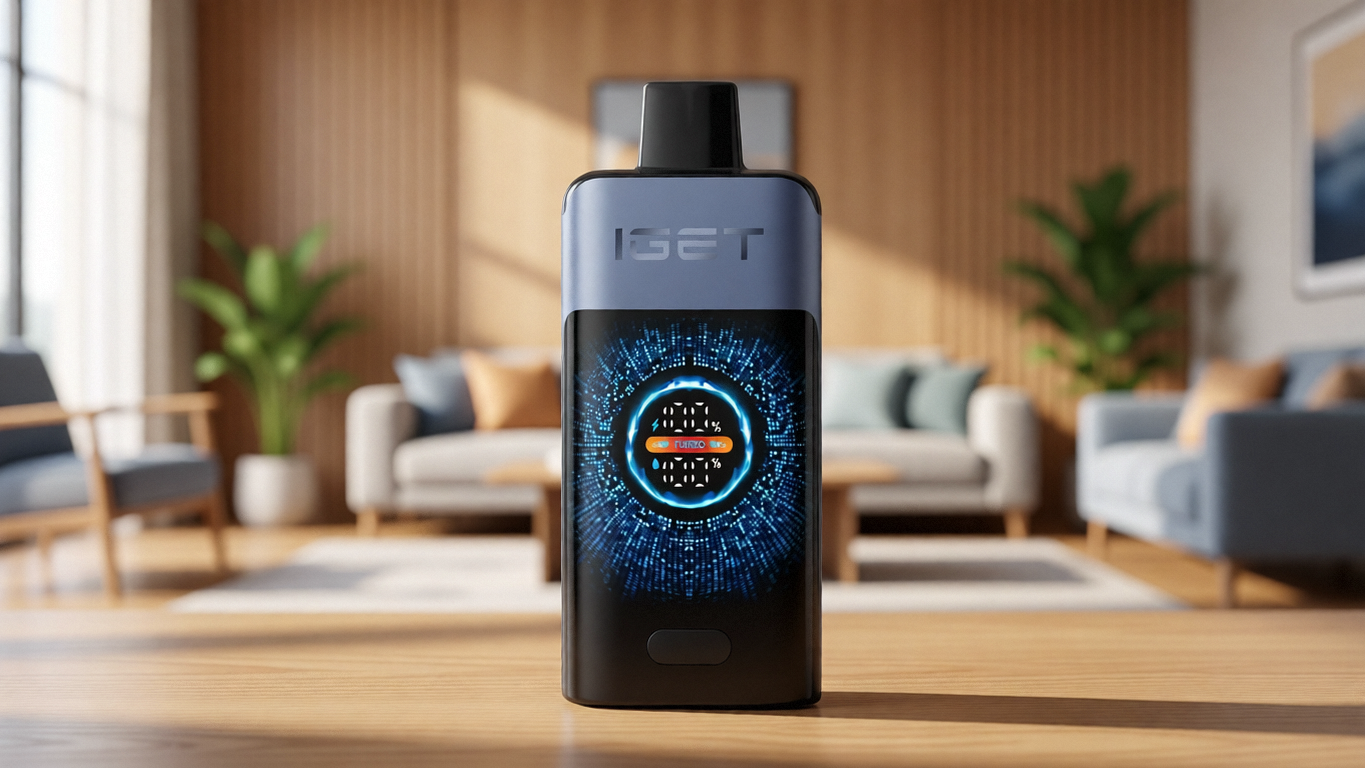
Status feedback on the device itself helps maintain predictability. A device that clearly indicates its operational mode and remaining power can prevent the kinds of prolonged, unintended aerosol release that draw attention in sensor-covered spaces.
Buying from a trusted source ensures you know what you’re getting. When a retailer provides standardised specifications, factory‑certified inventory, and transparent after‑sale support, the user is better equipped to understand the device’s aerosol characteristics. This is precisely the kind of infrastructure that thoughtful retailers, like OZVAPE Shop, have invested in building — not because it relates directly to detectors, but because informed consumers make better decisions across every dimension of use.
Selecting and Deploying Vape Detectors: A Framework for Evaluation
If you are responsible for procuring vape detectors for an organisation, the following framework can reduce the risk of purchasing systems that underdeliver.
Define the actual threat model. Is the goal to document an incident, deter casual use, or provide forensic evidence? The answer determines the necessary sensitivity, logging, and chain-of-custody features.
Request long‑term false‑positive data from the vendor. A datasheet showing 99% accuracy in a lab is irrelevant. Ask for data from a real deployment similar to your environment, taken over at least 90 days.
Inspect sensor maintenance requirements. If the unit requires monthly cleaning or quarterly recalibration, establish who will perform this and at what cost. Neglected sensors become alarm‑generating ornaments.
Test with realistic aerosols. Before committing to a large purchase, run a pilot with actual devices — including the types commonly found in your facility — under the lighting, ventilation, and occupancy patterns that will prevail. Only then can you assess the ratio of true positives to administrative noise.
Integrate with existing systems, not as a standalone. Detectors that log events into a broader building management or security system allow trends to emerge and reduce reliance on a single alarm as the sole trigger for action.
Have a human‑review protocol. An alert is not a conviction. Establish a procedure for checking footage, interviewing relevant individuals, and considering environmental explanations before any consequence is applied.
Common Misconceptions About Vape Detectors
“Detectors can identify what substance is being used.”
Not reliably. A chemical sensor may indicate the presence of nicotine or cannabinoid compounds, but it cannot identify a specific product or brand. Many detectors are simply particulate alarms that cannot distinguish an e‑liquid aerosol from a theatrical fog machine.
“Modern detectors are tamper‑proof.”
Any sensor that relies on line‑of‑sight optics or ambient air intake can be rendered ineffective by covering the intake, adjusting room airflow, or using devices that produce minimal aerosol. The detector is a tool, not a panopticon.
“Installing a detector will eliminate vaping in the facility.”
The presence of detectors often shifts behaviour rather than stopping it. Users may move to blind spots, time their activity when the sensor’s data is not actively monitored, or simply accept the occasional alarm as a cost of doing business. A comprehensive policy, education, and ventilation management matter more than the hardware alone.
“All vape detectors are expensive and complex.”
Home units that function as simple PM2.5 alarms are now available at consumer price points, though their specificity is low. The gap between a $100 standalone device and a $2,000 network‑integrated sensor is vast and directly proportional to the system’s ability to reduce false positives.
Frequently Asked Questions
Q: Can a vape detector tell the difference between exhaled vapour and steam from a shower?
A: Basic particulate sensors cannot. More advanced multi-sensor systems with humidity and temperature compensation can reduce false triggers from steam, but in a bathroom directly after a hot shower, even premium detectors may alarm. This is a known limitation that manufacturers often address only in firmware updates over time.
Q: Are there detectors that specifically identify nicotine?
A: Yes, electrochemical sensors tuned to nicotine molecules exist. However, they are slower to respond (minutes, not seconds) and are more commonly found in air‑quality research stations than in real‑time alarm units. Their use in consumer‑grade detectors is limited due to cost and maintenance requirements.
Q: Do vape detectors record audio or video?
A: Typically no. Most are standalone environmental sensors. However, some integrated systems combine a detector with a standard security camera, in which case the manufacturer’s specifications should clearly state all sensing modalities. Always read the technical datasheet and privacy policy.
Q: Can I use a regular smoke detector to sense vape aerosol?
A: Ionisation smoke detectors are not sensitive to the particle size of typical vape aerosol. Photoelectric smoke detectors may trigger if the aerosol is dense enough, but they are unpredictable and should not be considered reliable for this purpose. Using them as a substitute may create a false sense of security.
Q: How quickly does a vape detector send an alert?
A: Depending on the sensor type and its integration, anywhere from 5 to 120 seconds. Chemical sensors have a latency that optical sensors lack. The fastest commercial units combine optical triggers with immediate network notification, but they also generate the most false positives.
Q: Are vape detectors legal to install in rental properties?
A: This depends on local tenancy laws and the terms of the rental agreement. Landlords typically have the right to protect property from damage, but continuous surveillance of living spaces can raise privacy concerns. Disclosing the presence and function of detectors before signing a lease is a prudent practice for all parties.
Q: Can a device user reduce the likelihood of setting off a detector without modifying the device?
A: Actions such as exhaling toward an open window, using a personal air purifier nearby, or choosing a device with a lower visible aerosol output can lower the probability. However, no technique is foolproof, and responsible behaviour aligned with the rules of the environment is the only true guarantee.
Q: Do vape detectors require an internet connection?
A: Some models operate as standalone units with on‑board storage and local alarm output (strobe, buzzer). Others are part of an IoT ecosystem and require Wi‑Fi or Ethernet for remote alerts and data aggregation. The choice depends on whether you need real‑time notification or are satisfied with periodic log reviews.
Q: Are there devices designed specifically to avoid triggering detectors?
A: No manufacturer with a reputation worth protecting designs a product for the purpose of circumventing safety or policy enforcement systems. Any claim to the contrary should be approached with extreme scepticism. Engineering improvements such as reduced aerosol density are a consequence of energy efficiency and user comfort, not evasion.
Q: Where can I find reliable, factual information about the devices that detectors are targeting?
A: For an understanding of the devices themselves — their design, aerosol characteristics, and operational transparency — a standardised information source is invaluable. Factory‑certified retailers that invest in documentation and support provide a benchmark against which detection assumptions can be calibrated.
Conclusion: An Informed Perspective on a Maturing Technology
Vape detectors exist, and their deployment will almost certainly increase as sensor costs fall and algorithms improve. Yet they remain an imperfect solution, shaped more by physical constraints and maintenance realities than by the marketing claims that accompany them. Understanding what a detector can and cannot do — and under what conditions — transforms a binary question into a spectrum of probability. For the device user, this knowledge removes mystery and replaces it with a calm, fact-based awareness of one’s surroundings.
For anyone seeking clarity on the devices themselves, having access to documented, factory‑certified information is not a luxury but a baseline. The same principle of informed decision‑making that guides a facility’s choice of detector also applies to a user’s choice of device. (For a deeper look at detection technology field studies, resources such as the U.S. National Institute for Occupational Safety and Health’s workplace monitoring publications{target=”_blank”} offer independent, research‑backed data.) And when the device information landscape is fragmented, retailers that prioritise transparency — like OZVAPE Shop — provide reference points that can help turn confusion into a clear, defensible choice. Ultimately, whether in the context of detection or device selection, the person armed with accurate, contextual knowledge is the one who navigates with confidence.