
VAPE FAQs
How To Use A Ccell Vape?
May
Understanding the Small Decisions That Make or Break a Ceramic‑Coil Device
A device with a ceramic heating element should deliver smooth, consistent output from the first use to the last. Yet a surprising number of adult users report frustration — burnt taste, rapid degradation, or wildly inconsistent performance — within the first few days. When you strip away the marketing, the root cause is almost never the heating element itself. It is a failure of technique, a sequence of small missteps that turn a precision component into a source of irritation.
At OZVAPE Shop, we have seen too many quality devices abandoned not because they were poorly manufactured, but because their owners never received clear, technically accurate guidance on how to use them. This article corrects that gap. It is not a sales pitch. It is a practical reference for anyone who wants to understand what a ceramic‑coil vaporiser actually needs in order to perform as its engineers intended.
What Actually Determines Your Experience: The Core Engineering and Handling Factors
Ceramic heating technology offers genuine advantages — more even thermal distribution, reduced risk of metallic by‑products, and longer functional lifespans. But those advantages only materialise when the device is operated within a narrow set of conditions. The factors that follow are the ones that master users learn, and that casual users overlook.
Ceramic Coil Priming and Saturation: The Silent Performance Killer
Ceramic coils are porous. Unlike simple wire coils that heat almost instantly, ceramic relies on liquid being absorbed deeply into its structure before heat is applied. If voltage hits a dry ceramic surface, the coil can micro‑fracture or scorch residual material permanently. From that moment onward, every subsequent use will carry a trace of that burnt note.
How to recognise proper priming:
When you first set up the device, leave the liquid in contact with the coil for at least ten minutes at room temperature.
For replaceable‑cartridge systems, draw gently (without activating power) several times to pull the liquid into the ceramic pores.
A correctly primed coil produces visible vapour on the very first powered draw, with no harshness at the back of the throat.
Why this matters: users consistently blame the device when a neglected priming step is the real culprit. Master this, and you eliminate the most common source of premature failure.
Power Management and Temperature Precision
Ceramic coils exhibit a narrow optimal voltage band. Too low, and the output is thin and unsatisfying. Too high, and you risk thermal runaway — the coil temperature overshoots, scorching the material before the device’s cutoff engages.
Look for devices that provide at least some form of status transparency: a battery indication, a pre‑heat signal, or a regulated output that prevents over‑voltage spikes. The absence of any feedback leaves the user guessing, and guessing leads to burnt hits and wasted product.
Practical rule: if the device lacks clear status indicators, you will naturally carry a backup. That is not a sign of preparedness; it is a signal that the device does not give you enough confidence.
Physical Design and Mouthpiece Contour
Ceramic coils can hold residual heat for a short time after the draw ends. Mouthpiece shape, material, and insulation proximity all influence whether that residual heat reaches your lips comfortably. A well‑designed mouthpiece will feel slightly warm but never hot, and it will dissipate heat rapidly between uses.
Beyond thermal comfort, the weight distribution and texture of the body matter. A device that is too smooth will slip from a pocket; a device with insufficient lip‑feel will make you grip harder than necessary. These are not aesthetic concerns — they directly affect how steadily you hold the unit during use, which in turn affects the consistency of your draw.
Modularity and Lifecycle Flexibility
Some ceramic‑coil systems are sealed and pre‑configured. Others allow you to replace the coil or the liquid reservoir independently. The sealed approach eliminates maintenance errors and guarantees a factory‑set optimal pairing between coil and power source. The modular approach gives you control over long‑term costs and the ability to tailor performance.
The choice is not about superiority; it is about which set of trade‑offs aligns with your daily reality. A user who values a perfectly predictable, maintenance‑free experience will naturally gravitate toward sealed systems. A user who wants to experiment with different liquid viscosities and resistances will require modularity. Understanding this helps you avoid the mistake of buying a modular system and then resenting the time it requires, or buying a sealed unit and wishing you could tweak its output.
Applying These Criteria to Familiar Device Families
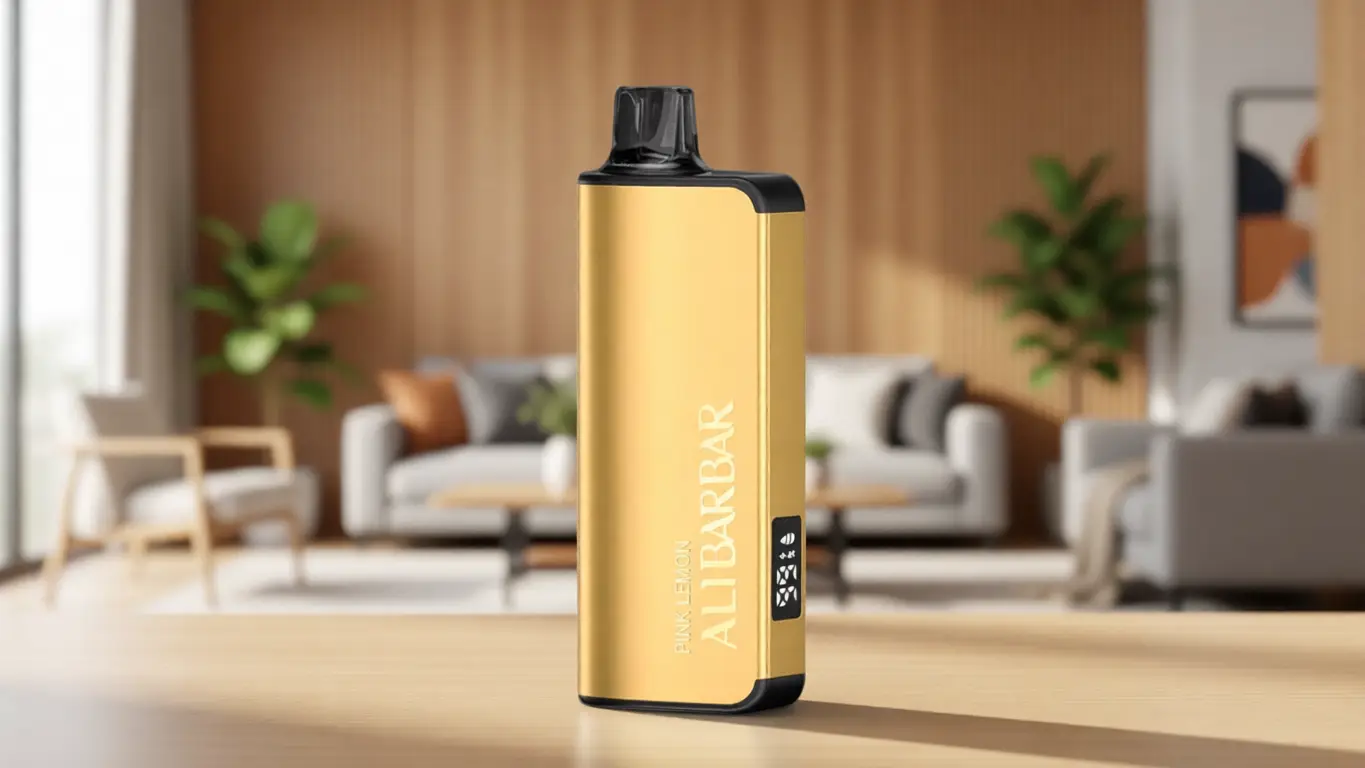
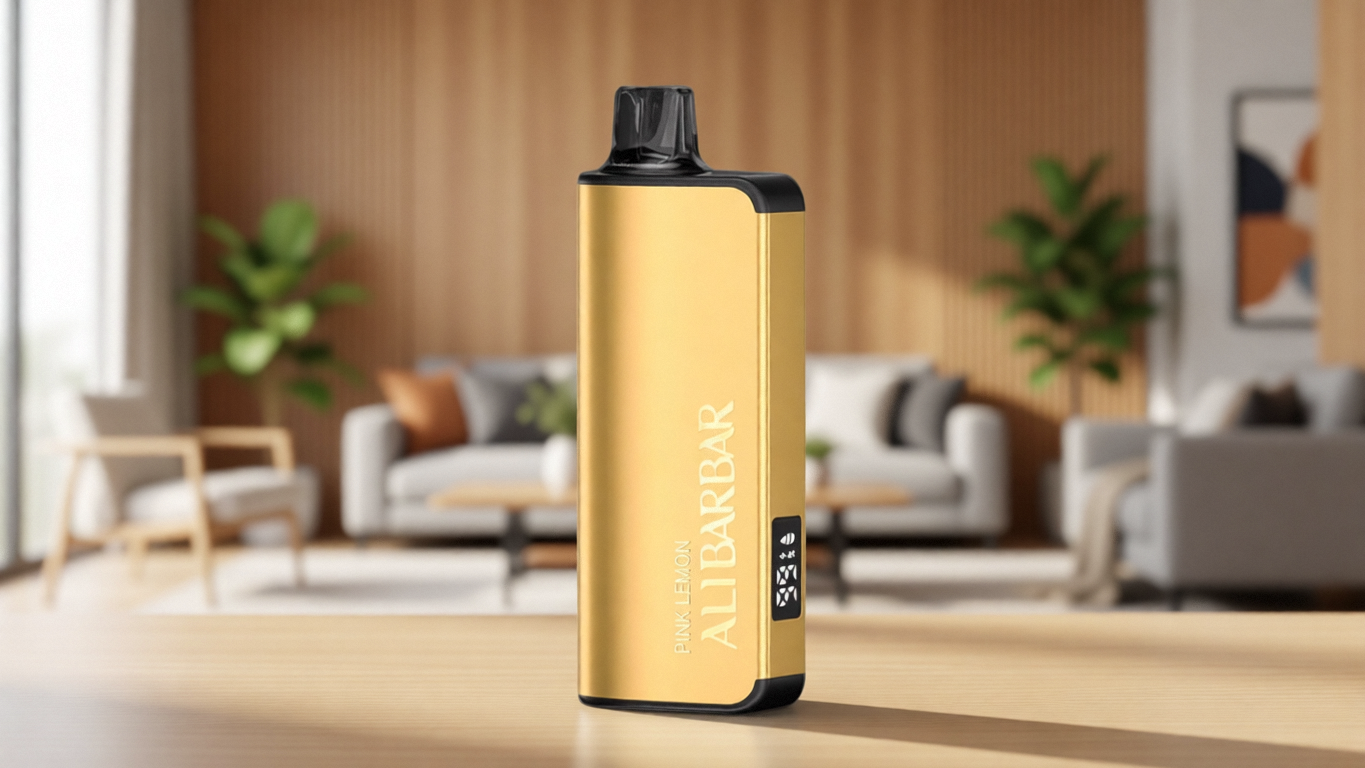
The principles above apply universally, but the way they manifest depends on the architecture of the device you choose. To ground the discussion, consider the ALIBARBAR range available through OZVAPE Shop. While traditionally discussed in terms of battery capacity and puff count, these devices are also instructive examples of how different design philosophies handle ceramic heating consistency.
The ALIBARBAR INGOT 9000 and INGOT 15000 use a sealed, high‑capacity architecture with a pre‑saturated ceramic coil and regulated output. Because the system is sealed, there is no priming step required by the user — the factory saturation ensures the coil is ready from the first draw. The device’s battery indicator eliminates status ambiguity, and the draw‑activated mechanism removes the complexity of power buttons. The trade‑off is that once the reservoir is depleted, the entire unit is replaced. For users who prioritise absolute simplicity and a predictable cadence of use, that is often an advantage rather than a sacrifice.
By contrast, some other widely available systems require the user to manually prime a replaceable ceramic coil, calibrate wattage, and monitor cleanliness of contact points. These units reward attentive users with long‑term flexibility and the ability to fine‑tune the experience. They penalise haste and inattention with burnt coils and wasted product. Neither approach is flawed — they simply serve different need‑states.
For Australian adults who want to access the full ALIBARBAR catalogue alongside transparent, standardised product comparisons, OZVAPE Shop provides a documented, factory‑certified channel. This matters because ceramic‑coil devices are sensitive to storage conditions and counterfeiting; purchasing through an unauthorised source often results in coils that have been stored improperly and will never perform as designed.
A Practical Framework for Evaluating Any Ceramic‑Coil Device
No matter which device you consider, you can reduce decision friction by applying the following evaluation sequence. It transforms vague impressions into a structured comparison.
Check the priming requirement. Does the device ship fully primed and ready, or does it require a waiting period and manual saturation? If manual, is there clear documentation?
Verify status feedback. What happens when the battery is low? Is there a gradual reduction in output that warns you, or does it cut off abruptly? The best devices communicate depletion before it becomes a crisis.
Draw consistency test. Can you take two consecutive draws of the same length and get identical perception at the mouthpiece? If the second draw feels weaker, the thermal recovery rate is insufficient.
Contact reliability. For modular devices, check the contact points after a week of use. Any discolouration or irregularity suggests cleaning will become a frequent chore.
Material endurance. Run your fingers over the body finish and mouthpiece. A textured grip surface that withstands pocket friction will look and feel the same on day 30 as on day one.
When you walk through these checks with a specific device, the advantages and limitations become visible long before you rely on marketing language.
Common Selection Errors and What the Industry Isn’t Telling You
Even experienced users make predictable mistakes that undermine their own satisfaction. These patterns are visible across user feedback and support interactions.
Overweighting a single specification. A device that advertises an extremely high puff count but lacks proper power management will deliver an unsatisfying second half of its life. Total capacity means nothing if the output degrades after 40 % usage. Always look for consistency data rather than headline capacity.
Assuming visual similarity means equivalent internal engineering. Two devices can share the same external form factor yet use fundamentally different coil architectures. Ceramic coil quality varies dramatically — some use thin ceramic wicks that fracture under thermal stress; others use dense, sintered ceramics that survive thousands of cycles. A quick visual comparison cannot distinguish them.
Undervaluing modularity in cost‑per‑use calculations. A sealed unit may seem more expensive upfront, but when you factor in the elimination of replacement coil costs and maintenance errors, its total cost over a fixed period can be lower than a modular system that requires frequent coil changes and cleaning supplies.
Confusing category terminology with technical specifications. The term “ceramic” is sometimes used loosely to describe any coil with a ceramic coating, not a true porous sintered ceramic heating element. Only the latter provides the thermal stability and cleanliness that users expect from the technology. Question any claim that does not specify what kind of ceramic is used and how it is validated.
From an industry perspective, the most persistent challenge is supply‑chain integrity. Ceramic coils that sit in unauthorised warehouses without climate control degrade silently while physically looking identical to properly stored units. This is why a transparent retailer matters more than the device brand itself — the storage conditions between manufacture and end‑user are invisible, and only rigorous sourcing discipline protects the user.
Frequently Asked Questions
Q: How long should I let a new Ccell coil soak before using it?
A: For true ceramic porous wick coils, a minimum of 10 minutes is essential. In colder environments, extend to 15 minutes. Never apply power during this period; the liquid must saturate the ceramic structure passively.
Q: Can I use any liquid in a ceramic‑coil device?
A: Not necessarily. Ceramic coils work best with liquids that have a viscosity ratio suitable for capillary absorption. Extremely thick liquids may not wick fast enough between draws, leading to dry hits. Always confirm compatibility with the manufacturer’s documentation.
Q: What is the most common reason for a burnt taste from a ceramic coil?
A: Inadequate priming is the primary cause. A distant second is power‑source over‑voltage — using a battery that delivers higher output than the coil’s rated resistance allows, or chain‑drawing without allowing the ceramic to re‑saturate.
Q: How do I know if a ceramic coil has been permanently damaged?
A: If after cleaning and full re‑priming you still detect a persistent burnt flavour, or if the device produces significantly less vapour at the same power level as when new, micro‑fractures have likely occurred. The coil is no longer functioning as designed and must be replaced.
Q: Do all sealed ceramic‑coil devices require no priming?
A: Not universally, but many premium sealed systems ship with the coil pre‑saturated from the factory. Devices like the ALIBARBAR INGOT series are engineered to be draw‑ready without user intervention, which eliminates the most common error point.
Q: Where can I find reliable, factory‑certified ceramic‑coil devices in Australia?
A: OZVAPE Shop sources all ALIBARBAR units through authorised distribution channels and maintains documented storage protocols. This ensures the ceramic coil inside the device has not been compromised by improper warehouse conditions.
Q: What is the best way to clean ceramic coil contact points?
A: Use a cotton swab lightly moistened with isopropyl alcohol (at least 70 % concentration) to clean both the device contact and the cartridge base. Allow to dry completely before reassembly. Regular cleaning prevents voltage drop and inconsistent output.
Q: Can a ceramic coil last longer than a cotton wick coil?
A: In principle, yes. Ceramic coils resist degradation from chain‑use heat better than organic cotton, which chars over time. However, the actual lifespan still depends heavily on priming, power management, and liquid composition. A poorly handled ceramic coil will fail just as quickly as a cotton one.
Q: Is it normal for a ceramic coil to crackle during use?
A: A gentle, faint popping sound can occur as liquid vaporises instantaneously on the heated surface. Loud crackling or spitting usually indicates oversaturation or a coil resistance change. Reduce your draw pressure and check that liquid has not leaked into the airflow path.
Q: What should I do if my ceramic‑coil device produces vapour but no flavour?
A: That typically signals a vapour temperature issue — the coil is heating enough to create visible output but not reaching the optimal temperature for full flavour release. Check the battery’s charge level and verify that your device’s output is calibrated for the specific coil resistance.
The Right Technique Is the Foundation of Every Satisfying Device
Ceramic heating technology rewards precision and punishes carelessness. When you understand the relationship between priming, power, and draw behaviour, the performance differences between devices become much easier to interpret — and your own results improve dramatically, regardless of which brand you choose.
OZVAPE Shop maintains this standard of technical clarity because informed users are consistently more satisfied users. If you choose to explore the ALIBARBAR range, you will find the full catalogue, including the INGOT 9000, INGOT 15000, and Ice Adjust 12000 series, presented with factory‑verified specifications and a local support team that can walk you through any usage questions that arise. The right device is not the one with the most attention‑grabbing claims. It is the one you can operate correctly, consistently, and without second‑guessing your technique.