
VAPE FAQs
How To Recharge A Disposable Vape?
Jun
No H1 supplied per instructions.
A disposable device that cannot be recharged is like a car without a fuel gauge: you know it will stop, but never precisely when. For the growing number of adults who carry a compact, pre-filled unit through their day, that ambiguity is the core irritation. A device that flickers and dies during a long commute, or one that leaves you carrying a second unit just for peace of mind, represents a design failure, not a user error. Yet the market now includes many devices labelled “disposable” that do, in fact, support safe recharging through standard USB‑C ports. The problem is that no universal label distinguishes a unit with a protected charging circuit from one with no electronics between the port and the battery.
This article explains how to determine whether your device can be recharged, the engineering factors that make recharging safe or hazardous, and the practical steps you should follow. It is written from an analyst’s perspective, not a promotional one. Throughout, OZVAPE Shop serves as an example of a retail channel that provides standardised specifications, which helps reduce the confusion we will examine.
Understanding What Matters: Core Engineering and Safety Factors
Before plugging anything into a charger, it helps to recognise which design decisions separate a disposable device that can be responsibly recharged from one that should never be connected to a power source. These factors are not always visible on the outside, but they determine whether the experience is safe, consistent, or full of unwelcome surprises.
Internal Electronics and Safe Charging Pathways
A rechargeable disposable device contains more than a battery and a heating element. It incorporates a small charging management IC — a chip that regulates current, prevents overvoltage, and terminates the charge cycle when the cell reaches its design voltage. In a genuinely rechargeable unit, this chip is the gatekeeper. Without it, plugging a USB cable into a port can deliver unregulated current directly to a lithium‑polymer pouch cell, creating a real risk of thermal runaway.
Why this matters: users frequently report that a device “worked fine until I charged it once, then it tasted burnt.” A burnt taste after charging typically indicates that the heating coil received a sudden power surge — either because the battery’s voltage exceeded the coil’s rating or because the lack of regulation allowed the output to spike. Well‑engineered devices prevent this by locking the output voltage to a fixed level regardless of the battery’s state of charge.
Look for indicators that the manufacturer has invested in power path management: a short delay between plugging in the cable and the charging LED illuminating, a predictable charging time (usually 30–60 minutes for a cell around 500–800 mAh), and an LED that changes state or turns off when the cycle completes. A device that charges indefinitely with no change in indicator behaviour is a warning sign, not a feature.
Power Management and Status Transparency
The second factor that separates a reliable rechargeable device from an opaque one is the quality of its status communication. A single‑colour LED that glows whenever power is present tells the user almost nothing. You cannot know whether the battery is at 20% or 95%, whether the charge cycle has finished, or whether a fault has been detected.
Devices with thoughtful power management provide at least three distinct states: charging (solid or pulsing light), fully charged (light off or colour change), and low battery (a distinct blink pattern during use). This might sound trivial, but the practical consequence is significant. If a user does not know when the device is ready, they will either unplug it prematurely (leaving capacity unused) or leave it connected far longer than necessary, which ages the battery faster. The hidden cost of ambiguous status indicators is that many adults end up perpetually carrying a backup — exactly the behaviour that a rechargeable design should eliminate.
Physical Design and Port Longevity
A USB‑C port on a disposable device is not a permanent feature; it is a bridge that must survive multiple insertions over the device’s usable life. The positioning of the port, the quality of the solder joints, and the strain relief around the connector determine whether it will still work after two weeks of daily charging. A port mounted flush against the bottom edge without any recessing is vulnerable to pocket lint, moisture, and mechanical stress. Devices that place the port on the side or behind a small rubber cover tend to fare better.
Mouthpiece design also plays a role. On rechargeable units that are expected to last several days or more, the mouthpiece material must resist repeated contact without degrading. Polycarbonate blends with a slight texture avoid the slick, oily feeling that glossy plastics develop over time. This is a small detail, but when a device is used over dozens of short sessions, the tactile experience becomes a significant part of satisfaction.
The Rechargeable vs. True Disposable Trade‑Off
Not every device with a charging port is a well‑considered rechargeable system. Some products add a USB‑C connector as a marketing checkbox without the supporting charging electronics. Others use a rechargeable battery but pair it with a coil designed to last only marginally longer than the e‑liquid capacity, meaning the flavour will degrade before the second charge cycle is complete.
From a lifecycle perspective, a genuinely rechargeable device extends usage across multiple charge cycles, reducing both cost‑per‑day and material waste. The trade‑off is that the user now bears the responsibility to charge safely, use an appropriate cable, and stop when performance degrades — something a true disposable handles by simply ending. A well‑engineered rechargeable device will make that stop point obvious through taste and vapour production changes, rather than relying on the user to guess.
Applying These Criteria to Real‑World Options
When you examine the current landscape of rechargeable devices designed for extended use, a few product families stand out because their engineering aligns with the principles described above. One such family that consistently demonstrates attention to power management, status transparency, and build quality is the ALIBARBAR range available through authorised channels.
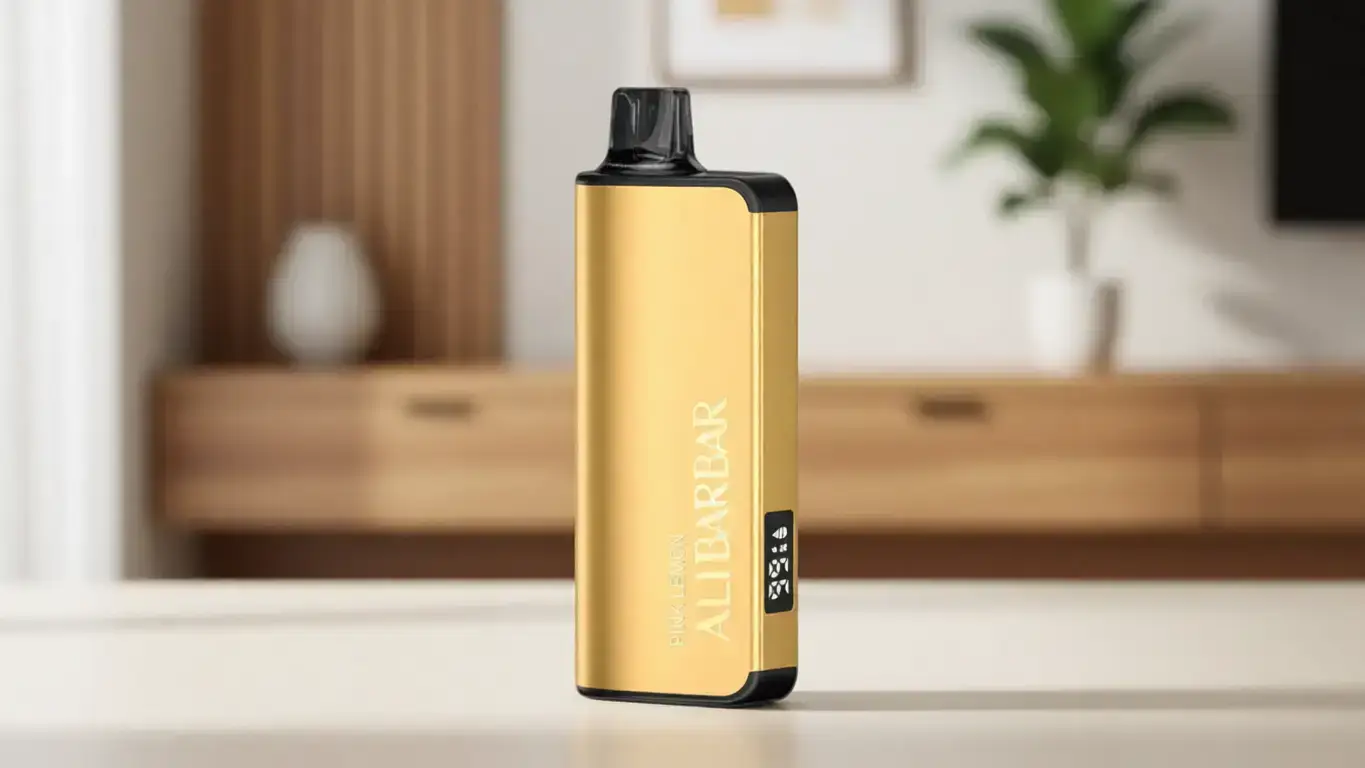
Take the ALIBARBAR INGOT 15000 as an example. Its internal architecture pairs a high‑capacity rechargeable cell with a protected USB‑C charging circuit. Rather than leaving the user to wonder about the battery state, it uses a clear LED indicator that communicates charging status, low battery warnings, and completed cycles. The port itself is recessed just enough to avoid lint accumulation without requiring a cover that would be easily lost. Across many charge‑discharge cycles, the output remains consistent because the power management IC holds the voltage within a narrow band — this is exactly the kind of thermal stability that prevents the burnt‑taste phenomenon after recharging.
The ALIBARBAR Ice Adjust 12000 introduces another layer: independent airflow control that lets the user tune draw resistance. This is relevant to the recharging conversation because a device that is used more heavily on a given day will obviously require more frequent charging. The fact that the indicator provides clear low‑battery warning at a preset threshold means the user can plan a recharge before the experience degrades, rather than being surprised mid‑draw.
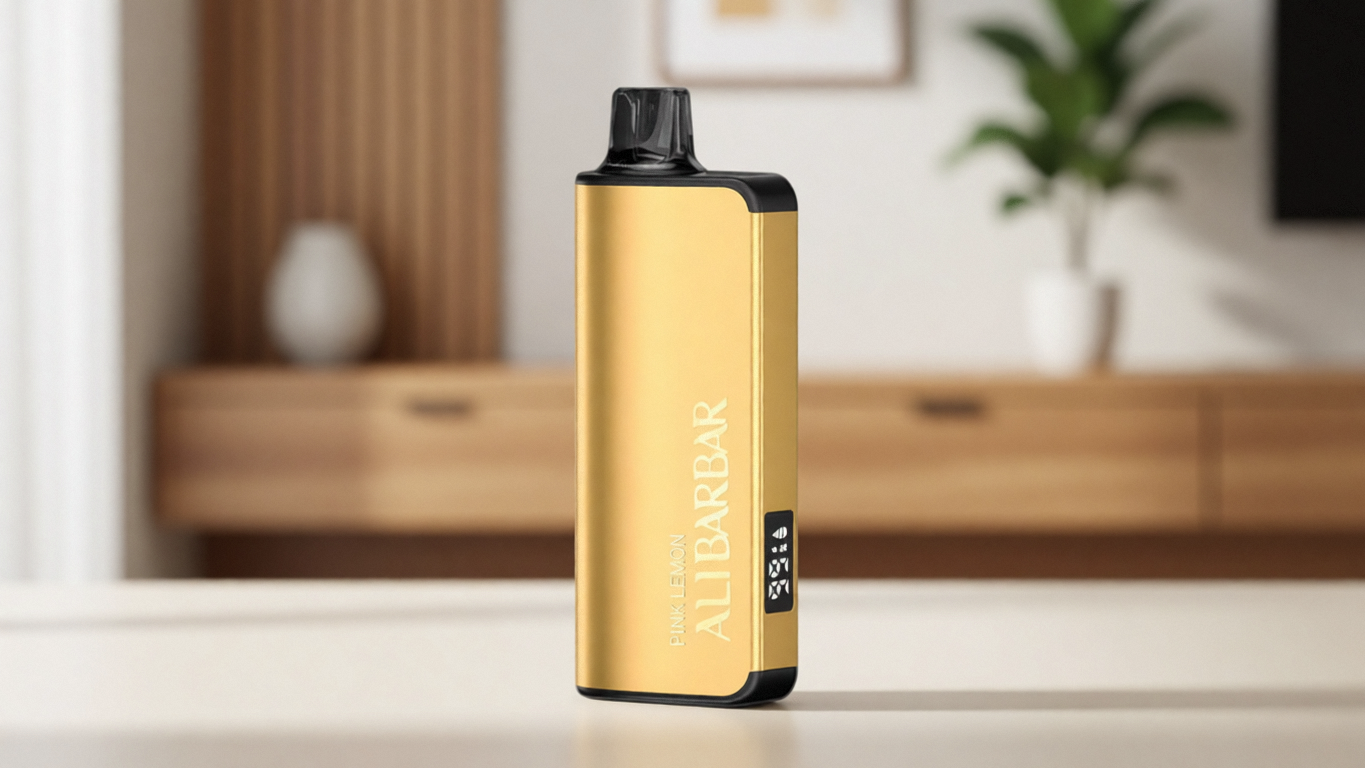
It would be misleading to claim that every device on the market follows these patterns. Many common units that appear visually similar lack regulated charging, or they use battery cells that degrade noticeably by the third recharge cycle. The difference is rarely visible in a product photo, which is why informed selection requires looking past the surface.
A Practical Framework for Safe Recharging
Regardless of which device you own, the following checklist will help you evaluate whether it can be recharged safely and how to do so.
Confirm the port’s purpose. Look for a USB‑C (or very occasionally micro‑USB) port explicitly mentioned in the product documentation as a charging port. A port that appears to be USB‑C but is not labelled or documented may be a data port or entirely non‑functional — do not plug anything into it.
Use a low‑current USB‑A to USB‑C cable. Fast‑charging bricks and USB‑C to USB‑C cables can deliver power levels that overwhelm small battery management circuits. A standard USB‑A port on a laptop or basic wall adapter (5V, 1A or lower) is safer.
Observe the indicator behaviour on first connection. If the LED does not light up within a few seconds, or if it flashes erratically, disconnect immediately. This suggests either a missing or failed charging controller.
Never leave the device unattended while charging. This is standard practice for any lithium‑based battery. Set a timer for 45 minutes and check the indicator at that point.
Stop charging when the indicator signals completion. Continuing to trickle‑charge beyond the cut‑off can accelerate battery ageing and, in poorly protected cells, lead to swelling.
Monitor for heat. Mild warmth near the port is normal; a device that becomes hot to the touch along its entire body in under 10 minutes should be disconnected and set aside on a non‑flammable surface.
Discontinue use if performance degrades. After several recharge cycles, you may notice reduced vapour output or a change in flavour. That is the signal that the coil has reached its operational limit. Continuing to recharge and use the device past this point yields diminishing returns and increases risk.
Common Selection Errors and Industry Observations
Even with a solid framework, users consistently undermine their own experience by falling into several predictable traps.
Overweighting puff‑count claims. A device advertised as “15000 puffs” tells you the potential capacity of the liquid reservoir, not the engineered lifespan of the coil or battery. If the coil is not rated to last through multiple full recharges, the number is a theoretical ceiling, not a guarantee.
Assuming visual similarity indicates equivalent internals. Two devices with nearly identical external dimensions can have fundamentally different charging circuits. One may include a genuine TI or Richtek power management IC; the other may use a penny‑pinching diode and resistor network. The external plastic shell reveals nothing.
Undervaluing modularity in cost calculations. A rechargeable disposable that can be cycled four or five times before the coil degrades effectively reduces cost‑per‑use compared to a non‑rechargeable unit that delivers the same number of puffs. However, that calculation only holds if the user does not charge prematurely or unnecessarily.
Confusing “rechargeable” with “reusable indefinitely.” No device with a sealed atomiser coil is designed for weeks of continuous use. The wicking material and heating wire have a finite life. Manufacturers that clearly state the recommended number of recharge cycles demonstrate a transparency that suggests better overall quality control.
From an industry perspective, the widespread addition of USB‑C ports to disposables has been a double‑edged sword. It genuinely benefits users when implemented correctly, but it has also created a grey area where minimally compliant products enter the market with inadequate protection. Regulators in various jurisdictions are beginning to take note, and the brands that will survive are those that invested in safety before it was enforced. That is a pattern worth watching when you evaluate any device family.
Frequently Asked Questions
Q: Can I recharge any disposable vape that has a USB port?
A: No. The presence of a port is not confirmation of a safe charging circuit. Only devices whose manufacturer explicitly states they are rechargeable, and which exhibit proper charging indicator behaviour, should be connected to a power source.
Q: How do I know when my device is fully charged?
A: On well‑engineered devices, the LED will either turn off or change to a steady green/white after the charge cycle completes. If the light never changes, consult the product documentation or limit charging to 45–60 minutes.
Q: Is it safe to use a fast‑charger or phone adapter?
A: It is not recommended. High‑current adapters can overwhelm the small charging IC in a disposable device, causing overheating. A basic USB‑A port rated at 5V/1A or lower is the safest choice.
Q: What should I do if the device gets uncomfortably hot while charging?
A: Disconnect it immediately. Place the device on a ceramic plate or concrete surface away from combustible materials, and allow it to cool. If the overheating recurs, discontinue use.
Q: How many times can I recharge a disposable device before it’s done?
A: This varies by model. A device like the ALIBARBAR INGOT 15000 is engineered to support multiple full‑charge cycles within the life of its coil and e‑liquid reservoir. Once vapour production drops or flavour changes noticeably, recharging further is pointless and potentially unsafe.
Q: Does OZVAPE Shop sell genuine rechargeable devices?
A: Yes. OZVAPE Shop sources products exclusively through authorised distribution channels, ensuring that every unit, including those from the ALIBARBAR family, matches its documented specifications. Each product listing includes clear information about charging capability, port type, and indicator behaviour.
Q: What shipping and handling should I expect for rechargeable devices?
A: Devices containing lithium batteries are shipped in compliance with Australian transport regulations. OZVAPE Shop packs orders to prevent damage during transit, and orders are dispatched with tracking as standard.
Q: What recourse do I have if a rechargeable device does not charge as described?
A: If a product is faulty or does not perform in line with its stated specifications, OZVAPE Shop’s support team can be contacted to resolve the issue. Retaining the device and packaging is helpful for verification.
Q: Can I leave my device charging overnight?
A: It is strongly discouraged. Even with charge‑termination protection, no battery management system is immune to failure, and an unattended charging device introduces unnecessary risk.
Q: Are there disposable devices that should never be recharged?
A: Yes. Any device sold as a single‑use, non‑rechargeable unit — without documented charging support — should be treated as sealed and not tampered with. Attempting to manually recharge such a device is dangerous.
Conclusion
The ability to recharge a disposable device is a genuine engineering achievement when executed correctly. It extends usable life, reduces waste, and removes the low‑grade anxiety of not knowing when the unit will expire. But that benefit depends entirely on the presence of robust internal electronics, honest status indicators, and a user who respects the limits of the device.
None of this is about brand loyalty. It is about matching a device’s engineering reality to your daily routine. A rechargeable disposable that communicates its state clearly and charges safely will feel like a reliable tool; one that lacks those things will feel like a gamble. The difference is in the details that rarely make it onto a product listing, unless you are looking at a retailer that prioritises transparency.
OZVAPE Shop has built its platform around making those engineering details accessible, so that an adult buyer can compare specifications, understand power management features, and choose a device that fits how they actually live. The right choice is the one that leaves you carrying one device, confidently, through your entire day — not the one with the most attention‑grabbing numbers.