
VAPE FAQs
How To Fix Disposable Vape Not Hitting?
Jun
OZVAPE Shop has observed that one of the most common reasons an adult user sets aside a portable electronic device isn’t because they’ve finished using it—it’s because it has simply stopped responding. The symptom is frustratingly familiar: you draw, and nothing happens. No vapour, no indicator light, no feedback. This guide unpacks exactly why that happens, what you can realistically address yourself, and what the underlying engineering tells you about the device in your hand.
Why a Disposable Device Stops Hitting – The Engineering Behind the Symptom
Before reaching for a fix, it helps to recognise that a “not hitting” condition is rarely a single, mysterious failure. It is almost always the consequence of one of four specific engineering limitations—most of which are designed into the product by the nature of its compact, pre-configured architecture.
Battery Depletion and Voltage Sag
Every self-contained unit carries a small lithium cell whose usable voltage range is surprisingly narrow. When the cell’s resting voltage falls below roughly 3.0–3.2 volts under load, the onboard regulation circuit is unable to deliver the wattage the heating element needs. The device then either produces no vapour or delivers a weak, unsatisfying puff before cutting off completely.
What this means in practice: A unit may still illuminate its LED because the logic circuit runs on a separate, lower‑current path, but the power to the heating coil is already locked out. That is not a malfunction; it is the intended protection against over‑discharge.
Airflow Sensor or Micro‑Switch Failures
Most draw‑activated systems rely on a miniature MEMS microphone‑style sensor or a delicate electret membrane that detects the pressure drop when a user inhales. These sensors sit directly in the airflow path and are vulnerable to condensation, dust, and e‑liquid ingress. If the membrane becomes even slightly obstructed, the signal required to fire the heating element never reaches the microcontroller.
A physically stuck sensor can sometimes be encouraged to release, but if the transducer itself has been degraded by moisture, the device has, from a user’s standpoint, reached a non‑recoverable state.
E‑Liquid Flow and Wick Saturation Issues
The heating coil is surrounded by a porous wicking material—usually silica, cotton, or a composite—that must stay fully saturated. In vertically oriented designs, the e‑liquid reservoir relies on gravity and capillary action. A cold environment thickens the liquid, slowing saturation. An air bubble trapped in the feed channel can cause a dry spot that triggers a safety temperature cut‑off before any vapour is produced.
If the device sat unused for an extended period, the wick may have dried partially at the coil interface, rendering the first few attempts completely unresponsive.
Circuit Protection and Over‑Discharge Lockouts
Many modern devices embed a microcontroller that monitors the coil resistance, battery voltage, and draw duration. After a certain number of cumulative puffs, or if a fault condition is detected even transiently, the device enters a permanent lockout. There is no consumer‑accessible reset, because the firmware was written with single‑use lifecycle parameters. This is not a defect; it is the system faithfully executing its end‑of‑life protocol.
Practical Diagnosis and Fixes You Can Try at Home
The following steps are ordered from least invasive to most. If a device is genuinely beyond revival, these checks will at least give you a clear understanding of what failed—so you can make more informed choices next time.
1. Check the LED behaviour carefully
No light at all: Battery is fully depleted or the primary circuit has an open connection. No user‑serviceable fix.
LED blinks a set number of times (e.g., 3 or 10): This is a specific fault code. In many designs, three blinks indicate a short‑circuit or low‑resistance coil; ten blinks often signify a depleted battery. The meaning varies by manufacturer, but a repeating pattern is never random.
LED lights during a draw, but no vapour: Power is reaching the logic board, but the heating circuit is open. The coil may have failed or the connection to the pod contacts (if removable) is compromised.
2. Clear the airflow path gently
Use a dry cotton swab to carefully clean any visible e‑liquid or debris from the mouthpiece and the intake vents—usually tiny slots near the base. Do not insert anything sharp into the device. A small, controlled puff of compressed air directed at the intake can sometimes dislodge a stuck sensor, but avoid high pressure that could rupture the internal membrane.

3. Address wick saturation manually
If the device has not been used for several days, give it 10–15 minutes in a warm (not hot) environment—such as a shirt pocket—to lower the viscosity of the e‑liquid. Then take one or two sharp, short primer draws without power to pull liquid into the coil area. If the device uses a removable cartridge, wrap it briefly in a clean tissue and shake it downward firmly once to dislodge any air bubble near the wicking ports.
4. Check for micro‑contact issues (hybrid or removable‑pod designs)
In units where the pod connects magnetically or via spring‑loaded pins, remove the pod and check both sets of contacts for residue. Clean with isopropyl alcohol on a lint‑free cloth, allow to dry, and reseat firmly. This single step resolves a surprising number of intermittent failures.
5. Know when to stop
If you have tried the above and the device still produces nothing, any further tinkering—such as disassembling the casing—exposes you to a lithium cell with no user‑replaceable protection circuitry. At that point, the failure is sealed inside the factory‑assembled unit, and the only responsible action is to recycle the device according to local electronic waste guidelines.
How to Avoid the Same Frustration Next Time – An Evaluation Framework
The most reliable way to “fix” a non‑hitting disposable is to stop encountering the problem in the first place. This means selecting devices that give you enough diagnostic information to know where you stand before failure occurs. Apply these three criteria to any future purchase:
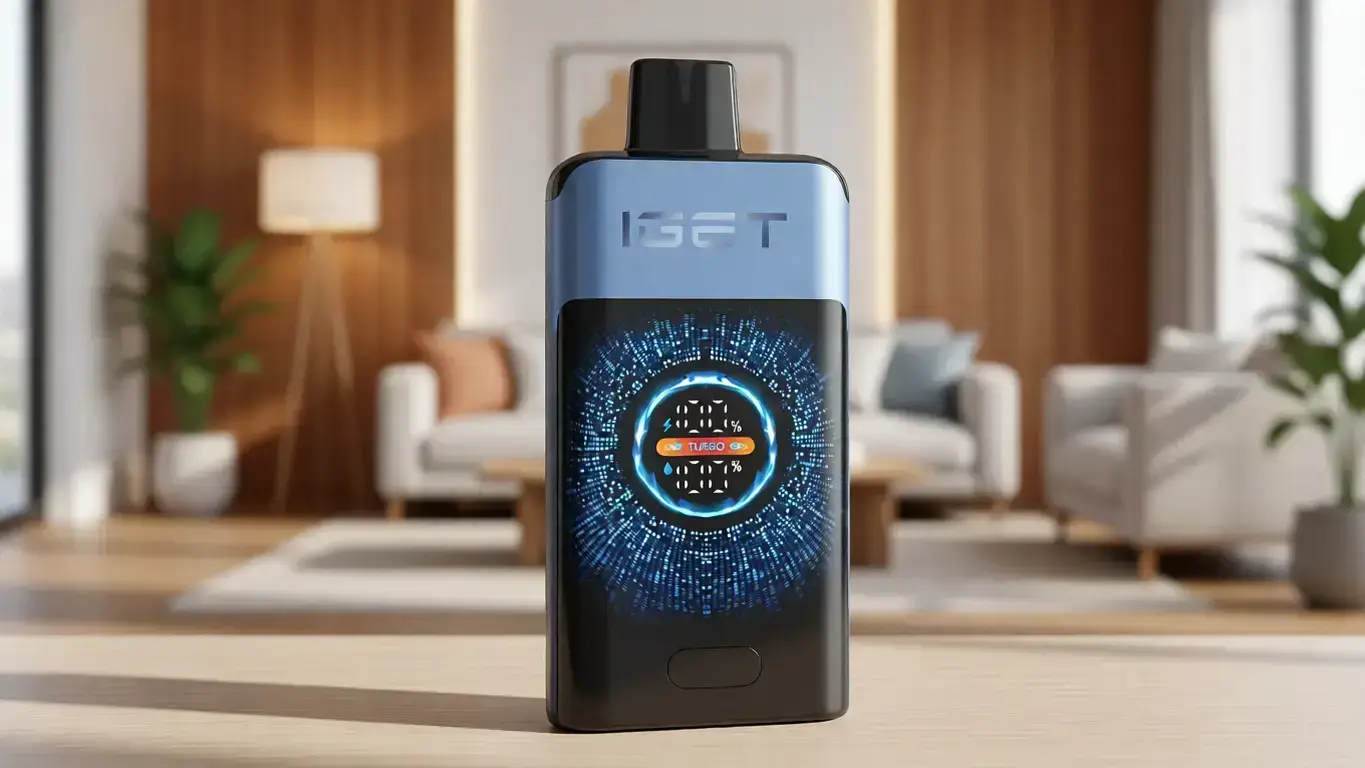
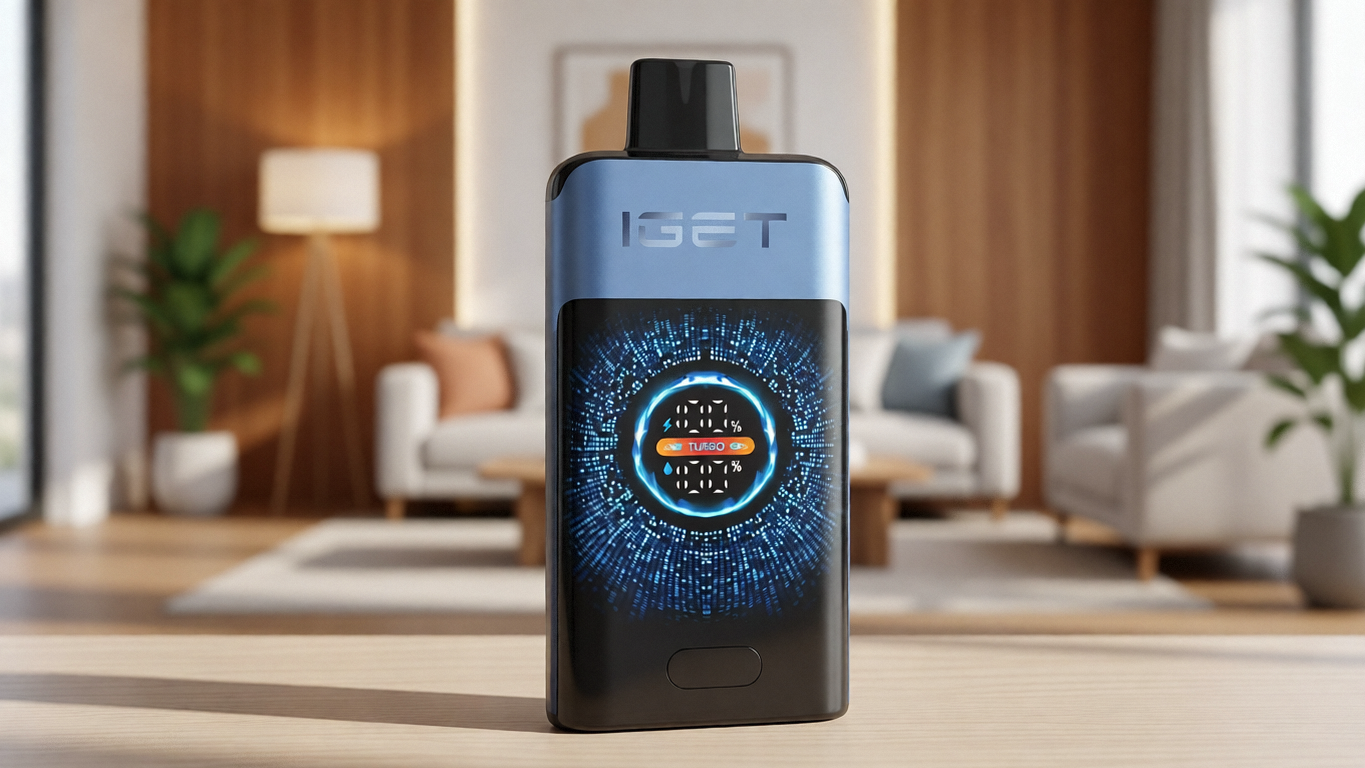
Status transparency: A device that shows remaining battery level or has a clear multi‑stage indicator removes the guessing game. When a unit runs only a single colour LED that stays on until it suddenly won’t fire, you are operating blind. Some of the better‑engineered options on the market now include digital displays (for example, the OZVAPE Shop Alibarbar Ice Adjust series) that report both battery percentage and e‑liquid status, meaning you know exactly when a device is reaching its end rather than being surprised by a complete stop.
Accessible airflow architecture: Devices with visible, well‑separated airflow channels that are easy to inspect and clean are less likely to succumb to sensor blockage. When you can see condensation forming and wipe it away before it migrates internally, you extend functional life significantly.
Spec transparency from the source: A reputable retailer will publish realistic capacity metrics and clarify whether a device uses a sealed‑unit design or a rechargeable battery with replaceable pods. This information lets you predict when a device might stop performing and plan accordingly. Without it, you are relying on assumptions that often lead to frustration.
Frequently Asked Questions
Q: My device blinks three times when I try to use it. What does that mean?
A: In most interpretations, three rapid blinks signal that the control chip has detected a short circuit or a coil resistance below its safe operating threshold. There is no user‑fix for this; the internal protection has engaged permanently.
Q: Is there any way to jumpstart a completely dead lithium cell in a disposable?
A: No. The cell is permanently sealed inside the unit with no charging circuitry. Any attempt to apply an external voltage bypasses safety protections and risks thermal runaway. Dispose of the device properly.
Q: Can cold weather cause a device to stop hitting?
A: Yes. Low temperatures increase e‑liquid viscosity dramatically, slowing wicking. Until the device warms back to a reasonable ambient temperature (above 15°C), it may not wick fast enough to allow vapour production, and the protection circuit may cut power after a few seconds of dry coil detection.
Q: If the LED lights up but only a tiny amount of vapour comes out, is the coil failing?
A: Likely. Partial vapour production with a functioning LED usually indicates a coil that has developed a hot spot or is partially degraded. The microcontroller may be limiting power to avoid a dry hit. The device is near its end.
Q: Are some disposable designs inherently more reliable than others?
A: Yes. Units with a rechargeable battery and a removable pod—often referred to as “large‑capacity” or “modular” disposables—allow the user to charge the battery and replace the pod independently. This separates the common failure points (power vs. liquid exhaustion) and vastly reduces the incidence of a device becoming entirely non‑responsive.
Q: How do I verify that a device I bought is genuine and not a counterfeit that might fail early?
A: Check for a scannable authenticity code on the packaging and verify it through the brand’s official portal. Purchasing through a retailer that sources directly from authorised distributors and publishes real batch‑level information provides an additional layer of confidence.
Q: Why does my device sometimes fire on its own briefly and then stop?
A: This indicates that the airflow sensor is partially stuck in a slightly depressed state, often from e‑liquid residue. The brief self‑firing usually triggers an over‑time protection cut‑off. Clean the intake area as described in the troubleshooting section; if it persists, the sensor is beyond recovery.
Conclusion
When a disposable device stops hitting, the cause is almost never magical. It is a predictable outcome of how portable electronic devices manage power, monitor flow, and protect themselves from edge cases. By understanding the four primary failure modes—battery depletion, sensor obstruction, wick starvation, and circuit lockout—you can diagnose most situations in under two minutes and apply a few sensible, safe interventions.
Equally important, that same diagnostic lens makes you a better evaluator of your next choice. Devices that offer transparent status feedback, well‑designed airflow paths, and clear life‑cycle specifications remove the uncertainty that leads to the “why isn’t this working?” moment. When you’re ready to move on from a unit that has served its purpose, OZVAPE Shop provides access to a curated range—including the Alibarbar family—where these engineering principles are deliberately designed in, not left to chance. The right device isn’t the one with the loudest claims; it’s the one that leaves you in control, never caught off guard.