
VAPE FAQs
How To Make Vape Smoke Thicker?
Sep
The question of how to produce a denser, more visible vapour output is one of the most commonly raised among adult users of personal electronic devices. It is a question rooted in a legitimate technical curiosity: what exactly determines the volume and consistency of the aerosol that a device produces? The answer is not a single adjustment but a combination of engineering choices, device architecture, and user technique.
Understanding this topic requires moving beyond surface-level advice about “settings” or “liquids” and examining the actual physics at play. At OZVAPE Shop, we frequently encounter users who assume that a higher power setting automatically translates to a thicker output, only to discover that their device produces an unsatisfactory experience because other factors were not considered. This article will explain what actually determines vapour density, how different device designs influence it, and what a user can realistically do within the constraints of their chosen equipment.
Understanding What Determines Vapour Density: The Core Engineering Factors
Vapour density — the visible thickness or opacity of the aerosol produced — is governed by four primary variables. Each interacts with the others, and optimising one without considering the others rarely yields satisfactory results.
Heating Element Surface Area and Temperature Control
The heating element is the component responsible for converting the liquid into aerosol. Its surface area directly influences how much liquid can be vaporised in a given time interval. A larger surface area, assuming adequate power delivery, will produce a greater volume of aerosol because more liquid is being heated simultaneously.
However, surface area alone is insufficient. Temperature control is equally critical. If the heating element operates at too low a temperature, the liquid will not fully vaporise, resulting in a thin, wispy output. If it operates at too high a temperature, the liquid may degrade thermally, producing an unpleasant flavour and potentially damaging the device. The optimal temperature range varies depending on the chemical composition of the liquid, but generally, a consistent temperature between 180°C and 220°C produces the densest, most stable aerosol.
Well-engineered devices incorporate materials with high thermal conductivity — such as certain ceramic composites or specialised wire alloys — to distribute heat evenly across the element. This uniform heating prevents “hot spots” that cause localised degradation and “cold zones” that leave liquid unvaporised. When evaluating a device, look for specifications that mention the heating element material and its surface area. A device that provides this information is likely designed with performance consistency in mind.
Airflow Dynamics and the Dilution Effect
Airflow is perhaps the most misunderstood variable. Many users assume that a more open airflow — breathing in harder — will produce more vapour. The opposite is often true.
The aerosol produced by the heating element is a concentrated cloud of tiny liquid particles suspended in air. When additional air is drawn into the device alongside this aerosol, it dilutes the concentration. The result is a larger volume of output, but one that is less dense and visually less impressive. This is why devices designed for maximum vapour production typically have relatively restrictive airflow paths. The user draws slowly, allowing the air within the device’s chamber to saturate with aerosol before it reaches the mouth.
Conversely, a device with very open airflow will produce a larger overall volume of output, but the vapour will appear thinner because it contains a lower concentration of particles per unit of air. Users who prioritise visible density should look for devices with adjustable airflow control, allowing them to reduce the air intake for a denser, more concentrated output.
Practical observation: When testing a device, draw slowly and steadily rather than inhaling sharply. The densest output occurs when the airflow matches the heating element’s vaporisation rate, not when it exceeds it.
Liquid Composition and Its Interaction with Heating
The liquid used in the device plays a significant role in the visible output. The ratio of propylene glycol (PG) to vegetable glycerin (VG) is the primary determinant. VG is a thicker, more viscous liquid that produces denser, more visible aerosol particles. PG is thinner and carries flavour more effectively but produces less visible output.
A liquid with a higher VG concentration — commonly 70% VG or above — will naturally produce a denser vapour. However, higher VG liquids are thicker and may not wick effectively into the heating element in all devices. This is particularly relevant for smaller, coil-based systems where the wicking material has limited surface area. If the liquid cannot reach the heating element fast enough, the element will run dry, producing a burnt taste and negligible vapour.
This creates a tension: the user wants dense vapour, but the device must be capable of handling the thicker liquid. Portable devices with higher power outputs and larger wicking ports are generally better suited to high-VG liquids. Users should check the device’s specifications for recommended liquid viscosity ranges. Pushing a high-VG liquid through an element not designed for it will result in poor performance and potential damage.
Power Delivery Consistency and Voltage Regulation
The power delivered to the heating element must be consistent to maintain a stable temperature. Devices with poor voltage regulation — where the output drops as the power source depletes — will produce progressively thinner vapour as the device is used. This is a common frustration: a device that performs excellently for the first few uses gradually becomes less satisfying.
Well-designed devices incorporate voltage regulation circuitry that maintains a consistent output regardless of the remaining charge level. This circuitry is often one of the cost drivers in a device’s manufacturing, but it directly impacts the user experience. When a device delivers consistent power, the heating element maintains its optimal temperature, and the vapour density remains uniform from the first use to the last.
Some devices provide wattage or temperature control, allowing the user to adjust the power output. While this flexibility is valuable, it introduces the risk of user error. A user who sets the power too high will degrade the liquid; too low will produce insufficient vapour. The most reliable approach is to use a device with factory-calibrated output that matches the intended liquid composition.
Practical Adjustments Users Can Make
Given these engineering constraints, what can a user actually do to improve vapour density with their existing device?
Adjust draw technique. Slow, steady draws produce denser output than rapid, forceful inhalations. Allow the aerosol to accumulate in the device’s chamber before drawing.
Optimise liquid selection. If the device can handle it, switch to a liquid with a higher VG concentration. Start with 60% VG and adjust upward based on performance.
Clean the device regularly. Residue accumulation on the heating element and airflow path reduces heat transfer and disrupts airflow. A clean device performs measurably better.
Ensure the power source is fully charged. Even with voltage regulation, a depleted power source may not deliver peak performance. Charge the device fully before expecting maximum output.
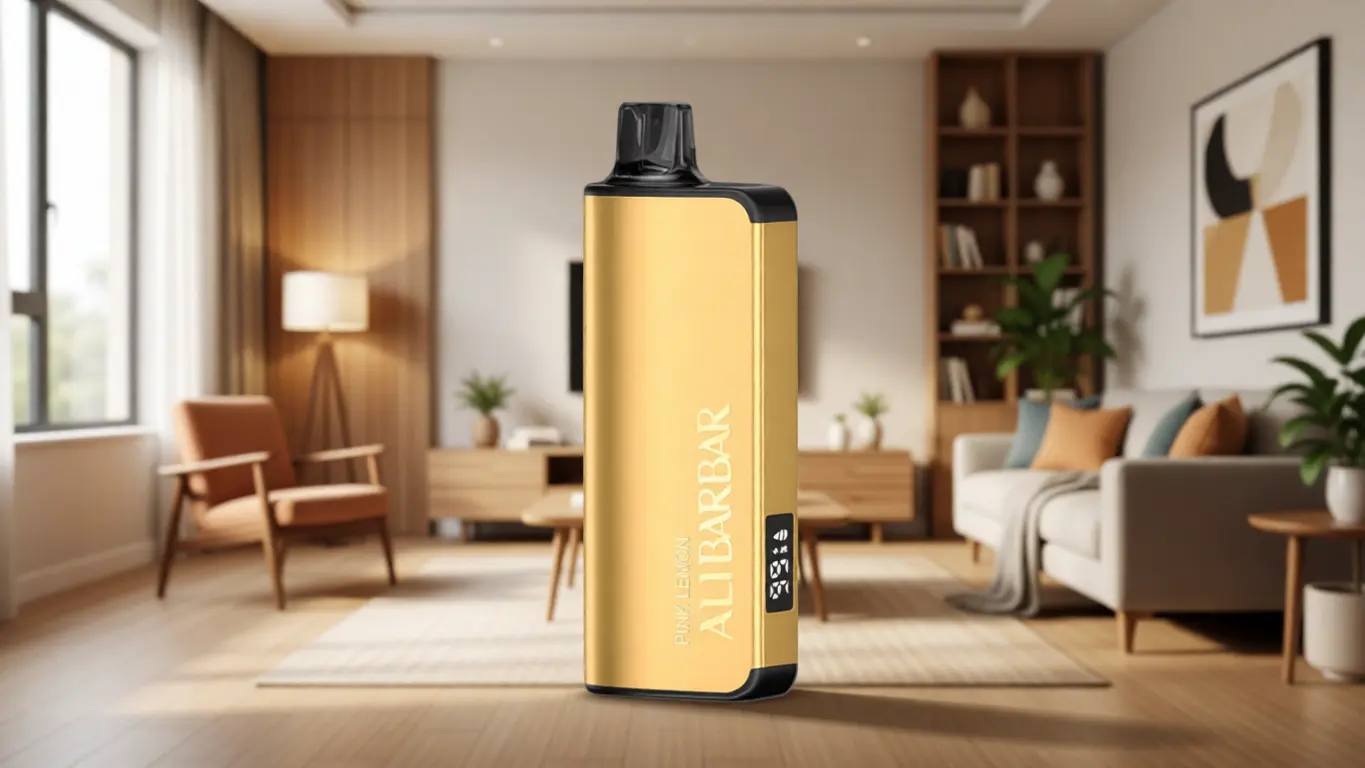
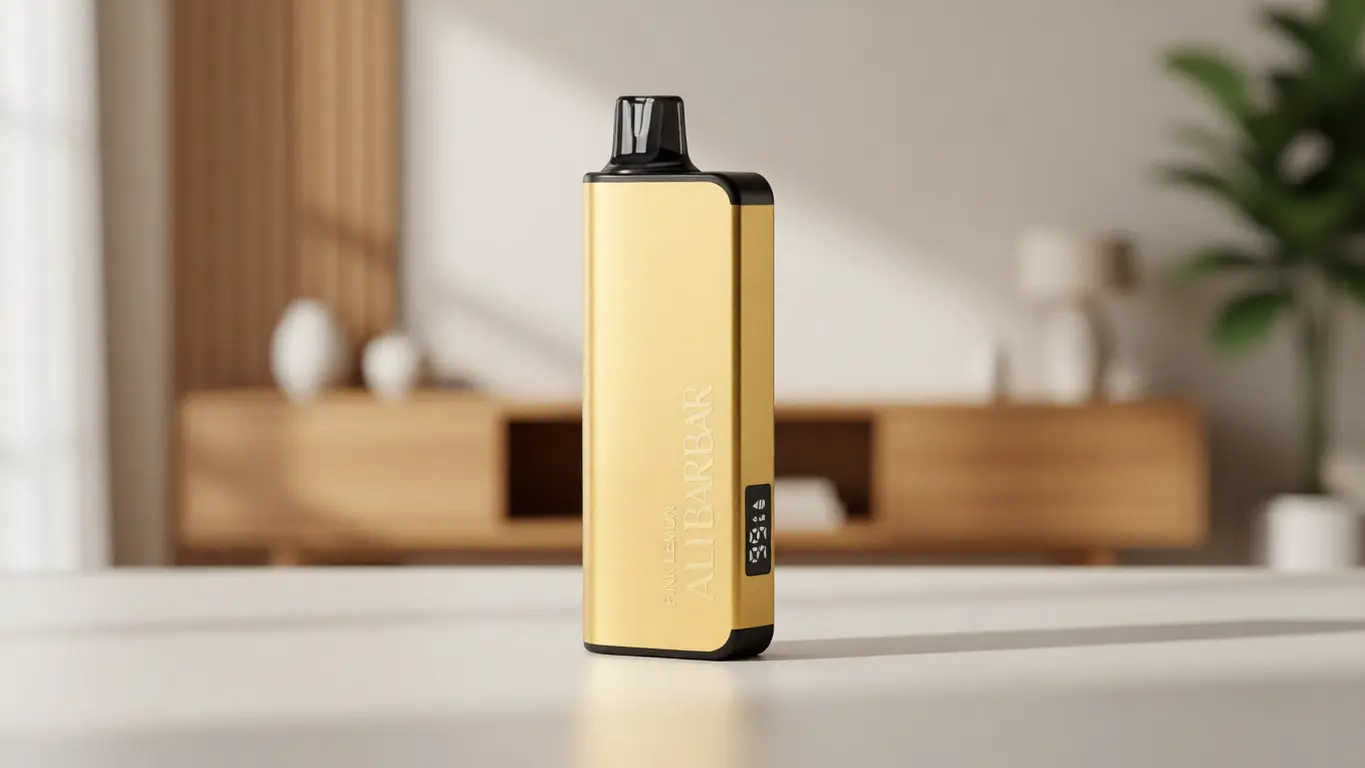
Consider device architecture. If consistent vapour density is a priority, choose a device with a larger heating element surface area, adjustable airflow, and voltage regulation. These specifications are available in product documentation from manufacturers like ALIBARBAR, whose INGOT series, available through channels such as OZVAPE Shop, is engineered with these principles in mind.
Common Misconceptions About Vapour Density
Several persistent misunderstandings circulate among users. Addressing them clarifies what is actually achievable.
Myth: Higher power always means denser vapour.
Reality: Excess power degrades the liquid, producing a thinner, less pleasant output. Optimal temperature, not maximum power, is the goal.
Myth: Open airflow produces more vapour.
Reality: Open airflow dilutes the aerosol concentration. Restrictive airflow, when matched to the heating element’s capacity, produces denser output.
Myth: All liquids produce the same vapour density.
Reality: VG concentration is the dominant variable. A liquid with 50% VG will produce significantly less dense vapour than one with 80% VG, regardless of device quality.
Myth: A device that produces thick vapour is always better engineered.
Reality: A device may produce thick vapour by operating at very high temperatures, which degrades the liquid and reduces component lifespan. Consistent, moderate performance is a better indicator of engineering quality.
Frequently Asked Questions
Q: Can I make any device produce thicker vapour?
A: No. Device architecture — heating element size, airflow design, and power regulation — imposes fundamental limits. You can optimise within those limits, but you cannot exceed them.
Q: Does adjusting airflow always help?
A: Reducing airflow generally increases density. However, if the airflow is too restricted for the heating element’s capacity, the element may overheat. Adjust gradually and monitor performance.
Q: What is the ideal VG level for dense vapour?
A: For compatible devices, 70% VG or higher produces noticeably denser vapour. Start at 60% VG if unsure about device compatibility.
Q: Why does my device produce less vapour after a few days?
A: Residue buildup on the heating element reduces heat transfer. Regular cleaning restores performance. If the buildup is severe, the heating element may require replacement.
Q: Does device age affect vapour density?
A: Yes. Heating elements degrade over time. If cleaning and liquid changes do not restore density, the element may be worn.
Q: Is there a difference between devices designed for dense vapour and general-purpose devices?
A: Yes. Devices optimised for dense vapour typically have larger heating elements, voltage regulation, and adjustable or restrictive airflow paths. General-purpose devices prioritise portability or discretion over output volume.
Q: Can I damage my device trying to produce thicker vapour?
A: Yes. Operating a device at its maximum power setting continuously, using liquids with viscosity outside the recommended range, or blocking airflow can cause overheating and component failure.
Q: Where can I find devices designed for dense vapour output?
A: Specialised retailers like OZVAPE Shop provide detailed specifications for each device, including heating element material, surface area, and power regulation information, allowing informed comparison.
Conclusion
Producing denser vapour from a personal electronic device is a matter of understanding the interaction between heating element design, airflow dynamics, liquid composition, and power regulation. No single adjustment guarantees improvement; the most effective approach is to optimise all four variables within the constraints of the device.
The user who learns to draw slowly, selects a liquid with appropriate VG concentration, keeps the device clean, and chooses equipment with engineering specifications that prioritise consistency over maximum output will achieve the most satisfactory results. That satisfaction comes not from chasing an arbitrary benchmark of visual density, but from operating a device that performs predictably and reliably across its intended lifespan.
For those seeking devices built with these principles in mind, platforms like OZVAPE Shop offer access to product lines such as ALIBARBAR, where the engineering focus is on delivering consistent, controllable output rather than simply maximising one variable at the expense of others. Ultimately, the right device is the one that works with your routine — not one that demands you adapt to its quirks.
The densest vapour is not the product of a single trick or setting. It is the natural result of a well-engineered device operated with understanding and care.