
VAPE FAQs
How To Make Vape Coils?
Jun
To answer “How To Make Vape Coils” properly, we need to move beyond a simple set of instructions. Building a functional coil is a straightforward mechanical task; building one that delivers consistent performance, remains safe under prolonged use, and genuinely improves your daily experience is an engineering challenge. This article examines the full picture: the materials, the physics, the practical frustrations that drive people to attempt coil-making, and why a significant portion of experienced users ultimately choose precision‑engineered, pre‑built devices from a trusted source like OZVAPE Shop instead.
Understanding What Really Matters in a Coil’s Performance
Before gathering wire and cotton, it’s worth asking why users seek to make their own coils in the first place. In most cases, the motivation isn’t the joy of tinkering but a disappointment with mass‑produced options: inconsistent heating, burnt tastes that appear too early, or the need to replace an entire sealed unit when only the heater is spent. The following sections break down the core elements of a coil system, linking each to the user frustration it solves.
The Foundation: Wire Material, Mass, and Resistance Stability
The wire you choose — Kanthal, nichrome, stainless steel, or more exotic alloys — determines not just the resistance but how the coil responds over its lifetime. Kanthal is forgiving and widely available, but its resistance drifts slightly as it ages. Stainless steel allows temperature control but requires meticulous spacing to avoid hot spots. A common user frustration: a coil that measures 0.5 ohms when first installed can climb to 0.6 or higher after a day of use, throwing off the entire power calculation and producing a noticeably weaker, uneven output. Recognizing this instability and accounting for it is what separates a functional build from a truly reliable one.
Wick and Juice Delivery: The Overlooked Determinant of Lifespan
A coil is only as good as its wick. Organic cotton, rayon, or blended fibers each have their own capillary action and break‑in characteristics. The most frequent objection to replaceable‑coil systems is not that the coil itself fails, but that the wicking material degrades — packing down, charring at the contact points, or failing to keep pace with the user’s draw frequency. A hand‑built coil allows you to choose a wicking medium that lasts longer, but it also demands precision: too tight and you starve the coil; too loose and you create a flood of unvaporized liquid. Many users report spending months learning this balance, only to finally settle for a tolerance that they can live with.
Thermal Management and Heat Dissipation
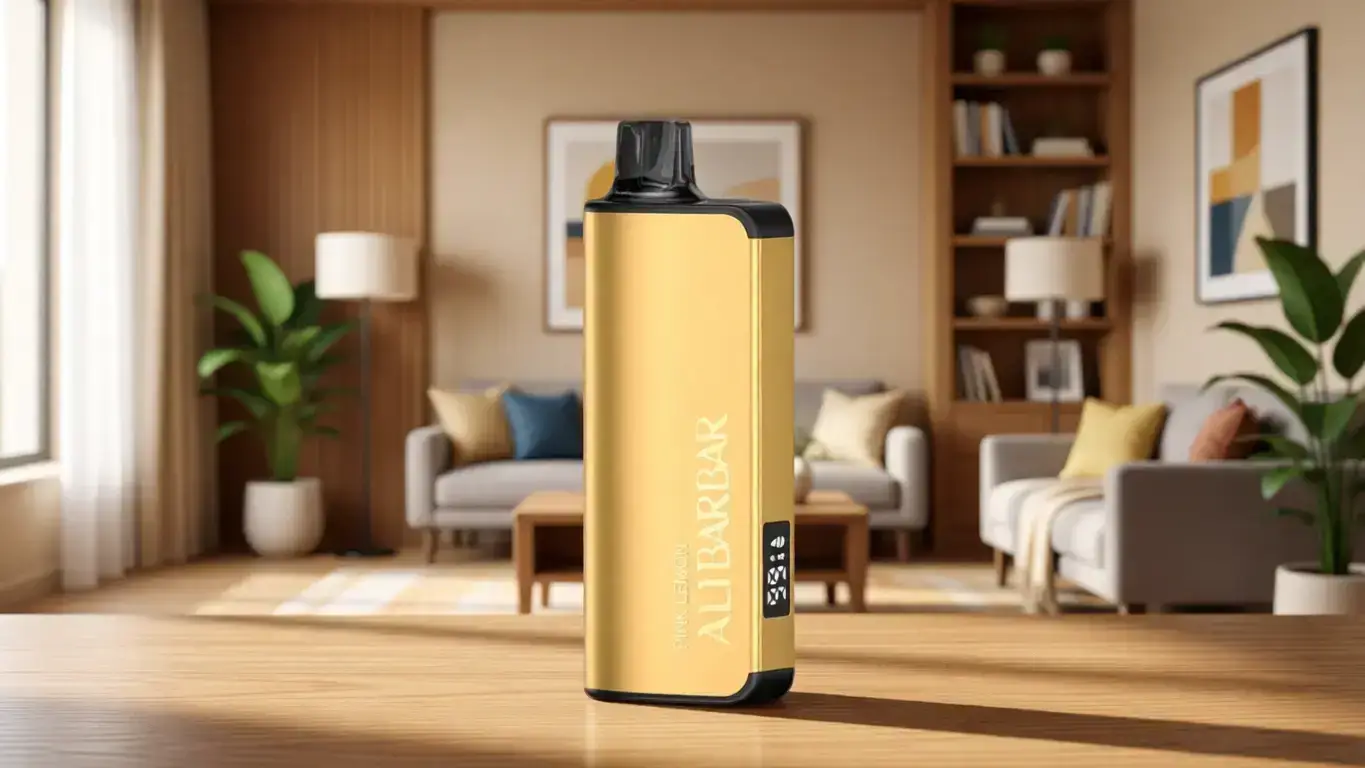
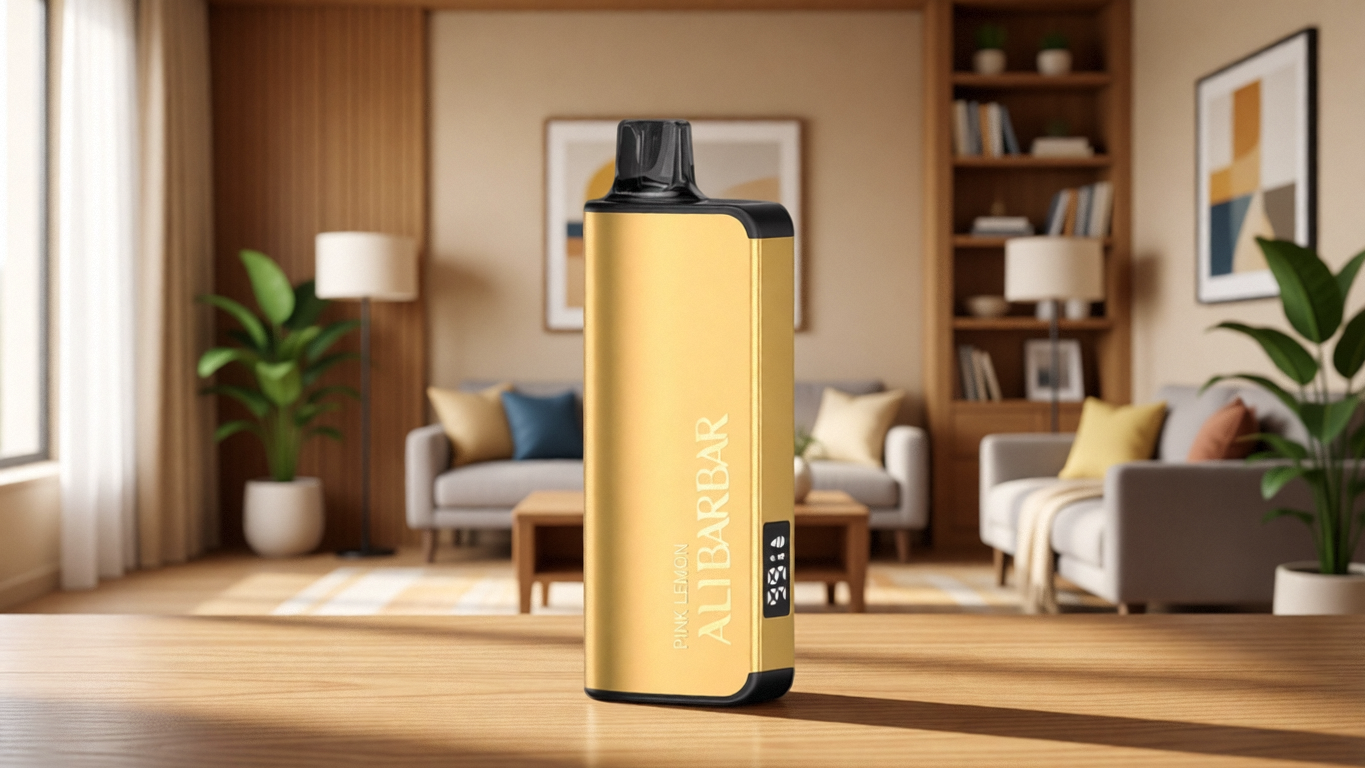
When current flows through a resistance wire, it generates heat. That heat must be transferred efficiently to the liquid and away from non‑functional components. Inadequate thermal design leads to two common pain points: “dry hit” sensations caused by localized overheating, and premature component failure when internal insulators or solder points become brittle. Commercial devices like those in the ALIBARBAR family tackle this with engineered mesh elements that distribute heat across a larger surface area and with body materials that serve as heat sinks. For the DIY builder, replicating this means careful coil geometry, leg placement, and post‑build testing — steps that are often omitted in casual tutorials.
Status Transparency: Why Knowing the State of Your Coil Matters
A hand‑built coil gives you zero feedback about its condition unless you physically inspect it or detect a change in taste. By contrast, well‑designed pre‑built systems incorporate clear indicators — a consistent power curve, low‑voltage warnings, or even just a predictable decline in output that signals a nearing end of life. This transparency is a genuine user benefit: it eliminates the guesswork that leads people to carry an extra device “just in case.” If you’ve ever found yourself stranded with a coil that suddenly failed, you understand why this matters.
Applying These Principles: DIY Coil Building vs. the ALIBARBAR Pre‑Built Approach
No single solution fits everyone. Some users enjoy the craft of coil building, and that is perfectly valid. But when you apply the criteria above to real‑world use, a different picture emerges: the majority of adults who rely on personal electronic devices prioritize predictability, time efficiency, and after‑sales accountability over the satisfaction of a hand‑wound coil. This is where the ALIBARBAR product range, stocked and supported by OZVAPE Shop, has established a clear distinction.
ALIBARBAR devices — such as the INGOT 9000 and INGOT 15000 series — are built around a mesh coil architecture that is manufactured to tolerances difficult to achieve by hand. Mesh distributes heat evenly across a wide surface, virtually eliminating the hot spots that cause scorching. The wicking material is selected, tested, and integrated at the point of manufacture, so that every unit performs identically from the first draw to the last. Contrast this with the DIY experience: a coil that works brilliantly on Tuesday can perform poorly on Wednesday because ambient humidity altered your cotton’s expansion.
From a commercial perspective, the advantage of a pre‑built system lies in accountability. When you buy a hand‑built coil kit, you alone are responsible for the outcome. If the resistance is off, if the insulator burns, if the wick collapses — that is your time and your cost. With a factory‑certified device from a retailer like OZVAPE Shop, there is a documented supply chain and a local support team to resolve genuine defects. That isn’t marketing; it is the practical difference between a hobby and a daily tool you depend on.
A Practical Framework for Evaluating Any Coil System (DIY or Pre‑Built)
Whether you’re twisting wire at your desk or reviewing a product listing on OZVAPE Shop, you can use the same set of questions to gauge what you’re getting into:
What is the rated operating life, and under what conditions was that measured? A number without context is misleading. DIY coils have no rating at all; commercial devices should state their approximate cycle count under standard use.
How does the system indicate it is nearing end of life? If the answer is “you’ll know when the taste changes,” you have identified a source of anxiety. Look for devices that give you a clear, early warning.
What is the failure mode? Does it simply stop producing, or does it degrade gradually? Gradual degradation is far less disruptive.
Can you replace just the coil, or must you replace the entire unit? Modular designs reduce cost and waste. ALIBARBAR’s rechargeable and replaceable‑pod models illustrate this principle well.
Is the source verifiable? A coil built from generic spool wire offers no traceability. A device purchased through an authorized channel like OZVAPE Shop carries documented provenance, which matters when performance doesn’t match expectation.
Running through this checklist will quickly clarify whether you are engaging in a weekend project or acquiring a reliable daily device.
Common Selection Errors — and What the Industry Has Learned
Even experienced users fall into the same traps. Recognizing them can save you money and disappointment.
Assuming all mesh is equal. The mesh in a factory‑engineered device is laser‑cut to a specific aperture and thickness. Hand‑built “mesh” often comes from a sheet that cannot match that precision, leading to uneven resistance and hotspots.
Over‑indexing on resistance while ignoring thermal mass. A 0.3‑ohm coil made from thin wire heats quickly but has minimal surface area; a 0.3‑ohm coil from mesh has far more contact with the wick. Ohms alone tell you nothing about vapor quality.
Confusing complexity with quality. A coil with exotic twists and Clapton wraps looks impressive, but if it takes longer to ramp up and drains your battery faster, it may be a worse choice for all‑day use than a simple, well‑designed heating element.
Undervaluing post‑purchase support. If your hand‑made coil shorts, you troubleshoot it alone. If an ALIBARBAR device fails prematurely and you bought it through OZVAPE Shop, you have a clear path to resolution — a difference that becomes acutely important when you rely on that device.
The broader industry has already absorbed these lessons. The market for pre‑built, tightly integrated systems continues to grow because manufacturers have learned that users value time and certainty more than they value customizability. ALIBARBAR’s design philosophy — “eliminate the small, everyday irritations” — is a direct response to the pain points that DIY coil building introduces.
Frequently Asked Questions
Q: Can I build a coil that lasts longer than a pre‑built mesh coil?
A: In theory, yes — if you select an extremely durable wire and wick, and if you never let it run dry. In practice, the consistency of factory‑built mesh coils tends to outlast most hand‑built efforts because the engineering accounts for variables (wick compression, heat distribution) that are hard to replicate manually.
Q: Is making my own coil cheaper in the long run?
A: The raw materials are inexpensive, but consider the value of your time, the cost of failed attempts, and the price of any device that gets damaged during building. For many, the net cost per draw is comparable to a well‑chosen pre‑built system when all factors are accounted for.
Q: How do I verify that a pre‑built device has a genuine coil?
A: Purchase from a retailer that sources exclusively from authorized distribution networks. OZVAPE Shop, for example, stocks only factory‑certified ALIBARBAR products, with full traceability.
Q: What is the most common mistake beginners make when building coils?
A: Forgetting to check for hot spots after installation. A coil that glows unevenly will singe the wick in that area, producing a burnt taste within hours. Pulsing and strumming the coil is essential but often skipped.
Q: Are there safety risks with DIY coils?
A: Yes. An unverified short can draw excessive current, stressing the battery protection circuit. Using incompatible materials (e.g., nickel with a mod not designed for temperature control) can release harmful compounds. Factory‑tested devices mitigate these risks through design validation.
Q: What makes ALIBARBAR devices different from other pre‑built options?
A: Their focus on status transparency and material integrity. Each unit is designed to give clear, immediate feedback about its state, removing the guesswork that plagues both DIY builds and lesser pre‑made products.
Q: How does OZVAPE Shop handle a device that does not perform as described?
A: They maintain a local support team that works with you to verify the issue and, if the product is defective, arranges a swift replacement or refund. That accountability is built into their operations.
Q: Can I use my own coil in an ALIBARBAR device?
A: No. ALIBARBAR devices are sealed systems engineered for their specific coil architecture. Tampering voids safety certifications and introduces risks the device was not designed to manage.
Conclusion
The question “How to make vape coils” opens a door to a broader, more important conversation about what you actually need from your device. Building coils is a skill that rewards patience, but it also demands a willingness to accept inconsistency and to shoulder the burden of troubleshooting. The alternative — a precision‑engineered, factory‑certified product from a responsible retailer — delivers something fundamentally different: a tool that works the same way every time, backed by a business that stands behind it.
At OZVAPE Shop, the ALIBARBAR range represents this philosophy distilled into a single ecosystem. Whether you choose a high‑capacity INGOT model for all‑day use or a more compact form for discretion, you are getting a device where the coil, wick, and power management have been designed as an integrated whole. That integration is what removes the friction, the guesswork, and the quiet anxiety of not knowing when your device will let you down.
Ultimately, the right choice is the one that aligns with your actual routine. If coil building brings you pleasure and you have the time to perfect it, then by all means, pick up that spool of wire. But if what you want is certainty — a device that performs predictably from the first use and is supported by a real, local team — then the path of least resistance leads to a product that has already been designed, tested, and stocked for exactly that purpose.