
VAPE FAQs
What Is Propylene Glycol In Vape?
Jun
A Closer Look at the Liquid That Powers Your Experience
Every seasoned user of personal electronic devices eventually encounters a moment when the experience doesn’t match expectation. The draw feels different. The output is thinner. The throat sensation is either absent or uncomfortably sharp. When you start searching for explanations, the conversation almost always circles back to the same few ingredients — and propylene glycol is usually at the center of it. Understanding what this compound is, why it’s there, and how it shapes device performance can spare you from spending money on products that don’t match your preferences. At OZVAPE Shop, we’ve seen how a little technical clarity transforms purchasing decisions, so we’re laying out the details in plain, accurate terms.
Why Propylene Glycol Matters to Your Device: Function and Engineering Logic
Propylene glycol (PG) isn’t a mystery additive or a cost-cutting shortcut. It’s a synthetic liquid alcohol that’s been used for decades in food, pharmaceutical, and inhalation delivery systems — which means its behavior in aerosol form is well documented. In the context of modern portable electronic devices, it serves as one of two primary carrier fluids (the other being vegetable glycerin). But its role goes beyond simply carrying other ingredients; PG directly influences the physical and mechanical performance of your device in ways that are measurable and predictable.
The Carrier Mechanism and Flavour Efficiency
Propylene glycol is thinner than vegetable glycerin, with a viscosity closer to water. This low viscosity has a direct technical consequence: PG-saturated wicking material absorbs and transfers liquid more rapidly to the heating element. For users, that means a device with a higher PG ratio tends to produce vapour more immediately after activation, with less risk of a dry or muted draw during the first seconds.
Because PG is also an excellent solvent for aromatic compounds, it carries and releases flavours with greater clarity and sharpness. If you’ve ever noticed that a particular product tastes crisp and defined at first but becomes muddled over time, the PG proportion is often the hidden variable. Manufacturers who understand this — and who build their devices with wicking and coil geometries matched to a specific PG/VG ratio — tend to deliver more consistent flavour from the first draw to the last. When we examine the engineering behind the ALIBARBAR device family at OZVAPE Shop, for instance, we note that the fluid formulations are calibrated to maintain throat sensation and flavour integrity across the full rated cycle of the device, which is a direct outcome of careful carrier-fluid selection.
Throat Sensation and User Feedback
Propylene glycol has a distinct physiological effect that every experienced user recognizes: it produces a sharper sensation at the back of the throat during inhalation. This isn’t a side effect; it’s a deliberate design choice. The intensity of that sensation is directly proportional to the PG concentration. A product with a higher PG ratio will feel more pronounced — sometimes described as crisp or dry — while a higher VG ratio feels smoother and fuller.
Why this matters: The throat sensation is often the single most important factor in whether a user feels satisfied. A mismatch between your expected and actual throat feel is one of the primary reasons people abandon a device after only a few uses. If you prefer a cleaner, sharper intake, looking for devices or formulations that emphasize PG is rational. If that sensation feels harsh to you, then a lower PG, higher VG product may be a better fit. There’s no universal “right” answer, only the right one for your physiology and routine.
Thermal Behavior and Device Longevity
Because PG vaporizes at a lower temperature than VG, it reduces the overall energy demand on the power cell and heating element. For devices designed as sealed units, this has implications for how consistently they perform over their operational life. A well-engineered device that balances PG content with coil resistance and power output can maintain a stable temperature curve, avoiding the gradual performance degradation that occurs when a coil overheats or becomes fouled prematurely.
In practical terms: if a device is designed with a high PG formulation but its heating element is not tuned for rapid, low-temperature vaporization, the user may experience a phenomenon called “spit-back” — hot liquid droplets reaching the mouth. Conversely, if a high VG formulation is paired with a coil designed for thin liquids, the wicking may lag, leading to intermittent dry draws. This is why understanding a device’s design intention, not just its ingredient list, matters.
Applying This Knowledge to Real-World Product Choices
When you’re evaluating a product — whether you’re standing in front of a display or scrolling through a detailed online listing — you can now move beyond ingredient labels to practical implications. A specification sheet that simply says “contains propylene glycol” tells you almost nothing useful. Instead, look for indicators of how that PG is deployed within the system.
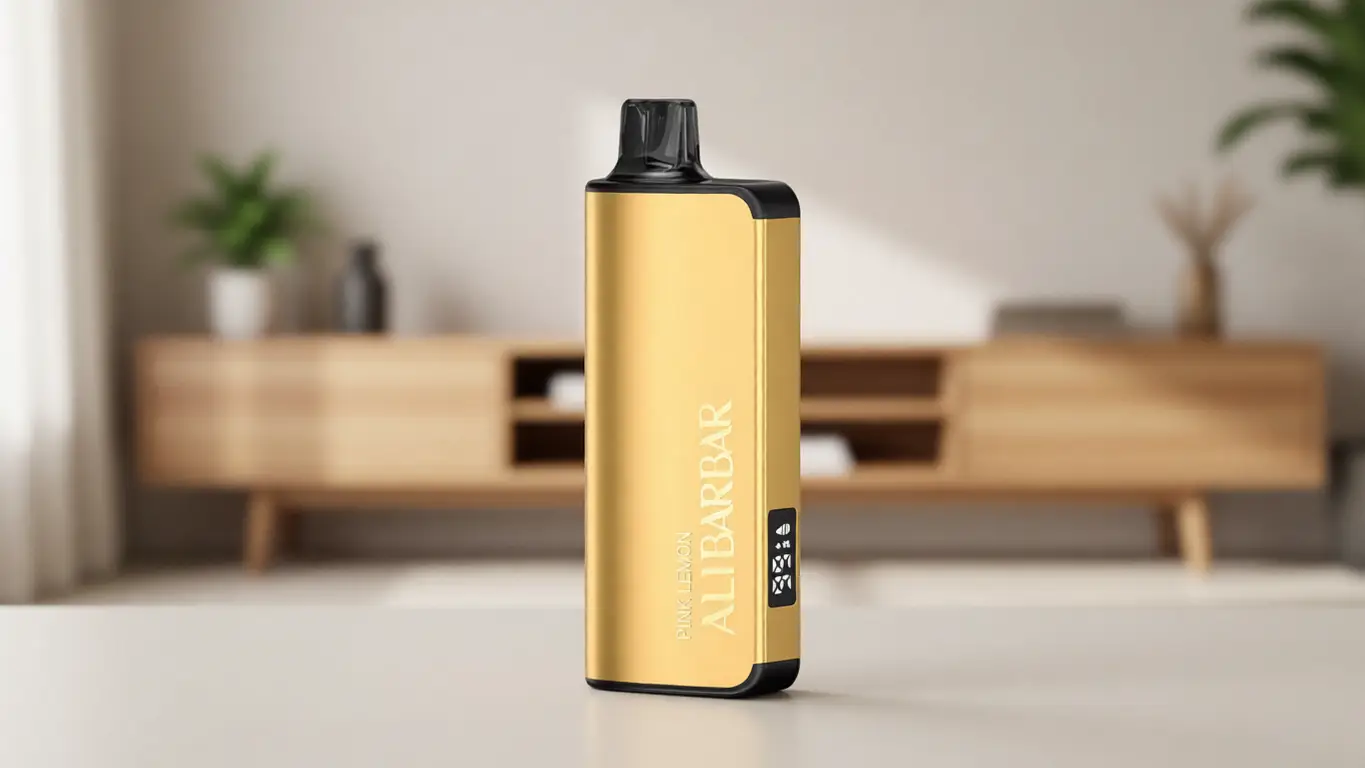
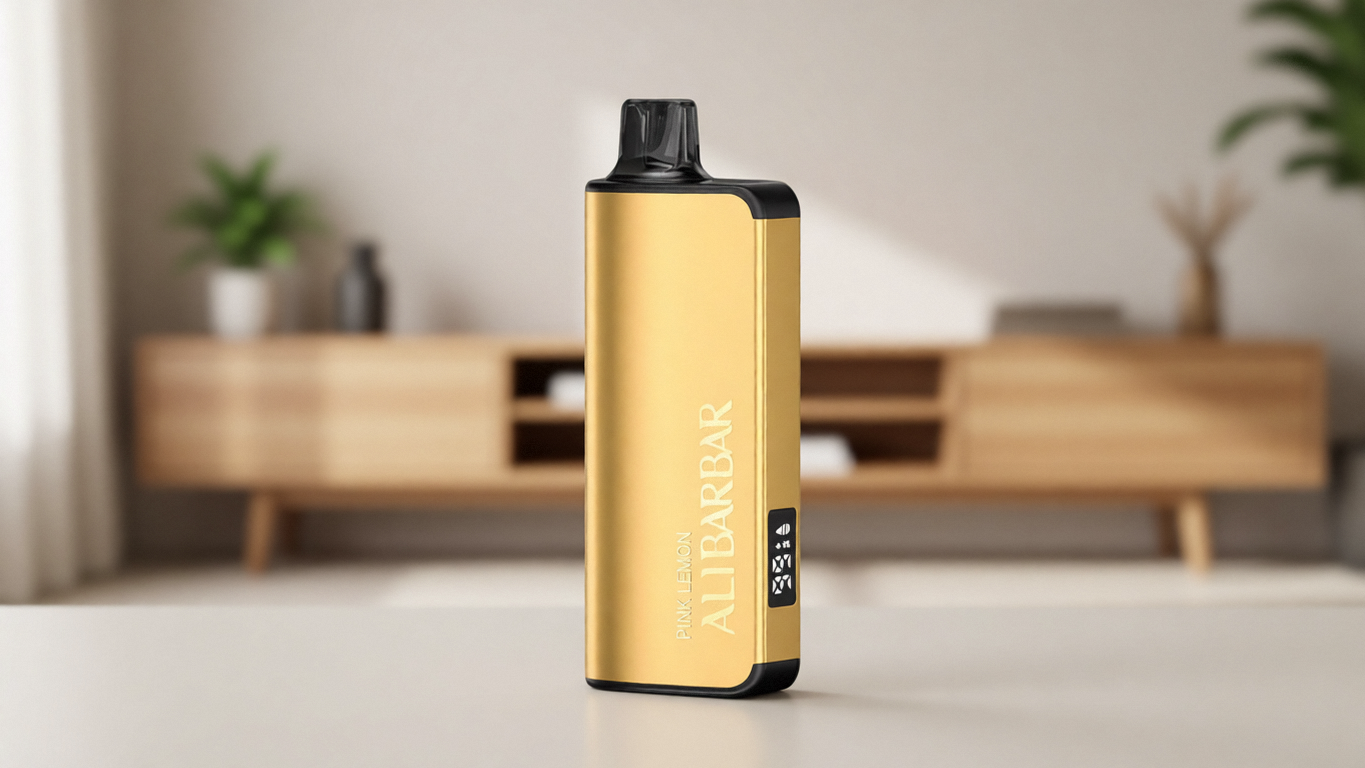
For example, a device like the ALIBARBAR INGOT 9000 is built with a fixed internal architecture. The PG/VG ratio isn’t an adjustable setting; it’s part of the factory calibration. That means the throat sensation, flavour clarity, and power demand are all pre-coordinated. For the user who values simplicity, this eliminates guesswork: you pick it up, and it delivers the intended experience from the first draw. The trade-off, of course, is that you can’t fine-tune it later. If your preference is for a softer or sharper intake than the factory spec provides, you’ll need a different device or a modular system that allows you to select your own liquid.
Consider also the ALIBARBAR Ice Adjust 12000 series, which introduces a configurable output element (ice level) while maintaining a fixed carrier fluid profile. Here, the PG ratio remains the stable backbone of throat sensation, while the adjustable cooling gives you some control over the final sensory impression. This hybrid approach acknowledges that while not everyone wants the same intensity of throat hit, the foundational vaporization physics benefit from careful, non-variable calibration.
Other device families on the market approach this differently. Some prioritize massive vapour volume by using very high VG ratios, creating clouds that are visually dense but often sacrifice throat distinction and flavour sharpness. Neither approach is objectively superior; they serve different user needs. The key is recognizing where your priorities lie and reading the device’s design language accordingly.
A Practical Framework for Evaluating PG-Dependent Devices
Instead of relying on marketing terms like “smooth” or “intense,” use this structured approach next time you’re comparing options:
Ask about the base fluid profile specifically. If the manufacturer or retailer cannot tell you whether the formulation is PG-dominant, VG-dominant, or balanced, that’s a data point in itself. Transparent companies keep these specifications accessible.
Match the ratio to your throat feel memory. Think about a product you previously enjoyed (or disliked). Was the throat sensation sharp and immediate, or soft and gradual? That memory will guide you toward the appropriate PG level.
Consider the device’s power architecture. A high-PG liquid in a high-output device designed for cloud production will likely feel harsh and unsatisfying. Conversely, a thick VG liquid in a low-power, sealed pod system may not wick fast enough, leading to early coil degradation. Compatibility is not automatic.
Evaluate total device lifecycle, not just first draws. Some PG-heavy formulations deliver excellent initial flavour but become muted as the coil accumulates residue. Devices with properly tuned heating elements and optimized fluid dynamics (like those in the ALIBARBAR range, which are designed for output consistency across their rated capacity) mitigate this issue through engineering rather than chemistry alone.
Watch for cryptic ingredient labelling. “Natural and artificial flavourings” without carrier fluid disclosure leaves you guessing. Trustworthy brands, including those carried by OZVAPE Shop, treat ingredient transparency as a baseline requirement, not a competitive advantage.
Common Misconceptions and Industry Pitfalls
Even among experienced users, several persistent misunderstandings about propylene glycol lead to poor product matches and unnecessary complaints.
Assuming all clear liquids are PG-based. Many VG-heavy fluids are also clear or only faintly tinted. Colour tells you nothing about viscosity or composition. Only the declared ratio matters.
Conflating “smoothness” with quality. A product that feels intensely sharp is not automatically low quality — it may simply have a higher PG ratio than you personally prefer. High PG is a design feature, not a defect, for users who prioritize throat sensation. Conversely, a smooth product with almost no throat feel may contain almost no PG, which suits some users and frustrates others.
Ignoring the hygroscopic nature of PG. Propylene glycol attracts and binds water molecules. Over time, in humid environments, a PG-heavy liquid can absorb atmospheric moisture, slightly thinning the mixture and potentially altering the vape experience. This is rarely discussed in consumer circles, but it can explain why a device that performed perfectly in dry indoor conditions feels different on a rainy day.
Overlooking the cumulative effect on coil life. Because PG carries flavour compounds so efficiently, it can also concentrate any residual sweeteners or additives directly onto the heating element. In modular devices, this means more frequent coil replacements. In sealed devices, it underscores the importance of factory-calibrated formulations that balance sweetness, PG content, and coil design for a predictable lifespan. This is an area where the ALIBARBAR engineering philosophy — designing the entire system, not just the liquid — shows its value.
Believing that “more PG equals more vapor.” It’s actually the opposite. VG is the primary vapor producer. If cloud density matters to you, you’ll want a lower PG ratio. If discreetness is your goal, a higher PG formulation with less visible vapor may be preferable.
From a manufacturing standpoint, PG is an attractive carrier because of its low cost and reliable supply chain. However, this also means that some budget products use PG levels far beyond what optimal wicking and coil longevity would dictate, simply to stretch expensive flavouring agents further. Users who experience rapid flavour drop-off or throat irritation might be encountering such formulations. Recognising the signs — harshness that increases over time, a chemical aftertaste, or unusually rapid coil degradation — can protect you from repeating the same purchase mistake.
Frequently Asked Questions
Q: Is propylene glycol safe to inhale?
A: Propylene glycol has been studied extensively in pharmaceutical inhalation delivery systems and is generally recognized as safe for these applications. However, individuals with specific sensitivities may experience throat irritation. If you notice persistent discomfort, a lower PG product is worth trying.
Q: Why do some devices list “PG/VG ratio” while others don’t?
A: Sealed, pre-filled devices often omit this ratio because the manufacturer treats the formulation as proprietary. Reputable brands, however, disclose the general PG/VG balance because it directly affects user experience. Absence of this information should prompt a question to the retailer.
Q: Can I adjust the PG ratio in a sealed device like ALIBARBAR?
A: No. These devices are factory-sealed and calibrated for a specific formulation. Attempting to modify them will destroy the device and may be hazardous. If you want variable PG levels, consider a modular system designed for that purpose.
Q: Does a high PG ratio mean better flavour?
A: Not necessarily “better” — but it usually means more distinct and sharper flavour notes because PG is an effective flavour carrier. Some users find that too much sharpness masks subtlety. Balance is subjective.
Q: Why does my throat feel dry after using a high PG device?
A: PG is hygroscopic, meaning it draws moisture. This can temporarily dehydrate the tissues in your throat and mouth. Drinking water before and during use can offset this effect.
Q: How can I tell if a device’s coil is struggling with its PG level?
A: Signs include spitting (hot droplets), a sudden drop in flavour intensity mid-draw, or a burning sensation. These indicate a mismatch between liquid viscosity and coil temperature. Sealed devices that avoid these issues have been engineered as complete systems.
Q: Does propylene glycol affect battery life?
A: Indirectly. Because PG vaporizes at a lower temperature, a PG-heavy formulation can reduce the energy demand per draw, potentially extending the usable life of a charge. The effect is modest but real in devices with unregulated output.

Q: Are there products with zero PG?
A: Yes, some products use 100% VG or alternative carriers, but these are rare in sealed, high-performance devices because VG alone struggles to carry flavour with the same clarity. They also often require higher power, which complicates miniaturization.
Q: What should I ask a retailer to verify a product’s PG content?
A: Request the manufacturer’s specification sheet or a direct statement about the PG/VG balance. If the retailer cannot produce either, consider that a limitation of their supply chain transparency.
Informed Decisions Start with Honest Information
Propylene glycol isn’t a gimmick or a hazard — it’s a functional building block that determines how a device feels, tastes, and lasts. Once you understand its role, the entire category becomes easier to navigate. You stop being swayed by vague descriptors and start evaluating products based on engineering logic: Does the PG ratio match the heating element design? Will the throat sensation align with what you actually want? Is the device built to maintain consistency over its full operational life, or will you notice a drop-off halfway through?
At OZVAPE Shop, we’ve built our product selection and our information resources around the principle that adult users deserve clear, accurate answers — whether they’re asking about propylene glycol, device architecture, or after-sales support. Our commitment to factory-certified inventory and transparent specifications is simply a recognition that trust is earned through consistency, not through marketing claims.
The right choice for you isn’t the one with the most impressive numbers on a box. It’s the one whose physical behavior, over dozens of draws and multiple days, matches your routine without demanding constant compensation. Now that you can “read” what PG is telling you about a device, you’re better equipped to make that match.