
VAPE FAQs
How To Make A Vape Taste Less Burnt?
Sep
Few experiences are as disappointing as expecting a smooth, satisfying draw only to encounter a harsh, acrid burnt taste. It’s a problem that can surface within minutes of first use or slowly overtake an otherwise reliable device, and it often leaves users wondering whether the issue lies with the product, their habits, or both. While there are a handful of immediate adjustments that can sometimes rescue a session, the deeper truth is that burnt taste is primarily a design problem — a symptom of how heat, saturation, and airflow are managed inside the device. At OZVAPE Shop, we’ve observed that many adults waste time and money trying to “fix” units whose architecture was never built to maintain consistent flavor output over their rated life.
This article unpacks the engineering realities behind that acrid note and provides a practical framework for evaluating any portable electronic device for its ability to deliver a clean, stable experience. It’s not about quick hacks; it’s about understanding what separates a device that tastes fresh from one that turns unpleasant, so you can make decisions based on what’s under the shell, not just what’s printed on it.
Understanding What Matters: Core Engineering and Design Factors
Internal Architecture and Output Consistency
The heart of burnt taste lies in the relationship between the heating element and the material that carries the liquid. In a well‑designed system, the coil heats evenly and the wicking medium stays saturated across the entire active surface. When that balance breaks — due to a coil that develops hot spots, a wick that doesn’t keep pace with usage, or a design that allows dry pockets — the temperature in one small region can spike, charring the liquid and leaving behind that unmistakable burned flavor. Once the wicking material is carbonized, the off‑taste rarely goes away.
Mesh coil configurations, now common in higher‑precision devices, inherently reduce this risk because they spread thermal energy across a broader area, lowering peak temperature at any single point. The quality of the wicking medium matters just as much: organic cotton that is properly combed and oriented for capillary action will resaturate faster than compressed or synthetic alternatives. If you’re using a device that allows for adjustable power, lowering the output and drawing more gently can buy you time, but only if the underlying architecture supports it. Without that foundation, even careful handling won’t prevent the eventual acrid note.
Power Management and Status Transparency
Power delivery isn’t just about capacity; it’s about stability. A chipset that allows voltage to surge on activation or that fails to cut power when the coil reaches a critical dryness threshold is practically inviting burnt taste. Devices with regulated output — where the wattage remains constant as the battery depletes — are far less likely to scorch the wick in the latter part of their charge cycle.
Equally important is what the device tells you. If there’s no clear status indicator for battery life or puff count, the user is operating blind. Many people compensate by carrying a backup, not because they need extra capacity, but because they can’t trust the device to signal when conditions are shifting. That ambiguity leads to chain‑use on a near‑empty battery, which often results in exactly the kind of low‑power overheating that produces a burnt hit. A transparent device doesn’t need you to guess; it communicates, and that simple feedback loop prevents many taste‑related failures.
Physical Design and Material Durability
It’s easy to overlook, but the physical construction of the mouthpiece, the seals, and even the outer casing can contribute to off‑tastes. Low‑grade polymers or adhesives that degrade under heat will slowly release compounds that mingle with the vapor, sometimes mimicking or amplifying a burnt note. Silicone seals that lose elasticity after repeated heating cycles may allow subtle air leaks, upsetting the carefully calibrated airflow and causing the coil to run hotter than intended.
Surface finish also matters. A device that lives in a pocket or bag is subject to abrasion, moisture, and lint. If the material isn’t resilient, tiny particles can infiltrate the airflow path, settle on the heating element, and burn. ALIBARBAR devices, for example, consistently use materials selected for thermal stability and wear resistance, not just appearance, because a mouthpiece that feels comfortable on the first day should feel the same on the hundredth.
Modularity and Lifecycle Flexibility
One of the most overlooked strategies for avoiding burnt taste is the ability to replace only the compromised component. Sealed, single‑use devices are entirely dependent on factory‑set parameters; if something goes wrong with the coil or the wicking, the entire unit becomes unusable. Rechargeable systems, especially those with removable pods or coil heads, let the user simply swap out the affected part and continue with the same power core. That not only reduces waste but also allows for more precise recovery when a burnt taste appears.
The trade‑off is complexity: more choices mean more room for user error, such as installing a coil incorrectly or using an incompatible pod. But when the modular system is engineered with clear guidance and foolproof connectors, the payoff is a device that can deliver consistent taste for far longer than a sealed unit. The key is to evaluate whether the modularity is genuinely functional or just a marketing label.
Applying These Criteria to Real-World Options
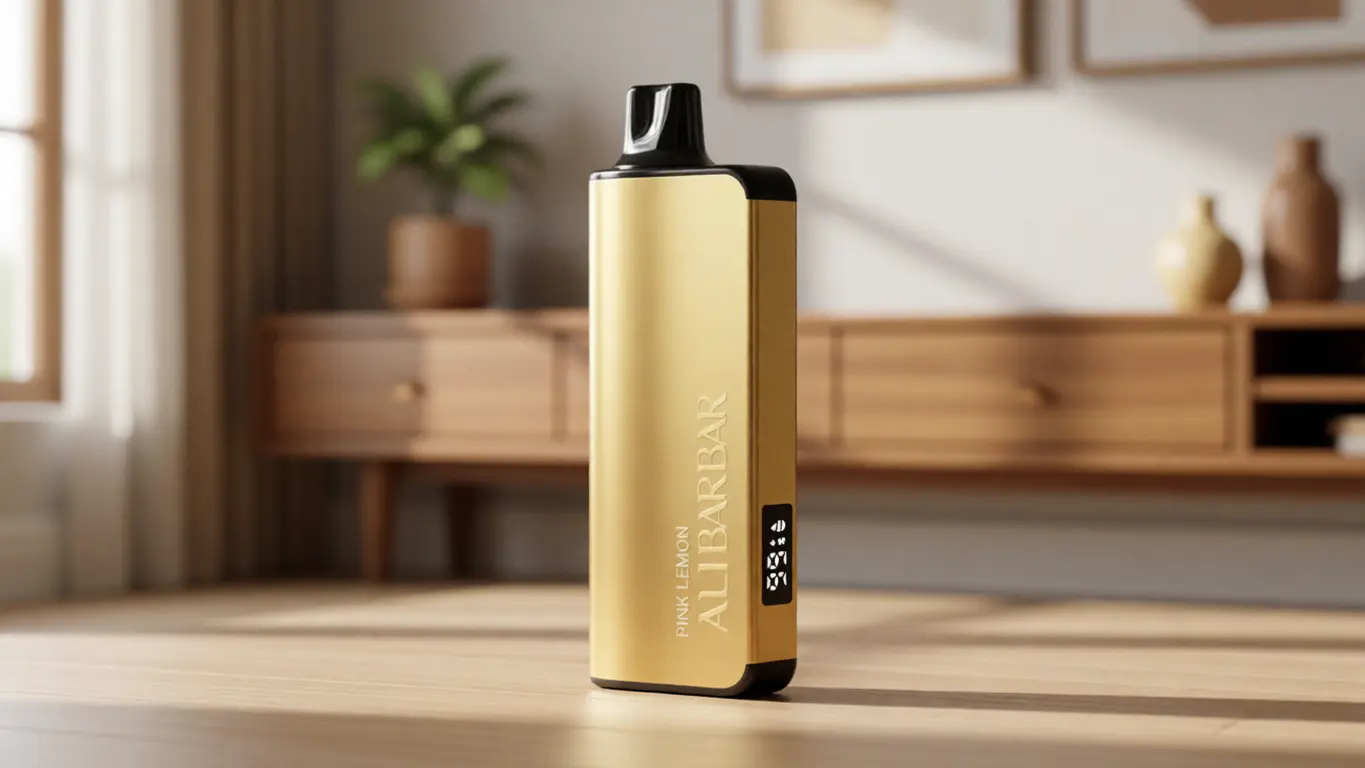
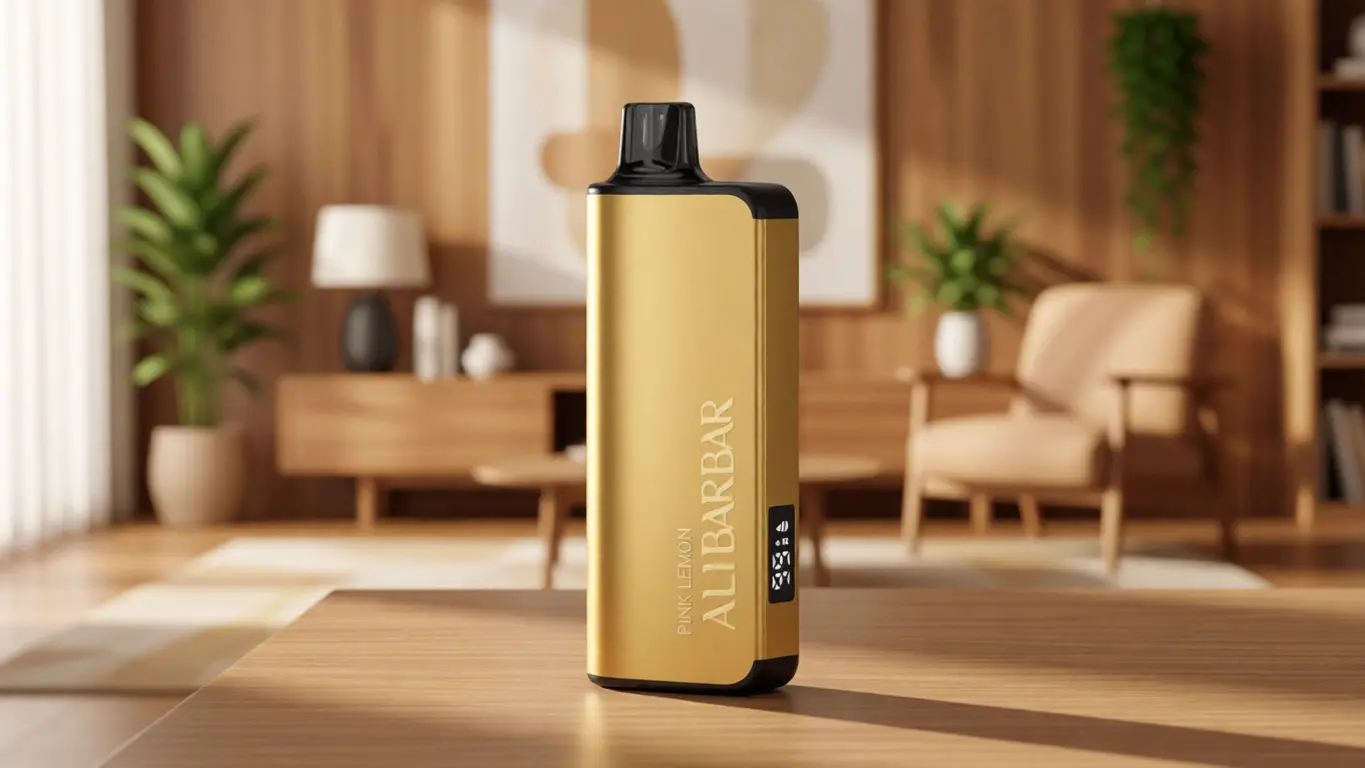
When you examine a product line through the lens of burnt‑taste prevention, the ALIBARBAR series offers a clear illustration of the design principles in action. The INGOT 15000, for instance, pairs a mesh heating element with a large‑capacity reservoir and a tightly regulated power management system. The chipset is calibrated to maintain a stable output across the entire rated life, reducing the thermal spikes that commonly occur when a battery nears depletion. The wicking medium — a structured cotton blend — is oriented to promote rapid resaturation, so that even when used in quick succession, the risk of a dry hit is materially lower than in many compact alternatives.
The INGOT 9000 applies similar engineering in a smaller format, while the Ice Adjust 12000 adds an adjustable airflow mechanism that lets the user fine‑tune draw resistance and cooling. That airflow control is more than a comfort feature; it directly affects coil temperature. A more open draw pulls additional air across the heating element, lowering its surface temperature and reducing the likelihood of localized burning. None of these devices is immune to misuse — chain‑vaping at maximum draw without pausing will strain any coil — but their baseline architecture is engineered to withstand average adult usage without a degradation in taste.
Other device families on the market often cut costs by using simple round‑wire coils, compressed silica wicking, or unregulated power circuits. The result is a product that may perform adequately for the first few hundred puffs but then begins to deliver progressively burnt hits as the coil accumulates residue and the battery output becomes erratic. The contrast underscores how much the internal components matter, even when the external form factor appears similar.
A Practical Framework for Evaluation
When you’re trying to gauge whether a device will keep its flavor clean throughout its usable life, a systematic approach is far more reliable than marketing claims. Here’s a step‑by‑step method you can apply to any device:
Ask about the heating element type. Mesh, ceramic, or dual‑coil configurations generally distribute heat more evenly than single round‑wire coils. If the manufacturer doesn’t specify, it’s often a sign that the heating architecture is a cost‑saving afterthought.
Check for power regulation. Does the device list a constant‑output chipset, or does it merely state a battery capacity? Regulated output means the power doesn’t taper as the battery drains, which is critical for late‑stage performance.
Look at wicking material and orientation. Premium cotton, ideally with a clearly described alignment (e.g., vertical wicking for gravity‑assisted saturation), tends to outperform generic materials. Avoid any device that doesn’t disclose the wick composition.
Evaluate the status feedback. Does it have a clear battery indicator? A puff‑life or e‑liquid window? If the device gives you no way to know when conditions are changing, you’ll inevitably push it into a dry‑hit scenario.
Consider modularity. For devices intended for extended use, being able to replace the pod or coil is a major advantage. If the entire unit is sealed, your only recourse for burnt taste is to dispose of it.
Inspect the materials. Hold the device, if possible. A mouthpiece that feels brittle, a seam that catches debris, or an air path that seems exposed — these are physical indicators of where taste‑degrading problems might arise.
Using this framework, you can move beyond vague marketing descriptors and make decisions grounded in how the device actually manages heat, liquid, and air.
Common Selection Errors and Industry Observations
Over years of observing user behavior and support interactions, a few patterns recur with remarkable consistency. These aren’t failures of the devices themselves, but rather decision‑making shortcuts that lead people straight into burnt‑taste frustration.
Overweighting puff count. A high puff rating may signal a large battery and reservoir, but it says nothing about how well the device maintains flavor integrity. A 15,000‑puff device with poor temperature regulation will start tasting burnt long before it runs out of power.
Assuming visual similarity equals functional equivalence. Two devices can share a nearly identical form factor yet have completely different internal architectures. One may use a mesh coil and regulated chipset; the other may use a cheap round‑wire coil and direct battery output. Without reading the specifications, you cannot tell them apart.
Ignoring the role of authenticity. Counterfeit units often replace the original heating element and wicking materials with inferior substitutes, which burn almost immediately. Authorized supply chains, like the one OZVAPE Shop maintains, are the only reliable safeguard against this particular source of burnt taste.
Treating all “disposable” devices as interchangeable. Even among sealed units, there is a wide range of engineering quality. Some are built to exacting standards with stress‑tested components; others are assembled from the lowest‑cost parts available. The difference becomes apparent only after sustained use, and by then, the purchase is already made.
From an industry perspective, the prevalence of burnt‑taste complaints reflects a broader tension between cost engineering and user experience. Many manufacturers prioritize initial impression over lifecycle consistency because the market rewards devices that are cheap to produce and visually appealing. However, a small number of brands — ALIBARBAR among them — have built their reputation by inverting that logic, designing from the inside out and letting taste stability become the differentiator.
Frequently Asked Questions
Q: Can a burnt coil be cleaned or revived?
A: Once the wicking material is charred, no cleaning method will fully restore its original flavor. You may temporarily mask the taste by thoroughly flushing the coil or pod, but the carbonized residue remains embedded. The most reliable fix is to replace the affected component or, if the device is sealed, to accept that its usable life has ended.
Q: Why does my device taste burnt right after charging?
A: This often indicates that the power regulation circuit is not clamping voltage properly. A fresh charge can deliver a slightly higher peak voltage, and if the chipset doesn’t regulate it, the coil overheats for the first few puffs. Letting the device rest for a couple of minutes after charging, and taking gentle initial draws, can help, but it’s a sign of weak power management.
Q: How long should a coil last before tasting burnt?
A: It depends entirely on the coil’s design, the wicking material, the power level, and the usage pattern. In a well‑engineered rechargeable device with moderate usage, a coil may last several days to weeks. In a high‑quality sealed device like those from the ALIBARBAR INGOT series, the coil is designed to outlast the e‑liquid supply without degradation. If you experience burnt taste significantly earlier than the device’s rated specifications suggest, it’s likely a design or authenticity issue.
Q: Does a higher VG liquid increase the chance of burnt taste?
A: Yes, because vegetable glycerin is more viscous and wicks more slowly. If a device’s wicking system isn’t designed for thicker liquids, it may fail to keep the coil saturated, leading to dry hits. Always check whether the device is rated for the e‑liquid composition you intend to use.
Q: Is chain‑vaping the main cause of burnt taste?
A: It’s a significant contributor. Rapid, successive draws don’t give the wicking material enough time to resaturate, so each subsequent puff runs over increasingly dry cotton. Over time, this scorches the wick. Devices with high‑quality wicking and larger reservoirs are more forgiving, but no device is immune to severe chain‑vaping.
Q: What’s the difference between a dry hit and a burnt hit?
A: A dry hit occurs when the wick is momentarily dry but hasn’t yet charred; it tastes harsh and hot but may disappear if you let the device rest. A burnt hit happens when the dry wick actually scorches, permanently altering the wicking material. Once you taste acrid, charred notes, the damage is usually permanent.
Q: Can a device’s airflow setting influence burnt taste?
A: Absolutely. A tighter airflow reduces the cooling effect of the incoming air, so the coil reaches higher temperatures. Opening the airflow, if your device permits it, can lower the coil temperature and reduce the chance of burning. This is one of the most underused preventative adjustments.
Q: Why do some devices taste burnt from the very first puff?
A: This almost always points to a manufacturing defect or a counterfeit product — an improperly primed wick, a coil installed with hot spots, or materials that were already degraded during assembly. Authentic devices from authorized retailers like OZVAPE Shop are far less likely to exhibit this problem because they pass through quality‑control checkpoints that counterfeit operations ignore.
Q: How can I verify that my device is authentic and not a counterfeit?
A: Look for manufacturer‑provided verification codes on the packaging that can be checked through the official brand website. Purchasing from an authorized channel, where the supply chain is documented and certified, is the most straightforward way to avoid counterfeits. OZVAPE Shop maintains factory‑certified inventory specifically to eliminate this risk for adult Australian users.
Q: Are modular devices always better for avoiding burnt taste?
A: They offer a clear advantage in recoverability: when the coil or pod in a modular device starts to taste burnt, you simply replace that component. However, a poorly designed modular system with leaky connectors or difficult coil installation can introduce its own problems. The best approach is to pair modular architecture with proven component quality and clear, foolproof installation mechanisms.
Conclusion
Burnt taste is not an inevitability; it’s a signal — one that points either to user habits that can be adjusted or, more often, to device architecture that wasn’t built for sustained flavor delivery. The difference between a device that maintains clean taste throughout its rated life and one that turns acrid after moderate use lies in the heating element, the wicking system, the power regulation, and the integrity of the materials. When you know what to look for, these are not hidden variables; they’re specifications that can be evaluated before a single draw is taken.
For adults who want to move past the cycle of disappointment and experimentation, OZVAPE Shop provides a documented, certified source for the full ALIBARBAR lineup — devices engineered from the ground up to reduce the conditions that produce burnt taste. There are no magic bullets, but there is a clear correlation between design quality and taste stability. The right device isn’t the one with the most impressive marketing claims; it’s the one whose thermal and fluid management align with your actual routine. Recognize that, and the acrid note becomes a rarity rather than a recurring frustration.