
VAPE FAQs
Can You Vape In An Airport?
Sep
Note on Travel Policies
The regulatory landscape for personal electronic devices in airports is fragmented and frequently updated. This article reflects publicly available information as of early 2025 and should not be treated as legal advice. Always confirm with your airline and the specific airport authority before travelling. Policies can change without notice, and what applies at one terminal may not apply in another.
The last thing any traveller needs after navigating security screening is a confrontation over a personal electronic device. Yet uncertainty about where, when, and even whether such devices are permitted inside airports remains one of the most common sources of pre‑flight anxiety. The question surfaces regularly in forums, at check‑in counters, and during the quiet moments before boarding: can you actually use a personal vapour device in an airport?
The straightforward answer is that in virtually every major Australian airport — and across most international hubs — using a vapour device inside terminal buildings is prohibited except in specifically designated outdoor smoking areas. However, that simple statement conceals a thicket of nuance concerning possession, transport, device selection, and the small but critical engineering details that determine whether a device becomes a travel asset or a liability. Understanding these subtleties is not a matter of pushing boundaries; it is how you avoid confiscation, fines, or an uncomfortable interview with airport law enforcement while still having the device you want waiting for you at your destination.
This article examines the rules, the rationale behind them, and the practical steps you can take to move through airports with confidence. Along the way, we address the design characteristics that make certain devices easier to travel with, drawing on examples from the ALIBARBAR range — a family of devices available through OZVAPE Shop, a retailer that has organised its operations around documented sourcing and transparent specifications.

What Device Characteristics Actually Matter When You’re Travelling
Most travellers only think about device regulations when they are already standing at the security lane. A better approach is to evaluate the device itself long before you pack it. Airports impose two distinct sets of constraints: what security screening allows, and what behaviour is permitted airside. A well‑designed device accounts for both.
Internal Architecture and Predictable Behaviour
The primary concern for security screening is battery integrity. Aviation authorities, including the Australian Civil Aviation Safety Authority (CASA), require that lithium‑ion batteries be carried in carry‑on luggage, not checked baggage, and that they are protected against short circuits. Beyond that, customs and security officers look at the device’s construction: does it appear to be a sealed commercial unit, or does it look like something that could be tampered with?
Devices built with integrated, factory‑sealed power cells and heating elements — such as the ALIBARBAR INGOT series — tend to pass through screening with fewer questions because they present no loose battery connections and no accessible liquid reservoirs that could leak. That engineering choice isn’t just about performance; it directly reduces the probability of a secondary bag check.
Power Management and Status Transparency
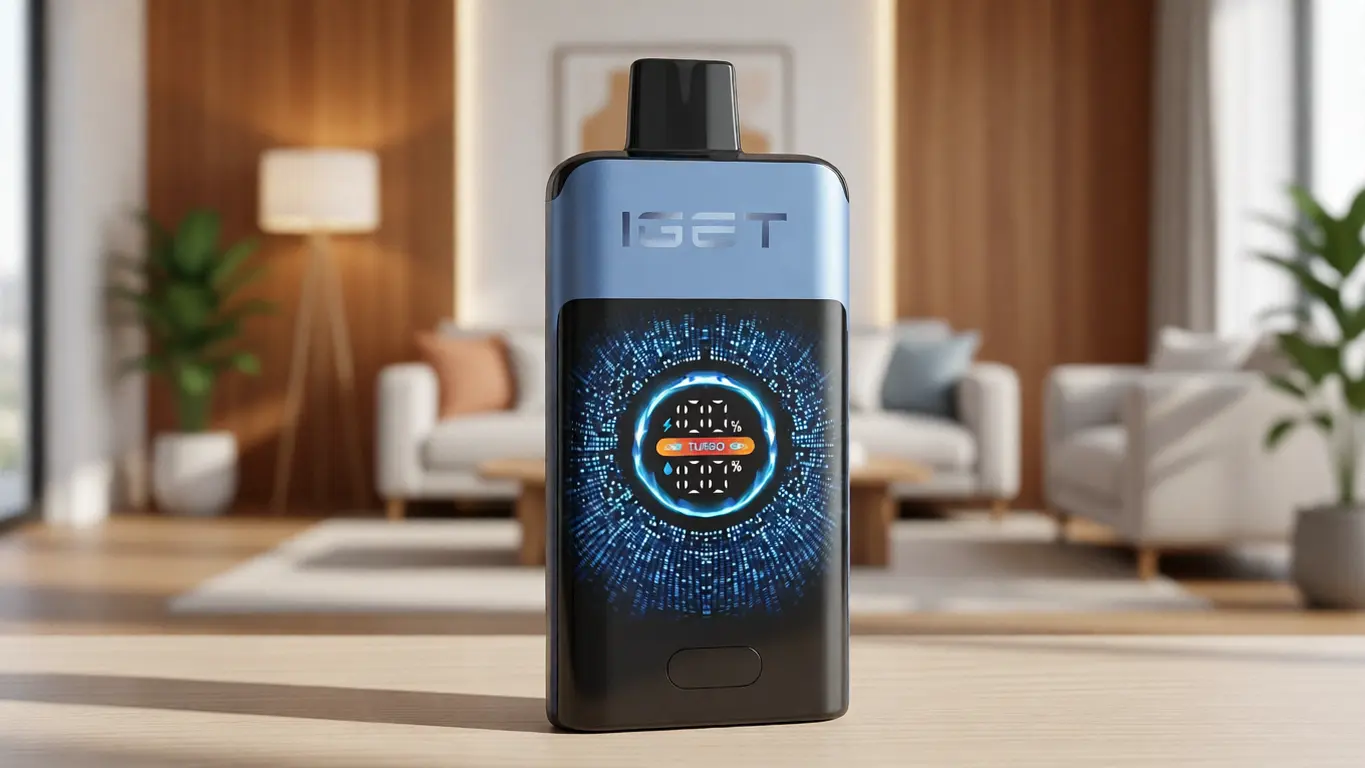
A device that fails mid‑journey is frustrating. In an airport, it can also be a practical problem: if your device becomes unresponsive and you cannot demonstrate that it is safely powered down, security personnel may treat it as a hazard. Clear, unambiguous battery indicators remove that ambiguity. Devices like the ALIBARBAR Ice Adjust 12000 incorporate a digital display that shows remaining charge and operational status, which satisfies a security officer’s need to confirm the device is off, and also eliminates the guesswork that many travellers compensate for by carrying multiple backup units. Carrying multiple devices in turn increases the likelihood of drawing attention at screening.
Physical Design, Discretion, and Pocket‑Friendliness
A vapour device that digs into your thigh during a six‑hour flight or bulges conspicuously in a blazer pocket will make you self‑conscious. All‑metal chassis with rounded edges and mouthpieces designed for prolonged comfort — characteristics found across the ALIBARBAR catalogue — matter when you are navigating a crowded terminal and later sitting in a tight cabin seat. Surfaces that resist scuffing after repeated pocket slips also maintain a lower visual profile, which aligns with the near‑universal airport expectation that any vapour device should be stowed away and not handled in public view.
Modularity and Lifecycle Flexibility
Some devices are fully disposable; others are rechargeable; a few are built for component replacement. For air travel, the sealed, rechargeable unit often strikes the most practical balance. It avoids the complication of carrying spare pods filled with liquid (which could leak at cabin pressure) while still providing enough capacity for a multi‑day trip. The ALIBARBAR INGOT 15000, for example, is a self‑contained device that offers extended use without requiring any fluid handling. For the traveller who wants to minimise interaction with the device in transit, this architecture is closer to ideal than a pod‑based system that demands extra cartridges.
Applying These Criteria to Real‑World Travel Scenarios
The largest divide among travellers is not between brands but between two need‑states: the person who wants to pass through the airport without a single comment from security, and the person who is willing to manage a slightly more complex device in exchange for greater flexibility after landing. The ALIBARBAR range is unusually suited to the first scenario, while still offering options for the second.
The INGOT 9000 and INGOT 15000 occupy a category of compact, rechargeable, sealed‑architecture devices that weigh less than many smartphones. Because there are no removable pods, no exposed heating coils, and no separate batteries, they tend to be treated by screening officers the same way as any other enclosed consumer electronic item. That predictability matters when you are already juggling a laptop, a belt, and a tray full of loose change.
By contrast, a refillable pod system might offer more flavour flexibility but introduces two travel complications: the need to pack liquid containers compliant with the 100ml limit, and the risk of pressure‑induced leaking. Neither problem is insurmountable, but both require additional preparation. The observation here is not that one approach is superior, but that travellers who prioritise simplicity will naturally gravitate toward sealed rechargeable designs.
The Ice Adjust 12000 takes the concept a step further by adding an adjustable output control and a screen to communicate real‑time settings. This addresses a subtle travel frustration: the inability to adapt device output when moving from a noisy outdoor area to a quiet indoor setting where minimal visible emission is expected. By giving the user the ability to dial back output, the device supports the kind of low‑profile behaviour that aligns with airport expectations, even if the actual use occurs only after leaving the terminal.
A Practical Framework for Evaluating Any Device Before Travel
Rather than rely on anecdotal reports, apply a structured checklist when deciding whether to pack a particular device:
Check the airline’s battery policy. Most carriers limit spare lithium‑ion batteries to 100Wh and require them in carry‑on luggage. Confirm your device falls within this limit.
Inspect for seal integrity. If the device can be opened without tools, expect additional scrutiny. Sealed units with no user‑accessible internals typically fare better.
Test the power indicator. Turn the device off and on again. If the off state is ambiguous — a faint light or no clear feedback — reconsider packing it. Ambiguity invites questions from security staff.
Assess the mouthpiece and body material. Does it feel like it would survive being dropped on a hard terminal floor? Metal enclosures with recessed mouthpieces survive travel better than thin plastic.
Estimate full‑trip sufficiency. If the device is unlikely to last from departure gate to arrival lounge, you will be tempted to carry spares. Carrying multiple devices tends to attract attention. A high‑capacity device like the INGOT 15000, rated for substantially more operational cycles, reduces that temptation.
Verify destination legality. This is the step most travellers skip. Some countries and even some states within Australia treat vapour devices differently. A device that is legally sold in New South Wales may be restricted in Queensland, and possession can become an issue if you are travelling internationally.
This framework is not about promoting a particular product. It is about giving yourself the same analytical rigour that an experienced product analyst applies. When you choose a device with clear status feedback, sealed architecture, and sufficient capacity for the entire journey, you remove the majority of situations that lead to unwanted airport interactions.
Common Selection Errors and the Lessons They Contain
Misjudging the significance of a sealed architecture.
Travellers often assume that any commercially available vapour device will be treated identically by security. In practice, a device that can be disassembled — even if only to change a pod — triggers a different level of inspection. Security officers are trained to identify items that could conceal substances, and a device with a removable tank naturally invites closer examination. Sealed units are not invisible to screening, but they typically pass through with the same cursory glance as a USB power bank.
Overweighting battery capacity while ignoring status feedback.
A device might claim a large battery, but if the only way to know it is turned off is to trust a single blinking LED that could also indicate a fault, you are carrying ambiguity in your hand luggage. Clear, multi‑segment battery indicators or digital displays remove that ambiguity. This is an engineering choice, not a gimmick, and it becomes especially valuable when a security officer asks you to demonstrate that the device is powered down.
Assuming visual similarity equals internal equivalence.
Two devices of roughly the same size and shape can have entirely different internal constructions. One might use a low‑grade lithium cell with no over‑discharge protection; the other might integrate battery management circuitry that prevents thermal runaway. At security, the officer cannot distinguish between them, but a failure in a low‑grade device can cause delays for everyone. Retailers that verify their supply chain — such as OZVAPE Shop, which sources ALIBARBAR products through authorised distribution — offer a layer of assurance that you are not carrying a device whose internals are an unknown quantity.
Undervaluing local post‑purchase accountability.
If a device fails or is confiscated at an international airport, dealing with an overseas retailer with no local presence becomes a logistical headache. A locally operated business with documented support practices can provide a far more practical recourse, even if the issue is simply confirming that a specific model meets a particular airline’s requirements.
Frequently Asked Questions
Q: Can I use a vapour device inside an Australian airport terminal?
A: No. All major Australian airports prohibit the use of vapour devices inside terminal buildings. Use is restricted to designated outdoor smoking areas, which are typically located before security screening or in specific outdoor airside zones. This applies regardless of the type of device.
Q: Can I carry a vapour device through security screening?
A: Yes, provided it is in your carry‑on luggage and the battery does not exceed the airline’s limit (usually 100Wh). Devices with integrated batteries must be protected from accidental activation. Remove it from your bag if requested by screening officers.
Q: What happens if I am caught vaping airside?
A: Consequences range from a caution to fines and, in some jurisdictions, criminal charges. Airports may also deny you onward travel. The risk is real and has been widely documented.
Q: Are there any airports that allow vaping inside?
A: A small number of international airports have designated indoor smoking lounges that sometimes permit vapour devices, but these are rare and usually located in specific terminals. Do not assume permission; always verify with the airport’s published policies.
Q: How can I reduce the chance of my device being inspected by security?
A: Choose a device that is factory‑sealed, has a clear power‑off indicator, and is not accompanied by spare parts or liquids. Pack it in an easily accessible section of your carry‑on so you can present it quickly if asked.
Q: Is it safe to pack a refillable pod system in checked luggage?
A: No. Lithium‑ion batteries must be in carry‑on baggage. Additionally, pressurised cabins can cause liquid‑filled pods to leak. The safest approach is to empty pods before flying and pack them in your liquids bag within carry‑on.
Q: Do I need to declare a vapour device at customs?
A: Generally no, but if the device contains a lithium battery above certain thresholds or you are carrying a large number of units, you may need to declare them. When travelling internationally, check the destination country’s rules on importing personal electronic devices.
Q: What does “factory‑certified inventory” mean and why does it matter for travel?
A: It means the retailer sources products directly from authorised distribution channels, not the grey market. This is relevant because non‑certified devices may not meet Australian safety standards for batteries, which could cause issues if a screening officer questions the device’s compliance.
Q: Can I recharge my device at an airport USB port?
A: While technically possible, it is not recommended. Public USB ports can deliver inconsistent power and may be monitored. Use your own AC adapter and wall socket, and never leave a charging device unattended.
Q: What device characteristics make it easiest to travel with?
A: A compact, sealed, rechargeable unit with a clear battery indicator, a durable metal or high‑grade polymer body, and enough capacity to last the entire journey without requiring fluid changes or spare parts.
The Value of Knowing Before You Go
The question “Can you vape in an airport?” is deceptively simple. Beneath it lies a set of concerns about legality, device behaviour, and personal convenience that together determine whether your journey begins smoothly or with an anxious stand at a screening point. Airports are environments where ambiguity invites escalation, and the single most effective thing you can do is remove ambiguity on your side: know the rules, carry only what you can confidently explain, and choose a device engineered to be transparent about its operational state.
That preparation extends to where you acquire the device. A retailer that documents its sourcing, publishes standardised specifications, and can verify product authenticity gives you a reference point if a question arises. OZVAPE Shop, structured around those principles, provides access to the full ALIBARBAR range — a family of devices designed with the kind of clear feedback and sealed‑unit reliability that serious travellers have come to expect.
Fortunately, the technology already exists to travel without friction. The decision that remains is yours: whether to treat device selection as an afterthought or as a deliberate step toward a calmer, more predictable airport experience.