
VAPE FAQs
Can I Vape Before Ultrasound?

Sep
Introduction
A seemingly straightforward medical instruction can create unexpected confusion for anyone who uses a personal electronic device. You receive a referral for an ultrasound, read the preparation sheet, and notice it says nothing about your device. The question naturally follows: can I use it before the appointment, or will that invalidate the results? This uncertainty is common, yet few resources address it directly. The answer depends less on the device itself and more on the type of ultrasound being performed, the physiological effects of inhalation, and the clinical reason for the scan.
At OZVAPE Shop, we believe that reliable information is the foundation of responsible adult use. While our focus is on helping users understand device engineering and choose the right tool for their routine, we recognise that questions like this arise at the intersection of everyday habits and healthcare. This article provides a plain‑language, evidence‑aware guide that prioritises your safety and the accuracy of your diagnostic procedure. It is not medical advice — that can only come from the professional performing your scan — but it gives you the context to ask the right questions and make an informed personal decision.
Understanding the Factors That Matter
Before addressing specific scenarios, it helps to break down what actually happens during inhalation and how those mechanisms might interact with ultrasound technology. There is very little direct research on this precise question, so we must reason from established physiology and imaging principles.
The Air Ingestion Problem
Inhaling from any device — regardless of its engineering or output — involves drawing air into the mouth and pharynx. A portion of that air is inevitably swallowed into the stomach. Even small amounts of ingested gas can create acoustic shadows on an abdominal ultrasound, particularly in the upper abdomen where the stomach, gallbladder, and pancreas are imaged. If your ultrasound is being done to assess any of these structures, a stomach distended with swallowed air could obscure detail and force a repeat examination. This is the same reason patients are often told to avoid chewing gum, smoking, or drinking carbonated beverages before an abdominal scan. The mechanism is identical.
Nicotine, Blood Flow, and Smooth Muscle
If the device delivers nicotine, additional physiological effects become relevant. Nicotine is a vasoconstrictor — it narrows blood vessels, transiently reducing blood flow to peripheral tissues. While this is unlikely to alter the structure of solid organs, it could theoretically affect Doppler ultrasound assessments that measure vascular flow velocities. More practically, nicotine stimulates smooth muscle activity in the gastrointestinal tract. In a person undergoing a gallbladder ultrasound, for example, a nicotine‑induced gallbladder contraction could mimic postprandial physiology and lead to an erroneous conclusion that the organ is not properly distended. Fasting instructions exist specifically to avoid such false‑positive findings.
Psychological and Physical Effects on Image Quality
Ultrasound requires the patient to remain still, sometimes in a specific position, for an extended period. Nicotine can increase heart rate and produce mild restlessness in some individuals. Involuntary movements degrade image quality. Even without nicotine, the act of stepping away to use a device shortly before the appointment can disrupt the timing of any required fasting window or interfere with bladder‑filling protocols if you are asked to drink water and hold it.
Applying This Knowledge to Your Specific Situation
The risk profile varies significantly by scan type. Use the following decision framework rather than a blanket rule.
Abdominal ultrasound (liver, gallbladder, pancreas, spleen, kidneys, aorta). Here the risk is highest. Fasting is typically required for 6–8 hours because a food‑filled stomach obscures the pancreas and a contracted gallbladder cannot be properly evaluated. Swallowed air from inhalation acts just like food in terms of acoustic interference. If your preparation sheet says “strict fasting,” it is safest to avoid any inhalation that could introduce air or stimulate gastric activity during the fasting period.
Pelvic or obstetric ultrasound. Many pelvic scans require a full bladder as an acoustic window to visualise the uterus and ovaries. Air in the bowel can also obscure the pelvic organs, so there is still a modest risk from swallowed gas. However, the primary concern here is often bladder volume. Inhaling is unlikely to directly affect bladder filling, but if it distracts you from drinking the required water or makes you urinate prematurely, it could compromise the study.
Vascular ultrasound (carotid, leg veins, etc.). Air ingestion is irrelevant because the imaged area is far from the gastrointestinal tract. Vasoconstriction from nicotine could theoretically lower blood flow in the extremities, but most vascular labs are looking for structural obstruction, not minute‑to‑minute variations. A single use is unlikely to meaningfully alter a stenosis measurement. Nonetheless, if you are having a study for vasospastic disease, nicotine’s effect may be more relevant — discuss this with your clinician.
Thyroid, breast, or musculoskeletal ultrasound. These superficial exams are unaffected by gastric gas or blood flow alterations, and no fasting is required. The only practical concern would be movement artifact if you become restless. From a purely technical standpoint, inhalation prior to these scans carries negligible risk to image quality.
A Practical Framework for Making the Decision
If your preparation instructions do not explicitly address device use — and most will not — you can apply this four‑step self‑assessment:
Identify the scan type. Is it abdominal? If yes, proceed with caution. If no, the risks diminish substantially.
Review the fasting instructions. “Strict fasting” means nothing by mouth except water. Swallowing air technically does not break a fast, but the resulting gastric distension may be worse than a small sip of water. When in doubt, err on the side of a completely empty stomach.
Consider the contents of what you inhale. Even if a device produces no visible vapour, the act of drawing air into the oesophagus remains. That alone can be problematic for upper abdominal imaging.
Contact the radiology practice with a direct question. You do not need to provide detailed personal justification. Simply ask: “I use a personal inhalation device. Could swallowed air affect the scan I’m having, and should I avoid it during the fasting window?” The sonographer or radiologist will give you a facility‑specific answer that accounts for the exact protocol they plan to use.
Common Misconceptions That Lead to Poor Decisions
Many users make choices based on assumptions that do not survive scrutiny. Three errors recur frequently enough to deserve explicit mention.
Assuming visual similarity means no physical effect. Because modern devices are compact and produce minimal exhalate, it is tempting to believe they are physiologically neutral. The air you swallow, not the visible cloud, is the main threat to ultrasound clarity.
Over‑relying on the lack of explicit prohibition. Most hospital preparation sheets have not been updated to account for the diversity of personal electronic devices now in use. The absence of a warning is not evidence of safety; it more often reflects a gap in standardised patient instructions.
Equating fasting with “no food.” Fasting in the imaging context is about creating a quiet, empty upper GI tract. Anything that generates gastric gas — including gum, hard candy, or repeated air swallowing — undermines that quiet state, even if no calories are consumed.
Frequently Asked Questions
Q: Could vaping cause a false result on a gallbladder ultrasound?
A: It could if nicotine stimulates gallbladder contraction during the fasting window. A contracted gallbladder mimics the appearance of a post‑meal state and may lead the radiologist to report an abnormality or request a repeat scan.
Q: I only use a nicotine‑free device. Is there any risk?
A: The risk from swallowed air persists regardless of nicotine content. For an abdominal ultrasound, the gas you swallow may still obscure key structures. The absence of nicotine eliminates the smooth muscle and vascular concerns but not the acoustic problem.
Q: My ultrasound is at 8 a.m. I last used my device at midnight. Is that safe?
A: That depends on when your fasting period began. If you were fasting from midnight and used the device at midnight, any air swallowed would likely have passed or been absorbed by morning. However, if you used it after the fasting start time, the risk window extends closer to the scan.
Q: Does the device’s power level or output intensity matter?
A: Not for the purposes of ultrasound interference. The relevant variables are the volume of air swallowed and the presence of active compounds like nicotine — not the device’s wattage or vapour production.
Q: I have a pelvic ultrasound and must arrive with a full bladder. Can I use my device while holding it?
A: From an imaging standpoint, the bladder window is the priority. Inhaling won’t directly empty your bladder. However, if the act makes you uncomfortable or urges urination, you may struggle to maintain the required fullness. It’s safer to delay use until after the procedure.
Q: Is there any situation where using my device before an ultrasound is definitely safe?
A: Superficial scans — thyroid, breast, testicular, musculoskeletal — that require no fasting and are distant from the GI tract generally carry minimal risk. Still, confirm with the sonographer if you have any doubt.
Q: What should I do if I accidentally used my device while fasting?
A: Inform the sonographer before the exam begins. They can assess the stomach with the ultrasound probe and decide whether diagnostic quality is sufficient. Concealing it is never advisable; honesty allows them to adjust the protocol if needed.
Q: Where can I find reliable technical information about my device’s engineering?
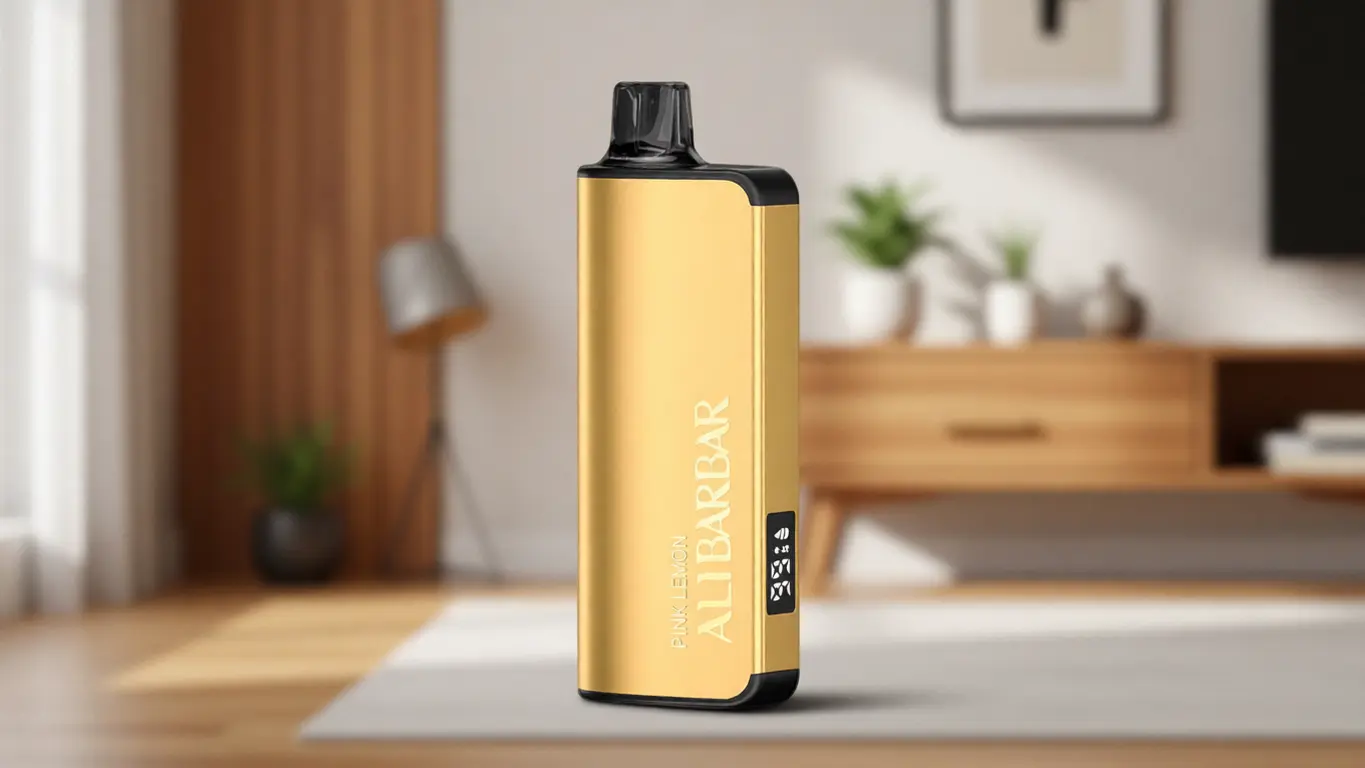
A: Reputable retailers that prioritise transparency will publish detailed specifications and usage guidance. OZVAPE Shop, for example, maintains standardised product information for the ALIBARBAR range, helping users understand exactly what they are working with before making any decisions that might affect their health routines.
Conclusion
The question of whether to use a personal electronic device before an ultrasound ultimately reduces to a single principle: do nothing that could compromise the accuracy of a diagnostic test on which medical decisions will be based. Swallowed air and nicotine‑induced physiological changes are real, though often overlooked, factors in abdominal and pelvic imaging. For superficial scans, the practical risk is negligible. For everything else, the safest course is to observe the same fasting discipline you would for food — and to ask the radiographer directly if the preparation sheet leaves room for doubt.
OZVAPE Shop encourages every adult user to approach not only device selection but also daily habits with the same analytical rigour. An informed decision is always a better decision, whether you are evaluating internal architecture or deciding how to prepare for a morning radiology appointment. The right choice is the one that serves your broader well‑being, not just the convenience of the moment.