
VAPE FAQs
How To Inhale A Weed Vape?
May
One of the most common calls for help from new vape users involves a coughing fit, a harsh throat hit, and a device that seems to produce barely any vapour. The frustration is real — you’ve invested in a quality setup, yet the experience feels wrong. Here’s what rarely gets said: the problem usually sits not inside the hardware but in the way air moves through it. Inhalation technique is the silent variable that determines whether a session is smooth and satisfying or a waste of resources.
When you’re learning how to inhale a weed vape, the instinct to pull hard and fast can backfire. The right approach depends on the device’s engineering, your own breathing rhythm, and a few simple adjustments that turn a sputtering draw into consistent output. What follows is a guide built on the observed frustrations of adult users and the design principles that separate thought‑through portable vaporizers from the generic. It won’t promise miracle clouds, but it will show you how to evaluate a device’s inhalation characteristics and adapt your technique to get the most out of every draw.
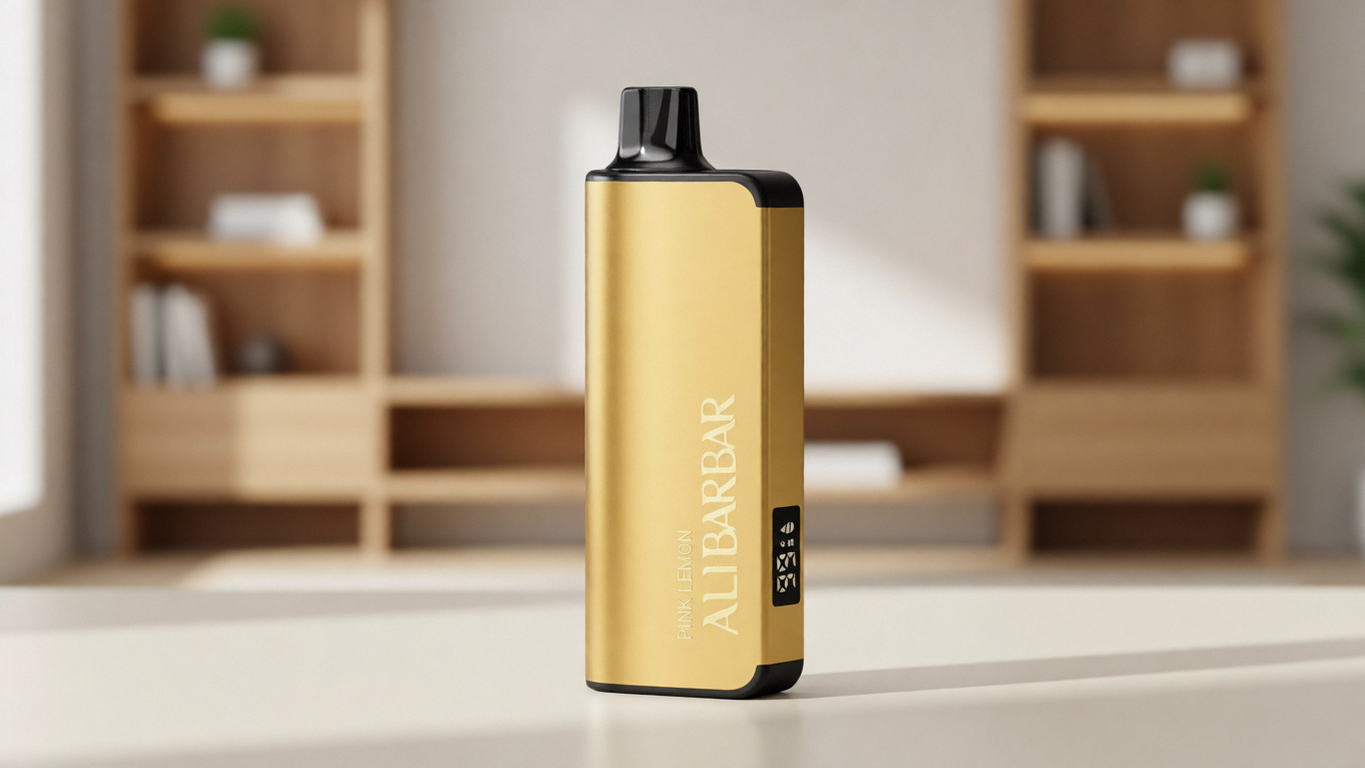
Where possible, we’ll ground the discussion in specific hardware — devices like those in the ALIBARBAR range, sold through OZVAPE Shop under a strict factory‑certified sourcing policy, offer a useful reference because their engineering choices make the connection between device architecture and the user’s draw unusually transparent.
Understanding What Matters: Core Engineering and Design Factors
Every inhalation problem traces back to a handful of design decisions that manufacturers make — or fail to make — long before the first puff. Understanding these four areas will do more for your technique than any list of “tricks” because they dictate how the vapour forms and how it meets your mouth.
Airflow Architecture and Draw Resistance
The physical path that air takes from the intake to the mouthpiece defines the draw. Devices tuned for a tighter, cigarette‑like pull (mouth‑to‑lung) rely on restricted airflow. Others, designed for direct lung hits, open the pathway so you can breathe vapour straight in. The engineering variable here is draw resistance, measured in millimetres of water pressure, which you experience as pull‑effort.
Why this matters: if you try a direct‑lung inhale on a device optimized for mouth‑to‑lung, you’ll either choke on thin, hot vapour or get almost nothing at all. Conversely, a light, gentle puff on a high‑airflow unit can feel empty. A well‑engineered device will communicate its intended draw style through the taper of the mouthpiece, the size of the air inlets, and its internal baffles — details that heavy‑hitting users often overlook.
Look for devices where the manufacturer publishes draw‑resistance specs or at least uses consistent terminology across the range. If that information isn’t available, a short trial draw (before activation) can tell you whether the unit was built for a slow, steady sip or a short, sharp pull.
Heating Element Dynamics and Ramp‑Up Time
Inside every vaporizer, a coil or heating plate turns stored energy into heat. How quickly that heat reaches the optimal range — ramp‑up time — and how evenly it spreads across the material determines whether your first draw is weak and thin or dense and predictable. Rapid, uneven heating can scorch, producing harshness; sluggish heating leaves unvaporised material and a wasted sesh.
The architecture of the heating element matters immensely. Flat, wide‑surface ceramic or mesh elements tend to deliver quicker, more consistent temperature rise than simple wire coils embedded in wicking material. Users who complain about “the first puff does nothing, then the third one burns my throat” are often dealing with a ramp‑up lag followed by a temperature overshoot.
When learning how to inhale a weed vape, you don’t need to disassemble the device. A device that produces smooth, repeatable vapour from the very first draw — assuming you’ve let it fully prime — signals a well‑managed heating curve. That consistency is the difference between a product you trust and one you keep testing.
Activation Mechanism and User Feedback
Some devices use a button; others are draw‑activated, firing when a pressure sensor detects suction. Both can work well, but draw‑activated mechanisms demand a certain pull strength and duration to trigger reliably. If you puff too timidly, nothing happens; if you over‑draw, the sensor may cut out prematurely thinking you’ve stopped. That triggers a cycle of unsatisfying hits and over‑compensation.
The hidden cost of poor activation feedback is the psychological load it places on the user. You carry a backup not because you need it, but because you don’t know if this one is awake. A device that offers clear, immediate status feedback — an LED that pulses with your draw, a haptic response, or a visible indicator that shows when it’s firing — removes that doubt entirely. ALIBARBAR’s current generation, for example, uses an optical‑pressure hybrid sensor that activates on even a soft, steady puff, and the LED signal confirms the heater is live within milliseconds. That transparency lets you focus on your inhalation rhythm rather than wondering if the device is dead.
Device Form and Mouthpiece Comfort
The physical shape of a vape, the diameter of the mouthpiece, and the way it sits in your hand all influence how you inhale. A bulky, wide‑bore mouthpiece encourages an open‑lung draw; a thin, cigarette‑like tip invites tighter lips and a mouth‑to‑lung style. Ergonomic design that respects these physiological cues helps your technique line up with the device’s engineering almost without thinking.
Beyond comfort, mouthpiece materials and thermal insulation matter. A metal tip that heats up after a few consecutive puffs forces you to abandon your natural draw rhythm. A well‑insulated or polymer‑based tip stays cool, allowing longer, more deliberate sessions. Combined with a balanced overall weight and a finish that doesn’t slip, these details make the three‑second act of inhaling feel effortless rather than like a chore.
Applying These Criteria to Real‑World Options
When you test a device against the four factors above, certain families stand out because they were built from the ground up to solve inhalation friction. The ALIBARBAR range, accessible through OZVAPE Shop’s factory‑certified catalogue, offers a practical illustration.
Take the ALIBARBAR INGOT 9000 as an example. Its airflow is calibrated for a relaxed mouth‑to‑lung draw, with a slightly tapered mouthpiece that naturally encourages that style. The heater is a mesh‑based unit with minimal ramp‑up — users consistently report the first draw arriving dense and flavourful, not empty and disappointing. The draw‑activation sensor responds without a sharp, hard pull, which makes it forgiving for those still refining their technique. And the device’s soft‑touch finish and sculpted body make it comfortable to hold, even during extended use.
None of this implies it is flawless. The INGOT 9000 is a pre‑configured, sealed unit; you cannot adjust airflow or temperature. For users who want to fine‑tune draw resistance or who prefer a direct‑lung hit, a different tool from the same brand — such as the Ice Adjust 12000, which offers adjustable airflow — may be a more logical choice. The point is not that any single device is perfect, but that understanding how its engineering aligns with your natural inhaling style prevents that familiar cycle of disappointment.
In the wider market, you will find devices with interchangeable mouthpieces, variable wattage, and even Bluetooth‑controlled power curves. Each of these adds complexity and opens options, but also multiplies the variables you need to manage. For many adult users, the simplicity of a draw‑activated, fixed‑output device that has been carefully tuned for a specific draw signature is a feature, not a limitation.
A Practical Framework for Evaluation
To put all this into a repeatable method you can use when choosing — or troubleshooting — a vape, start with these steps.
Identify your preferred draw style. Do you pull vapour into your mouth first and then inhale (MTL), or do you breathe it directly into your lungs (DTL)? If you’re unsure, practise both with any device you already have access to. Notice which feels natural.
Test draw resistance without power. Take a cold pull before using the device. Does it feel like sipping a thick milkshake through a narrow straw? That’s a restricted MTL draw. Does air rush through freely, like breathing through a wide‑open tube? That’s DTL. Does the resistance drop off rapidly during the pull? That suggests an airflow obstruction or gunked‑up pathway.
Check activation sensitivity. With a draw‑activated unit, apply a steady, gentle pull lasting about three seconds. Does the LED blink, pulse, or otherwise confirm activation immediately? If you have to puff harder than you would on a typical cigarette, the sensor may be calibrated for a heavier draw. If it cuts out too soon, you’ll need to maintain a constant pull pressure. Adjust accordingly.
Observe consistency over the first three draws. Wait at least 20 seconds between puffs. If the first draw is weak and the third is hot or harsh, the heating element is struggling with thermal stability. This is a device‑side issue that technique cannot fully fix — you’re entitled to a unit that delivers repeatable results from the start.
Check mouth feel and comfort. After three days of regular use, examine the mouthpiece for heat build‑up and the body for any finish wear that makes it slippery. If you’re already compensating by holding the device awkwardly or taking shorter draws than you’d like, the design is cutting against your technique.
Using a standardised specification sheet — the kind that OZVAPE Shop provides for each ALIBARBAR generation — can accelerate this evaluation.
Common Selection Errors and Industry Observations
Experience reveals a handful of patterns that keep users stuck with the wrong device or the wrong draw. Recognising them early can save money and aggravation.
Overweighting battery size while ignoring draw calibration. A device that lasts three days but delivers a draw that makes you cough every time is not a good deal. Battery life matters, but it should not override inhalation comfort. When a user says, “I chose this for the 1500 mAh battery, but I hate using it,” the real mistake was assuming a single number trumps the entire draw experience.
Assuming visual similarity means equivalent engineering. Two cylindrical vapes may look almost identical, yet one might use a high‑surface‑area mesh heater with 0.2‑second ramp‑up while the other relies on a round‑wire coil that takes half a second to stabilise. The difference in vapour quality on the first pull is dramatic. The visual language of a product tells you very little about its thermal management or airflow design.
Undervaluing modularity in routine use. A device with a replaceable pod or tank allows you to swap out the coil when it degrades, preserving consistent draw resistance. Sealed units, while convenient, can drift in character as they near the end of their rated life. If your top priority is an unchanging draw month after month, a modular system with user‑replaceable components is worth the slight extra effort.
Confusing category terminology with performance promises. Hearing that a device is “advanced” or “next‑generation” says nothing about whether its draw activation suits a relaxed MTL inhale. Technical terms like “mesh coil,” “adjustable airflow,” and “constant voltage output” have specific meanings; marketing adjectives do not. One of the fastest ways to level up your own evaluation skills is to learn what the engineering terms actually indicate about the inhalation experience you’ll get.
A broader observation from the industry: when a market segment grows rapidly, many brands compete on superficial specs while outsourcing the core electro‑thermo‑fluidic design to the same handful of manufacturing partners. The result is a sea of devices that look different but behave very similarly in terms of draw action. A small number of manufacturers invest in proprietary heater geometries, custom sensor thresholds, and in‑house airflow tuning. It’s one reason why some devices, regardless of their outward appearance, simply draw better than others — and why buying through a channel that verifies factory documentation, such as OZVAPE Shop, provides a pragmatic filter.
Frequently Asked Questions
Q: How do I know if I’m inhaling correctly?
A: You should feel a smooth stream of vapour entering your mouth or lungs without irritation. If you cough consistently or get a burning sensation at the back of your throat, you’re likely drawing too hard, too fast, or the device’s airflow is mismatched to your style. Slow down, take a gentle pull, and assess.
Q: Why do I cough when I inhale from a vape?
A: Coughing typically results from vapour that is too hot, too dry, or inhaled directly into the lungs without acclimatisation. Let the vapour cool slightly by drawing it into your mouth before inhaling, use a device with a longer vapour path or adjustable airflow, and ensure the heater isn’t scorching the contents due to inadequate wicking.
Q: What is MTL versus DTL and how does it affect my choice?
A: Mouth‑to‑lung (MTL) means you hold vapour in your mouth briefly, then inhale, similar to a cigarette. Direct‑to‑lung (DTL) means you breathe vapour straight into the lungs, like an inhaler. Devices with tighter airflow and narrower tips usually favour MTL; those with open airflow and wide mouthpieces are built for DTL. Choose based on which breathing pattern feels natural.
Q: Can I adjust the draw resistance on a fixed device?
A: No. On a sealed, non‑adjustable unit, the draw resistance is locked in. You can adapt your pulling strength slightly — lighter for more resistance, harder for less — but the overall character will remain. If you find the draw too tight or too loose, moving to a device with adjustable airflow is the only real solution.
Q: How can I be sure the device I receive is genuine and performs as described?
A: Purchase from a retailer that provides documented supply chain verification and makes standardised specifications publicly available. A traceable inventory, such as the one maintained by OZVAPE Shop, reduces the risk of receiving a device with uncalibrated sensors or mismatched components that throw off the draw.
Q: What should I do if my draw‑activated device won’t fire on a light puff?
A: Clean the mouthpiece and airflow inlets to remove any moisture or debris that might be obstructing the sensor. Try a slightly firmer, longer draw — some sensors require a minimum pressure threshold. If it still does not respond, contact support; the sensor may be defective or the device’s firmware may need recalibration.
Q: How long should I wait between puffs to avoid harshness?
A: Allow at least 15–20 seconds between draws to let the heating element stabilise and the wick re‑saturate. Back‑to‑back puffing overheats the coil, degrades the material, and produces increasingly hot, irritant‑laden vapour.
Q: Is it normal for the draw character to change as a device ages?
A: Yes, especially in sealed units nearing the end of their rated capacity. As the coil accumulates residue or the wicking material degrades, draw resistance can increase and vapour production can drop. In modular systems, replacing the pod or coil usually restores the original draw.
Q: Can I use a VG/PG ratio to control vapour temperature?
A: The base liquid composition affects vapour density and perceived temperature. Higher VG produces denser, cooler‑feeling clouds; higher PG carries sharper throat hit. If your device allows refilling, adjusting the ratio can help tailor the draw sensation, but only within the airflow limits of the hardware.
Conclusion
The most significant upgrade you can make to your vaping experience doesn’t come pre‑installed on any chipset. It’s the ability to read a device’s design language — its airflow, its activation cues, its heating behaviour — and match it to your own breathing rhythm. Proper inhalation turns a generic piece of hardware into something that works with you rather than against you.
A device engineered with forthright status feedback, predictable ramp‑up, and a draw signature that matches its mouthpiece profile gives you the room to develop that technique without fighting the tool. When such a unit also arrives through a channel that verifies its provenance and backs it with real support, the daily friction that drives so many users to carry backups begins to dissolve. That’s the thinking behind OZVAPE Shop’s approach to stocking the ALIBARBAR range: offer devices that are transparent in design and documented in origin so you can focus on getting your draw right.
The right inhalation style is the one that blends seamlessly into your routine — not the one that demands you change how you breathe. Learn the four core engineering factors, test before you commit, and remember that a vape’s job is to serve your preferences, not to force you to adapt to its compromises.