
VAPE FAQs
How To Inhale A Vape Correctly?
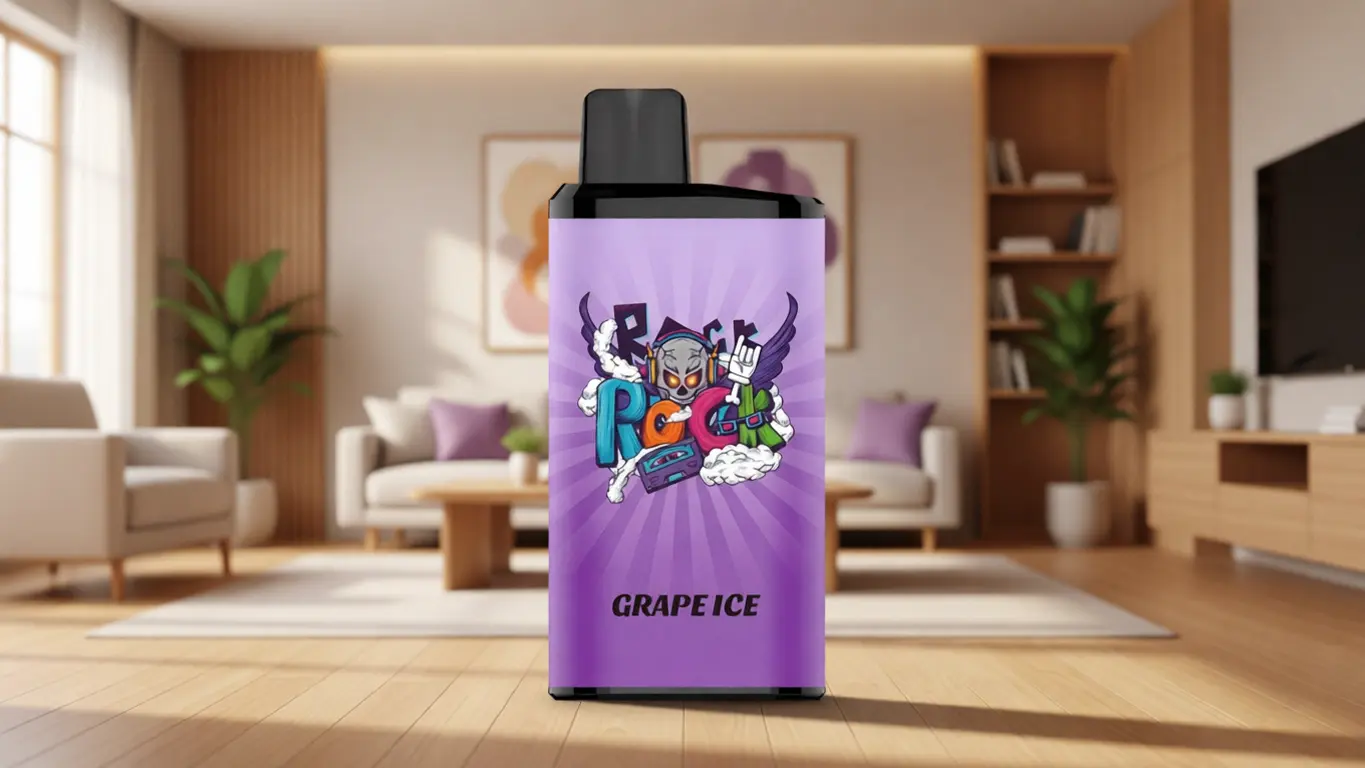
Oct
If you have recently acquired a portable electronic device and found the experience underwhelming—thin output, no sensation, or persistent coughing—you are not alone. The vast majority of satisfaction issues reported by new users stem not from device defects but from a fundamental mismatch between inhalation technique and the device’s designed airflow architecture. An adult user can purchase a meticulously engineered unit, yet if the draw method does not align with the internal heating configuration, the result will consistently disappoint.
Understanding how to inhale correctly transforms the experience from frustrating to predictable. This article explains the mechanical principles behind different inhalation methods, provides a step-by-step technique framework, and addresses the specific choices available at OZVAPE Shop that accommodate different breathing patterns and preferences.
The Two Core Inhalation Methods: Understanding the Distinction
Before examining technique, it is essential to recognise that portable electronic devices are designed around two fundamentally different airflow and heating chamber configurations. Each demands a distinct inhalation approach.
Direct-to-Lung (DTL) Configuration
In devices designed for direct-to-lung intake, the heating element is paired with a relatively open airflow channel. The user draws air directly into the lungs in one continuous, moderate-to-deep pull. This method produces larger vapour volumes, requires less suction resistance, and is common in devices with higher power output and larger internal chambers.
The technique: Draw steadily for three to five seconds, allowing air to pass over the heating component and flow directly into the lungs. Hold for a brief interval—typically one to two seconds—before exhaling.
When it works best: For users who prefer noticeable sensation and are comfortable with a more deliberate inhalation rhythm.
Mouth-to-Lung (MTL) Configuration
Mouth-to-lung devices simulate the draw resistance of a conventional filtered product. The user first draws vapour into the mouth, holds it there briefly, then inhales into the lungs. This method requires more suction effort and produces a more concentrated, warmer output.
The technique:
Draw phase: Gently seal lips around the mouthpiece and pull vapour into the mouth over two to three seconds. Do not inhale directly into the lungs at this stage.
Pause: Hold the vapour in the mouth for one to two seconds. This allows the temperature to moderate slightly.
Inhale: Open the mouth slightly and breathe in the vapour with a fresh lungful of air.
Exhale: After two to three seconds, exhale calmly.
When it works best: For users transitioning from traditional products, those who prefer smaller vapour volumes, or anyone using a device with restricted airflow.
Step-by-Step Guide to Correct Inhalation
Regardless of device type, the following framework applies to achieving consistent, comfortable draws.
Step 1: Confirm Device Readiness
Before the first inhalation, confirm that the device has been properly activated according to its specific instructions. Many modern units feature an automatic draw sensor—simply pulling air triggers the heating element—while others require a manual activation switch.
If the device has an indicator light, ensure it illuminates when you begin drawing. If it does not, the device may require additional activation steps, or the power source may be depleted.
Step 2: Establish a Gentle Seal
Place the mouthpiece between the lips, not between the teeth. A full seal prevents air leakage, which dilutes the heated output. The lips should be relaxed but firm enough to create a consistent seal around the mouthpiece contour.
Step 3: Match Draw Speed to Airflow Resistance
This is the most frequently misapplied variable.
For open-draw (DTL) devices: A moderate, steady draw akin to sipping through a wide straw. The draw should feel effortless. If you hear a whistling sound or feel excessive resistance, you are pulling too hard.
For restricted-draw (MTL) devices: A firmer, more deliberate draw resembling sipping a thick milkshake through a narrow straw. The suction should feel noticeable but not strained.
Step 4: Monitor Your Comfort Cues
The first draw should always be a trial. Take a short, two-second pull. Observe the sensation in the throat. If there is immediate irritation, allow more time between draws—thirty seconds is a reasonable starting interval—and consider that the device may be delivering more than anticipated.
Step 5: Empty the Lungs Before Each Draw
A common error is attempting to draw while the lungs still hold residual air from the previous exhalation. Exhale fully before each inhalation to ensure the fresh draw fills the lungs completely, producing a more satisfying and consistent experience.
Common Inhalation Errors and How to Correct Them
Error 1: Overpowering the Draw
What happens: The user pulls too hard, exceeding the heating element’s capacity to vaporise the substrate effectively. The result is a hot, thin, or entirely absent output.
The fix: Reduce draw speed. Think of drawing vapour, not inhaling it. If you hear gurgling or feel liquid in the mouth, you are pulling too aggressively.
Error 2: Insufficient Draw Duration
What happens: A short, shallow pull of less than one second may not provide enough time for the heating element to reach optimal operating temperature. The output is weak and unsatisfying.
The fix: Commit to a minimum two-second draw for MTL devices and three seconds for DTL devices.
Error 3: Holding the Breath Too Long
What happens: Prolonged breath holding—beyond three to four seconds—does not increase absorption and may cause throat irritation as the vapour becomes drier.
The fix: Exhale within two to three seconds of completing the inhalation.
Error 4: Ignoring Device Status Feedback
What happens: A user continues drawing on a device whose indicator signals low power or an activated auto-shutoff, leading to no output and frustration.
The fix: Pay attention to the device’s status indications. If ALIBARBAR devices, available through OZVAPE Shop, are designed with clear LED feedback; a blinking or red light indicates the device requires attention before the next draw.
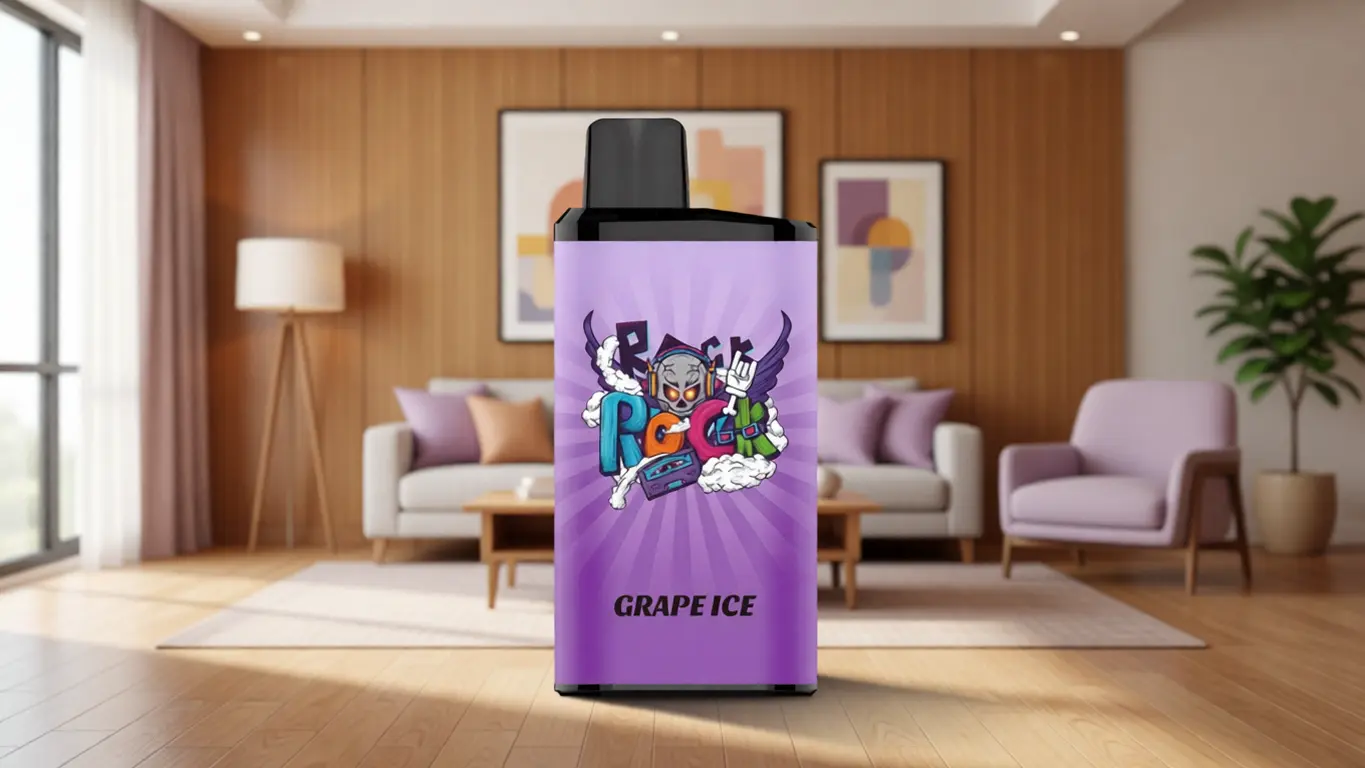
Device Architecture Considerations for Inhalation Technique
The internal design of a device directly influences how a user should inhale. Devices with mesh-style heating elements, for example, heat more evenly and respond well to consistent draw speeds. Devices with single-coil configurations may require a slightly longer pause between draws to allow the heating element to stabilise.
At OZVAPE Shop, the ALIBARBAR product range offers multiple architectures:
INGOT series: Configured for an MTL draw with calibrated airflow resistance suited to a deliberate, paced inhalation rhythm.
Ice Adjust series: Allows the user to modify the airflow, enabling a transition between MTL and a more open draw depending on preference.
This modular engineering means that a single device can accommodate different technique preferences, provided the user understands how to adjust the airflow setting and match their draw speed accordingly.
Frequently Asked Questions
Q: Why do I feel no sensation when I inhale?
A: You may be drawing too slowly or with insufficient duration for the device’s airflow configuration. Ensure you are matching the draw speed to the internal resistance. If the device indicates normal operation and the problem persists, try a firmer or longer draw—between three and five seconds—and confirm the device is adequately prepared according to its instructions.
Q: Why do I cough immediately after inhaling?
A: Coughing typically results from drawing too hard, too fast, or taking overly deep inhalations. Reduce draw speed, shorten the inhalation duration to two seconds, and allow a longer interval between draws—at least thirty seconds—to let the heating element stabilise. If coughing continues, consider a device with a more restricted airflow that delivers a cooler output.
Q: Do I need to hold the vapour in my lungs for a long time?
A: No. Holding vapour in the lungs beyond two to three seconds does not increase satisfaction. Exhale naturally after a brief pause.
Q: How do I know if I am using a DTL or MTL technique?
A: Check the device’s specified airflow configuration. If the device is described as having an open or adjustable airflow, a DTL draw is appropriate. If the device emphasises draw resistance or restricted airflow, an MTL technique will produce better results. The ALIBARBAR series, available at OZVAPE Shop, clearly documents its draw type for each model.
Q: Can I switch between DTL and MTL on the same device?
A: Only if the device has an adjustable airflow mechanism. Devices like the ALIBARBAR Ice Adjust series allow this. If the device has a fixed airflow, you must match your technique to its designed configuration.
Q: What is the ideal draw duration for a first-time user?
A: Begin with a two-second draw. Observe the output volume and sensation. If the result is too weak, extend by one second on the next draw. If it is too intense, reduce the duration or switch to a device with higher resistance.
Q: Why does my device make a gurgling sound?
A: Gurgling typically indicates that liquid has entered the central airway, often due to an overly aggressive draw or the device being stored on its side. Pause drawing, gently tap the device upright, and allow a minute for excess liquid to settle. Reduce draw speed on subsequent attempts.
Q: How long should I wait between draws?
A: For initial use, wait at least thirty seconds. This allows the heating element to stabilise and prevents overheating.
Q: Does the mouthpiece shape affect inhalation?
A: Yes. A rounded mouthpiece creates a more natural seal for MTL draws. A wider, flatter mouthpiece often suits DTL draws. ALIBARBAR devices are designed with ergonomic mouthpiece shapes that align with their intended draw type.
Q: Where can I confirm the specific inhalation technique for my ALIBARBAR device?
A: The device’s product page at OZVAPE Shop includes detailed usage guidance, including the recommended draw type and airflow configuration. If you have further questions, our support team can clarify based on your specific model.
Conclusion
A device’s performance is only as good as the technique used to operate it. The most common source of dissatisfaction—weak output, irritation, or no sensation at all—is almost always resolved by adjusting how you draw. Understand the airflow architecture of your device, match your inhalation rhythm to its resistance, and allow the heating element time to reach consistent operating temperature.
At OZVAPE Shop, our product specifications are designed to support informed decisions, not only about which device to choose but how to use it correctly. The right technique, applied consistently, transforms an ordinary device into a reliable tool that performs exactly as expected every time you use it. The best device is the one that fits your breathing pattern—and that understanding begins with how you inhale.