
VAPE FAQs
How To Get A Thc Vape?
Aug
Ask any adult who has searched online for “how to get a THC vape,” and chances are they encountered a minefield of unverified sellers, confusing terminology, and outright illegal offers. The question itself reveals a deeper need: people want a vapour-based device that delivers a specific effect reliably and safely, without exposure to unknown chemicals or legal jeopardy. But the path to acquiring such a product is rarely straightforward, and the most common advice found in forums or social media can lead to health risks or legal trouble.
This article does not provide instructions for circumventing the law. Instead, it offers a grounded, evidence-based examination of what a THC vape actually is, how the regulated market for cannabinoid products functions in Australia, and what legitimate steps an adult user can take if they are seeking a device for personal use within legal boundaries. Along the way, we will clarify the engineering differences between devices designed for cannabinoid extracts and those built for nicotine-based formulations—and why buying the wrong one can degrade both performance and safety. Stores like OZVAPE Shop (open in new window) that specialise in factory-certified, traceable devices provide a useful reference point for understanding how legitimate supply chains operate.
Understanding What a THC Vape Actually Is
Before determining how to acquire one, it is essential to understand what a THC vape contains from a hardware and chemistry standpoint. A typical device marketed as a “THC vape” consists of:
A battery and control board – regulated or unregulated, with or without temperature control.
A cartridge or pod – a sealed reservoir containing a mixture of cannabis-derived extract, carrier fluids (such as propylene glycol or vegetable glycerin), and often added terpenes for flavour.
A heating element – usually a ceramic or quartz coil that vaporises the liquid when activated.
The critical distinction from nicotine vapes is the viscosity of the liquid. THC oils are thicker and require higher operating temperatures or specialised wicking materials. Devices designed expressly for nicotine e-liquids may clog, burn, or deliver incomplete vaporisation when filled with a cannabis extract.
From a manufacturing standpoint, the absence of standardised production rules for unregulated THC cartridges means the user has no reliable way of knowing what is inside the reservoir. Contaminants such as vitamin E acetate, heavy metals from poorly welded coils, or residual solvents from extraction are well-documented hazards.
The Legal Framework in Australia
In Australia, THC is classified as a Schedule 8 controlled substance under the Poisons Standard. Unauthorised possession, supply, or manufacture carries significant penalties. However, since 2016, the Therapeutic Goods Administration has allowed access to medicinal cannabis products through the Special Access Scheme or Authorised Prescriber pathway.
This means the only lawful way for an Australian adult to possess a THC-containing vape cartridge is with a valid prescription from a registered medical practitioner and by obtaining the product from a licensed manufacturer or pharmacy. Over-the-counter sales, online stores advertising “THC vapes” without requiring a prescription, and “gift” arrangements are illegal and unregulated.
For those who hold a prescription, the actual devices are often single-use or replaceable-cartridge systems supplied by compounding pharmacies. These are medical-grade units with certified ingredients, batch testing, and dosage markings. They are not the same as the disposable pens sold on illicit websites.
Health and Safety Risks from Unregulated Sources
A 2019–2020 outbreak of EVALI (e-cigarette or vaping product use-associated lung injury) in the United States was directly linked to black-market THC cartridges cut with vitamin E acetate. Hundreds of hospitalisations and dozens of deaths were reported. The underlying issue was not the THC itself, but the absence of quality control in illicit manufacturing.
If a vendor cannot provide a Certificate of Analysis from an independent laboratory showing the absence of residual solvents, pesticides, and viscosity modifiers, the product must be considered untrustworthy. Even visually identical cartridges can contain wildly different formulations.
Legitimate medicinal cannabis producers in Australia conduct full HPLC and GC-MS testing on every batch. Their products are traceable from seed to sealed cartridge. This level of accountability is absent in every unlicensed distribution channel.
Legitimate Alternatives and Device Considerations
For adults who cannot or do not wish to pursue a medicinal cannabis prescription, but are still drawn to vaping as a delivery method, the obvious legal alternative is nicotine-based vaping, regulated under Australian law since the 2024 prescription framework was refined.
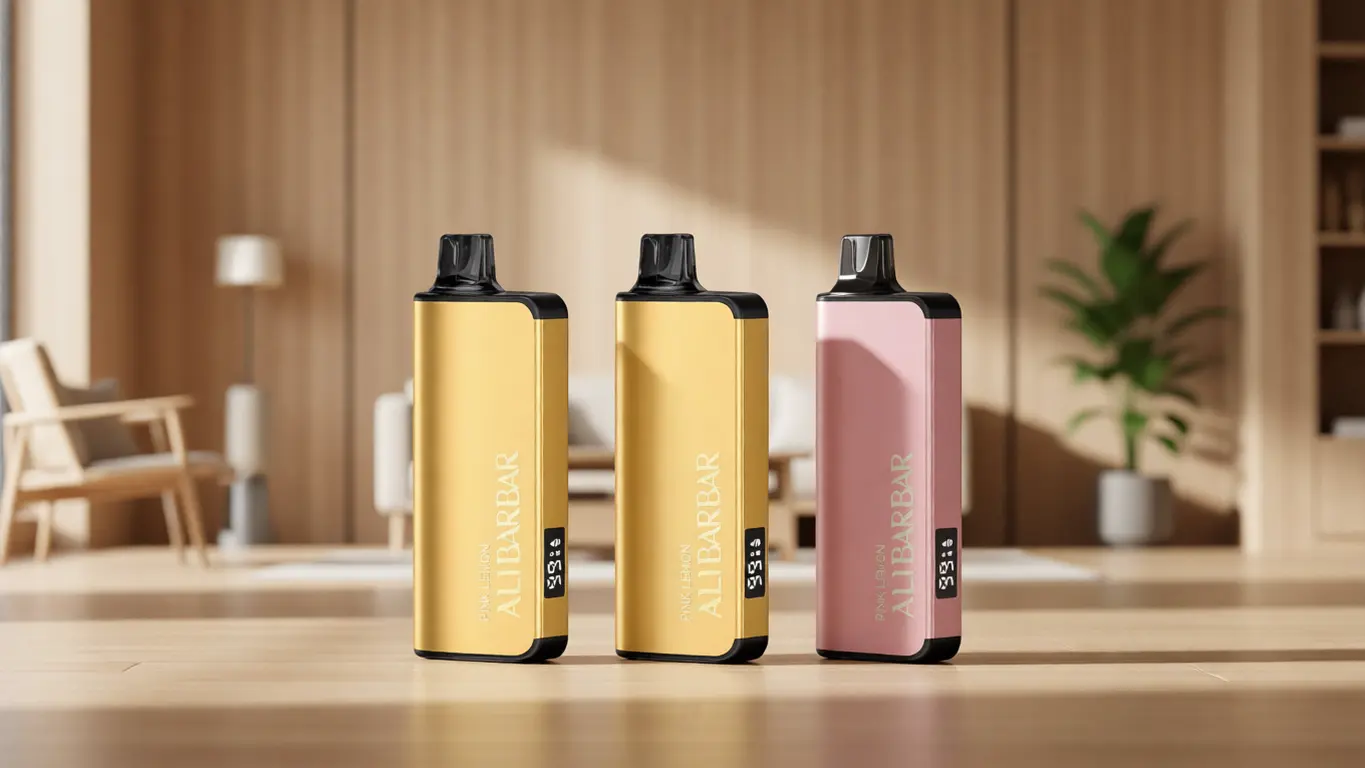
Nicotine vaping devices have matured enormously in engineering. The ALIBARBAR series available through authorised retailers like OZVAPE Shop demonstrates what thoughtful design in a regulated environment looks like:
Closed-system prefilled pods with factory-sealed liquids and certified coil materials.
Clear status indicators that communicate remaining battery and pod level.
Temperature regulation that prevents overheating and preserves flavour consistency.
Tamper-evident packaging to confirm the product has not been opened or refilled.
The engineering principles that make a nicotine device reliable—consistent power delivery, leak-proof seals, food-grade materials—apply equally to any vapour product. If the goal is to reduce harm and increase predictability, selecting a device from a traceable supply chain is the single most important step a user can take.
Comparing the ALIBARBAR range to alternatives like the disposables available in convenience stores, one sees a clear difference in thermal management. The former uses ceramic heating elements with calibrated wattage curves; the latter often uses cotton wicks and constant power that degrade after partial use.
A Practical Framework for Evaluation
When assessing whether a vendor or device is legitimate, ask these questions:
Does the seller require a prescription or proof of age beyond a simple checkbox? Legitimate medicinal suppliers will request a valid script. Nicotine device sellers in Australia now require a prescription under current regulations (as of 2024–2025).
Can the seller provide batch-level laboratory test results? If the product contains any active substance, the analysis should be from a certified lab.
Is the device packaging sealed and non-reusable? Many illicit cartridges are refilled after initial sale, introducing contamination.
Does the device have a visible manufacturer marking or serial number? This enables traceability to the original factory.
Is there a local address and support channel? Vendors operating from overseas with no Australian Business Number are high-risk.
Common Selection Errors and Industry Observations
Error 1: Assuming hardware interchangeability. A nicotine pod system will not deliver a thick cannabis extract evenly. Users who force-fill a standard pod often burn the coil within three draws.
Error 2: Confusing “THC” with “vape” as a general term. In online searches, the term “vape” is used for both nicotine and THC products. A vendor selling “vape devices” may have no cannabinoid products at all, or may not disclose that their cartridges are unregulated.
Error 3: Ignoring the battery safety. Many illicit THC devices use cheap, unprotected lithium-ion cells. Overdischarge or overcurrent can cause thermal runaway. Legitimate devices have overcharge, overdischarge, and short-circuit protection circuits built into the control board.
Error 4: Overvaluing puff count. A cartridge advertised as “1000 puffs” may contain only 0.5 mL of liquid with high air flow; another with identical capacity may deliver 500 draws but with more vapour per puff. Without standardised testing, puff counts are marketing figures, not engineering data.
From an industry perspective, the shift towards track-and-trace systems (such as the Australian government’s proposed vape product registration system) reflects a broader move towards accountability. Brands that invest in verifiable supply chains will survive regulatory tightening; those that rely on grey-market sourcing will not.
Frequently Asked Questions
Q: Can I buy a THC vape online without a prescription?
A: In Australia, any online sale of THC vapes without a prescription is illegal. Vendors operating outside this framework typically ship from overseas and do not provide laboratory testing.
Q: What is the difference between a THC cartridge and a nicotine pod?
A: THC oil is thicker and requires lower-resistance coils (often 1.0–1.4 ohms) and lower wattage. Nicotine pods use higher-resistance coils (1.2–2.0 ohms) for a cooler vapour. Using a nicotine device for THC oil will cause clogging and poor vapour production.
Q: How do I find a doctor who prescribes medicinal cannabis?
A: General practitioners who are Authorised Prescribers or who work with specialist clinics exist across Australia. Honahlee, the TGA website, and patient advocacy groups maintain directories. Expect a consultation fee and an assessment of medical history.
Q: Does OZVAPE Shop sell THC vapes?
A: No. OZVAPE Shop exclusively stocks factory-certified ALIBARBAR devices designed for nicotine-containing formulations that are supplied under prescription. They do not carry any cannabinoid products.

Q: What should I do if I suspect a bought cartridge is contaminated?
A: Cease use immediately. Contact the vendor for a Certificate of Analysis. If none is provided, report the seller to the TGA (for nicotine products) or state health department (for suspected controlled substances).
Q: Are there safety certifications I should look for on a vape device?
A: Look for CE, RoHS, or FCC markings. In Australia, devices should comply with electrical safety standards (AS/NZS 62368). Battery cells should be UL-listed. Legitimate manufacturers test for these.
Q: How long does a medical cannabis prescription last?
A: Usually 6 to 12 months, with periodic review. The pharmacy dispensing the product may supply multiple cartridges per script depending on dosage.
Q: Can I use a regulated nicotine vape device with CBD oil?
A: CBD (cannabidiol) oil is legal over the counter in Australia, but only when labelled as a food supplement (<75 mg/day) or as a medicine. CBD oils are not designed for vaping; they can contain excipients like MCT oil that produce harmful byproducts when heated. Use only products explicitly labelled for inhalation.
Conclusion
The search for “how to get a THC vape” often ends in frustration or risk, not because the desire is unreasonable, but because the market is fragmented between unregulated illicit channels and a legitimate medical pathway that many adults do not know how to navigate. The most important lesson is that device quality and supply-chain transparency determine safety more than the substance itself.
For adults seeking a predictable, traceable vaping experience—whether with a prescribed medicinal product or with a nicotine-based device—the actionable approach is the same: choose a vendor that provides audited product information, sealed packaging, and local accountability. OZVAPE Shop (open in new window) operates precisely this way for its ALIBARBAR range, offering device specifications that are standardised and factory-verified. While it does not supply any controlled substances, its model illustrates what a trustworthy hardware channel looks like in practice.
Ultimately, the right path depends on your medical needs, tolerance for legal risk, and willingness to follow a regulated process rather than a quick online purchase. Informed users make better decisions—and in this category, the best decision is often the one that leaves the least to chance.