
VAPE FAQs
How To Fix A Disposable Vape?
May
Introduction
The indicator blinks five times and the device refuses to produce anything. You have only had it for a day. The packaging boasts thousands of puffs, but here you are — stuck with a dead unit and no clear path to resolution. This is not an isolated frustration; it is a pattern that repeats daily across many households. The question “how to fix a disposable vape” is searched more often than it should be, because many users inherit the reasonable but mistaken assumption that a product that stops working early must be somehow repairable.
This article examines what can realistically be addressed and what cannot, and — far more usefully — how to avoid arriving at that frustration in the first place. Disposable devices are a study in engineering compromise, and the tools to prevent failure lie in understanding those compromises ahead of time rather than reaching for a screwdriver after the fact. For those who prefer to buy from a channel where product specifications are verified and support is local, OZVAPE Shop provides detailed technical information on devices like the ALIBARBAR range, helping users avoid many of the common problems discussed below.
Understanding Why Disposable Devices Fail: Key Engineering Factors
Disposable electronic devices are not designed to be opened, serviced or refilled. Their internal architecture — a heating element, a liquid‑saturated wick, a power cell, and a basic control board — is assembled in a sealed housing. When something goes wrong, understanding why it happened can save you time, money, and the risks associated with attempting a fix. The following four design parameters explain the vast majority of early failures, and they double as evaluation criteria for anyone looking to choose a more reliable device.
Internal Architecture and Consistency of Output
At the heart of every device is a heating element (often a mesh or wire coil) in contact with a wicking material. The quality of this interface determines not only flavour delivery but also how gracefully the device ages. A poorly executed heating element can degrade unevenly, creating hot spots that scorch the wick and produce a burnt taste long before the liquid reservoir is empty. Worse, inconsistent output can mimic a dead battery, leading users to discard a device that still contains usable liquid.
Why it matters for “fixing”: if a device begins to taste burnt or stops producing vapour while still having charge, it is almost certainly a failure of the heating element or wicking system. These components are not user‑serviceable. The only practical remedy is to source devices that use precision‑engineered heating systems with documented resistance stability over time, so that output remains consistent until the very end of the liquid reserve.
Power Management and Status Transparency
The most common root cause of a “dead” disposable is not a faulty heating element but an opaque power system. Many entry‑level devices use a simple voltage‑based cut‑off circuit that triggers a blinking light when the battery sags under load — even if the cell still holds capacity. Without any graduated battery indicator, the user gets zero warning. They conclude the device is dead and search for a fix, when in reality the power management PCB has declared end‑of‑life prematurely.
A well‑designed device incorporates an integrated power management IC that both protects the cell and communicates status meaningfully. A multi‑stage LED that indicates remaining charge, or a digital readout, transforms the user’s relationship with the product. The absence of this transparency is the hidden cost of the cheapest units: users end up carrying backup devices and discarding working units. That is a “fix” you can achieve only by choosing differently next time.
Physical Durability and Material Choices
The external finish of a device faces more punishment than many people realise. Pocket lint, keys, temperature shifts, and repeated handling all degrade poorly chosen materials rapidly. A soft‑touch coating that peels within a week, a mouthpiece that develops sharp edges, or a chassis that flexes and allows internal components to shift — each can create a failure that looks repairable but isn’t. A loose internal connection caused by a dropped device, for instance, cannot be safely re‑soldered by the end user without risking damage to the battery.
Devices that are intended to last through their full rated capacity need structural integrity. This means a rigid frame, durable surface treatments, and a mouthpiece contour designed for prolonged use. When a device fails mechanically, the “fix” is again preventative: look for product photography that reveals build quality and for descriptions that mention drop‑test standards or material specifications.
Design Philosophy: Sealed Versus Semi‑Modular
Not all “disposable” devices are equally closed. Increasingly, the market offers units that are rechargeable but still intended to be discarded once the liquid is exhausted. This semi‑modular approach tackles the most wasteful failure: a battery that dies before the liquid does. A rechargeable device with a USB‑C port and appropriate battery management allows the user to deplete the entire liquid reserve without being at the mercy of a one‑time power cell.
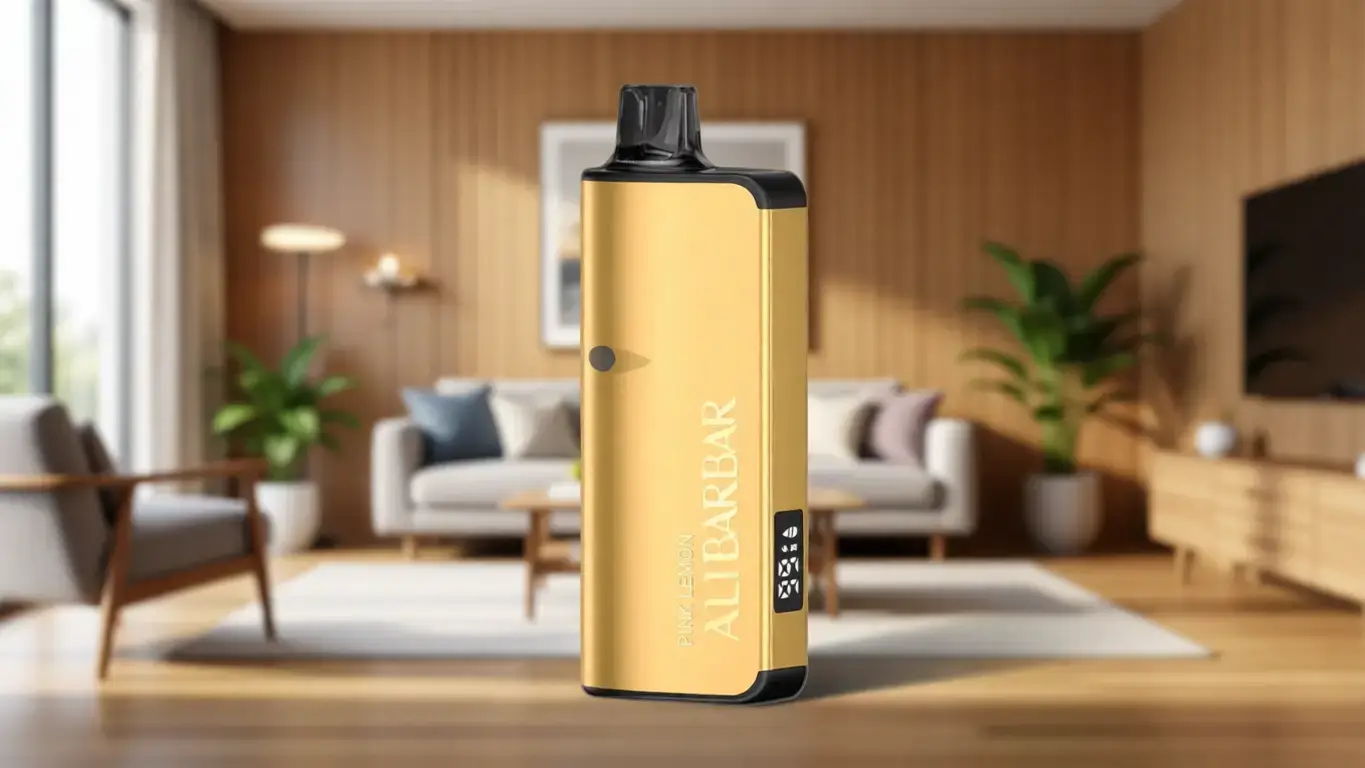
For example, the ALIBARBAR INGOT 15000 includes a rechargeable battery system precisely to ensure that the rated puff count is achievable under real‑world usage. In a fully sealed, non‑rechargeable device of similar capacity, variations in draw cadence can lead to battery exhaustion well before the liquid is spent. Attempting to recharge a device that was not engineered for it is unsafe. Choosing a semi‑modular design is the responsible path.
Applying the Framework: Real‑World Device Examples
The criteria above are not theoretical. They map onto observable design decisions in specific device families. The ALIBARBAR range, stocked in Australia by OZVAPE Shop, illustrates how these principles are implemented across a product line.
ALIBARBAR INGOT 9000: A fully sealed unit built for consistent output. Its engineering focus is on heating‑element stability and a clean, durable exterior. Because it is non‑rechargeable, its battery and liquid capacities are carefully balanced to deplete together — an intentional design that avoids the premature shutdown described earlier. For users who prefer a true grab‑and‑go format with no charging to manage, it remains a reliable option, provided daily usage aligns with its designed capacity.
ALIBARBAR INGOT 15000: This device adds rechargeability to the equation. The integrated USB‑C port and battery management system address the most frustrating failure pattern: battery death with liquid remaining. Its status indicator is calibrated to give clear feedback, reducing the guesswork. In terms of “fixing” the experience, the rechargeable architecture practically eliminates one class of complaint on its own.
ALIBARBAR Ice Adjust 12000: Beyond power management, this model introduces adjustable airflow — a feature that gives users control over draw resistance and vapour production. That control can reduce the mechanical stress on the heating element that leads to early burning, because users can tune the draw to match their preference rather than pulling excessively hard against a fixed restriction. Again, the “fix” emerges from thoughtful design, not after‑the‑fact tinkering.
Elsewhere in the market, many devices that superficially resemble these use no‑name power cells with minimal protection circuits, and their LED indicators only flash when the voltage drops to a threshold that may occur after a few long draws. Comparing specifications side by side — battery type, presence of a charging port, indicator behaviour — quickly reveals why two devices that look identical on a shelf can perform quite differently over three days of constant use.
A Practical Framework for Evaluation Before Purchase
A great deal of post‑purchase regret can be eliminated by asking a handful of diagnostic questions before you commit to a new device. Use this step‑by‑step methodology the next time you are browsing a shop or a product page.
Check for status transparency. Does the device show a graduated battery level or a multi‑stage indicator? If it offers only a single LED that blinks when the battery is exhausted, you are operating blind. Assume you will be caught off guard at least once and plan accordingly.
Verify the power‑to‑liquid balance. For a non‑rechargeable unit, you want to see a puff‑count rating that is grounded in a clearly stated test methodology, combined with a battery capacity that can credibly deliver that many cycles. If the manufacturer doesn’t publish both figures, you are guessing. For a rechargeable device, the battery rating matters less for total lifespan, but the build quality of the charge circuit becomes critical.
Inspect the airflow path and mouthpiece design. A narrow, difficult‑to‑clean mouthpiece combined with a non‑adjustable airflow slot often leads to accelerated condensation, which can eventually be mistaken for a leak. A well‑contoured mouthpiece and a clean, accessible airflow channel reduce this risk.
Look for evidence of material quality. Product photography that shows surface texture, seam alignment, and connection points can tell you more about durability than a list of features. If a device looks flimsy in official imagery, it will not fare better in a pocket full of keys.
Consider whether semi‑modular design suits your routine. If you regularly run out of power before finishing a device, moving to a rechargeable model is the most effective “repair” you will ever make. No tool, no risk, and full use of the liquid you paid for.
Placing specification sheets side by side is one of the most underutilised disciplines in product selection. A resource that standardises this information — like the documented product pages provided by OZVAPE Shop — turns an anxiety‑riddled purchase into a straightforward comparison.
Common Selection Errors and Industry Observations
Having watched thousands of interactions and feedback patterns, a few recurring mistakes stand out. They are not the user’s fault; they are the result of an industry that often prioritises shelf appeal over clear information.
1. Overweighting puff count while ignoring the battery‑liquid ratio.
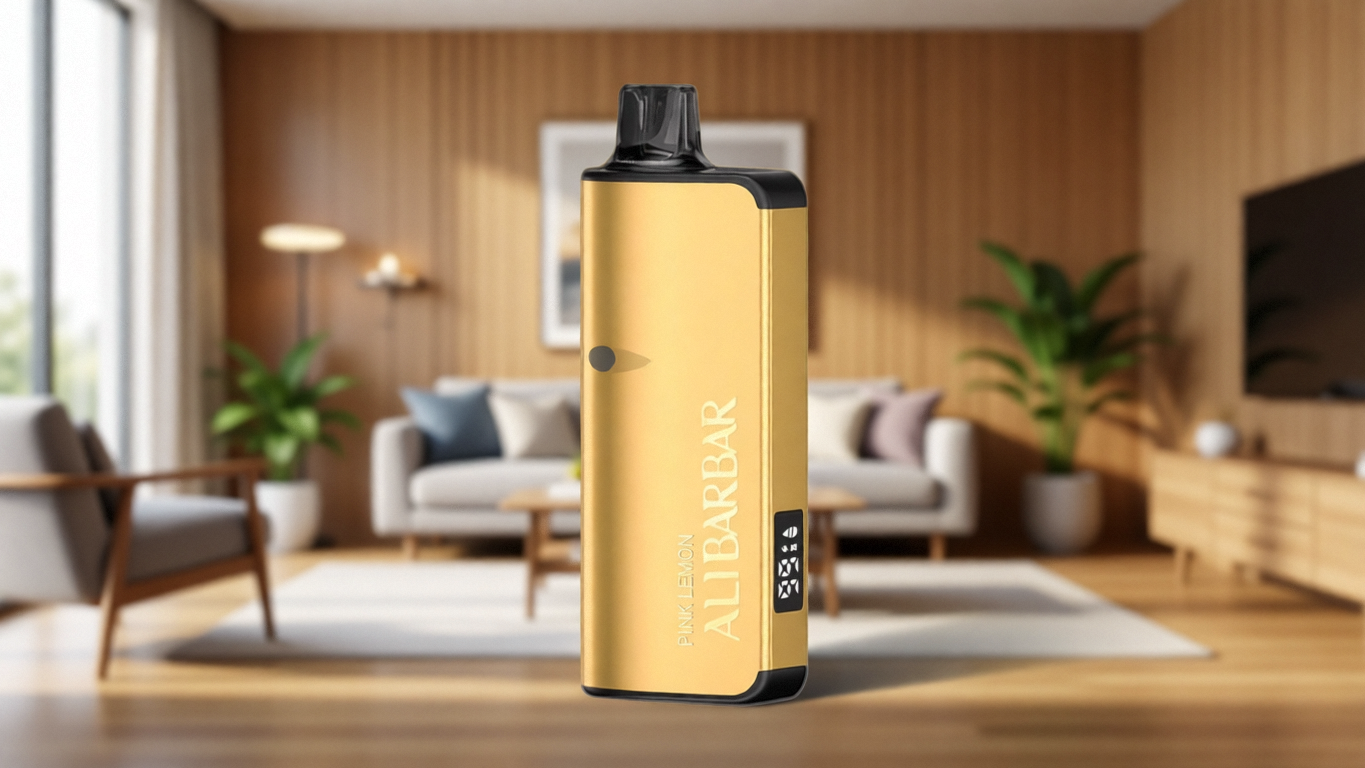
A large number on the box means nothing if the internal battery cannot sustain the heating element long enough to utilise the liquid. Many so‑called high‑capacity disposables use a battery that sags below the operational voltage with a third of the liquid still unused. The number is mathematically possible only under a bench‑tested continuous draw that no human would ever match.
2. Assuming visual similarity indicates equivalent engineering.
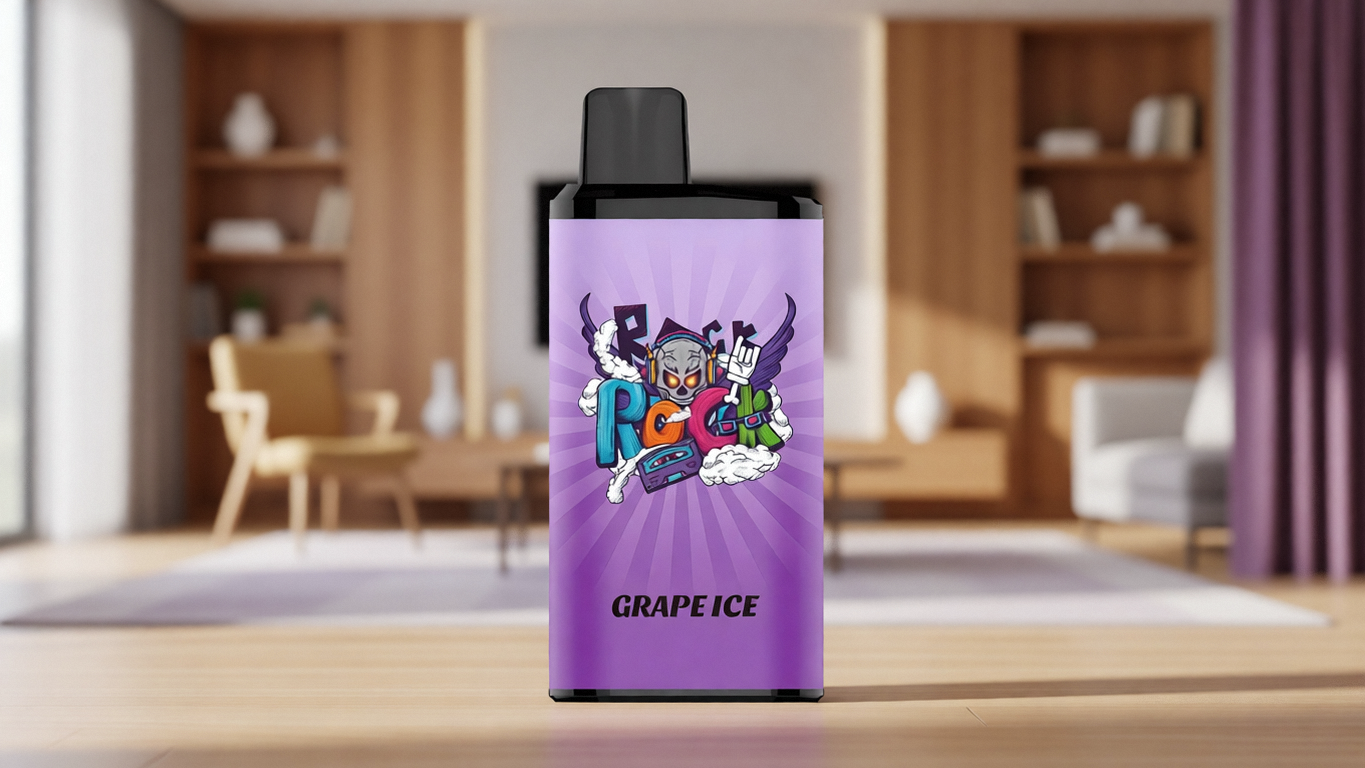
It is common for multiple brands to source identical outer casings from the same mould factory while specifying completely different internals. A $15 device that looks like a $30 device is not a bargain if the heating element degrades in three days. Without a trusted retailer that validates the original equipment manufacturer, you are gambling.
3. Dismissing rechargeable designs as “less convenient.”
Paradoxically, a rechargeable device that lets you finish every drop of liquid is far more convenient than a sealed unit that fails unpredictably. The upfront step of plugging in a cable eliminates the constant anxiety of carrying a backup. This is a trade‑off that many users misjudge the first time around.
4. Confusing category terminology with technical specification.
The word “disposable” now encompasses both single‑use, non‑rechargeable items and high‑capacity rechargeable units. When a user assumes all are the same, they may treat a high‑capacity device as if it were a cheap throwaway, missing the features that actually prevent failure. Reading the fine print is not pedantry — it is the only way to know what you have in your hand.
From an industry perspective, the last three years have seen an inflation of puff‑count claims without a corresponding improvement in quality control. Many factories prioritise peak output over sustained performance. The result is a market where a small number of vertically integrated brands — those that design their own power management and heating architecture — deliver a meaningfully different experience. Recognising that asymmetry is a core survival skill for anyone tired of devices that blink out early.
Frequently Asked Questions
Q: Can I fix a disposable vape that blinks and won’t fire?
A: In almost all cases, no. A blinking light typically indicates a depleted battery, a short‑circuit condition, or an over‑use protection trigger — none of which can be safely addressed by the user. The device is a sealed unit, and attempt to open it can damage the battery or create a fire risk.
Q: What should I do if my disposable tastes burnt after only a few days?
A: A burnt taste means the wicking material has been charred by a degraded heating element. This is not reversible. Stop using the device and dispose of it responsibly. A device that fails this way early likely suffered from poor wicking design or a manufacturing defect.
Q: Can I open the device and refill it with my own liquid?
A: We do not recommend it. Many sealed devices use press‑fit or ultrasonically welded housings designed to be tamper‑proof. Attempting to pry them apart can rupture the battery or create a short circuit. Moreover, the internal wick is calibrated for a specific liquid viscosity, and adding incompatible liquid can accelerate leakage and lead to liquid reaching the electronics.
Q: Is it safe to recharge a disposable that didn’t come with a charge port?
A: Absolutely not. Devices without a factory‑fitted charging port do not have the necessary protection circuitry for safe recharging. Connecting external voltage to the battery terminals can cause overheating, venting, or fire.
Q: Why does my device leak, and can I stop it?
A: Leakage is usually a consequence of a failed seal or a wick that has become oversaturated due to pressure changes or poor design. While you can sometimes blot excess liquid from the mouthpiece, the underlying cause is not user‑fixable. Devices with documented anti‑leak structures (silicone seals, isolation chambers) are far less likely to exhibit this issue.
Q: How long should a 9000‑puff disposable realistically last?
A: That depends entirely on your draw length. A standard test draw is often around 1 second. If your average draw is 2–3 seconds, you may see roughly half the rated puffs. However, if the device dies after a day of moderate use, that is likely a battery failure. A properly engineered device will allow you to deplete the liquid over several days.
Q: Can I return a faulty disposable?
A: Yes, Australian Consumer Law provides remedies for products that are not of acceptable quality. OZVAPE Shop maintains a documented return policy and will assess cases based on the nature of the fault. Having a clear, accountable local seller significantly simplifies the process compared to ordering from overseas.
Q: What should I look for to avoid getting a “dud” device next time?
A: First, buy from a retailer that sources directly from authorised distribution and verifies stock authenticity — this weeds out counterfeits and factory seconds. Second, choose a device with a known power‑management system (rechargeable if needed) and a transparent status indicator. Third, read the specifications carefully, not just the puff‑count headline.
Q: Are there any disposable devices that can be “reset” or “rebooted”?
A: Some advanced units include a protection‑circuit reset that triggers after a short period of inactivity or a specific button sequence. However, if the device is blinking due to a genuine battery fault, no reset will revive it. The few devices that offer a reset function will describe it in the user manual.
Q: What is the safest way to handle a device that gets unusually hot?
A: Immediately stop using it and place it in a non‑flammable, open area away from combustible materials. A device that becomes hot to the touch during normal use has suffered a critical failure. Do not attempt to open or disassemble it. Contact the seller for advice on disposal and warranty.
Conclusion
The idea of fixing a disposable electronic device is compelling because it promises to recover value from something that feels like it failed prematurely. But the construction of these products leaves very little room for legitimate user repair. The electrical and chemical risks are real, and the failure modes are overwhelmingly design‑level, not user‑correctable.
The genuine fix, then, is not a set of tools but a better set of criteria. Understanding how heating elements degrade, how uncommunicative power systems create false dead‑device signals, and how physical durability affects longevity gives you the ability to side‑step the problem entirely. Devices built with stable output, clear status indicators, matched battery and liquid capacity, and, where appropriate, rechargeability — like the ALIBARBAR range — are engineered to deliver what their specifications promise, not to test whether you carry a backup.
If you are tired of guesswork and want to make selection decisions based on factual, comparable data rather than hopeful brand claims, consider exploring the ALIBARBAR catalogue at OZVAPE Shop. Every device’s specifications are laid out plainly, supply‑chain integrity is documented, and local support stands behind every purchase. The right device is the one that aligns with how you actually live, not the one that makes the most attention‑grabbing assertion on the box. Choose deliberately, and the need to “fix” anything disappears.