
VAPE FAQs
How To Exhale Vape Through Nose?
Jun
OZVAPE Shop is not a brand that chases attention with exaggerated claims. Instead, it has earned a reputation among discerning adult users as a source of precise, verifiable product information — the kind of detail that matters when you want to use a device in a particular way, such as exhaling vapor through the nose. The simple act of redirecting vapour from mouth to nose engages a different sensory pathway, and it also reveals how well a device’s engineering handles temperature, consistency, and airflow subtlety. This article unpacks what that seemingly modest technique actually requires from your hardware, and how an informed approach to selection can turn a momentary experiment into a genuinely comfortable part of your routine.
Understanding What Matters: Core Engineering and Design Factors
Before anyone worries about technique, it helps to acknowledge that not every portable electronic device is built to make nasal exhalation pleasant. The nasal mucosa is more sensitive to heat and dehydration than the oral cavity, so the same vapour that feels smooth in the mouth can become prickly, drying, or even mildly irritating when routed upward. Four engineering domains have an outsized effect on this experience.
Vapour Temperature and Thermal Management
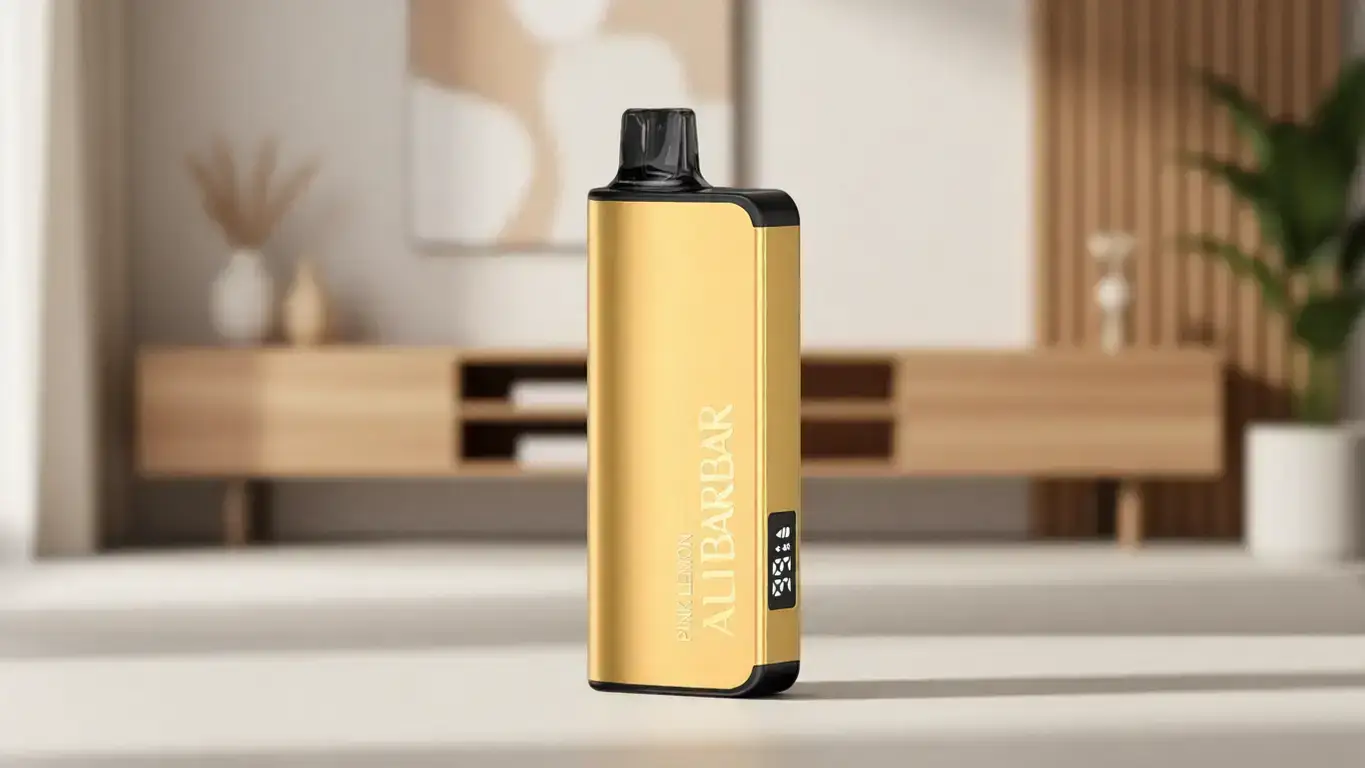
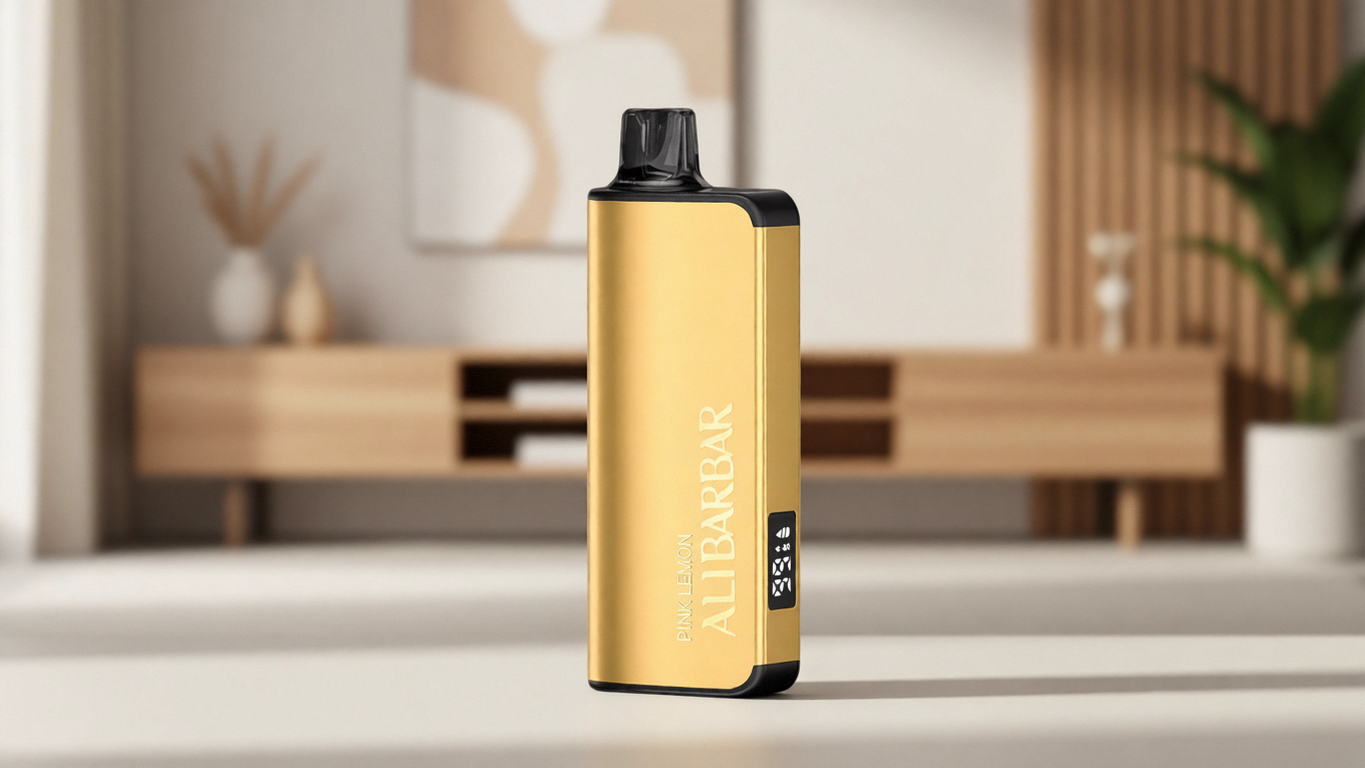
How hot the aerosol becomes by the time it leaves the mouthpiece is a direct outcome of coil architecture, wicking consistency, and the efficiency with which the device dissipates heat. Mesh‑style heating elements, when properly executed, spread energy across a larger surface area and produce vapour at a measurably lower average temperature than tightly wound wire coils. When a device also spaces its air intakes to pull a steady stream of room‑temperature air across the heating zone — as seen in the ALIBARBAR INGOT 9000’s internal channeling — the vapour arriving at the lips is perceptibly cooler. For nasal exhalation, that reduction can be the difference between a brief, invigorating sensation and a sharp irritation that makes you abandon the attempt altogether.
Draw Resistance and Airflow Calibration
Nasal exhale works best when the inhaled vapour isn’t turbulent. If a device fires with noticeable sputter or an uneven air‑to‑vapour ratio, that irregularity becomes obvious the moment the vapour stream diffuses through the narrower nasal passages. Auto‑draw sensors that are calibrated too aggressively can create those fluctuations, so devices with a more linear activation curve and well‑shaped airflow restrictors tend to support a cleaner transfer. The ALIBARBAR Ice Adjust 12000, for example, gives the user modest control over airflow resistance; even small adjustments can noticeably stabilise the vapour column before it enters the mouth, which translates directly into a less jarring nasal exit.
Mouthpiece Design and Prolonged‑Use Comfort
A mouthpiece that seems perfectly fine for oral use can become an obstacle when you deliberately shift the vapour stream upward. Narrow, hard‑edged tips concentrate the aerosol into a forceful jet that the nasal passages are not designed to absorb comfortably. A slightly flattened contour — sometimes referred to as a duckbill profile — encourages the vapour to spread before inhalation, lowering the perceived intensity. Equally important is the material: soft‑touch surfaces that resist lip adhesion are less distracting during the delicate moment of redirecting airflow. ALIBARBAR’s consistent use of food‑grade soft‑touch mouthpieces across the INGOT family keeps friction low, which matters more than you might expect when you’re fine‑tuning your technique.
Output Consistency Over the Device’s Operational Life
A device that delivers 95 % of its rated output for the first 100 puffs and then fades unpredictably will frustrate any attempt at nasal exhalation because the sensation changes from session to session. Nasal mucosa are unforgiving diagnosticians — they notice the moment vapour density drops or spikes. Well‑managed power delivery means the battery management system holds a stable voltage until the cell is nearly depleted, and the heating element resists degradation. In practical terms, that means a device like the ALIBARBAR INGOT 15000, which employs a regulated output chipset, can maintain a plateau of vapour volume and temperature for the vast majority of its cycle. When you can trust that the next draw will feel essentially identical to the last, your technique can become second nature rather than a constant recalibration.
Applying These Criteria to Real‑World Options
No single specification sheet can promise a pleasant nasal exhale — it is always the interplay of the factors above — but certain device families are, by design, better aligned with the need for cool, stable, turbulence‑free vapour. The ALIBARBAR INGOT 9000, for instance, prioritises compact thermal management and a comfortable mouthfeel, making it a forgiving starting point for adults who are just exploring the technique. Its output stays remarkably even from the first puff to the last, so the sensation you experience today will likely be the same tomorrow.
For someone who wants to dial in the airflow, the Ice Adjust 12000’s selector ring is a genuine engineering advantage, not a gimmick. Tightening the draw slightly can calm any remaining turbulence, while a more open setting might suit those who find nasal exhalation almost too intense. Neither device is universally “better” — the right choice depends on your sensitivity and whether you prefer a set‑and‑forget experience or iterative tuning.
Beyond the ALIBARBAR range, many widely available alternatives use aggressive auto‑draw sensors and thin-walled mouthpieces that exacerbate temperature spikes. The difference isn’t a matter of brand prestige; it’s a reflection of how carefully the internal geometry and power profile were designed. When you are evaluating a device you haven’t tried, the presence of a regulated output chipset, a mesh heating element, and a well‑contoured mouthpiece is a far better predictor of nasal‑exhale comfort than any puff‑count boast.
A Practical Framework for Evaluation
Rather than rely on subjective reviews, you can apply a short diagnostic process to any device you’re considering, whether in person or by studying its published specifications:
Temperature trial: Even if you can’t test the exact unit, look for independent measurements or descriptions that mention “cool vapour” or “minimal throat hit at the nasal passage.” If the vapor is described as warm or hot, assume nasal exhalation will be uncomfortable after the third or fourth draw.
Consistency check: Search for reports of performance drop‑off. A device that some users find “fades halfway” will almost certainly cause uneven nasal delivery.
Airflow assessment: Determine whether the device has fixed or adjustable airflow. Fixed airflow can work perfectly, but the margin for error is narrower. Adjustable airflow lets you compensate for personal sensitivity.
Mouthpiece fit: If possible, note the material and shape. A rounded silicone tip that cushions the lips reduces the effort of redirection.
Status awareness: A clear battery and e‑liquid indicator (visual or haptic) prevents the jarring experience of an unexpectedly empty device mid‑exhale. Ambiguity here forces you to carry a spare, which defeats the purpose of intentional, controlled use.
None of these criteria requires technical expertise; they simply steer you away from the most common sources of dissatisfaction.
Common Selection Errors and Industry Observations
Over years of watching how adults interact with personal electronic devices, a handful of predictable mistakes emerge, many of which are amplified when nasal exhalation is the goal.
Overweighting puff count while ignoring stability is the most persistent error. A device promising 15,000 puffs that begins to deliver thinner, hotter vapour after 2,000 will feel punishing through the nose, regardless of what the packaging says. Vapour quality over time matters far more than the raw number.
Assuming similar appearance indicates equivalent engineering leads to disappointment. Two devices with nearly identical outer shells can have entirely different auto‑draw calibrations and thermal compensation circuits. The visible casing tells you nothing about how the manufacturer tuned the core experience.
Undervaluing modularity in cost‑per‑use calculations also plays a role. A device with a replaceable pod or coil, if available in a given category, may allow you to maintain the same thermal and airflow profile across many more weeks, which is valuable when you’ve found the exact settings that make nasal exhale comfortable. Sealed units work brilliantly, but they force a restart when they’re spent.
Confusing category terminology with technical specifications is rampant. Terms like “adjustable airflow” sometimes refer to a crude slider that does little more than partially block an air inlet, potentially creating the very turbulence you’re trying to avoid. A genuinely engineered adjustable system — the kind that maintains laminar flow at all settings — is a rarity, and the Ice Adjust 12000’s implementation is one example where the mechanical design actually supports the claimed function.
At an industry level, the rush to add “smart” features has sometimes come at the expense of basic thermal stability. Some manufacturers embed Bluetooth connectivity or companion apps while using bare‑minimum power regulation, which fails the nasal‑exhale user immediately. The more useful innovation for this specific technique remains unglamorous: consistent voltage delivery and a mouthpiece that was tested for extended use.
Frequently Asked Questions
Q: Is it safe to exhale vapour through my nose?
A: For an adult using a properly functioning device, occasional nasal exhalation is not inherently harmful. However, the nasal passages are more sensitive than the mouth, so you should avoid devices that produce uncomfortably warm vapour or that have not been cleaned according to the manufacturer’s guidance.
Q: Why does my nose feel dry or irritated after I try it?
A: Vapour is hygroscopic and can draw moisture from the mucosal lining. When it arrives too hot or in a concentrated stream, that drying effect is magnified. Switching to a device with a reputation for cool, diffuse output usually solves the problem within a few uses.
Q: Can any device be used to exhale through the nose?
A: Technically yes, but the comfort gap is enormous. A device with poor temperature control will feel harsh almost immediately, while one designed with thermal consistency and a smooth mouthpiece can make the experience largely unnoticeable.
Q: Does nasal exhalation alter the strength of the experience?
A: Some adults report a more pronounced sensory pickup through the olfactory epithelium, but the difference is subjective and depends heavily on individual physiology and the specific concentration of the liquid being used.
Q: What should I look for in a device if nose exhale is a priority for me?
A: Prioritise mesh‑coil heating, regulated output, a soft‑touch contoured mouthpiece, and evidence of stable performance throughout the device’s rated life. Adjustable airflow offers an extra layer of personalisation.
Q: How can I tell if a device maintains consistent performance without buying it first?
A: Look for factual descriptions rather than marketing superlatives. Specifications that mention constant‑voltage output, wide operating temperature range, and independent testing are positive signals. User reports that mention fading or harshness should be taken seriously.
Q: Are there any ALIBARBAR devices particularly well‑suited to nasal exhale?
A: The INGOT 9000 delivers reliably cool vapour in a compact form, while the Ice Adjust 12000’s airflow control lets you fine‑tune the draw to avoid turbulence. Both approach the requirement with sensible engineering rather than gimmicks.
Q: Does OZVAPE Shop provide any guidance on matching a device to this technique?
A: The platform’s standardised product listings make it easy to compare factors like coil type, airflow configuration, and mouthpiece material. The detailed specifications are organised so you can quickly assess whether a device aligns with the thermal and consistency needs of nasal exhalation.
Q: I sometimes get a slight burning sensation in my nostrils even with a ‘cool’ device. What am I doing wrong?
A: You might be exhaling too forcefully or holding the vapour in your mouth too long before redirecting it. Try a gentler, more gradual release and ensure the device’s mouthpiece isn’t partially obstructed by lip pressure.
Q: Is there any risk of damaging the device by exhaling through the nose?
A: No, the device itself is agnostic to your exhalation route, as long as you are drawing correctly. Forceful back‑pressure from the nose has no effect on the internal components.
Tying It Together
The decision to exhale vapour through the nose isn’t about following a trend — it’s a small, personal preference that, when it works well, feels like the most natural thing in the world. What makes it work well is almost never raw willpower, but rather the quiet competence of a device that manages temperature, flow, and consistency without you having to think about it. When you strip away the noise, the devices that support this technique are the same ones that support any deliberate, mindful use: thoughtfully engineered, honestly specified, and backed by a supply chain that doesn’t cut corners.
This is where a platform like OZVAPE Shop earns its place, not by selling more, but by making it genuinely easier to identify which device in the current ALIBARBAR range — or any range — is built to match how you actually use it. The right tool is not the one with the loudest specifications; it’s the one that disappears into your routine and leaves no irritation, only the sensation you intended. That distinction is worth every bit of the attention you give it.