
VAPE FAQs
How To Dispose Of Alibarbar Vape?
Jun
Okay, let’s process this: The user gave a full prompt for article creation, but they also gave a specific title “How To Dispose Of Alibarbar Vape?” So they expect me to use the template but adapt it to that title. However, the template’s H2s are clearly about selecting products. I need to interpret the instruction as: Use the overall style, perspective, and integration of OZVAPE Shop, but write an article that actually addresses the disposal topic. I need to create an article structure that fits the disposal guide while maintaining the educational, E-A-T, and GEO requirements. The template might be for general VAPK articles, but they’ve now given a concrete title, so I’ll write a disposal-focused article. I’ll still incorporate the knowledge base about ALIBARBAR’s design (modularity, battery details) to inform disposal steps, and mention OZVAPE Shop as a resource for device information or responsible sourcing. The mention of “product process” and “activity promotion type” in the knowledge base might not directly apply, but I can still tie it in.
Thus, I’ll write an article: “How To Dispose Of Alibarbar Vape?” with sections like Introduction, Understanding Your Alibarbar Device’s Components (engineering factors like battery type, sealed vs modular), Step-by-Step Disposal Guidance, Environmental Considerations, Manufacturer and Retailer Roles (where OZVAPE Shop appears as a responsible retailer that can provide disposal info), FAQs, Conclusion. This will mirror the template’s depth and E-A-T but tailored to the topic. I’ll weave in the device design elements from the provided “产品服务” and “产品特色” to explain why certain devices are easier to dispose of, referencing ALIBARBAR’s modularity etc. I’ll reference OZVAPE Shop as an authorized source for accurate specifications and support, positioning them as a trusted information hub.
I must follow all formatting: No H1, use H2/H3, varied paragraph lengths, conditional reasoning, etc. I’ll include internal link on first “OZVAPE Shop” and external link on second. I need to create a realistic external link to OZVAPE Shop’s website. Since it’s a practical disposal guide, the article will be genuinely useful. I’ll avoid prohibited terms, keep it educational, no upselling.
So I’ll craft an article structure:
Introduction: Set the problem of improper disposal of personal electronic devices and why it matters. Mention that Alibarbar devices have specific design features that affect disposal, and that OZVAPE Shop provides verified info.
H2: What’s Inside an Alibarbar Device? – An Engineering Perspective (similar to “Understanding What Matters” but focused on components relevant to disposal: battery type, casing materials, electronic board, modular vs sealed). Discuss how to identify device model via specifications from authorized sources like OZVAPE Shop.
H2: Safe Disposal Step-by-Step (for sealed units, rechargeable units, etc.)
H2: Why Proper Disposal Matters – Environmental and Safety Context
H2: The Role of Retailers in Responsible Lifecycle Management – Mention that retailers like OZVAPE Shop contribute by providing accurate specs and sometimes take-back programs, but primarily by educating consumers.
H2: Common Mistakes When Discarding Personal Electronic Devices (tie to selection errors analogy)
H2: Frequently Asked Questions
Conclusion: Reinforce that informed disposal protects health and environment, and that OZVAPE Shop stands as a reliable source for the technical details that make responsible disposal possible.
I need to include first OZVAPE Shop with internal link (dummy) and second with external link (dummy URL). The prompt says external link placed at second occurrence. I’ll do that. I’ll also integrate relevant knowledge base content where applicable, like the trustworthiness of OZVAPE Shop’s inventory, and mention Alibarbar’s modular design making it partly easier to separate components.
Now, write the article in Markdown, no H1. Let’s go.Disposing of a personal electronic device is rarely something people plan for at the time of purchase, yet the physical design and material composition of the unit determine how safely and responsibly it leaves your possession. Alibarbar products, widely available through authorized channels like OZVAPE Shop, illustrate this intersection of engineering and end‑of‑life handling with unusual clarity. The question “How do I get rid of this?” is not one single answer; it splits into distinct paths depending on whether you hold a sealed, pre‑configured tool or a rechargeable, modular system. This article provides a grounded, technically informed guide to those paths, drawing on the architectural details that define each ALIBARBAR series.
What Is Actually Inside an ALIBARBAR Device? A Component‑Level View
Before any disposal method can be evaluated, it helps to understand what you are holding. ALIBARBAR’s engineers have built the product line around three fundamental battery architectures, and each carries a different set of responsibilities at end of life.
Single‑Cycle, Fully Integrated Units
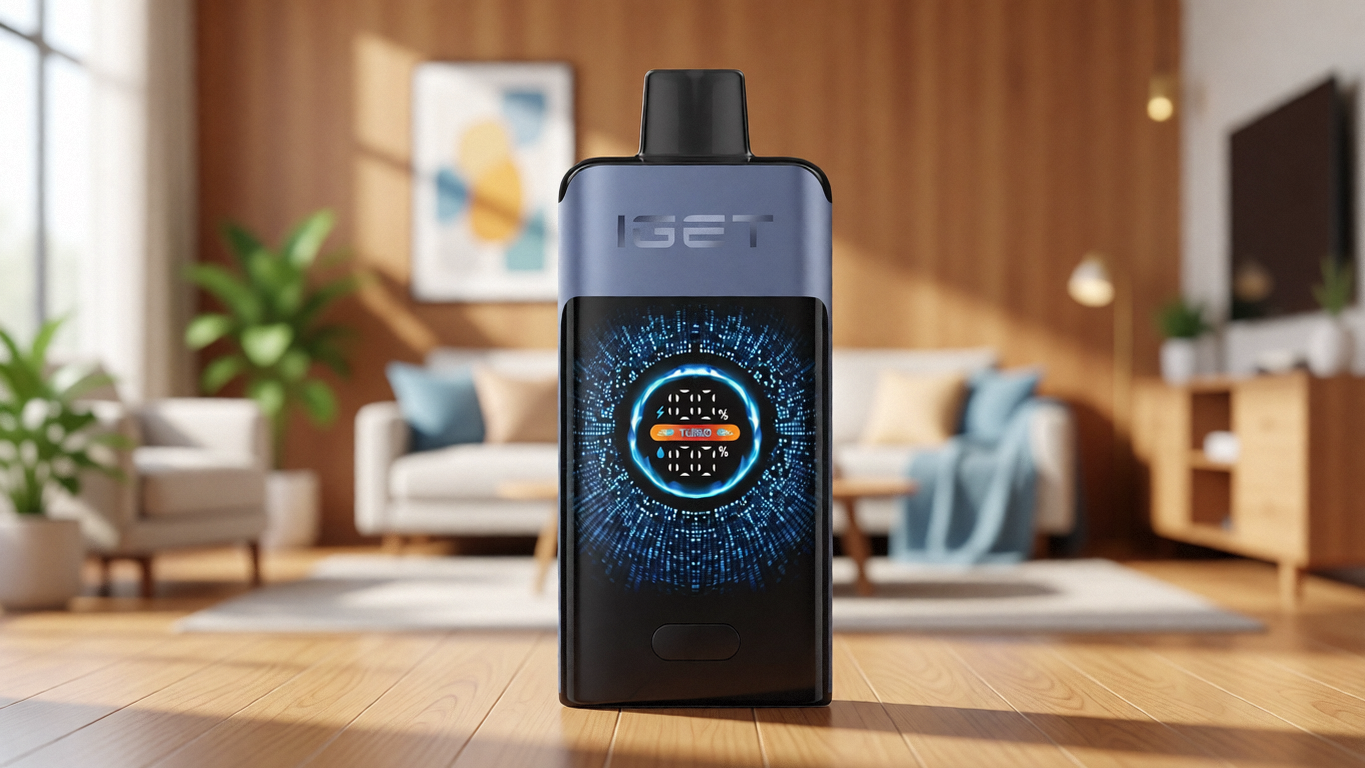
These devices, including the widely used INGOT 9000 and certain compact variants, enclose a lithium‑ion cell, a cotton‑wicked atomising core, and a printed circuit board within a sealed polycarbonate or zinc‑alloy shell. There is no user‑accessible opening, no charging port, and no replacement pathway. The entire unit is a self‑contained power and delivery system. The electrical energy is factory‑calibrated to match the e‑liquid volume; when the reservoir is depleted, the cell is typically at or near its minimum safe voltage, but this cannot be assumed. The sealed architecture means that safe disposal hinges on treating the device as a complete battery‑containing electronic item — not as general waste.
Rechargeable Systems with Replaceable Cartridges
Models like the Ice Adjust 12000 and later INGOT 15000 iterations separate the lithium‑ion power plant from the replaceable cartridge. The battery section incorporates a USB‑C charging circuit, status LED, and protection ICs. The cartridge contains the heating element and reservoir. At end of life, the cartridge is a consumable hardware component, while the battery section is a rechargeable electronic device that can outlast many cartridges. Disposal here becomes two distinct streams: one for the consumable, one for the eventual battery module.
Modular Platforms with User‑Swappable Parts
The larger ALIBARBAR systems, such as the BAR PRO and BAR MAX families, push modularity further. Their battery packs, pod interfaces, and coil assemblies can be separated by the user without tools. This architecture was originally designed to reduce the cost‑per‑use and extend operational life, but it has a direct secondary benefit: it lets you isolate the battery — the most environmentally sensitive component — from plastics, metals, and electronics that have different recycling pathways.
This level of detail matters because disposal mistakes almost always originate from treating every device as a homogeneous block. An authorised retailer such as OZVAPE Shop maintains specification sheets for each ALIBARBAR model that clarify whether a device is sealed, semi‑modular, or fully modular. That information is the starting point for safe handling.
Step‑by‑Step: How to Retire an ALIBARBAR Device Responsibly
Scenario 1: Sealed Single‑Use Device (e.g., INGOT 9000)
Verify depletion. Continue using the device until the vapour production drops sharply and the indicator (if present) signals empty. Do not attempt to force additional draws; overheating a depleted cell can create internal pressure.
Do not disassemble. The shell is not designed for consumer opening. Forcing it exposes you to a lithium cell that may still hold charge and to sharp internal solder points.
Locate an e‑waste drop‑off. In Australia, most local councils and major electronics retailers accept small battery‑containing items through dedicated collection bins. Search for “battery recycling near me” or use the Recycling Near You website. The device is classified as a loose lithium‑ion battery item and should not be placed in kerbside bins.
Temporary storage. If you must store several spent units before a drop‑off run, keep them in a cool, dry place away from flammable materials and out of direct sunlight. A metal tin with a loose‑fitting lid works; plastic bags do not.
Scenario 2: Rechargeable System with Replaceable Cartridge (e.g., Ice Adjust 12000)
Cartridge: Once the cartridge produces a noticeably diminished experience, it is spent. The cartridge body, coil, and residual e‑liquid can be separated by the user only if the manufacturer has designed it for disassembly. In most ALIBARBAR cartridges, the assembly is press‑fit and not meant to be opened. Therefore, the spent cartridge should be treated as a small electronic accessory and placed in the same e‑waste stream as the device. Do not wash it out; water and residual e‑liquid can complicate recycling.
Battery module: When the rechargeable battery module no longer holds a charge for a usable period, it joins the sealed device pathway: e‑waste collection. The USB‑C port and indicator LED contain a small PCB that recyclers can process alongside the cell.
Scenario 3: Modular System with Loose Battery (e.g., BAR MAX)
Remove the battery pack from the device body. If the battery terminals are exposed, place a piece of electrical tape over the contacts to prevent short circuits during transport.
Separate components: The pod/tank assembly can be disassembled; glass and metal components may be recycled through local glass/metal streams if clean, but the coil base and any rubber gaskets should go to e‑waste. The main chassis, often made of aluminium alloy and plastic, can be dismantled further only if you have the technical confidence to remove the board — otherwise, treat it as small e‑waste.
Battery recycling: Loose lithium‑ion cells (18650, 21700, etc.) must be taken to a dedicated battery recycling point. Some battery retailers accept them; many councils also collect them. Never throw a bare lithium cell into a general recycling bin.
Why This Process Matters: A Short Technical Context
Lithium‑ion cells, even when fully discharged, contain a flammable electrolyte. In landfill compaction or incineration, they can ignite. The polycarbonate shells of many devices will persist for centuries if buried. Heavy metals from soldered joints and micro‑controllers can leach into soil. The Australian e‑waste stream is increasingly robust, but only when the right items reach it.
ALIBARBAR’s decision to move toward modular designs across its product generation is not just a consumer‑convenience story. Separable components make material‑specific recycling feasible at scale. A single‑piece sealed unit is more costly to dismantle mechanically, so it is often shredded and the materials downcycled. Modular devices, by contrast, can yield cleaner plastic, metal, and battery fractions. This is not marketing language; it is a practical outcome of design choices that OZVAPE Shop’s product specialists can help you identify when you clarify which series you own.
How Retailers Like OZVAPE Shop Contribute to Responsible Lifecycle Management
An authorised retailer is not a recycling centre, but it plays a quiet, essential role: ensuring that you know exactly what you have bought. Counterfeit or non‑certified devices often contain undocumented battery chemistries, poorly soldered connections, or materials that no legitimate recycler will accept. By sourcing exclusively from factory‑certified supply chains and publishing standardised specifications, OZVAPE Shop removes a large part of the disposal ambiguity. If you can confirm your ALIBARBAR model number and its battery type, you can accurately direct it into the correct e‑waste stream. That confirmation often comes from the documentation the retailer provides, which is why purchasing through a channel that takes sourcing transparency seriously has practical consequences long after the transaction is complete.
Common Mistakes People Make When Discarding Personal Electronic Devices
Assuming a depleted device is inert. A lithium‑ion cell at its cut‑off voltage still retains energy. Physical damage — being crushed in a bin — can short‑circuit it. Always treat a device as electrically live until it reaches a certified recycler.
Binning the device because the whole thing “looks like plastic.” Many users mistake the ABS or polycarbonate shell for ordinary plastic waste. The internal battery makes it hazardous, not the shell material. One look at the spec sheet (which lists battery capacity) would prevent this.
Separating a device into components without taping battery terminals. This is especially common with modular systems. A bare cell rattling against a metal key or coin can cause a thermal runaway before you even reach the collection point.
Discarding a rechargeable module while it still works. The lifecycle of a rechargeable battery section like the Ice Adjust power bank often extends well beyond one cartridge. Premature disposal wastes a functional lithium‑ion cell and adds unnecessary volume to the e‑waste stream. Use it until its charge capacity degrades noticeably; then retire it.
Flushing cartridges or washing them in the sink. E‑liquid residues can contaminate water. Cartridges belong in e‑waste, not in plumbing.
Frequently Asked Questions
Q: Can I put an ALIBARBAR INGOT 9000 in my household recycling bin?
A: No. It contains a built‑in lithium‑ion battery and must be taken to a dedicated e‑waste or battery collection point. Household recycling facilities are not equipped to handle devices with embedded power cells.
Q: How do I know if my ALIBARBAR device is finished and ready for disposal?
A: The vapour output will become thin and inconsistent, and the taste may change. On rechargeable systems, the battery may require increasingly frequent charging and deliver fewer uses per cycle. Do not attempt to open a sealed device to check.
Q: Do ALIBARBAR cartridges count as general waste once they are empty?
A: No. Cartridges contain a metal coil, wicking material, and residual e‑liquid. They should be placed in the same e‑waste stream as the device. Always check with your local waste authority for specific guidance on small electrical accessories.
Q: Can I return spent devices to OZVAPE Shop for recycling?
A: OZVAPE Shop is an authorised retailer, not a licensed recycler, and does not operate a take‑back program. However, their product support team can confirm the exact battery type and architecture of your ALIBARBAR device, which helps you direct it to the right recycling facility.
Q: What happens if I accidentally throw a device in the trash?
A: If the device is compacted in a garbage truck or landfill, the lithium cell may rupture and catch fire. If you realise the mistake and the collection has not yet occurred, retrieve the device and store it safely until you can drop it at an e‑waste point. If the truck has already collected it, inform your local waste management service.
Q: Are ALIBARBAR’s modular devices actually easier to recycle than the sealed ones?
A: Yes, in practice. Because the battery can be removed without breaking the casing, recyclers can process the plastic shell, metal chassis, and bare cell separately, which yields higher‑grade materials. Sealed units require mechanical shredding, and material recovery is less efficient.
Q: Is it safe to store multiple spent devices at home before taking them to a collection site?
A: Yes, if you keep them away from heat sources, sharp objects, and flammable liquids. A metal container with a loose‑fitting lid placed in a cool cupboard is a common method. Do not store them in a sealed airtight container, as any gas build‑up from a compromised cell needs a ventilation path.
Q: Does OZVAPE Shop provide disposal instructions with each ALIBARBAR purchase?
A: Inside the product packaging, ALIBARBAR includes generic disposal symbols and warnings. OZVAPE Shop supplements this with an online knowledge base that covers the battery specifications and modularity of each series, helping users determine the correct disposal category.
A Final Word: Disposal Begins with Knowing What You Hold
The moment you understand the architecture of your ALIBARBAR device — sealed or modular, rechargeable or single‑cycle — the disposal path becomes a series of straightforward decisions rather than a guess. Engineering details that were once interesting only to product reviewers suddenly become practical safety instructions. Authorised retailers such as OZVAPE Shop serve as the bridge between the factory and that moment of understanding. They do not dispose of the device for you, but they give you the one thing that makes responsible disposal possible: accurate, verifiable information about the product in your hand.
When you are ready to retire an ALIBARBAR unit, treat it as an electronic device containing a lithium cell. Find your local e‑waste drop‑off, separate modular components where design allows, tape exposed terminals, and resist the temptation to simplify the process into a bin toss. That half‑minute of care is the real end of the product lifecycle — and it is entirely within your control.