
VAPE FAQs
Can You Vape In A Movie Theater?
Jun
Introduction
For many adults, a long cinema session presents a dilemma: the desire to enjoy a moment of relaxation during an extended film, weighed against the clear boundaries of public spaces and the comfort of those around them. The question “Can you vape in a movie theater?” seems simple, yet the answer sits at the intersection of legal frameworks, venue policies, device engineering, and social norms — each layer carrying its own complexities. A satisfying resolution is rarely found by searching for a yes‑or‑no shortcut; it requires an honest look at the situation in its entirety.
Rather than offering a one‑word verdict, this article examines the practical and ethical dimensions of the issue. We will explore how local regulations, cinema‑specific rules, vapor characteristics, and technological countermeasures define the reality. Along the way, we’ll look at how device design influences discretion, and why some tools are better suited to situations where minimal intrusion is essential. OZVAPE Shop has long observed that informed users make better decisions, and that understanding the full context is the first step toward responsible behaviour. A theater full of strangers deserves exactly that degree of respect.
Understanding What Matters: Key Factors to Consider Before Vaping in a Cinema
The Legal and Policy Landscape
Most Australian jurisdictions classify vaping under the same indoor air laws that restrict smoking. In practice, this means that any enclosed public place — including theaters — is almost certainly off‑limits. Even if a state law carves out narrow exceptions, individual cinema chains impose blanket bans. The simple truth is that you are not permitted to vape inside any mainstream movie theater in Australia.
Local council regulations may further tighten the restrictions, and enforcement authority can extend to staff, security, and, in some cases, police. The consequences range from being asked to leave without a refund to fines. As a product analyst who spends time examining user behaviour, I find that the most common misstep is not ignorance of the law but the assumption that if a security guard doesn’t see it, it’s allowed. That assumption rarely survives first contact with reality. A quiet corner or a back‑row seat does not constitute a legal loophole.
Device Discretion and Vapor Profile
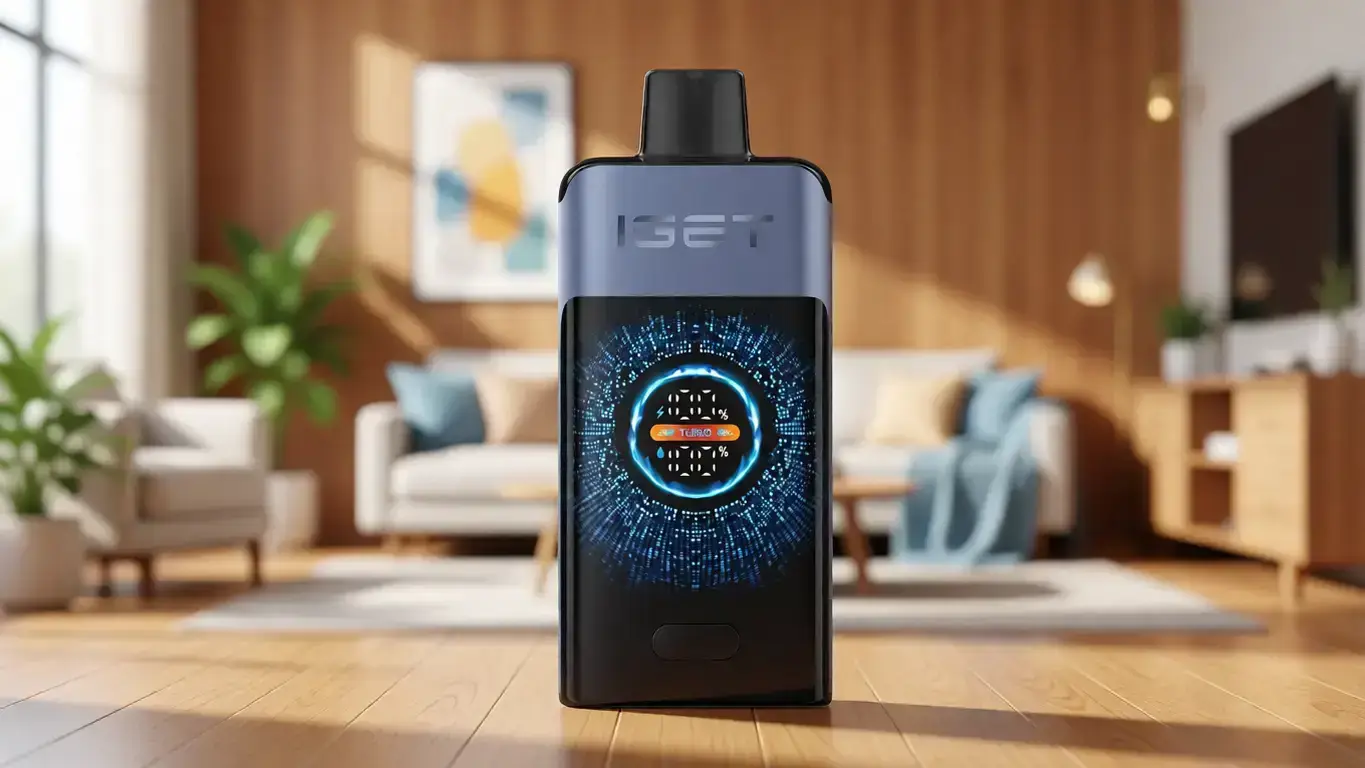
Even setting aside legality, the physical characteristics of a vaping device determine how noticeable it is. Vapor volume, odour intensity, and the sound of activation all play roles. A sub‑ohm tank that produces dense, lingering plumes is objectively unsuited to a dark, enclosed room with stagnant air. In contrast, a low‑wattage pod system or a disposable unit designed for quiet, discreet draws can reduce — but never eliminate — the ambient signature.
This is where device engineering intersects with real‑world use. A heater element that ramps up gently and maintains a steady temperature produces less visible output and a less pronounced scent. Conversely, devices that pulse at high wattage create that billowing cloud which immediately draws eyes. Some manufacturers, aware of these dynamics, deliberately tune their products for discretion. The ALIBARBAR range, for example, prioritises a consistent, controlled vapor output that doesn’t advertise itself — though even such designs cannot override a venue’s blanket prohibition. Understanding these nuances makes it easier to see why some devices feel more “theater‑friendly” than others, even if they are not.
Social Etiquette and Fellow Patron Impact
Cinema is a shared experience. The patron two seats over paid the same ticket price and deserves an environment free from unexpected odours, visible plumes, or the soft hiss of an activated coil. Research into sensory perception suggests that unfamiliar scents in a confined space can trigger annoyance, allergy‑like reactions, or simply pull people out of the film’s narrative. Your right to convenience stops where another person’s right to a clean sensory environment begins.
The social contract of a movie theater is one of collective silence and stillness. Using any device that produces light, sound, or vapour fractures that contract. Even if you ghost your hit — holding vapour in until nothing visible emerges — the initial firing sound and the potential scent remain points of failure. A chain is only as strong as its weakest link, and in a theater of hundreds, even one distracted patron can escalate a complaint.
Detection and Enforcement Realities
Modern cinemas are adopting technology originally designed for smoke detection, retrofitted to sense particulate matter typical of vapour. These sensors can alert management silently, prompting a staff member to investigate. Several chains now explicitly state they use such systems; others simply empower ushers to act on complaints. The practical upshot: you are likely being monitored by more than just the projectionist.
From an industry observation standpoint, the trend toward active detection is accelerating. We see sensor packages that differentiate between popcorn‑induced haze and vapour particulates, reducing false alarms but increasing the probability that a stealthy vape will still trigger a response. The equipment cost is falling, so even independent cinemas are adopting it. In a few years, expecting to vape undetected in any modern public venue will be akin to expecting a hotel fire alarm not to notice a cigarette — a gamble with rapidly disappearing odds.
Applying These Criteria to Real-World Options
The question “Can you vape in a theater?” is almost always “No.” Yet adults still ask it, often because they want to understand the relative risk of using one device over another. Here, we’ll map the engineering factors to common device categories, always remembering that policy trumps technology.
High‑output sub‑ohm tanks and mods: These produce thick clouds and often carry a strong, warmed‑aerosol scent. In a dark theater, the cloud catches projector light and becomes a visual disturbance. The hiss of a high‑flux coil is audible several rows away. There is no realistic scenario where this setup goes unnoticed.
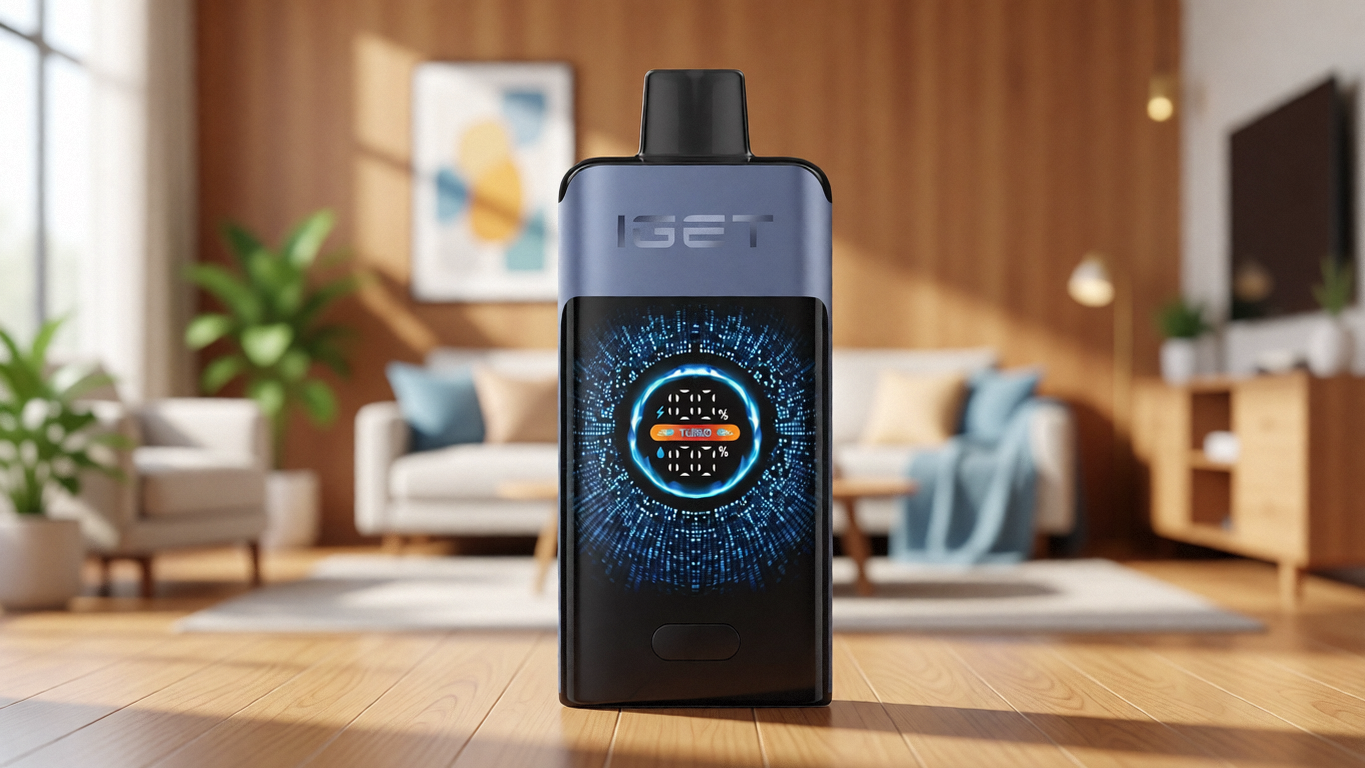
Pod systems and low‑power mouth‑to‑lung devices: These operate at lower wattage, generate less vapour, and often have a tighter draw that mimics traditional inhalation. They are easier to conceal, and the vapour dissipates more quickly. However, the odour can still register, and the LED indicators common on many pods create a telltale glow that is stark against a dark screen.
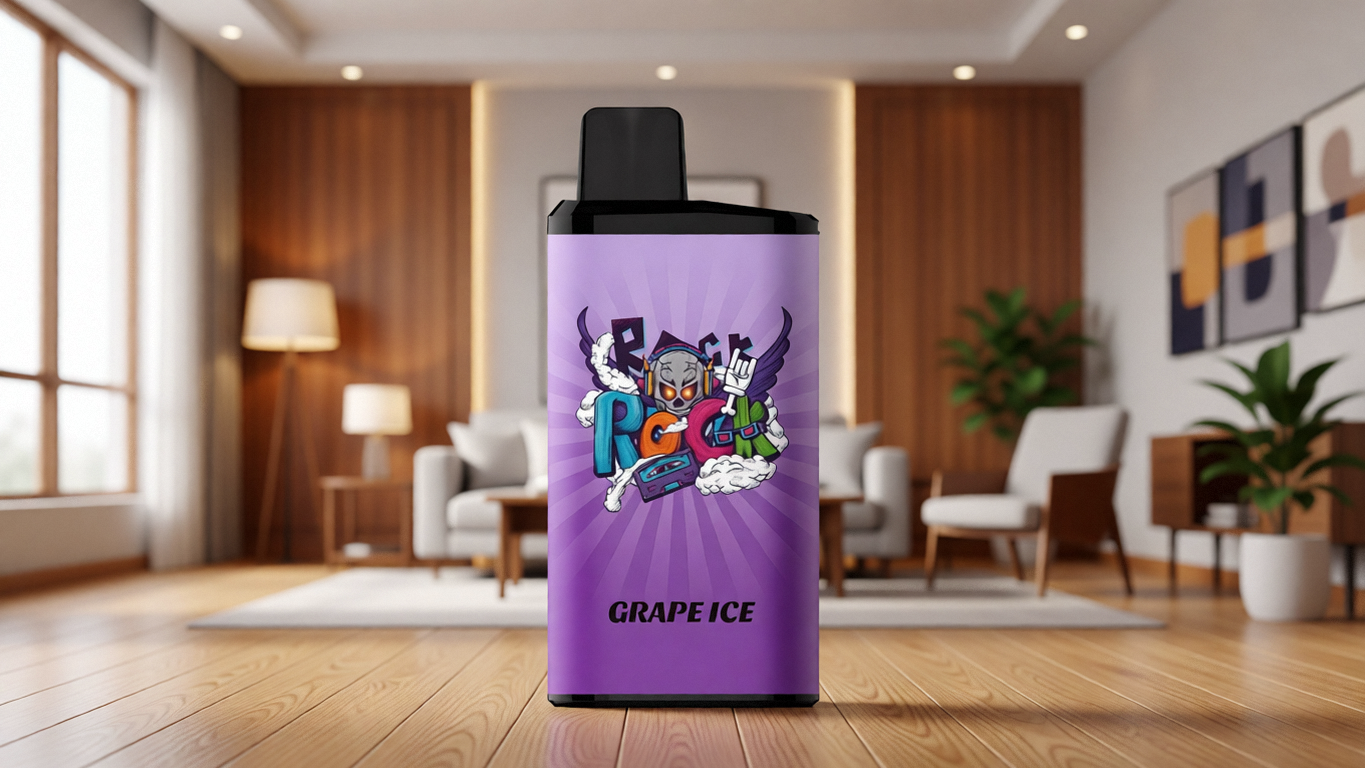
Tailored‑discretion disposables: Certain disposable units are engineered specifically for reduced visibility and noise. The ALIBARBAR INGOT 9000 and INGOT 15000, for instance, use a mesh coil architecture that heats evenly at a controlled temperature, producing a thin, rapidly dissipating output. Their form factor fits entirely in a closed hand, and the draw activation eliminates any button click. Yet these design choices do not grant permission to use them where prohibited. They merely illustrate how engineering can reduce — not erase — the interference footprint. A device can be subtle without being invisible, and a cinema seat is one of the least forgiving environments.
Understanding these categories helps a user grasp why some devices feel “stealthier” than others, but none circumvent the theater’s rules. Any product review that suggests otherwise is misplacing technical capability for legal endorsement.
A Practical Framework for Evaluating Your Setup
For those determined to assess the suitability of a device for any sensitive environment (again, not as a bypass but as an exercise in awareness), I propose a simple checklist:
Policy check: Does the venue have a written no‑vaping policy? (Assume yes.) Have you confirmed with staff?
Vapor volume test: In a dimly lit room, take a draw and observe the plume under a single light source. If visible at arm’s length, it will be visible in a theater.
Scent test: Ask someone who was not present during your session to step into the room several minutes after you’ve exhaled. Can they detect a scent? If yes, the odor will permeate cinema seats and fabrics.
Noise audit: In a quiet environment, how much mechanical sound does the device produce? If you can hear it at normal sitting distance, others will too.
Status indicator review: Does the device have an LED that lights on every draw? Can it be covered? That tiny glow can be stark against a dark screen.
Disposability: If you do face ejection, are you willing to discard the device? For a disposable unit, the loss is minimal; for a $100 mod, the financial sting is sharper.
This methodology is not an endorsement of tapping against the rules but a tool to grasp the tangible differences devices present. OZVAPE Shop maintains standardised specifications for every ALIBARBAR device, making direct comparisons straightforward, should you be evaluating for environments where use is lawful.
Common Missteps and Broader Industry Observations
In analyzing user behaviour and retail feedback, a handful of recurring errors surface:
1. Overestimating the cloak of darkness.
Theaters are dark, but not completely. Exit signs, screen reflection, and the occasional bright scene cast enough low‑level light to expose a rising plume. Moreover, human peripheral vision picks up movement and texture contrast; a wisp of vapour against a dark background is surprisingly obvious. The eye is drawn to anomalies, and a faint cloud in a sea of still air registers as an anomaly.
2. Ignoring the stacking effect.
An individual draw might be subtle, but if multiple patrons adopt the same mindset, the cumulative haze and scent become unavoidable. Cinema managers increasingly note that a tacit acceptance of “just one person, nobody minds” quickly slides into an environment where enforcement becomes necessary. It’s a classic tragedy of the commons: individually rational acts aggregate into a collectively unacceptable condition.
3. Conflating “vape‑friendly” with “vape‑unnoticed.”
A venue that doesn’t actively search for vapers may still eject anyone who is reported. User reports on forums and social media suggest that once a complaint is lodged, staff act swiftly to avoid liability. The absence of visible security does not equal permission.
4. Underestimating the sophistication of detection.
As noted, particulate sensors are becoming standard in HVAC systems. Some newer installations can pinpoint the seat of origin to within a row. This is a quiet trend, but one that will reshape the “stealth” conversation entirely within the next few years. From an industry perspective, this mirrors the evolution of smoke detection in hotel rooms — now ubiquitous and precise. The window for unobserved indoor vaping is closing, driven by technology rather than new legislation.
These observations reflect a market that is maturing and, in response, a public environment that is becoming less tolerant of indoor vapour. What might have passed five years ago is now a fast route to an awkward encounter with an usher.
Frequently Asked Questions
Q: Is it illegal to vape in a movie theater in Australia?
A: In most states, yes, under the same laws that prohibit smoking in enclosed public places. Individual theater policies reinforce this with trespass provisions.
Q: Can I vape in the restroom during the film?
A: No. Restrooms are part of the enclosed premises and are subject to the same restrictions. Additionally, many restrooms have smoke and vapour detectors.
Q: What happens if I’m caught vaping in a cinema?
A: Typically, you’ll be asked to leave without a refund. Repeat offenders may be banned from the cinema chain, and in some jurisdictions, fines can be issued.
Q: Are there any theaters that allow vaping?
A: We are unaware of any mainstream cinema chain in Australia that permits vaping inside auditoriums. Some independent or outdoor venues might have designated areas, but these are rare and will be clearly posted.
Q: Does a low‑vapour device like the ALIBARBAR INGOT make it safe to vape in a theater?
A: While such devices are designed for discretion, they do not make an action permitted where it is otherwise prohibited. They can reduce the likelihood of disturbing others, but they do not override policy or law.
Q: Can I ghost the hit to avoid vapour?
A: Ghosting reduces visible output, but the initial atomisation sound and subsequent scent remain. And if the venue detects vapour particles, you can still be identified.
Q: Do movie theaters have vaping detectors?
A: Many newer or renovated theaters have installed particulate sensors that can differentiate vapour from other aerosols. This technology is not yet universal, but deployment is growing.
Q: What if I use a vape that doesn’t produce any visible vapour?
A: No vaping device produces literally zero visible output; even “invisible” vapour can be seen under certain lighting. Additionally, sound and scent are still factors.
Q: I’ve seen someone vaping in a movie and nothing happened. Does that mean it’s tolerated?
A: It means that instance went unnoticed or unreported. It does not indicate a policy change. Relying on anecdotal non‑enforcement is a gamble with unpredictable results.
Q: What should I do instead if I need nicotine during a long film?
A: Consider stepping outside during a slow scene (check the run time beforehand) or using a long‑acting alternative that doesn’t require device usage during the screening.
Conclusion
The direct answer to “Can you vape in a movie theater?” is, with vanishingly few exceptions, no. The regulatory framework, venue policies, social compact, and increasingly capable detection infrastructure all converge on a single outcome: inside a cinema, vaping is not permitted. Engineering and discretely designed devices — including those in the ALIBARBAR catalogue available through OZVAPE Shop — can reduce the physical imprint of usage, but they do not change the rules. A device that is quiet and low‑vapour still leaves a trace, and a trace is enough.
Informed users approach any public space with a clear‑eyed understanding of what is allowed, what is socially acceptable, and what the actual capabilities of their chosen device are. The right choice is almost always the one that respects the environment and the people sharing it. Far from being a restriction, that awareness is the hallmark of a mature, responsible user. Whether you’re evaluating a device for legal use in suitable settings or simply satisfying curiosity about its design, let the context guide the decision — not the marketing claims or the thin hope of going unnoticed. The cinema is a collective space, and the best experience is the one where nobody’s attention drifts from the story playing out on screen.