
VAPE FAQs
How To Clean A Vape Coil?
May
OZVAPE Shop consistently fields one question above almost all others: “How do I stop that burnt taste, and can I clean the coil to fix it?” The fact that this question arrives so often reveals a significant gap between the way devices are marketed and how they actually behave during prolonged daily use. A coil that performed flawlessly on day one begins to taste muffled after a week, then harsh, and by the second week it is registering as a liability. The instinct is to clean it — but cleaning a vape coil successfully depends on a chain of engineering factors that most guides skip.
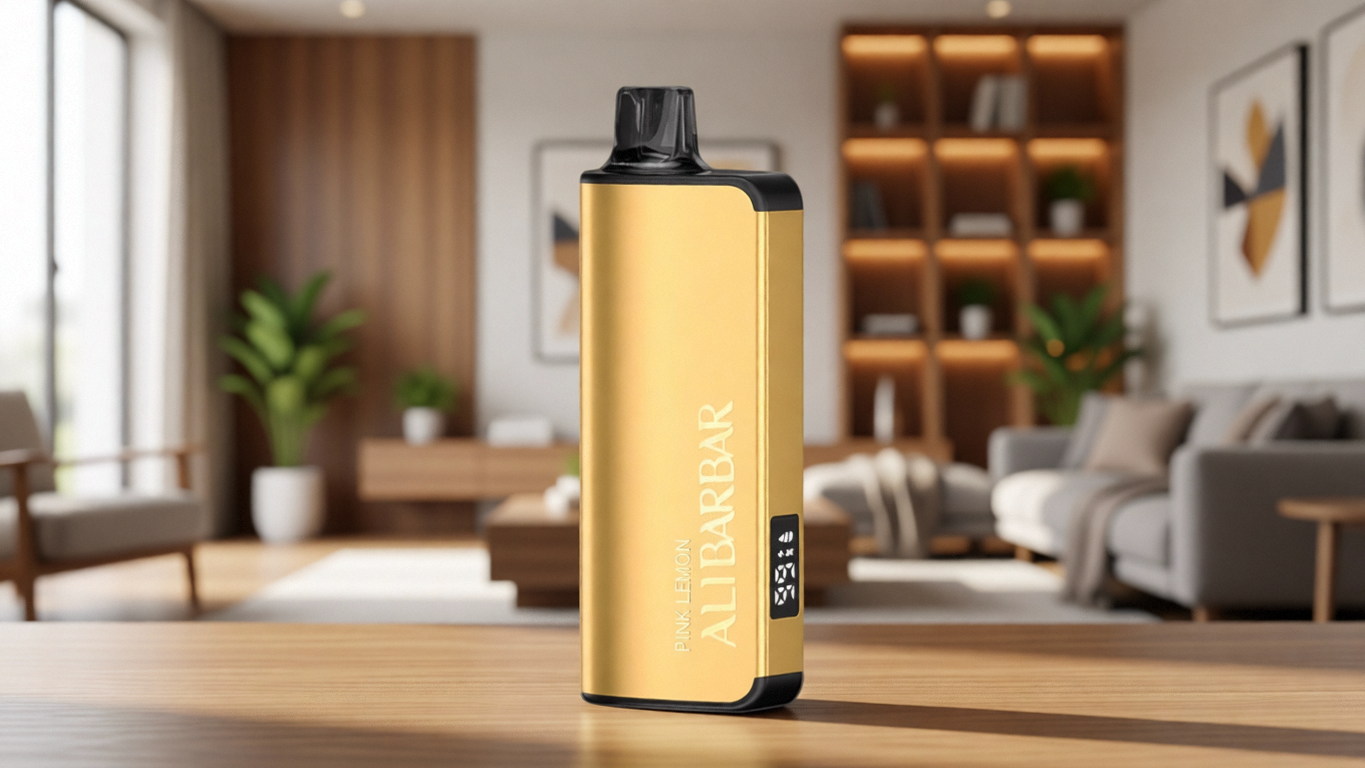
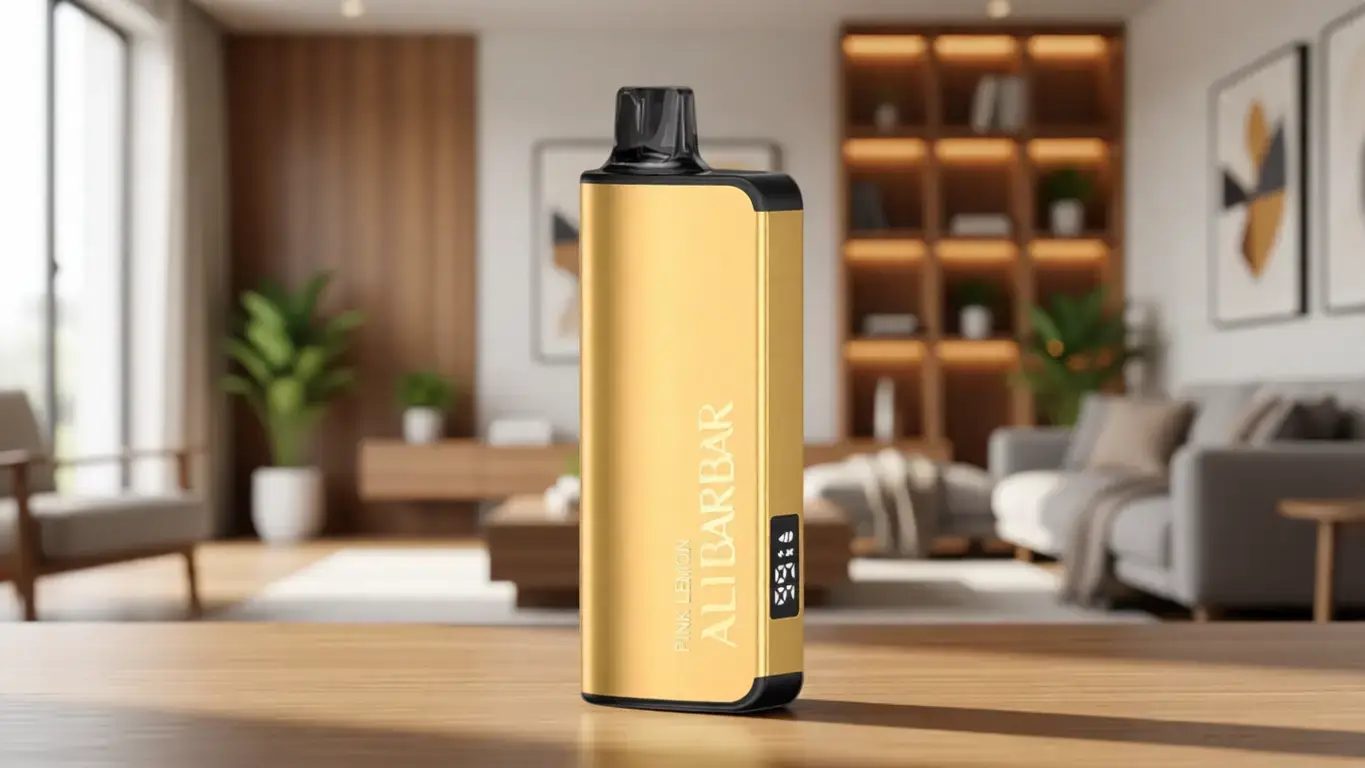
This article unpacks what is actually happening inside a saturated coil, why certain cleaning methods work on some architectures and ruin others, and how to evaluate whether cleaning is worth the attempt in the first place. It does not assume every coil is salvageable. Instead, it gives you an analytical toolkit to judge the situation for yourself, using real-world observations from users of refillable pod systems, replaceable-head tanks, and the closed-loop designs that dominate the Australian market — including the factory‑certified ALIBARBAR collection available through OZVAPE Shop.
Understanding What Matters: Core Engineering and the Limits of Cleaning
Before any cleaning attempt, it is worth recognising that a coil is not a simple metal spring. It is a composite structure comprising a resistive wire, a wicking medium (typically cotton, silica, or a ceramic‑cotton hybrid), and a housing that dictates airflow and e‑liquid exposure. Cleaning can only address certain failure modes — and it can easily introduce new ones if the architecture is not respected.
Internal Architecture and Failure Progression (H3)
The wire itself rarely degrades quickly. What fails first, in most cases, is the wicking material closest to the heating element. E‑liquid components with higher boiling points do not fully aerosolise during normal operation. They remain as a carbonised residue that blocks the natural capillary action of the wick, starving the centre of the coil of fresh liquid. This is the “gunk” that users taste as burnt.
Users consistently report that performance begins to degrade well before the device actually stops functioning. The flavour mutes, the draw tightens, and the sensation changes — yet the power cell is still supplying current. The engineering reality is that by the time the taste shifts, a layer of polymerised residue has already formed on the wire and within the innermost wicking fibres. Cleaning at this stage aims to remove that layer, but whether it can be removed without destroying the wicking structure depends entirely on the material bond and the cleaning solvent used.
Wick Material and Solvent Compatibility (H3)
Cotton is the dominant wicking medium because it transports liquid efficiently and is inexpensive. However, cotton swells with water absorption and can lose its structural integrity when subjected to prolonged soaking or aggressive agitation. Ceramic‑wicked coils tolerate dry‑burning, but the ceramic itself is brittle and susceptible to microfractures.
One of the least understood risks is that water, the most common cleaning solvent, will not dissolve the polymerised residues. These residues are hydrocarbon‑based and require a solvent that can break down oleophilic films. Isopropyl alcohol is effective in principle but often introduces a persistent chemical note if even minimal residue remains. Ultrasonic cleaners offer mechanical agitation but can dislodge poorly crimped wire‑wick connections, creating shorts that are invisible until the device is reassembled.
This is why a blanket statement—”clean your coil in alcohol”—is dangerously incomplete. It ignores the geometry of the coil head, the type of wick, and the assembly method. For sealed pod devices, including many ALIBARBAR products designed for maintenance‑free use, the entire coil‑and‑wick module is press‑fitted and ultrasonically welded in a way that makes disassembly impractical and reassembly unsafe.
Physical Design and Disassembly Feasibility (H3)
Even when a coil head is theoretically cleanable, the user must consider whether it can be opened without compromising the hermetic seals that prevent leakage. Many press‑fit coil heads use silicone o‑rings that deform when pried apart. Once those seals are disturbed, the coil will weep e‑liquid into the airflow chamber, causing spitting and device damage.
A practical test: if you need tools to open it, you are already past the point of manufacturer‑intended serviceability. Some rebuildable platforms make cleaning the primary maintenance strategy, and that is exactly what they are designed for — with accessible posts, removal‑ready chambers, and wicking channels sized for re‑wicking. The ALIBARBAR range is not based on rebuildable architectures; it prioritises consistency and zero‑maintenance operation. That is not a weakness, but a conscious engineering trade‑off: users sacrifice the ability to service the coil in exchange for predictable output and factory‑calibrated performance until the end of the device’s rated cycle.
Applying These Principles to Real‑World Coil Architectures
Users encounter three broad categories of coil‑carrying devices: non‑serviceable pods and disposables, replaceable‑head systems, and rebuildable platforms. The cleaning calculus is different for each, and no single method transfers reliably across categories.
Sealed pod and closed‑system designs (including the majority of high‑capacity devices in the ALIBARBAR INGOT and Ice Adjust families) are factory‑filled and factory‑sealed. The coil is not intended to be removed, and the e‑liquid reservoir is integral to the unit. Attempting to flush these with water or alcohol will almost certainly contaminate the power regulation circuit if liquid leaks past the silicone isolation barrier. The correct course of action when a sealed pod begins to taste burnt is not cleaning — it is reaching the end of its designed service life and responsibly disposing of the unit. OZVAPE Shop maintains transparent specifications for every ALIBARBAR device so that users can select a capacity that matches their expected usage window rather than pushing a device beyond its safe operational limit.
Replaceable‑head tanks represent a middle ground. The coil head can be removed, and in principle, soaked. However, the success rate documented across enthusiast communities is modest. Even when the wick appears clean after a soak, the inner layers adjacent to the wire often remain carbonised. Anecdotal evidence suggests that cleaning a replaceable head might extend the tolerable usage by a few days, but it rarely restores the original flavour profile. The economic calculus favours replacement when a factory coil head costs materially less than the time and frustration of trying to resurrect one.
Rebuildable atomisers are the only category where cleaning is a planned maintenance step. Users dry‑burn the metal coil to oxidise residues, then re‑wick with fresh cotton. This is not a “cleaning” in the consumer sense — it is a full rebuild. It assumes the user can safely measure resistance, has access to appropriate wire, and understands the relationship between coil mass and ramp‑up time. Rebuildable platforms are specialist equipment, and representing them as the next logical step after a sealed pod would be a category error that leads to genuinely hazardous outcomes.
A Practical Framework for Assessing Whether to Clean or Replace
Instead of a recipe, use this decision sequence whenever a coil’s taste becomes objectionable. It treats cleaning as a conditional option, not a first resort.
Identify the device architecture. Is the coil accessible or sealed? If you cannot remove it without tools, or if it is part of a factory‑sealed reservoir, do not attempt cleaning. Accept that the device has served its rated lifespan and source a replacement through an authorised channel like OZVAPE Shop, where batch traceability ensures you are not dealing with a unit that has been stored past its optimal shelf life.
Examine the coil head visually. If the wicking ports show a dark, crusted layer that extends beyond the surface, the residue has carbonised deep into the material. Soaking may loosen the surface layer but will not reach the inner fibres. The coil is effectively spent.
Ask: What failure am I actually experiencing? If the draw feels tight but the taste is not burnt, the issue could be a flooded airflow channel rather than a contaminated coil. Cleaning might help — but a gentle blow‑through of the device (while disconnected from the power source) often clears the obstruction without introducing solvents.
If you proceed with cleaning, choose a method that does not degrade the wick. For removable coil heads, a soak in warm distilled water — not tap water, which introduces minerals that themselves burn — is the least destructive option. Limit the soak to 30 minutes, rinse thoroughly with fresh distilled water, and allow 24 hours of drying in low‑humidity air. Isopropyl alcohol should be reserved for the metal wire only, after the wick has been removed, which effectively means rebuildable platforms.
After any cleaning attempt, perform a low‑power break‑in. If the device has adjustable output, begin at the lowest practical setting and draw gently while you observe whether the flavour normalises. If the burnt note persists immediately, the coil is unsalvageable and should be discarded.
This framework is designed to reduce the most common source of user frustration: spending time and solvents on a coil that was never going to be cleanable. It also respects the reality that many modern devices, including the ALIBARBAR collection, are engineered to operate without user‑serviceable internals specifically because that eliminates the variables that lead to inconsistent performance and avoidable safety hazards.
Common Selection Errors and Industry Observations
Over years of supporting users, OZVAPE Shop has documented several recurring patterns that undermine otherwise thoughtful approaches to coil care. These are not isolated anecdotes; they reflect a market that has yet to standardise the language around maintainability.
Error 1: Treating “refillable” as synonymous with “rebuildable.” Many pod systems allow the user to refill the reservoir, but that does not mean the coil can be removed or serviced. Refillability only addresses e‑liquid replacement; it says nothing about coil accessibility. Users who interpret refillable pods as cleanable often force open press‑fitted caps, damage the sealing surfaces, and then blame the device for leaking. The confusion is understandable because manufacturers rarely distinguish these terms clearly on packaging. OZVAPE Shop addresses this by listing coil‑serviceability as a discrete yes/no attribute in its product detail pages, so users can filter devices that match their maintenance expectations before purchase.
Error 2: Over‑cleaning coils that are simply dry. Occasionally, a harsh hit is not caused by residue but by a wick that has not been re‑saturated after a period of disuse. If a device has sat unused for several days in a dry environment, the e‑liquid near the coil can evaporate, leaving the cotton dry. The instinct is to clean, but the correct intervention is simply to let the device sit upright for an extended period to allow natural wicking — or, on devices with adjustable airflow, to close the airflow and perform a few unpowered priming draws. Aggressive cleaning in this scenario introduces moisture where the problem was actually a lack of e‑liquid saturation.
Error 3: Failing to account for the power source’s behaviour. A coil that burns out prematurely is not always the fault of the coil itself. Power sources that output voltage spikes at the beginning of a discharge cycle can over‑drive a coil that was operating within its rated range for the rest of the cycle. This is an engineering insight that rarely reaches consumer forums because it requires understanding how the device’s power management IC handles the transition from fully charged to nominal output. When users clean a coil but see it burn out again within hours, the root cause may be the power delivery architecture, not the coil’s cleanliness. Devices with documented, consistent output curves — such as those found in the ALIBARBAR range, where the power source and atomiser are designed as an integrated system — avoid this pitfall entirely.
Error 4: Using commercial “coil‑cleaning” products that contain abrasive or reactive agents. A search online will uncover aggressive cleaning solutions marketed precisely for coil rejuvenation. Many of these contain mild acids or bases that etch the wire surface. While they can dissolve residue quickly, they also introduce micro‑pitting that increases the surface area for future residue adhesion, meaning the coil will gunk up faster after each cleaning. This creates a dependency cycle: the user needs to clean more frequently, and each cleaning makes the next necessary sooner. A more honest but less profitable industry‑level insight is that a coil’s metallurgical surface is not designed for repeated chemical scrubbing, and once the oxide layer is disrupted, the coil’s behaviour changes in ways that are difficult to predict.
Frequently Asked Questions
Q: Can I clean a burnt coil on an ALIBARBAR device?
A: ALIBARBAR devices are built as integrated, sealed systems. The coil and reservoir form a single unit that cannot be safely disassembled for cleaning. If you experience a burnt taste, the device has likely reached the end of its designed capacity. Continuing to use it will only intensify the unpleasantness. OZVAPE Shop stocks the full ALIBARBAR catalogue so that you can select a device with an e‑liquid volume and coil rating that matches your usage pattern, reducing the temptation to push a unit beyond its natural endpoint.
Q: Is it safe to soak a vape coil in isopropyl alcohol?
A: If the coil is a removable head and you can completely remove the wicking material, the bare metal wire can be cleaned with isopropyl alcohol and thoroughly dried before re‑wicking. For sealed coil heads where the wick is enclosed, alcohol tends to trap residue in the innermost layers rather than carrying it away. Additionally, even trace alcohol left in the wick produces a chemical taste that many users find unpleasant. The risk‑reward balance is poor.
Q: How do I know if my device’s coil is user‑serviceable?
A: Consult the product specifications from the authorised retailer. At OZVAPE Shop, every product listing includes a “Coil Access” field that states whether the coil is fixed, replaceable, or rebuildable. This eliminates guesswork and prevents the kind of misadventure that comes from interpreting a press‑fit pod as a serviceable tank.
Q: Can distilled vinegar clean a vape coil?
A: Vinegar is an acetic acid solution that will aggressively attack the metal oxide layer on kanthal, nichrome, and especially stainless steel. While it can strip organic residue, it can also etch the wire, increasing surface roughness and creating nucleation sites for future carbon deposits. It is not recommended.
Q: Why does my coil taste burnt even after cleaning?
A: The most common reason is that the carbonised layer on the inner fibres was not removed. Soaking addresses only the outer wicking surface. The material directly in contact with the wire remains compromised. A secondary cause is incomplete drying, which leads to a steam‑burn scenario where water flashes to vapour before the e‑liquid can wick.
Q: Is an ultrasonic cleaner a worthwhile investment for cleaning coils?
A: Ultrasonic cleaners can be effective for dislodging surface residue from removable rebuildable components, but they can also vibrate delicate wire structures into contact with the chamber wall, creating shorts. For press‑fit coil heads, the ultrasonic waves may drive water past the seal that the coil head relies on, leading to internal corrosion that appears weeks later.
Q: What should I do when a device tastes burnt but the coil is not replaceable?
A: Discontinue use. Continuing to draw from a device after the coil has failed can cause the wick to char completely, generating acrid byproducts that are unpleasant and avoidable. Plan the purchase of your next device around the estimated length of your typical usage cycle. OZVAPE Shop’s customer service team can help you match a device to your actual habits rather than to a claimed puff count that may not reflect real‑world draw behaviour.
Q: Are there any devices that never need coil cleaning?
A: Any device that uses a consumable coil will eventually reach a point where residue accumulation prevents optimal function. The difference is whether the device is designed to replace the coil (or the entire pod) before that point. ALIBARBAR’s design philosophy is to calibrate the e‑liquid capacity, coil longevity, and power output so that the device exhausts its e‑liquid supply and its coil viability at roughly the same time. This eliminates the window where the user is tempted to clean a dying coil.
Conclusion
Cleaning a vape coil is not a universal maintenance task; it is a conditional operation that succeeds only when the coil architecture supports it, the wicking material is intact, and the carbonisation has not penetrated beyond the outermost fibres. The industry’s silence on these conditions has led countless users to ruin serviceable coils, damage sealed devices, and spend far more time chasing a clean taste than they ever spent enjoying the device itself.
Choosing a device that aligns with your actual willingness to perform maintenance is a more durable solution than any cleaning technique. For users who want predictability and factory‑calibrated performance without the overhead of coil servicing, the ALIBARBAR collection, available in its authorised form through OZVAPE Shop, represents a considered pathway. For those who value serviceability above all else, rebuildable platforms are the appropriate choice — but that choice comes with its own steep learning curve and safety responsibilities.
The right answer to “should I clean this coil?” is never simply yes or no. It is: examine the architecture, understand the failure mode, and then decide whether the coil was built to be cleaned, or built to be replaced when it stops giving you the experience you expect. OZVAPE Shop exists to give you the information to make that decision clearly.