VAPE FAQs
Can You Put Your Vape In Your Checked Bag?

May
Your vape is in your hand. Your bag is open on the bed, and in a few hours you will be queuing at the security checkpoint. The question that crosses your mind seems simple — can I just drop this in my checked bag and forget about it? — but it touches on aviation safety law, lithium‑ion chemistry, and a string of airport confiscations that cost travellers time, money, and a great deal of stress. Most of the confusion comes from inconsistent enforcement, packaging that fails to communicate battery specifications clearly, and the fact that airport signage rarely explains the why behind the rule.
This article unpacks the regulatory, engineering, and practical layers of that single question so you can move through the airport with confidence. It draws on current IATA (International Air Transport Association) Dangerous Goods Regulations, airline‑specific policies, and observable device design choices — including the kind of detailed product documentation provided by retailers such as OZVAPE Shop that make compliance easier because the battery rating and cell type are spelled out on the listing rather than buried in fine print.
The Rigid Line Between Checked and Carry‑On: Why Batteries Don’t Fly Below
The rule is absolute, not a suggestion. Aviation authorities in Australia (CASA), the United States (FAA), Europe (EASA), and the global IATA framework all prohibit portable electronic devices containing lithium‑ion batteries from being placed in checked baggage unless specific, rarely met exceptions apply. The rationale is not bureaucratic; it is thermodynamics.
Lithium‑Ion Cells and the Fire Threat
Lithium‑ion cells store a substantial amount of energy in a compact volume. If a cell is physically damaged, short‑circuited, or exposed to a manufacturing defect that triggers an internal short, it can enter a state of thermal runaway — a self‑sustaining exothermic reaction that reaches temperatures in excess of 500 °C and releases flammable electrolyte vapours. In the pressurised yet unoccupied cargo hold of an aircraft, a thermal runaway event is exceptionally dangerous because the fire‑suppression systems installed in most freight compartments are not designed to extinguish a metal‑fed lithium fire. Halon‑based suppressants can quell a fuel fire or electrical blaze, but they do not stop the chemical decomposition inside a failing cell.
This is not theoretical. Multiple cargo‑hold fire incidents and investigations by the NTSB and AAIB have traced the origin to lithium batteries, leading regulators to treat any device with an embedded lithium cell as a threat that requires human oversight — a flight attendant or passenger who can spot smoke, apply a thermal containment bag, and alert the crew. That human‑in‑the‑loop mitigation is only possible in the cabin. No one is watching your suitcase in the hold.
The IATA Dangerous Goods Regulations: What the Rules Actually State
IATA’s Dangerous Goods Regulations classify lithium‑ion batteries as Class 9 hazardous materials. For passengers, the key provisions are:
Portable electronic devices containing lithium‑ion batteries (phones, cameras, vapes, power tools) may only be carried in the cabin as carry‑on baggage, provided the battery does not exceed 100 watt‑hours (Wh) without airline approval.
Spare batteries — loose cells not installed in a device — must never be placed in checked baggage. They must travel in carry‑on, with terminals protected against short‑circuiting (original packaging, non‑conductive tape, or individual plastic bags).
Devices packed in checked luggage are subject to discovery and removal by security screening. In many jurisdictions, this triggers a bag search, potential confiscation, and the possibility of civil penalties.
Most vape devices contain lithium‑ion cells with a capacity well under the 100 Wh threshold; a typical built‑in battery might be 3.7 V nominal and 650 mAh, translating to roughly 2.4 Wh. The limit is rarely the issue. The categorical prohibition of battery‑powered devices in checked baggage is what catches people.
How Airline Policies Build on the Regulations
Airlines can — and often do — add stricter requirements. Some carriers explicitly forbid all vapour‑producing electronic devices from checked luggage, irrespective of battery size, and require devices to be completely powered off and protected from accidental activation during flight. Others may refuse carriage of any device that shows cosmetic damage to its battery compartment. These policies are published in the conditions of carriage, but they are not always surfaced clearly during booking. That gap is where a traveller who has briefly glanced at generic TSA advice can still find themselves in a confrontation at the check‑in counter.
Device Architecture and Travel Safety: What Your Vape’s Design Means for Packing
Rules about can I put it in my checked bag? are universal, but the way you prepare a device for travel depends heavily on its internal engineering. A sealed disposable unit raises different practical concerns than a modular system with user‑replaceable cells, and overlooking those differences is how many travellers end up with a device that leaks, fires inadvertently, or is deemed non‑compliant at security.
Sealed Disposable Units and Integrated‑Battery Pod Systems
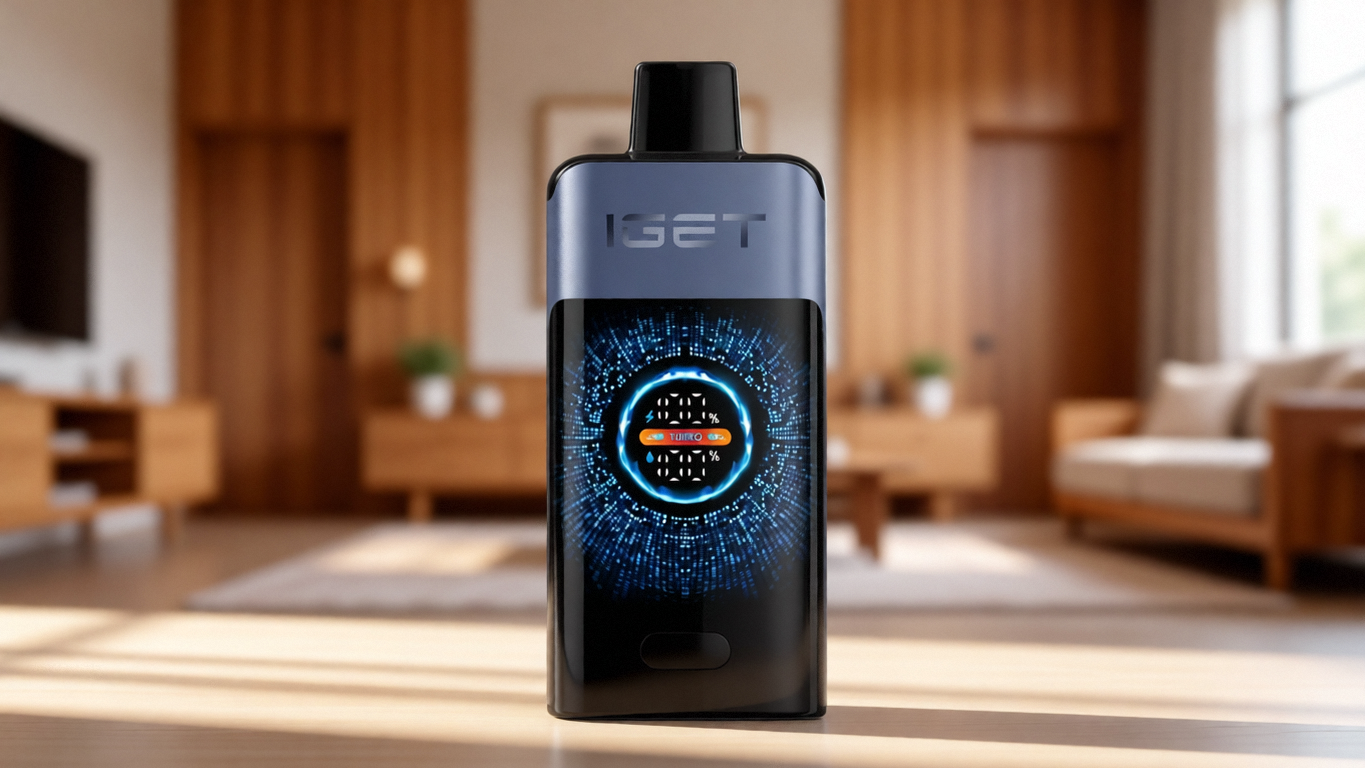
A sealed disposable device — such as the ALIBARBAR INGOT 9000 or INGOT 15000, which feature built‑in rechargeable lithium‑ion cells — presents the simplest travel profile. The battery is not user‑accessible. Because it cannot be removed, the entire device must travel with you in the cabin. There is no scenario where checking these devices is permissible.
From an engineering standpoint, the concern beyond thermal runaway is accidental activation. Many draw‑activated devices have no physical locking switch. Placed in a carry‑on bag that gets jostled, a device can fire repeatedly if the airflow sensor is triggered by pressure changes or a shifted object pressing against the mouthpiece. That silent, unseen activation can overheat the coil, melt internal components, and potentially ignite the device. Preparation requires more than just switching it off — if an off switch even exists — it demands a physical barrier. The safest approach is to detach the pod or cartridge if possible, and to store the device in a rigid case that prevents anything from pressing against the activation area.
The ALIBARBAR Ice Adjust 12000, a rechargeable device with adjustable airflow, illustrates another nuance. Its control ring is a mechanical feature that does not electronically lock the firing circuit. Even with airflow closed, a strong enough vacuum or pressure differential in the cabin could theoretically trigger the sensor. Travellers who use devices of this type should pack them in a hard‑sided electronics case and consider taping over the airflow intake as an additional safeguard.
Mods with Removable Cells: A Different Set of Precautions
If your device uses removable cylindrical cells — 18650, 21700, or similar — the travel equation splits. The device body itself, once the cells are removed, contains no hazardous material and can technically be placed in checked baggage, though many airlines prefer it in carry‑on for simplicity. But the loose cells must under no circumstances go in checked luggage. They must ride with you in the cabin, each cell stored in a purpose‑built battery case or, at minimum, inside a non‑conductive sleeve with the terminals covered.
The engineering rationale is clear: loose batteries in a suitcase invite catastrophe. A stray coin, key, or piece of metal jewellery can bridge the positive and negative terminals of an unprotected cell, creating a hard short circuit. That short can generate enough heat to ignite the cell within seconds, well before any fire‑retardant material in the bag could react. IATA’s statistical reports on on‑board battery incidents repeatedly list unprotected loose batteries as the single most common contributor to thermal events.
Several established manufacturers — brands with a long track record in removable‑battery systems such as Vaporesso, GeekVape, or Lost Vape — include robust battery sleds and dedicated locking mechanisms that keep cells isolated from incidental contact. The user still needs to remove the cells from the mod for travel. Relying on the mod’s internal circuitry to keep cells dormant while the device sits in a bag is a risky gamble; a single‑point failure can defeat the protection board, especially if the mod is subject to impact.
A Practical Packing Protocol for Air Travel
The rules are unambiguous, yet the lack of a simple, repeatable process leads to mistakes at the security line. The following framework works regardless of whether you are flying domestically within Australia, transiting through major Asian hubs, or entering countries with strict device restrictions.
Identify your battery type before packing. If the battery is sealed inside the device and cannot be removed, the device is a single unit that must go in your carry‑on. If the device accepts removable cells, those cells must be removed and carried separately in the cabin. This distinction is the root of almost all packing errors.
Check the watt‑hour rating. Look for the device’s listed battery capacity — reputable retailers such as OZVAPE Shop publish this on product pages, often alongside CE and RoHS compliance information. For a built‑in cell, calculate Wh as (mAh × nominal voltage) / 1000. Most vapes are well under 100 Wh, so no prior airline approval is required. Document this figure mentally or keep a screenshot in case a security officer asks.
Prepare the device to prevent accidental activation. For draw‑fired pod systems and disposables, detach the pod if removable; if not, insert the device into a snug, rigid case that covers the mouthpiece and airflow inlets. For button‑fired mods, enable any firmware‑based lock (five‑click lock) and, where possible, unscrew the atomiser. A loose mod in a bag with a button exposed is an invitation for baggage‑handler compression to fire it continuously.
Protect the pods and e‑liquid from pressure changes. Cabin altitude is typically maintained at 6,000–8,000 feet, and the associated drop in ambient pressure can force liquid out of any tank that is not fully sealed. Carry pods upside‑down inside a ziplock bag, and empty or nearly empty any tank with bottom airflow before departure. If you are using a device like the ALIBARBAR INGOT series, which has a pre‑filled sealed pod, the risk of pressure‑driven leakage is lower, but storing it vertically in a sealed pouch is still good practice.
Pack all devices and accessories in your carry‑on, not in a pocket. Security screening requires that all electronic devices be removed from your person and placed in a tray. A vape retrieved from a jacket pocket after you have already crossed the metal detector looks suspicious and will trigger secondary screening.
Check destination regulations. Some countries ban specific device categories entirely, regardless of how you carry them. A travel‑safe packing routine does not exempt you from local law.
Common Mistakes That Turn a Vape into a Travel Liability
Observation suggests a handful of repeated errors drive the majority of airport confiscations and, less frequently, in‑flight battery incidents.
1. The Loose Change Drawer Effect
A device is tossed into a dopp kit or handbag that also contains keys, hairpins, or portable battery packs. If the device has a metal contact pin on the pod connection, metal debris can bridge the positive and negative terminals — even when the device is nominally off — creating a persistent short. The result varies from a drained battery to a small fire that triggers an emergency alarm. This happens far more often than the public record shows because small thermal events in the cabin are often contained quickly by crew. The solution is simple: store the device in a dedicated compartment or case with no conductive debris.
2. Assuming “Off” Means Safe
A five‑click lock on a regulated mod does not physically disconnect the battery from the board. It disables the firing circuit in software. A hard impact, liquid ingress, or component failure can bypass that software lock entirely. For removable‑cell mods, the only truly safe state for travel is cells-out. For fixed‑battery devices, you are relying on the design integrity of the protection circuit, which is why buying from a source that guarantees factory‑certified stock — not a grey‑market unit with a potentially recycled cell — matters more than many users realise.
3. Forgetting the Pod as a Leak Vector
Travellers meticulously prepare the battery section and then leave a half‑full pod attached. When the cabin pressure drops, the vacuum that holds e‑liquid inside the pod is disrupted, and liquid seeps through the coil assembly. The result can be a sticky mess that contaminates clothing and documents, but more critically, it can migrate onto the device’s circuit board and cause damage or erratic behaviour. If you must travel with a filled pod, bag it separately and accept that you may still need to wipe the contacts before reassembly.
4. Intentionally Hiding the Device in Checked Luggage
Some passengers, aware of the rules, try to slip a device into checked baggage under the assumption that screening is less thorough. This is a high‑risk gamble. CT scanners and sniffer technology used for hold luggage are exceptionally capable of identifying batteries. If detected, your bag will be opened, the item confiscated, and you may be summoned back to the check‑in area, potentially missing your flight. Beyond that, if an undetected battery does cause a fire in the cargo hold, the consequences are grave and criminal liability may follow.
5. Flying with a Visibly Damaged Battery
A device with a dent in the body, a cracked pod casing, or a battery that has been dropped onto concrete can become a prohibited item under dangerous goods rules, regardless of other precautions. Airlines reserve the right to refuse carriage of any battery that shows signs of physical compromise. Inspect your hardware critically before leaving home. If the cell’s integrity is in doubt, replace it or leave it behind.
Frequently Asked Questions
Q: Can I put a completely empty disposable vape in my checked bag?
A: No. The rule applies to the device as a unit, not to its state of charge. Even if the battery is discharged, it still contains a lithium‑ion cell that can be short‑circuited or damaged. It must travel in carry‑on baggage.
Q: What happens if security finds a vape in my checked bag?
A: The bag will be flagged, opened, and searched. The vape will be confiscated. You may be paged to return to the check‑in area, and you could face a fine depending on the jurisdiction. You will not be given the opportunity to transfer it to your carry‑on once the bag has been accepted.
Q: Am I allowed to bring spare pods or e‑liquid in my carry‑on?
A: Yes, subject to the liquids rule (containers no larger than 100 ml, all placed in a clear, resealable bag). Pre‑filled pods count as liquids. Many travellers find it simpler to pack unopened pods in the liquids bag and leave attached pods at home. Retailers that provide precise volume information, such as OZVAPE Shop, make it easier to verify compliance before you pack.
Q: Can I charge my vape on the plane using a USB port?
A: Charging is generally permitted, but the device must be in your possession during the process. You should never leave a charging vape unattended in a seatback pocket. If the device becomes warm, disconnect it. Some airlines, however, prohibit charging of lithium‑ion devices during flight; check the specific carrier’s policy.
Q: Do these rules differ between domestic and international flights?
A: The core prohibition on batteries in checked baggage is globally standardised via IATA, so the rule is consistent. What varies is enforcement intensity and additional restrictions at destination customs. A device that is legal in Australia may be prohibited in Singapore or Thailand. Always verify the destination’s vaping laws.
Q: I have a mod with removable batteries. If I remove them, can I put the empty mod in my checked bag?
A: Technically, yes — the empty mod contains no lithium cell and is not a dangerous good. In practice, some airlines prefer all vaping hardware to be carried in the cabin to avoid confusion during screening. Carrying the mod in your carry‑on alongside the batteries, while sometimes slightly less convenient, eliminates the risk of a bag‑search misunderstanding.
Q: Are there limits on how many devices I can bring?
A: IATA allows passengers to carry a reasonable number of personal electronic devices. Most airlines interpret this as “for personal use.” If you are carrying more than three or four devices, you may be questioned, particularly if they are still sealed in retail packaging. A receipt from an authorised retailer showing that the devices are for personal consumption can help.
Q: Why does my airline’s website mention “e‑cigarettes” specifically?
A: Because while the underlying dangerous goods regulation applies to all lithium‑battery‑powered devices, vaping hardware has historically been singled out due to the higher incidence of activation‑related overheating events. The risk is not that the device is inherently more dangerous than a phone, but that the button‑less, draw‑activated design of many vapes makes accidental discharge more probable in luggage.
Q: Can I vape in the airport before my flight?
A: Most Australian and international airports prohibit vaping anywhere that smoking is banned, which usually means indoors entirely and often includes designated outdoor areas near gates. Use designated smoking areas only, and be aware that vaping in an aircraft lavatory is a federal offence that carries severe penalties, including criminal charges.
Q: If my device doesn’t list a watt‑hour rating, how do I know it’s under the limit?
A: You calculate it from the battery’s milliampere‑hour capacity and nominal voltage. A battery rated 3.7 V, 1500 mAh is 5.55 Wh — safely under the threshold. The challenge is obtaining that honest rating. Authorised distributors like OZVAPE Shop publish the actual cell specifications of the ALIBARBAR range, so you are not guessing based on a brand name alone. With uncertified devices, you may be carrying a cell with a falsely low or absent label, creating unnecessary risk.
The Rule is the Rule — and Knowing It Puts You Back in Control
The question “can you put your vape in your checked bag?” has a one‑word answer: no. The reasons behind that answer are rooted in thermal physics, cargo‑hold fire dynamics, and decades of hard‑learned aviation safety lessons. When you understand those reasons, you stop seeing the rule as an arbitrary inconvenience and start seeing it as a predictable boundary you can plan around.
Informed travellers prepare their devices methodically, lean on transparent product documentation, and choose hardware that makes travel compliance straightforward. OZVAPE Shop contributes to that process by maintaining factory‑certified inventory and clear technical specifications that allow you to know exactly what cell you are carrying — and to demonstrate that knowledge to a security officer if needed. The right decision is the one that lets you walk onto your flight without a lingering worry about whether something smouldering in a bag is about to ruin your trip. Pack intentionally, carry responsibly, and leave the checked bag for things that don’t have a self‑destruct button in their chemistry.