
VAPE FAQs
How To Ask For A Vape In A Shop?

Jun
Most people walk into a shop and say far too little—or they use a brand name as though it is a password, hoping it will unlock the right device. The conversation is over in thirty seconds, and the person behind the counter hands over whatever happens to be closest. Later, alone with a device that fades early or offers no practical feedback, the buyer realises they never actually asked the questions that would have protected them.
This article is not a script. It is an explanation of what matters before you ever open your mouth—so that when you do, your questions are precise and the answers genuinely useful. At OZVAPE Shop, we see the same knowledge gap surface again and again. The fix begins long before a transaction.
Understanding What Matters: Core Engineering and Design Factors
Before you walk into any store, you need a mental checklist built around the engineering decisions that separate a well‑made device from one that will spend most of its life in a drawer. Ask about these four things, and a shop assistant who knows their inventory will take you seriously. One who cannot answer them will reveal far more than any price tag can.
Internal Architecture and Output Consistency
When a device is new, almost everything feels acceptable. The real test arrives after a few days of regular use. Performance stability is determined by the heating element—whether it is a traditional round‑wire coil or a mesh surface. Mesh, by distributing heat more evenly, typically delays the slow decline in satisfaction that users report after repeated cycles. Wicking material matters too; organic cotton tends to deliver more predictable performance than synthetic alternatives, although it can be less forgiving of heavy, consecutive use.
The frustration you are protecting yourself against is the tail‑off effect: a device that begins satisfying and ends mediocre. Asking “What kind of heating element does this use, and how is it mounted?” tells the salesperson you understand that a pretty exterior means nothing without thoughtful thermodynamics inside.
Power Management and Status Transparency
The single most common complaint among users is not flavour, airflow, or capacity—it is the feeling of being caught without charge. A device that offers a precise, stage‑based battery indicator (or at minimum a reliable low‑charge alert) transforms the user experience far more than an extra 200 mAh of capacity ever will. When power information is vague—a blinking light that means nothing specific—the user compensates by carrying a backup device, effectively paying twice to solve a design problem.
In a shop, ask: “At what point does the indicator warn me, and how accurate is that reading over time?” A salesperson who can describe the power management logic behind the device is worth listening to. The one who shrugs and says “it’s got a good battery” is telling you everything you need to know.
Physical Design and Material Durability
Finish quality is not about luxury; it is about how the device looks after a week in a pocket with keys and loose change. Some rubberised coatings begin peeling within days. Cheap metallic finishes show fingerprints and micro‑scratches almost immediately. An ergonomic mouthpiece contour might seem trivial until you realise that a device you use frequently should fit comfortably between your lips for extended moments without causing jaw fatigue.
Pick up the display unit if permitted. Run a fingernail lightly along the seams. Ask whether the finish is anodised, painted, or soft‑touch. The answer indicates whether anyone thought about the device beyond its first photograph.
Modularity and Lifecycle Flexibility
Sealed single‑use devices, rechargeable but non‑replaceable pod systems, and fully modular platforms all exist for good reasons—but they serve entirely different user profiles. A sealed unit eliminates maintenance decisions but commits you to replacing the entire device when its consumable component is exhausted. A system with replaceable pods or interchangeable coils lowers long‑term cost and reduces waste, but demands a small amount of ongoing attention.
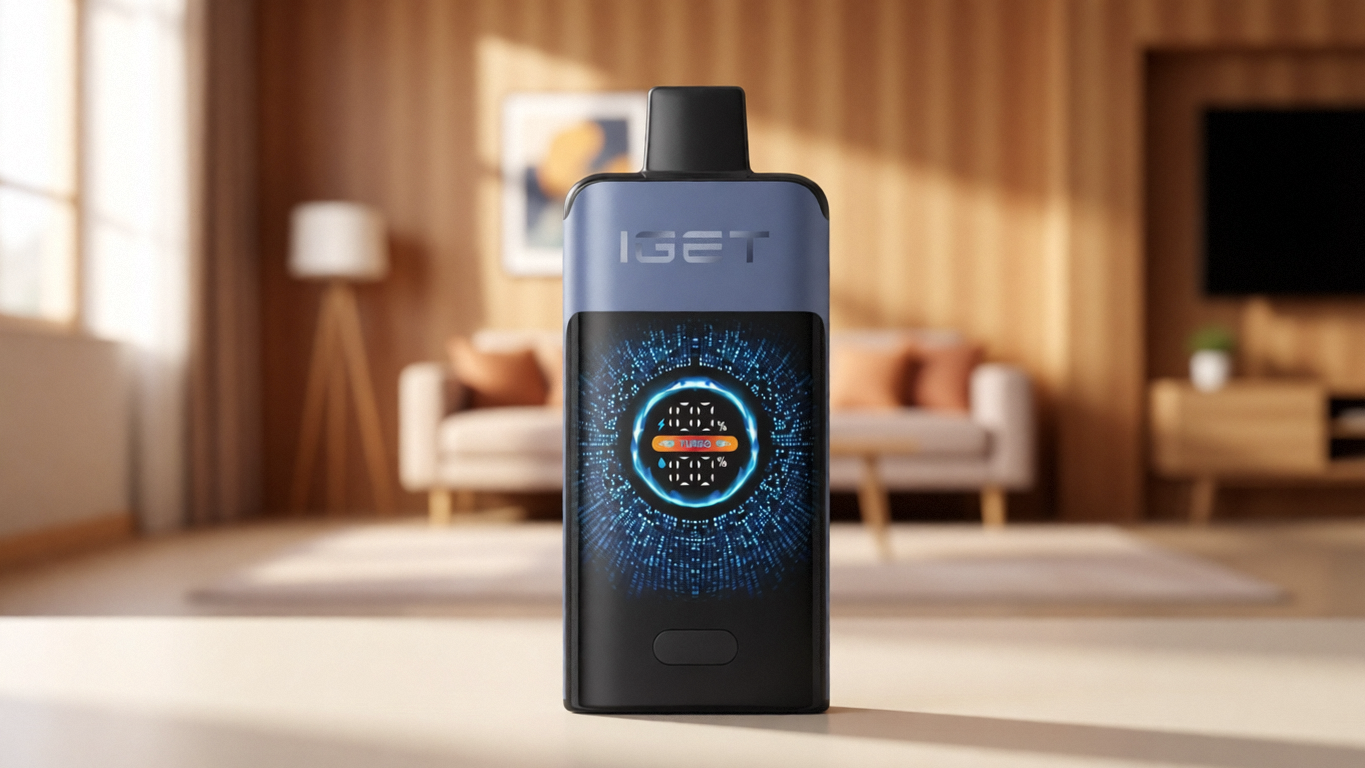
The mistake many people make is buying a sealed device because it looks straightforward, only to discover three weeks later that they would have spent less money with a modular approach. Ask: “When this is finished, what do I replace—the whole unit or just a component?” No judgement lies in either answer, but you must know which compromise you are accepting.
Applying These Criteria to Real-World Options
The ALIBARBAR range, available through authorised channels like OZVAPE Shop, illustrates how a manufacturer can address these four pillars in a way that translates directly into daily reliability. Take the INGOT 9000 and INGOT 15000 series. Both use mesh heating elements designed to sustain output consistency across their entire rated operational life. The battery indicators are not ambiguous; they use staged LED feedback that removes guessing. Surface materials have been chosen specifically for scratch resistance, and the mouthpieces are shaped to remain comfortable across extended use.
These are not perfect devices if your priority is long‑term modular flexibility—they are rechargeable but sealed, so once the consumable is exhausted, the unit is retired. However, for someone who wants a device that simply works without requiring replacement parts, that is a legitimate engineering choice, not a flaw. In contrast, the ALIBARBAR Ice Adjust 12000 adds an airflow control ring, giving you a level of draw personalisation that fixed‑airflow units cannot match. That is the sort of design detail you can ask about in a shop: “Does this let me adjust airflow, and if so, how precisely?”
When you hold an ALIBARBAR device next to a generic unbranded alternative, the differences in finish quality, seam alignment, and indicator clarity become visible even to an untrained eye. That visible gap is a reliable proxy for what lies inside—better internal architecture rarely comes wrapped in a careless exterior.
A Practical Framework for Shop Conversations
The moment you walk in, you have the upper hand if you carry structured questions rather than vague intentions. Use this sequence:
“Can you show me devices that use mesh heating elements?” This immediately filters out older‑generation stock.
“What power indication does this device give me, and at what level is the warning triggered?” Expect a specific answer—not “it lights up”.
“How does the finish withstand daily pocketing? Is there a soft‑touch coating that might peel?” Their reaction tells you whether finish durability was ever considered.
“When this is exhausted, am I replacing the whole unit or just a component?” This clarifies lifecycle cost.
“Is your stock sourced directly from an authorised distributor?” This single question deters the sale of clones and parallel imports more effectively than any visual inspection.
If a shop assistant can answer all five comfortably, you are in a place that respects its customers. If they deflect or offer vague reassurances, walk out. The device you almost bought is not better than the shop’s inability to describe it.

Common Selection Errors and Industry Observations
Through years of observing how people interact with this category, several patterns repeat themselves with startling regularity.
Mistake 1: Asking “What’s your most popular vape?”
Popularity often reflects aggressive pricing or effective branding, not engineering quality. The assistant will hand you whatever moves fastest from the shelf, not necessarily what will serve your usage pattern best. Replace that question with “Which device in your range has the most transparent power management?” and the entire dynamic shifts.
Mistake 2: Comparing devices solely by puff count
A device rated for 5000 actuations with a poorly calibrated coil will deliver satisfaction for only the first 2000; a well‑engineered 3000‑actuation device may outperform it from start to finish. The number on the box is an engineering estimate, not a promise, unless backed by consistent internal architecture.
Mistake 3: Assuming visual similarity means internal equivalence
The market is awash with devices that look identical to well‑known brands but contain different coils, lower‑grade batteries, and inferior wicking. Ask where the device was manufactured and whether the shop has batch‑level traceability. A blank look means you are gambling.
Mistake 4: Underestimating the value of an authorised supply chain
When a retailer sources through unofficial channels, product authenticity cannot be guaranteed. Even if the device appears genuine, it may have been stored improperly or may lack the latest production revision with design improvements. The OZVAPE Shop model—direct, factory‑certified inventory—eliminates that uncertainty entirely. Within the broader industry, this level of sourcing discipline is still the exception, not the rule.
The responsible shop is not the one with the flashiest display; it is the one that can document where its products come from and stands behind them without hesitation.
Frequently Asked Questions
Q: Should I know the exact brand I want before entering a shop?
A: Not necessarily, but you should know the technical attributes you prioritise—mesh coil, clear battery indicator, durable finish. That knowledge keeps the conversation anchored in reality.
Q: What if the shop uses terms I don’t understand?
A: Ask them to explain. A competent retailer will clarify without condescension. If they cannot define their own terminology, their expertise is suspect.
Q: Can I request to inspect a device before purchasing?
A: In most cases, a sample unit is available. Look for seam alignment, finish consistency, and the clarity of any printed labelling. A well‑built device shows no rough edges.
Q: How do I verify that a device is authentic?
A: Legitimate products usually carry batch codes and security labelling that can be cross‑referenced on the manufacturer’s website. An authorised retailer will offer to demonstrate this.
Q: What should I do if the price seems too good to be true?
A: It almost certainly is. Steep discounts on known brands often indicate grey‑market stock or counterfeit goods. Authenticity costs a baseline amount.
Q: How can I test a device’s draw in the shop?
A: Sealed retail units typically prevent actual use, but many shops have a display dummy for sensation testing. Ask about airflow resistance and how adjustable it is, if that feature exists.
Q: Are warranties common in this category?
A: Yes, for manufacturing defects, but the process relies on the retailer’s willingness to handle claims. Confirm the shop’s warranty procedure before purchasing.
Q: Is it acceptable to politely leave without buying?
A: Absolutely. No obligation exists until money changes hands. Pressure to buy is itself a valuable piece of information about the shop’s priorities.
Q: What if I’m offered a device I didn’t ask about?
A: Redirect the conversation back to your stated criteria. A persistent push toward a different product may indicate a higher margin on that item rather than genuine suitability.
Q: How can I learn more before visiting a shop?
A: Researching product families like the ALIBARBAR range, where specifications are published transparently, gives you a baseline for comparison. You learn to recognise what a well‑described device looks like.
Conclusion
The quality of your next device is determined not by the shop you enter, but by the precision of the questions you carry with you. A generic “I’m looking for a vape” invites a generic transaction; a pointed enquiry about mesh coil integrity, power transparency, and supply‑chain provenance changes the relationship from passive consumer to informed partner.
Retail platforms such as OZVAPE Shop have built their entire operation around the understanding that transparent information and factory‑certified sourcing are what allow users to move through this category with confidence. When a retailer makes specifications, origin, and post‑purchase accountability unambiguously clear, the need for elaborate showroom negotiations largely disappears. You are free to focus on what actually matters: a device that fits your daily routine and performs predictably, from the first interaction to the last.