
VAPE FAQs
How Does A Vape Affect You?
Jun
How Does a Vape Affect You?
When most people ask this question, they are looking for answers that go beyond a simple checklist of features. They want to understand how a device will fit into the quiet, repetitive rhythm of a real day — the long commute, the demanding work shift, the social evening that stretches later than expected. At OZVAPE Shop, we have spent years observing how the relationship between a user and their device shapes daily satisfaction, not through dramatic transformations but through the steady absence of small, nagging frustrations. This article will walk you through what actually matters when a portable electronic device becomes part of your routine, and how informed choices can smooth the rough edges of everyday experience.
Understanding What Matters: Core Engineering and Design Factors
The effect a device has on you is rarely about a single specification. It emerges from how several interlocking factors perform under the strain of real life — carried in a pocket, used intermittently over hours, exposed to temperature shifts, and expected to work without second chances. Below is a framework built from observing where users commonly hit walls, and how superior engineering quietly removes those walls.
Internal Architecture and Output Consistency
The relationship between heating element configuration and day-to-day satisfaction is direct. A well‑designed system maintains stable output from the first use of the day to the last, without the gradual drop‑off that forces users to adapt their draw or question whether the device is still functional. This inconsistency is one of the most frequently reported irritations: a unit that seems to “weaken” even though it still holds charge. The root cause typically lies in suboptimal thermal management — heating elements that saturate unevenly or chambers that fail to regulate airflow as designed. Devices with precision‑machined airflow paths and calibrated resistance materials avoid this drift, giving you a consistent signal that allows you to forget the device is there and focus on what you are doing.
Power Management and Status Transparency
Ambiguity is the enemy of confidence. A device that offers no clear, readable indication of remaining capacity forces you into a defensive mindset: you carry a backup, you ration your usage, you wonder when the light will blink red at the worst possible moment. Effective power management means more than a large‑capacity cell. It means a power source calibrated to discharge evenly, protective circuitry that prevents accidental drain, and a status indicator that communicates in increments meaningful to a human schedule — not just a binary “charged/dead” signal. When you can glance at a device and know, with reasonable certainty, that you are covered for the next three hours, the psychological burden lifts. You stop planning around the device, and it serves you instead.
Physical Design and Material Durability
The finish on a device is not just about looks; it predicts how you will feel about carrying it every day. A soft‑touch coating may feel luxurious in the hand but degrade under friction from keys, coins, or simply the inside of a jeans pocket. Hard‑anodised or bead‑blasted surfaces retain their appearance far longer, resisting the micro‑abrasions that make a device look tired before its time. Beyond materials, ergonomic considerations — mouthpiece contour, weight distribution, activation mechanism placement — determine whether the device becomes a natural extension of a gesture or a clumsy object you constantly adjust. Devices that get this right are the ones you reach for without thinking, and they rarely advertise why.
Modularity and Lifecycle Flexibility
Sealed, pre‑configured units offer utter simplicity: no charging, no refilling, no maintenance. Rechargeable systems with replaceable components give you longer service intervals and lower per‑use costs. Understanding your own tolerance for routine is key. If you value absolute zero‑touch convenience, a sealed unit that matches your usage window is the right call. If you are comfortable with a small ritual — charging once a day or swapping a component once a week — you can access devices with substantially greater longevity and more predictable costs over time. The industry has settled into a range of architectures, and none is objectively superior, but each has consequences that directly affect your daily experience.
Applying These Criteria to Real-World Options
Consider the ALIBARBAR family of devices, which serves as a useful lens for understanding how these principles translate into actual products. The manufacturer has built its reputation not on headline features but on attention to the small failures that degrade user trust: status indicators that actually convey useful information, surfaces that withstand pocket wear, and internal architectures that maintain output consistency until the very end of a unit’s rated life.
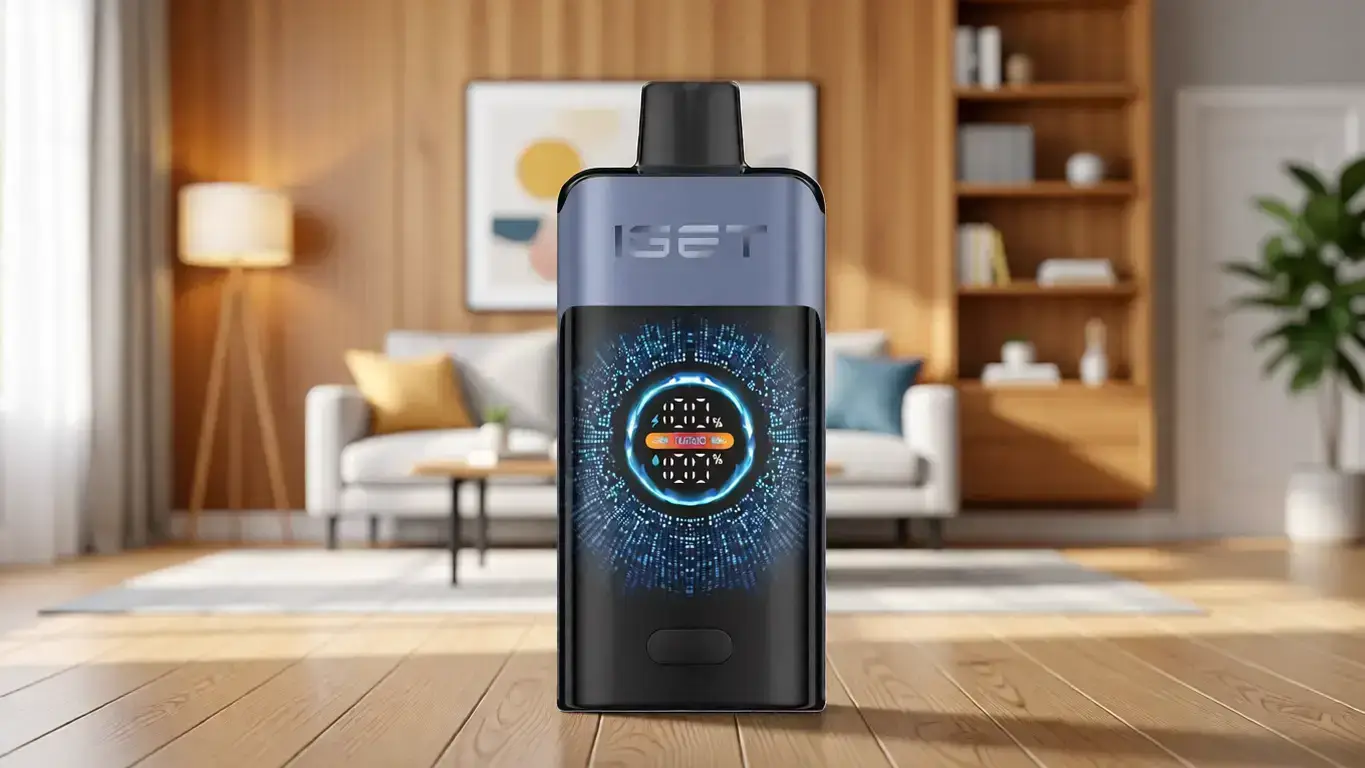
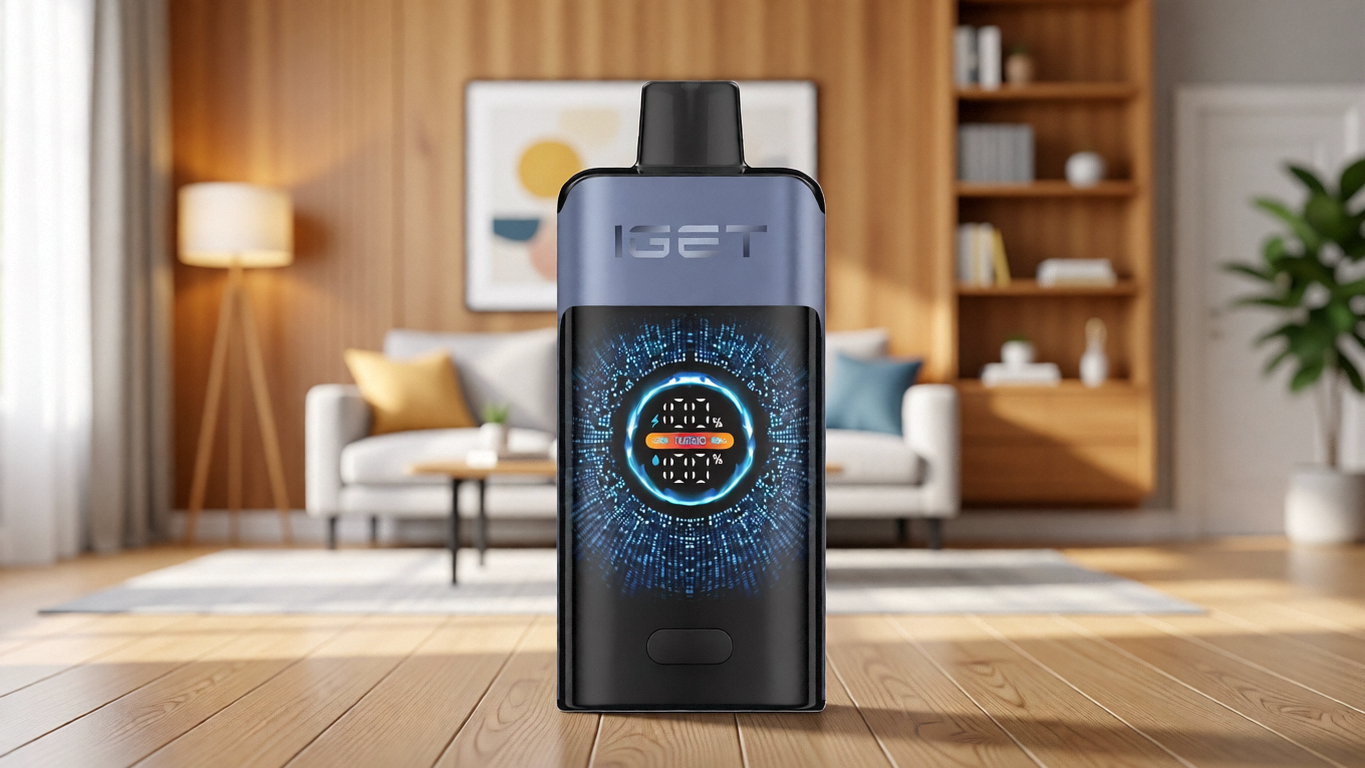
For users who prioritise high capacity and long operating windows, the INGOT 15000 series demonstrates how a large, sealed cell can be paired with a transparent digital display that removes all guesswork about remaining power. The effect on the user is an uninterrupted sense of readiness — no mid‑afternoon anxiety, no unnecessary backup device cluttering a bag. For those seeking a balance between capacity and portability, the INGOT 9000 strips back the display in favour of a compact silhouette that disappears into a palm or pocket, but still employs the same stable‑output architecture that prevents the late‑stage performance drop common in lesser units.
The Ice Adjust 12000 series tackles a different user frustration: the feeling of being locked into an experience that does not suit the moment. By offering a user‑adjustable airflow mechanism, it gives you control over the draw resistance — tight and discreet when you need to be unobtrusive, more open when you are in a comfortable environment. This kind of thoughtful modularity, applied at a tactile level, changes your relationship with the device from passive consumption to active, context‑aware use.
When evaluated against other reputable device families on the market — brands that also focus on build quality and consistent output — the differences often come down to transparency and support. Some devices perform excellently but leave users guessing about their internal status; others provide clear feedback but make compromises on surface durability. ALIBARBAR’s emphasis on status readability and wear‑resistant finishes addresses two of the most under‑appreciated friction points in daily use, and this is where a knowledgeable retailer like OZVAPE Shop becomes invaluable, by presenting complete, standardised specifications that let you compare these subtleties directly.
A Practical Framework for Evaluation
If you want to select a device based on how it will actually affect your life rather than how it appears on a spec sheet, use the following diagnostic approach:
Status Check: Ask yourself, “Does this device tell me clearly where I stand, or will I constantly wonder?” If visibility is poor, you will end up carrying a backup.
Consistency Probe: Look for evidence of stable output — user reports, manufacturer design notes — that indicates the device does not degrade noticeably until it is depleted.
Wear Inspection: Examine the finish and materials. Would you be comfortable with this object rubbing against metal objects for weeks?
Lifecycle Match: Calculate whether a sealed, pre‑charged unit or a rechargeable system aligns with your daily habits. Carrying a cable and planning charging sessions is either a trivial habit or an unwelcome chore, and you know which.
Support Assurance: Verify that you are purchasing through a channel that can confirm authenticity and provide after‑sale support. A standardised specification table — like those published by OZVAPE Shop — removes ambiguity about what you are actually receiving.
Common Selection Errors and Industry Observations
Watching how users interact with this category over time reveals a handful of persistent errors that undermine satisfaction:
Overindexing on a single number — typically maximum capacity — while ignoring the output consistency curve. A device that delivers 80% of its capacity at full performance and then fades is often more satisfying than one that drifts noticeably for the last 30%.
Assuming visual similarity equals functional equivalence. The number of devices that share a cylindrical form factor is enormous, but internal airflow engineering, heating element quality, and protective circuitry vary dramatically. Two devices that look like twins can produce opposite daily experiences.
Underestimating the cost of modularity avoidance. A sealed unit with a low‑stakes price tag is appealing, but if you go through several units a week, the accumulated cost and waste quickly outpace a rechargeable modular system. Run the arithmetic over a month, not a day.
Confusing vague category terminology with technical specification. Terms like “mesh coil” or “adjustable airflow” are broad; the quality of implementation matters more than the presence of the feature. Look for specifics: material grades, adjustment ranges, display resolution.
From a supply‑chain perspective, the industry has seen a migration toward status‑transparency features — digital displays, vibration haptics, incremental LED indicators — precisely because users have grown weary of carrying devices they cannot trust. Australian retailers that source from factory‑authorised networks and maintain direct relationships with distributors are better positioned to offer the latest iterations of these improvements, and to stand behind the inventory with authentic post‑purchase accountability.
Frequently Asked Questions
Q: How can I verify that a device is from a factory‑authorised source?
A: Purchase from a retailer that explicitly states its supply chain and offers proof of authorisation upon request. OZVAPE Shop sources exclusively from certified distribution channels and provides standardised documentation.
Q: What does “rated operational life” actually mean in practical use?
A: It refers to the capacity of the power source combined with the efficiency of the heating element. Real‑world usage patterns (draw length, frequency) will cause slight variation, but a well‑engineered device will consistently deliver close to its rated figure before performance begins to decline.
Q: Should I choose a device with a display or without?
A: If status anxiety affects your experience, a display removes doubt. If you value maximum compactness and are comfortable with a simple light‑based indicator, a non‑display unit may suit you better. The choice is about how much information you need to feel at ease.
Q: What is the practical difference between a sealed unit and a rechargeable pod‑based system?
A: Sealed units require no maintenance but are discarded when depleted. Rechargeable systems allow you to replace only the consumable portion, reducing long‑term cost and material waste. Your choice depends on your tolerance for charging and component swapping.
Q: How does adjustable airflow affect everyday use?
A: It lets you customise the draw resistance to match your environment — tighter for discreet, low‑vapour situations; more open when you are in a private or outdoor setting. This control can make the difference between a device you use in specific contexts and one you use all day.
Q: The finish on my device started wearing within a week. Is this normal?
A: It should not be. Quality surface treatments — anodising, bead‑blasting, durable soft‑touch polymers — are tested for friction resistance. If a device shows significant wear after only pocket contact, it likely indicates cost‑cutting on materials.
Q: What recourse do I have if a device does not perform as described?
A: A reputable retailer will offer clear policies for returns or exchanges when a product is demonstrably defective. Ensure you keep proof of purchase and contact the retailer promptly.
Q: How do I choose between high capacity and portability?
A: Map your typical day. If you are away from a power source for extended hours, capacity takes priority. If you value the lightest possible carry and can top up mid‑day, a smaller unit will do the job without bulk.
Q: Does a device with a higher capacity last proportionally longer in real use?
A: Not necessarily. The efficiency of the power delivery circuit and the draw profile both influence actual longevity. A well‑tuned 9000‑rated unit can sometimes outlast a poorly optimised 12000‑rated unit in real‑world conditions.
Q: Why are some devices significantly more expensive if they have similar specifications?
A: The price difference often reflects the quality of internal components — heating element materials, surface treatments, display accuracy, and protective circuitry. These factors affect daily reliability and device lifespan far more than paper specifications suggest.
Conclusion
The way a vape affects you has very little to do with what is written on the side of its packaging. It is the sum of hundreds of small engineering decisions — decisions about when to communicate, how to deliver consistent output, and what materials to trust under daily wear. A device that respects these factors will fade into the background of your routine. One that ignores them will constantly remind you of its presence through irritation and uncertainty. By applying a structured evaluation framework — focusing on status transparency, output consistency, physical durability, and lifecycle flexibility — you shift from being a reactive buyer to an informed participant in your own satisfaction. OZVAPE Shop exists to support that shift, not by pushing a particular outcome, but by providing standardised, honest information that lets you match a device to your actual, unglamorous, everyday life. Choose the device that works for your Tuesday afternoon, not the one that looks best in a marketing photograph. That is the choice that will genuinely affect you — quietly, positively, and for the long term.