VAPE FAQs
How Much Weed Is In A Vape?
Sep
Introduction
Anyone who has bought a pre-filled vape cartridge has faced the same uncertainty: the packaging says “0.5 mL” or “1 g,” but the actual amount of active cannabis extract inside varies widely between brands, and even between batches from the same manufacturer. The numbers on the label are often volumetric or weight measurements that tell you nothing about the potency of the material inside. You might hold a cartridge that reads “500 mg” and assume that is the weight of the total cannabinoids, when in reality it is the weight of the oil—carrier, terpenes, and all. The gap between what the label says and what the device delivers is a persistent source of frustration for medical patients and adult users who rely on consistent dosing.
This article provides a framework for understanding exactly what is inside a cannabis vape cartridge, how to interpret the numbers on the package, and what engineering choices determine whether you get what you pay for. Whether you are evaluating a disposable pen or a refillable system, the principles here apply directly to every product in the category. OZVAPE Shop curates its product listings to include exact oil weight, cannabinoid concentration, and carrier composition, so that adult users can make informed comparisons without guesswork.
Understanding What Matters: Core Engineering and Design Factors
Internal Architecture and Output Consistency
The amount of cannabis extract that actually reaches your lungs depends on more than just the fill volume. The heating element—its resistance, wicking material, and temperature stability—determines how efficiently the oil is vaporized. A poorly designed ceramic coil may absorb and waste 10–15 % of the oil before it ever produces vapor. Lower-quality atomizers also heat unevenly, leaving pockets of unvaporized concentrate at the bottom of the cartridge. This is why two cartridges with the same labeled weight can deliver vastly different total experiences.
Well-engineered devices use dense, porous ceramic wicks with embedded heating wires that distribute temperature evenly across the full surface area. Manufacturers who invest in thermal modeling and third-party testing typically publish vaporization efficiency rates above 90 %. When evaluating a product, look for transparency about extraction efficiency or total usable draws rather than just oil weight.
Power Management and Status Transparency
The battery and power regulation circuit directly affect how much of the cannabis extract is consumed per puff. A device that delivers a consistent wattage throughout its charge cycle will vaporize oil at the same rate from the first hit to the last. In contrast, inexpensive cartridges attached to unregulated batteries experience voltage drop as the cell discharges, resulting in progressively weaker hits and incomplete vaporization. The unmetabolized oil remains in the wick, unrecoverable.
Status communication—such as a battery indicator or puff counter—allows you to anticipate when the device will change behavior. Without it, you might continue drawing on a nearly empty cartridge, wasting energy and exposing the coil to dry heat that degrades residual oil. The practical consequence is that a user who cannot see the remaining charge often discards cartridges with 20 % usable oil still trapped inside.
Physical Design and Material Durability
The physical integrity of the cartridge determines whether the oil stays inside and remains stable. Glass tanks with thick walls resist cracking from pocket pressure and thermal expansion. Mouthpieces made of PEEK or PCTG do not react with the oil, whereas some polycarbonate plastics leach plasticizers into the extract over time, altering viscosity and potency. The fitting between the cartridge and the battery also matters: a loose connection introduces air gaps that cause the oil to thicken and clog the airway, forcing you to draw harder and potentially overheat the coil.
A cartridge that is assembled with ultrasonic welding or screw-fit joints rather than press-fit connectors is far less likely to leak. Leaked oil is lost oil—so the amount of weed in your vape at the point of use can be significantly less than what you purchased.
Modularity and Lifecycle Flexibility
Cartridges that can be separated from the battery offer two advantages: first, you can replace only the spent component, reducing waste; second, you can switch between different oil formulations using the same power source. However, modularity introduces its own trade-offs. Detachable cartridges have sealing interfaces that degrade with repeated connection cycles, potentially allowing air ingress that oxidizes the oil. Sealed disposable units, while less flexible, maintain a hermetic environment that preserves potency over the product’s shelf life.
The choice between sealed and modular architectures should be guided by your usage pattern. If you consume a cartridge completely within a week, modularity offers convenience without significant degradation. If you stretch a cartridge over several weeks, a sealed design may better protect the oil from environmental exposure.
Applying These Criteria to Real-World Options
Consider the common scenario of comparing two cartridges both labeled “1 g cannabis oil.” The first is a thin glass cartridge with a cotton wick and a 280 mAh battery that provides no status indicator. The second is a thick-walled ceramic-wick cartridge integrated into a device with a digital display showing remaining puffs and battery level. The first device might actually deliver only 700 mg of usable vapor due to wick saturation inefficiency and voltage drop. The second, with its regulated output and efficient atomizer, could deliver 900 mg or more from the same labeled oil weight.
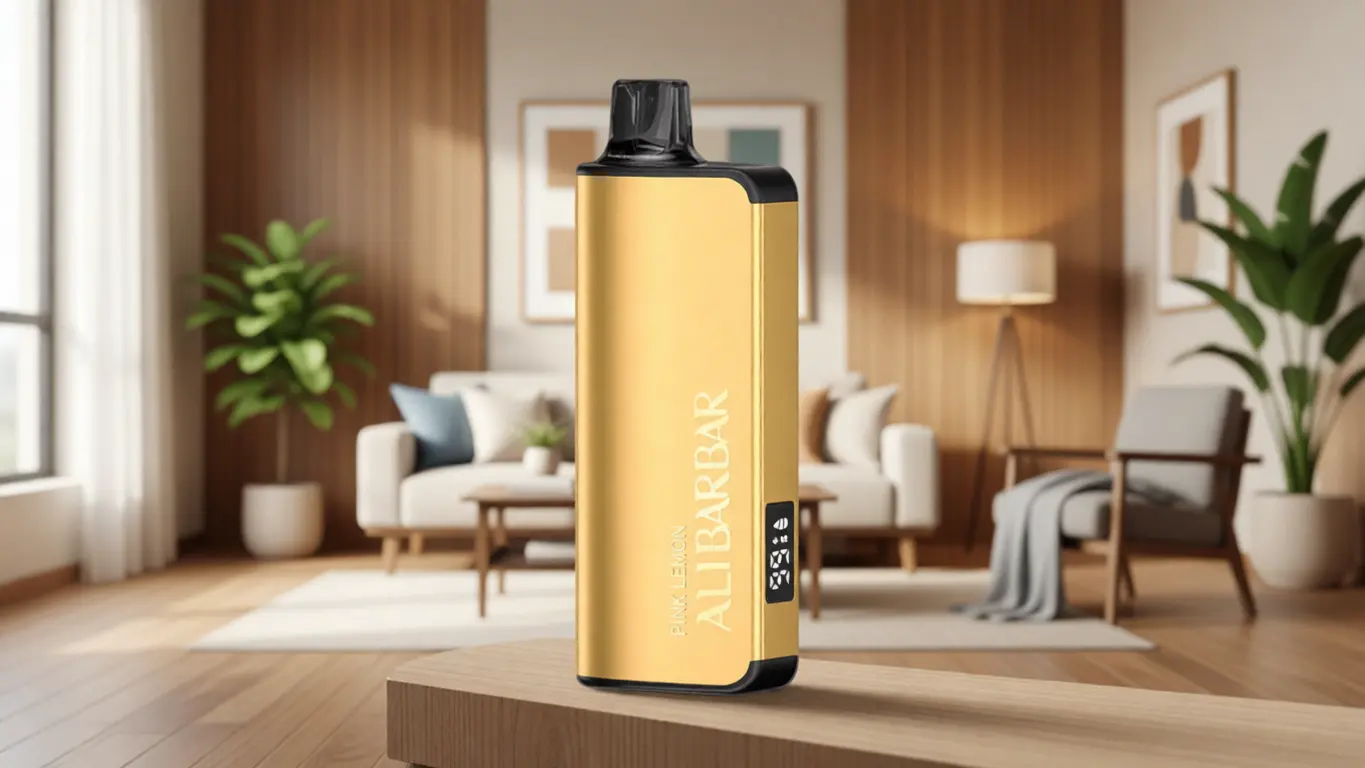
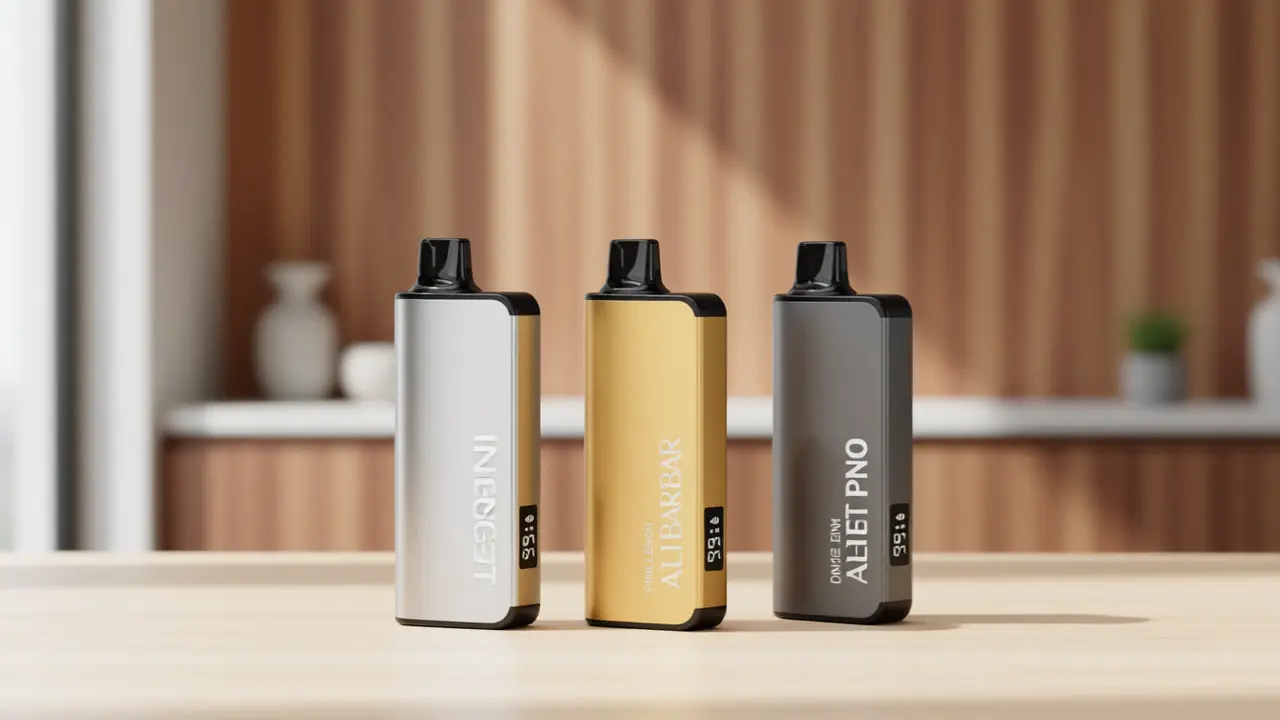
Product families such as the ALIBARBAR INGOT series illustrate the design philosophy of transparency and efficiency. These devices include clear oil windows and digital puff counters, and they are built with ceramic heating elements that maintain consistent temperature across the charge cycle. The INGOT 9000, for example, is filled with 3.5 mL of oil—not a vague weight—and the device records cumulative draws so you know exactly how much remains. While other brands offer similar specifications, ALIBARBAR’s focus on standardized labeling is a practical advantage for users who need to track dosing over time.
At the other end of the spectrum, many generic cartridges sold in unbranded packaging rely on volumetric fill marks that are never verified. The discrepancy between advertised and actual content in that segment can reach 30 %. Buying from a channel that provides third-party test results or certificate-of-analysis data removes that uncertainty.
A Practical Framework for Evaluation
Use the following steps to assess any cannabis vape product before purchase:
Identify the labeled content: Is it oil weight (grams or milliliters) or cannabinoid weight (milligrams of THC/CBD)? Many packages list “500 mg” but mean total oil, not active cannabinoids. Clarify this.
Check the carrier: If the oil contains propylene glycol (PG), vegetable glycerin (VG), or medium-chain triglycerides (MCT), note that these dilute the active cannabinoids. A 1 mL cartridge at 70 % cannabis extract delivers more active material than a 1 mL cartridge at 50 %.
Examine the device specifications: Look for a regulated power output, ceramic heating element, and a sealed tank. The presence of a puff counter or oil window is a strong indicator of engineering transparency.
Search for third-party lab results: Reputable manufacturers publish cannabinoid potency, heavy metal screens, and residual solvent analysis. If the data is missing, assume the worst.
Calculate cost per active milligram: Divide the price by the total milligrams of THC or CBD (not oil weight). This gives a comparable number across products regardless of filler volume.
If a device provides no status feedback or fill-level indicator, you will likely discard it prematurely. Standardized product listings—such as those maintained by OZVAPE Shop—allow you to compare these specifications directly across multiple products without deciphering inconsistent labeling.
Common Selection Errors and Industry Observations
Overweighting oil volume while ignoring coil efficiency. A cartridge that holds 1.2 mL but wastes 30 % through poor wicking delivers less usable material than a 0.8 mL cartridge with 95 % efficiency. Always prioritize vaporization efficiency over raw capacity.
Assuming visual similarity indicates equivalent engineering. Two cartridges can share the same external dimensions, yet one may use a silica wick that degrades at high temperatures while the other uses a porous ceramic that remains stable. The internal components often determine performance more than the external shape.
Undervaluing modularity in cost-per-use calculations. A modular device where only the cartridge is replaced can halve the long-term cost compared to fully disposable units. However, users often ignore the degradation of the battery module over multiple cartridge cycles. A battery that loses 20 % capacity after 20 cycles will deliver less energy per puff, leaving more oil unvaporized in later cartridges.
Confusing category terminology with technical specifications. Terms like “full extract” or “distillate” are marketing descriptions, not measurements. They tell you nothing about the ratio of cannabinoids to carriers. Without a percentage breakdown, you cannot determine the actual amount of active cannabis in the vape.
Industry observation: The cannabis vape supply chain is fragmented. Manufacturers often source glass tanks from one supplier, coils from another, and oil from a third, then assemble without rigorous quality control. This is why two cartridges from the same brand can vary by 15 % in delivered dose across different batches. The brands that invest in integrated production—where they control the entire assembly process—tend to produce more consistent outputs. ALIBARBAR operates its own manufacturing facility in China, which reduces variance and allows for internal testing at each stage.
Frequently Asked Questions
Q: How do I know if a cartridge is actually filled to the level shown on the label?
A: The only reliable method is to check a certificate of analysis from an independent lab that includes fill weight. Visual inspection through a transparent tank can confirm the oil level, but it does not verify that the oil is the same composition throughout. Some manufacturers under-fill and then label the volume optimistically. Reputable brands, including ALIBARBAR, use weight-check systems at the end of the assembly line—approved customers can often request batch records.
Q: Is the “mg” on a vape package the total cannabinoids or the total oil weight?
A: This varies. In regulated markets (e.g., Canada, some US states), the label must specify cannabinoid content separately. In unregulated markets, “500 mg” usually means the weight of the oil. Always look for a breakdown like “THC: 80 %” or “CBD: 50 mg per mL.” If no breakdown is given, assume the mg number refers to total oil weight, not active ingredients.
Q: How much cannabis is actually in a typical 0.5 mL cartridge?
A: A 0.5 mL cartridge filled with a high-quality distillate at 80 % THC contains about 400 mg of THC. If the oil is cut with 50 % carrier, the THC drops to 200 mg. The only way to know is the certificate of analysis. Without it, assume the lower figure.
Q: Can I refill a disposable vape pen to get more use?
A: Some disposables can be carefully opened and refilled, but this is not recommended. The wick is designed for one fill cycle, and repeated heating of the same coil degrades performance. Moreover, the battery indicator may not reset, so you could run out of power unexpectedly. Modular refillable systems are much safer and more cost-effective.
Q: What is the typical loss from wick absorption in a new cartridge?
A: In high-quality ceramic wicks, absorption loss is 5–10 % of the oil volume. In cotton or silica wicks, the loss can reach 20 % or more. This oil is absorbed during the first few draws and is not recoverable.
Q: Do higher voltage settings vaporize more cannabis per puff?
A: Yes, but with diminishing returns. Higher voltage produces denser vapor quickly, which may give a stronger effect per puff, but it also degrades the oil faster and increases the risk of burning the coil. Regulated devices with adjustable wattage allow you to tune the extraction rate to your preference.
Q: How does storage affect the amount of active cannabis in a vape?
A: Heat, light, and oxygen degrade cannabinoids over time. A cartridge stored at room temperature in a dark drawer will lose approximately 10 % potency after six months. Keep cartridges upright, away from direct sunlight, and in a cool environment. Sealed cartridges with nitrogen flushing preserve potency better.
Q: What recourse do I have if a cartridge is under-filled or mislabeled?
A: If you purchased from a retailer that provides documented supply chain records and batch testing, you can request a replacement or refund based on the discrepancy. OZVAPE Shop maintains records of every shipment from ALIBARBAR and can verify fill weights against manufacturer data for any disputed unit.
Q: Is there a standard for “one gram” of cannabis oil in a vape?
A: No global standard exists. A “gram” of oil can mean 1 mL of liquid (density varies by terpene and carrier) or 1 g by weight. Many cartridges labeled “1 gram” actually contain 0.85–0.95 g to allow for headspace and expansion. Check the net weight on the packaging; if it says “0.8 g” or “0.9 g,” that is the actual content.
Q: How do I compare the value of a 1 mL cartridge at $40 versus a 1.2 mL cartridge at $50?
A: Convert both to cost per 100 mg of active THC or CBD. If the 1 mL contains 800 mg THC and costs $40, that is $5 per 100 mg. If the 1.2 mL contains 1,000 mg THC and costs $50, that is also $5 per 100 mg. But if the 1.2 mL device wastes more oil, the effective cost may be higher. Always factor in vaporization efficiency.
Conclusion
Understanding how much cannabis is actually in a vape requires looking past the surface label. The real quantity of usable material is determined by a combination of oil composition, coil design, battery regulation, and physical integrity. A 1 mL cartridge is not automatically better than a 0.5 mL cartridge if the larger one wastes a third of its oil through poor engineering. The most reliable approach is to seek out products with clear, verifiable specifications—preferably from a retailer that has done the verification for you.
OZVAPE Shop operates on the principle that informed users make better decisions. Every product listing includes exact fill volume, cannabinoid percentage, carrier type, and coil material, so you can compare on the metrics that actually affect your experience. When you know exactly what you are getting, the guesswork disappears, and the device becomes just a tool—one that works as expected, every time. External link: OZVAPE Shop – ALIBARBAR Product Range
The right cartridge is not the one with the biggest number on the box; it is the one that matches your routine, your tolerance, and your need for consistency. Apply the framework above, and you will never have to wonder again.