
VAPE FAQs
How Long Does Vape Cravings Last After Quitting?
Sep
If you’ve recently stopped using nicotine‑containing devices, the question of how long cravings will persist is likely occupying much of your mental space. The short answer is that the most intense physical urges typically fade within a few days to two weeks, but the broader experience of craving — including psychological triggers and habitual reflexes — can stretch for several months. The reason no single number applies to everyone lies in the interplay of nicotine metabolism, the delivery characteristics of the device you were using, and the behavioural routines you built around its use.
Because the process of quitting involves managing both physiological and learned patterns, having reliable information about device output and nicotine content becomes a practical matter. At OZVAPE Shop, we maintain detailed specifications for every device in our range so that adult users — whether they are continuing, reducing, or planning to stop — can make decisions based on accurate data rather than guesswork. This article is written to give you a realistic, research‑grounded understanding of craving duration and the factors that influence it, so you can plan your approach with fewer surprises.
Understanding What Matters: Factors That Influence Craving Duration
Nicotine Dependence and Dosage
The intensity and duration of cravings are directly linked to the total nicotine load your body has adapted to. Nicotine has a half‑life of approximately two hours in the blood, but its metabolites linger longer. When you stop, the brain’s nicotine receptors — which have up‑regulated in response to consistent dosing — gradually down‑regulate. This process takes time and is dose‑dependent.
High‑dose, frequent users often report peak withdrawal symptoms within 24–72 hours, with noticeable cravings persisting for one to two weeks. Psychological cravings may continue intermittently for a month or more.
Low‑dose or intermittent users may experience milder symptoms that resolve within a few days.
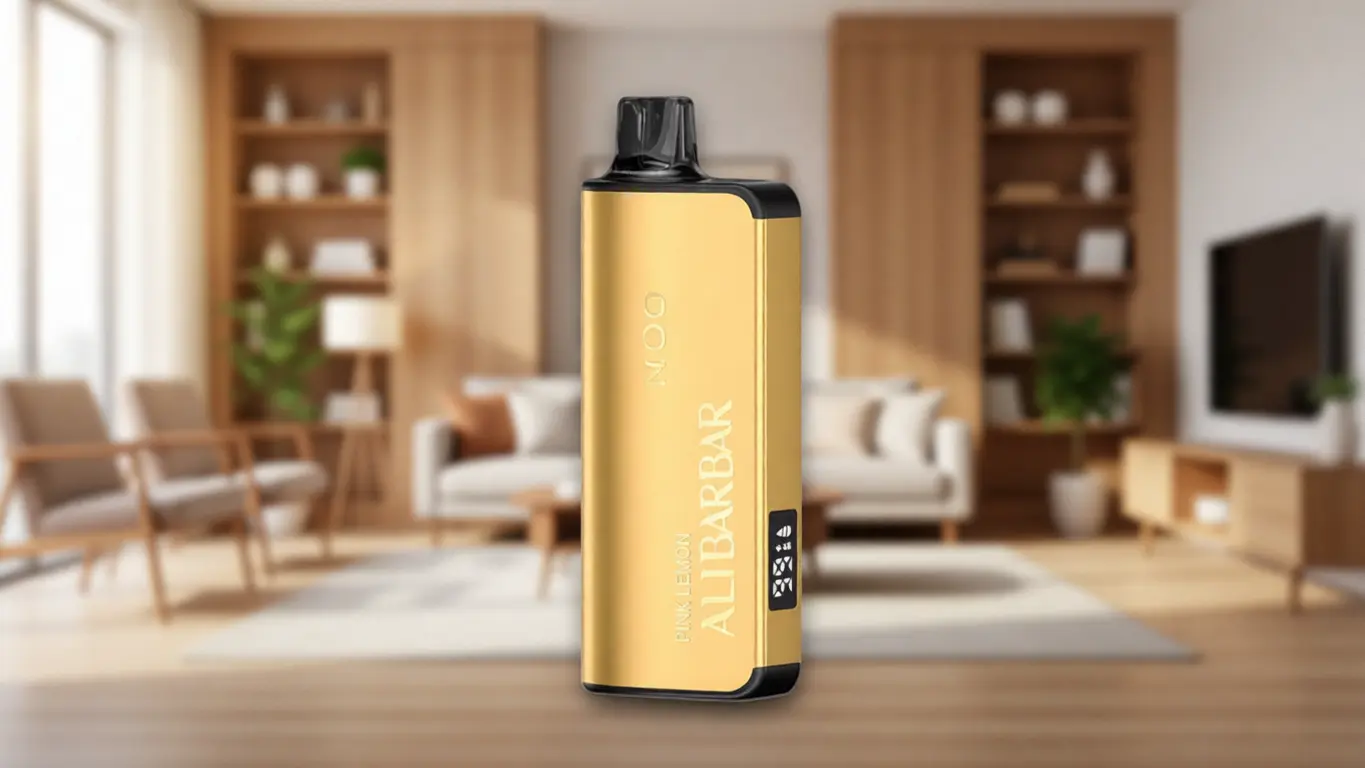
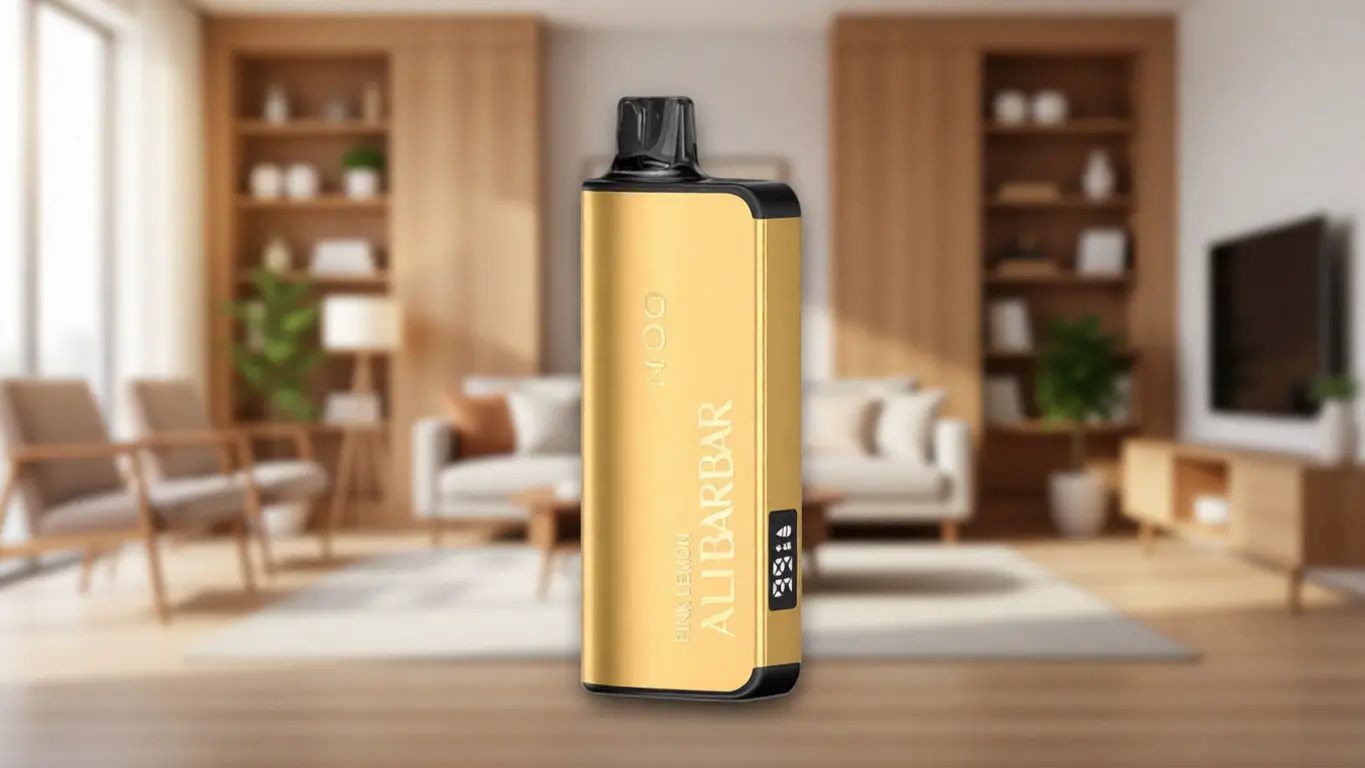
One variable that complicates prediction is the actual nicotine yield of the device. Devices with precise, stable output — such as the ALIBARBAR INGOT 9000 or Ice Adjust 12000, which are engineered for consistent power delivery across their operational life — provide a more predictable dosing experience. That consistency can be helpful if you are tapering, because each draw delivers a known amount. Conversely, devices with uneven output can mask your true intake, potentially prolonging the adjustment period.
Usage Patterns and Device Architecture
Your daily usage pattern matters more than the device’s rated capacity. A person who takes 200 short puffs from a high‑nicotine device over the course of a day develops a different dependence profile than someone who takes 50 deep draws from a lower‑strength unit. The frequency and depth of inhalation influence how much nicotine reaches the bloodstream and how quickly it peaks.
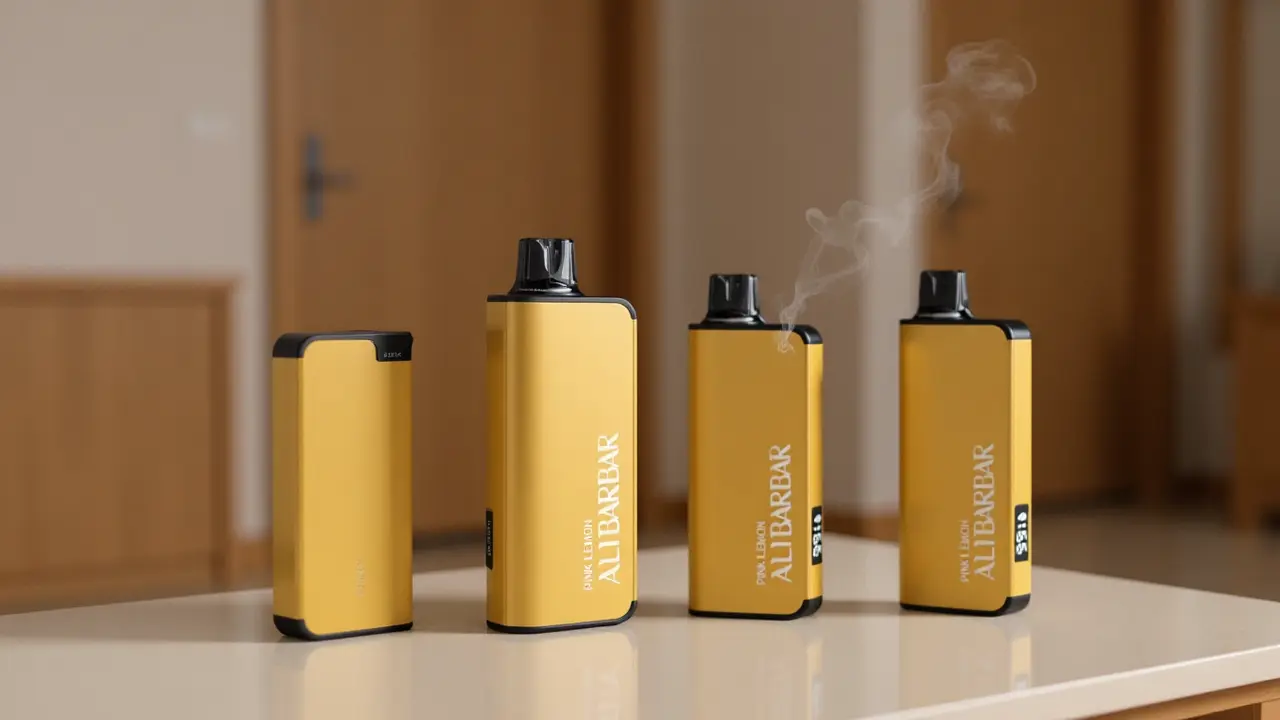
Sealed, disposable-style units (like the ALIBARBAR INGOT line) offer one fixed nicotine concentration and no ability to adjust power. This removes user‑induced variability, which can simplify the quitting process — you know exactly what you were taking.
Adjustable systems give you control over power and airflow, but introduce additional variables. If you are reducing intake, an adjustable device allows you to gradually lower power or switch to lower‑concentration pods. However, without careful tracking, it is easy to inadvertently compensate by taking longer draws.
From a craving‑duration perspective, the device architecture influences how precisely you can control your taper. A predictable device makes a gradual reduction plan more manageable, which many users find reduces the intensity of final cravings compared to abrupt cessation.
Psychological Triggers and Habitual Routines
Cravings are not purely chemical. A significant portion of the experience is behavioural: the hand‑to‑mouth motion, the sensation of inhaling, the social context, and the specific moments of the day when you automatically reached for your device. These conditioned responses can persist for weeks after the physical withdrawal has subsided.
Environmental cues — driving, working at a desk, finishing a meal — can trigger intense urges even when your blood nicotine level is zero.
Device ergonomics and mouthpiece design play a role here. Devices with a comfortable, familiar mouthfeel (the ALIBARBAR series is noted for its ergonomic contours) become part of the ritual. Breaking that ritual requires conscious substitution, not just willpower.
If you switch to a different device during a reduction plan, the changed tactile experience can actually help disrupt conditioned cravings. Some users find that swapping from a long, slim device to a shorter, wider one reduces the automatic reaching reflex.
Individual Metabolism and Biochemistry
There is substantial genetic variation in how quickly individuals metabolise nicotine. The CYP2A6 enzyme system, predominantly in the liver, breaks down nicotine to cotinine. People with faster metabolism clear nicotine more rapidly and may experience more intense withdrawal peaks, but potentially shorter total duration. Slower metabolisers may feel a lower peak intensity but a longer, drawn‑out craving period.
Age, body weight, and concurrent substance use (caffeine, alcohol) also affect metabolism. Women may experience slightly different withdrawal timing due to hormonal fluctuations. All of this means that published averages — such as “cravings peak at day three and fade by day ten” — are population‑level guidelines, not personal guarantees.
Applying These Insights to Real‑World Quitting Strategies
Rather than presenting a ranked list of “best” devices for quitting, it is more useful to consider how different device characteristics align with a structured reduction or cessation approach. The goal here is to equip you with criteria you can use to evaluate your own situation.
If you are planning a gradual taper: Look for a device with consistent, documented nicotine delivery per draw. The ALIBARBAR INGOT 15000, for example, uses a factory‑calibrated heating element that maintains output stability until the last few percent of its rated life. This means you can confidently reduce your daily draw count without wondering if a later device half an hour later will deliver more or less.
If you prefer cold‑turkey cessation: The primary challenge is managing the first 72 hours. A device that gives you clear battery and e‑liquid status (like the Ice Adjust 12000’s transparent cartridge and LED battery indicator) removes the need to check and adjust — you can simply stop using it. However, the physical presence of the device itself can be a trigger. Some users find it helpful to switch to a completely different form factor (smaller, less familiar) to weaken the conditioned response.
If you have tried multiple times and struggled: Consider whether you had accurate information about your previous device’s nicotine content. Many devices on the market list only a percentage (e.g., “5%”) without specifying whether that is by volume or by weight, and without stating the actual nicotine yield per puff. Devices from OZVAPE Shop’s ALIBARBAR line include documented specs (nicotine concentration in mg/mL, total nicotine mass, and an estimated puff count based on a 1‑second draw). Armed with that data, you can calculate your daily intake and design a taper schedule that steps down in measurable increments — for instance, reducing by 10% per week.
No single strategy works for everyone, but the common thread is the need for reliable, comparable data. The devices you choose — if you decide to use any during the process — should be tools that support your plan, not obstacles that obscure it.
A Practical Framework for Evaluating Your Own Cravings
You can use the following steps to map your personal craving timeline and adjust your approach accordingly. This framework is designed to be device‑agnostic and applicable whether you are still reducing or have fully stopped.
Record your baseline for one week before any change. Count your daily draws (or use a device with a puff counter). Note the time of day and context for each session. This gives you a reference point.
Determine your total daily nicotine intake. Multiply your average draw count by the estimated nicotine per draw from the device’s specifications. If you don’t have that data, you are working blind. Devices from OZVAPE Shop publish these figures; for other devices, you may need to extrapolate from the total nicotine capacity and rated puff count.
Choose a reduction or cessation method. Gradual reduction (e.g., reduce daily draws by 10% each week) often produces a flatter, longer craving curve. Abrupt cessation produces a sharper peak but a shorter total duration. There is no right answer — choose based on your schedule and tolerance for discomfort.
Track cravings daily on a 0–10 scale. Note intensity, duration, and trigger. Most people see a clear pattern: intensity peaks within 48–96 hours of the last nicotine dose, then declines. Psychological cravings (triggered by places, people, routines) may spike at day 7, 14, or 30.
Compare your experience to the expected timeline. Physical nicotine withdrawal typically resolves within 2–4 weeks. If you are still experiencing high‑intensity urges beyond one month, the cause is likely behavioural rather than chemical. Consider changing your environment or adopting a replacement habit (like chewing a flavoured toothpick or using a zero‑nicotine device).
This framework turns an abstract question (“When will this stop?”) into a measurable process. It also highlights the value of having a device whose specifications you trust — because if your baseline data is unreliable, your plan will be too.
Common Misconceptions and Errors When Managing Cravings
Even with accurate data, people undermine their own progress through a handful of predictable mistakes. Understanding these can help you avoid them.
1. Confusing nicotine strength with nicotine yield. A device that says “5%” might deliver very different amounts depending on the volume of each puff and the efficiency of the heating element. Two devices with identical liquid concentrations can produce vastly different blood nicotine levels. This is why published per‑draw specifications matter — without them, you cannot compare.
2. Assuming that switching to a lower‑strength liquid automatically reduces intake. Users often compensate by taking more puffs or drawing more deeply. This “titration” behaviour is unconscious. The only way to be sure you are reducing is to count draws and stay disciplined about the number, regardless of strength.
3. Underestimating the role of device ergonomics. A device that is comfortable to hold and has a natural mouthpiece contour becomes a tactile habit. When you stop using it, your hands and mouth still expect that sensation. This can trigger cravings that are entirely divorced from nicotine need. Knowing this, some people find it helpful to keep their hands busy with a different object — a fidget device, a pen, or a bottle of water with a straw.
4. Believing that a single “magic” device will make quitting easy. The device is a tool, not a cure. The most sophisticated adjustable system or the most consistent sealed unit cannot eliminate the psychological work of breaking a habit. Choosing a device that removes uncertainty (so you can focus on behaviour) is helpful, but it does not replace the behavioural change itself.
Frequently Asked Questions
Q: How long do the worst physical cravings usually last?
A: For most adults, the most intense physical symptoms — irritability, anxiety, headache, and strong urges — peak between 24 and 72 hours after the last nicotine dose and subside significantly within one to two weeks. Individual variation is wide.
Q: Can the type of device I was using affect how long cravings last?
A: Yes. Devices that deliver nicotine quickly and at high levels (high wattage, high concentration) can create a stronger dependence, potentially prolonging the peak craving period. Conversely, devices with slow, consistent delivery may produce a milder but slightly longer withdrawal curve.
Q: Does switching to a different device help with cravings during a taper?
A: It can, if the new device has a different form factor or mouthfeel that disrupts habitual reaching. Changing the tactile experience can weaken conditioned triggers. However, if the new device delivers a different amount of nicotine, you need to recalculate your intake to stay on track.
Q: Is it true that if I keep the device near me, cravings last longer?
A: For many people, the visual and physical presence of a device acts as a trigger. Removing it entirely from your environment — putting it in an out‑of‑reach place or giving it to someone else — can reduce cue‑induced cravings. Some users keep an empty device as a placebo; others find it too tempting.
Q: What is the typical timeline for complete cessation of cravings?
A: Research suggests that the vast majority of former users report no significant cravings after three months. Occasional, mild urges can persist for up to a year, especially in situations strongly associated with past use (e.g., after a meal, during a break at work).
Q: Should I use a zero‑nicotine device to manage psychological cravings?
A: Some adults find that using a device without nicotine helps satisfy the hand‑to‑mouth habit and reduces overall craving intensity. However, be aware that the act of vaping itself can maintain the behavioural loop. If you use a zero‑nicotine device for more than a few weeks, you may be substituting one habit for another.
Q: How can I verify the nicotine content of my current device?
A: Look for third‑party tested lab reports or manufacturer specifications that state nicotine concentration in mg/mL and total nicotine mass per device. At OZVAPE Shop, all ALIBARBAR product pages include this data in a standardised format so you can compare accurately.
Q: What should I do if cravings are still intense after one month?
A: This is unusual for physical withdrawal alone. Evaluate whether you are still involuntarily compensating (e.g., using another source of nicotine, like gum or a different device). If not, the cravings are likely psychological. Consider consulting a healthcare professional who specialises in nicotine dependence, or reading resources on habit‑reversal techniques.
Q: Does the number of puffs per day affect craving duration more than the nicotine concentration?
A: Both matter. Higher puff frequency builds a stronger behavioural habit, which extends the psychological craving phase. Higher concentration per puff builds stronger chemical dependence, which extends the physical withdrawal phase. A high‑frequency, high‑concentration pattern will produce the longest and most intense overall experience.
Q: Are there any reliable online resources to track craving patterns?
A: Several smoking‑cessation apps provide logging tools, but for vaping‑specific tracking, a simple spreadsheet or notebook is often more useful because you can record device details and puff counts. Generic trackers rarely account for device‑specific output.
Conclusion
The duration of cravings after quitting nicotine devices is not a fixed number — it is shaped by your dosage history, your device’s engineering, your behavioural routines, and your personal biology. What matters most is having accurate information about what you were using and a realistic plan that addresses both the chemical and the habitual aspects of the experience.
For those who choose to continue using nicotine devices, or who are in the process of reducing, reliable specifications and consistent performance reduce one layer of uncertainty. OZVAPE Shop offers the full ALIBARBAR range with documented output data, so you know exactly what each device delivers. Whether you are tapering with a controlled‑output INGOT series or considering a switch in form factor to break conditioned triggers, having trustworthy information shifts the balance from guesswork to intentional choice.
Ultimately, the right approach is the one that acknowledges the complexity of the process and gives you the tools to manage it on your terms. Knowing the typical timeline — peak at 48–96 hours, resolution of physical symptoms within two to four weeks, residual behavioural cues fading over several months — allows you to set realistic expectations and avoid unnecessary self‑judgment. The device you used was a tool; the decision to stop is yours. With the right data and a clear plan, the question of “how long?” becomes something you can answer for yourself.