
VAPE FAQs
How Many Puffs Does The Average Vape Have?

Oct
If you are reading this, you have likely encountered a specification that seems straightforward yet somehow resists clear definition: the number of puffs a device is rated to deliver. You are not alone in finding this number frustrating. A device that claims 600 puffs might last one person three full days and another barely a full afternoon. The gap between rated capacity and lived experience is not a flaw in your judgement — it reflects how the industry measures things versus how people actually use them.
Understanding what a puff count actually means, and why it varies so dramatically between users and devices, will save you from the cycle of anticipation and disappointment that follows from trusting a single number on a package. This article breaks down the engineering and behavioural variables that determine how long a device serves you, and provides a practical framework for matching a device’s stated capacity to your personal usage rhythm. OZVAPE Shop curates its product listings around standardised specification formats for exactly this reason — so that comparison becomes meaningful rather than misleading.
Understanding What Matters: Core Engineering and Design Factors
The puff count printed on a device is not a performance guarantee. It is a laboratory estimate derived under tightly controlled conditions — conditions that rarely resemble how a human being interacts with a device in daily life. The gap between rated and real-world puff counts is explained by several interconnected engineering and design variables. Understanding these variables turns a meaningless number into a useful diagnostic tool.
Internal Architecture and Output Consistency (H3)
The heating element configuration is the single most influential factor determining both how many puffs a device delivers and how consistent the experience remains from the first to the last. Devices fall into two broad categories: those with a single, fixed heating element and those with some form of output regulation — whether through mesh coil design, dual-element architecture, or integrated power management.
A single-element device with no regulation delivers a relatively predictable puff count because the heating element draws power at a constant rate until the power source is depleted. The consistency of each puff, however, declines noticeably. Users often report a strong start followed by a gradual, perceptible drop in output intensity as the remaining energy diminishes. The average puff count in this architecture becomes misleading because the quality of those puffs is not uniform.
Conversely, devices with regulated output — where power delivery to the heating element is stabilised by an integrated circuit — maintain a consistent experience for a higher proportion of their rated puff count. The trade-off is that the power management circuit itself consumes energy, which can reduce the total number of puffs relative to a simpler, unregulated design. The decision between these two approaches depends on whether the user values consistency or maximum theoretical puff count more highly.
How to recognise well-engineered thermal management: look for devices that specify their output regulation architecture. A device that mentions “smart power management” or “constant output across battery life” is indicating that it prioritises experience consistency over raw puff count. Devices that remain silent on this topic are likely unregulated, which means the puff count represents a theoretical maximum under ideal conditions that degrade steadily.
Power Management and Status Transparency (H3)
The power source calibration and how its depletion is communicated to the user directly affect whether a device completes its advertised puff count or leaves the user stranded. A device with a transparent, accurate power indicator allows the user to plan and pace usage realistically. Without this feedback, the user is operating blind, and the natural response is to carry a backup device — undermining the portability advantage that drew the user to the device in the first place.
The relationship between power management and puff count is straightforward: a device that does not manage its power source effectively will deliver fewer usable puffs than its rating suggests. This is because the electronic components that regulate current draw also determine the cutoff point at which output becomes too weak to be satisfying. Well-designed power management uses the total energy available, extracting useful output until the very end. Poorly designed management shuts down early, preserving residual energy the user cannot access.
The hidden cost of status ambiguity is significant. Users who cannot trust their device’s power indicator carry a backup, doubling the capital they have tied up in devices and removing the simplicity that the category is supposed to offer. Devices with clear, graduated status indicators — ones that communicate roughly how many puffs remain, rather than simply showing green, yellow, and red lights — enable confident, single-device carry.
Physical Design and Material Durability (H3)
The physical construction of a device affects more than aesthetics. Material choices determine how well a device survives the rigours of daily carry — pocket pressure, temperature variation, incidental drops — and whether the user can complete the rated puff count before the device sustains damage that renders it unusable.
Mouthpiece contour deserves particular attention because it is the single point of physical interaction the user has. A rounded, ergonomic mouthpiece accommodates natural lip positioning and reduces the likelihood of seal-breaking adjustments that waste puffs. Flat or angular mouthpieces encourage compensatory positioning by the user, which can result in air leakage and wasted draws. The cumulative effect of ten to twenty wasted micro-draws per day reduces overall device lifetime significantly.
Surface finish matters for a different reason. Matte finishes with a textured grip resist the micro-abrasions of pocket carry and do not become slippery with handling. Glossy finishes, while visually appealing at purchase, often show wear within days and become more difficult to hold securely — increasing the risk of drops that can dislodge internal components and terminate the device’s operational life prematurely.
Modularity and Lifecycle Flexibility (H3)
The architecture of a device — whether it is a sealed, single-use unit, a rechargeable but sealed system, or a modular design with replaceable components — fundamentally dictates the practical value the user extracts from the rated puff count.
Sealed, single-use devices offer the maximum simplicity: use until empty, then dispose. The entire rated puff count is available if power management is competent. However, the cost per puff is highest in this category because the user pays for the entire device each time. Rechargeable sealed systems reduce the cost per puff by allowing the user to replenish the power source, extending the device’s usable life across multiple days or sessions. The puff count becomes less a measure of total device life and more a measure of how often the user must recharge.
Modular systems with replaceable pods or cartridges separate the power source from the consumable element. The puff count applies only to the consumable component, meaning the user invests in a durable power unit once and then pays only for the consumable. This architecture typically offers the lowest long-term cost per puff and the greatest flexibility in managing device runtime.
The choice between these architectures directly affects the user’s perception of value. A high puff count on a single-use device may appear attractive, but the cost per puff calculation may favour a lower-rated rechargeable system that costs more upfront but lasts several times longer in total service.
Applying These Criteria to Real-World Options
The engineering principles described above translate into practical differences when examining specific device families. Rather than ranking devices by puff count alone — which would mislead — we can organise the discussion around the user need-state each design addresses.
For the user who values maximum simplicity and dislikes any form of routine charging, a sealed single-use device with a very high puff count — such as the ALIBARBAR INGOT 15000 — is the most rational choice. Its architecture delivers all its rated capacity in one go, with no intermediary charging interruptions. The trade-off is that the device is relatively large and heavy, reflecting the energy density required to deliver that many puffs from a sealed unit. The user pays once and finishes when the device is done.
For the user who needs something that fits discreetly in a shirt pocket or small bag and prefers to charge overnight, a compact rechargeable system like the ALIBARBAR Ice Adjust 12000 makes more sense. The stated puff count is distributed across multiple charging cycles, which means the device can be used over several days or weeks rather than consumed in one extended period. The trade-off is remembering to charge, but the benefit is a dramatically smaller, more pocketable form factor. The adjustable output feature also allows the user to fine-tune the experience base on their setting, stretching puff count further at lower settings.
For the user who wants flexibility to switch between different usage scenarios — a compact device for the workday and a higher-capacity unit for travel — exploring multiple devices within the same product family reduces learning friction. Consistent interface logic across the ALIBARBAR series means the user can switch between models without re-learning how to operate the device. While the initial investment in multiple units is higher, the per-use satisfaction and elimination of lifestyle compromises often justifies the approach.
It is worth noting that other device families in the broader market follow similar design logic. The key is not to fixate on any single brand but to evaluate the architecture and its alignment with your routine.
A Practical Framework for Evaluation
To move beyond puff count as a single data point and arrive at a genuinely informed choice, follow this step-by-step methodology.
Step 1: Identify your daily consumption pattern. Track how many individual draws you take in a typical day for one week. Do not estimate — count. This is the single most informative data point you can gather. Divide the rated puff count of any device by your daily consumption to get a rough estimate of how many days the device should last for you.
Step 2: Assess your tolerance for charging. If you are unwilling to charge a device daily, your options are limited to either sealed single-use units with very high puff counts or rechargeable devices with large power sources. If you are comfortable with nightly charging, your field of choice widens to include compact, portable options that are recharged each evening.
Step 3: Evaluate the status communication. Ask this diagnostic question: “Does this device give you clear, graduated status feedback?” If it only has a single colour-changing LED, you will likely experience uncertainty about remaining life. If it has a percentage display or a series of graduated lights, you can plan confidently.
Step 4: Compare cost per puff, not puff count. Divide the retail price of the device by its rated puff count, then multiply by your estimated daily consumption. This gives you a daily operating cost. A device with a lower upfront price but a low puff count may end up costing more per day than a higher-priced device with a very high puff count. OZVAPE Shop provides standardised specification tables that enable this calculation without guesswork.
Common Selection Errors and Industry Observations
Even informed users make predictable errors when evaluating puff counts. Recognising these patterns reduces the likelihood of repeating them.
Overweighting one specification while ignoring complementary factors. A user fixates on a device with 15000 rated puffs but overlooks that it has no status indicator and an unregulated heating element. The experience across those 15000 puffs degrades steadily, and the user cannot tell when the device will end. The same budget spent on a device with 6000 regulated puffs and a clear digital display would have provided a superior experience.
Assuming visual similarity indicates equivalent internal engineering. Two devices of similar size and shape may have wildly different power management, heating elements, and material quality. A matte-black cylinder is not a matte-black cylinder. The internal components determine the user experience entirely.
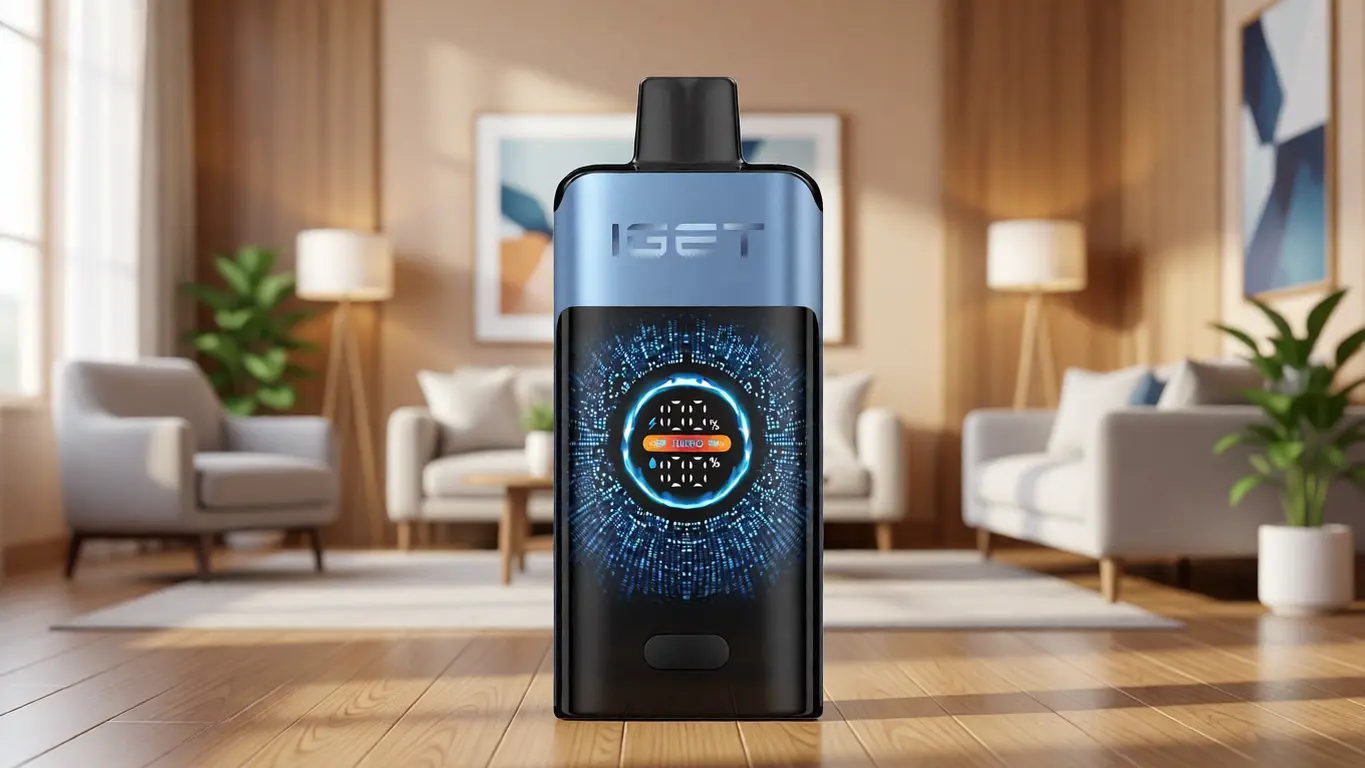
Undervaluing modularity in cost-per-use calculations. A single-use device that lasts four days and costs $20 has a daily cost of $5. A rechargeable system that costs $50 upfront but lasts three months has a daily cost of roughly $0.55, plus the cost of consumables. The higher upfront investment delivers dramatically lower long-term expense, yet many users avoid modular systems because they appear more expensive at first glance.
Confusing category terminology with technical specifications. “600 puffs” and “6000 puffs” do not mean the same thing across different product lines. One manufacturer may rate puffs at a shorter, lighter draw; another may rate at a longer, heavier draw. The specifications are not standardised across the industry. This is why comparing devices from the same product family, where rating methodology is consistent, is more informative than comparing across brands.
Industry observation: The most commonly underappreciated variable in puff count satisfaction is the user’s draw duration. A user who takes long, slow draws of five to six seconds will consume roughly twice the energy per puff as a user who takes short, sharp draws of two to three seconds. The same device will deliver half the rated puff count for the long-draw user. Manufacturers predominantly test with short-duration draws, meaning the rated count is achievable only by users who mimic that draw style.
Frequently Asked Questions
Q: Why do devices from different brands that both claim 6000 puffs last different lengths of time?
A: Puff count ratings are not standardised across the industry. Each manufacturer uses its own testing parameters — draw duration, draw volume, and interval between draws. A device rated under a two-second, light draw will always last longer than a device rated under a five-second, heavy draw, even if both display the same puff count.
Q: How do I verify that a device’s puff count is accurate for my usage?
A: You cannot verify a manufacturer’s rating from the package alone. The only reliable method is to purchase a device, use it normally, and observe how many days it lasts. Over successive purchases from the same product line, you will develop an intuitive understanding of how the rated puff count maps to your personal consumption. OZVAPE Shop lists devices with factory-specified puff counts and encourages users to consider daily consumption rather than total puff count when selecting.
Q: Is a device with a higher puff count always better value?
A: Not necessarily. A high puff count device that is sealed and single-use may have a higher cost per puff than a rechargeable device with a lower puff count. Value is determined by the daily or weekly operating cost, not by the total puff count on the package.
Q: How does the type of heating element affect puff count?
A: Mesh coil elements typically deliver more consistent output over the device’s life but may draw energy slightly faster than wire coil elements. Dual-element designs that allow the user to switch between outputs similarly affect energy consumption. Devices with adjustable output settings can stretch puff count by operating at lower power levels.
Q: What should I do if a device does not seem to deliver its claimed puff count?
A: First, confirm your draw duration and draw volume are within typical parameters — short, moderate draws of two to three seconds. If you take longer draws, expect a lower actual count. Second, verify the device was stored and operated within recommended temperature ranges. Extreme cold or heat can reduce effective puff count. If the discrepancy remains significant, contact the retailer acting on behalf of the manufacturer.
Q: Does the puff count change if I adjust the output setting?
A: Yes. Lower output settings consume less energy per draw, which stretches the puff count. Higher settings consume more energy per draw, reducing puff count. The rated puff count on most adjustable devices is typically the maximum achievable under optimised conditions, not at maximum output.
Q: How do I choose between a sealed single-use device and a rechargeable system?
A: Consider your daily consumption and your tolerance for charging. If you consume rapidly and dislike charging, a sealed high-capacity device is appropriate. If you pace your usage across days and are comfortable with nightly charging, a rechargeable system offers lower long-term cost and less waste.
Q: Should I trust a puff count displayed on a retailer’s website?
A: Reliable retailers, including OZVAPE Shop, display the factory-rated puff count provided by the manufacturer. This number is a consistent reference point for comparing devices within the same product family. For cross-family comparison, treat puff count as one variable among many — not the decisive factor.
Q: How can shipping and handling affect a device’s puff count?
A: Extreme temperature exposure during shipping can temporarily reduce power source performance. Allowing a device to return to room temperature before first use ensures it operates within its designed parameters. Physical damage from poor handling can dislodge internal components, terminating the device prematurely.
Q: What is the most common mistake users make when evaluating puff counts?
A: Treating puff count as an absolute guarantee rather than an estimate under ideal laboratory conditions. Human usage patterns, draw style, and environmental factors all cause real-world puff counts to diverge from the rated value. The most effective approach is to use puff count as a relative ranking tool within a consistent product family, not as an absolute measurement.
Conclusion
The average vape puff count is not a fixed number. It is a moving target determined by the intersection of device engineering and human behaviour. A well-designed device with regulated output, transparent status feedback, and appropriate material choices will deliver a more satisfying experience — regardless of whether its rated puff count is 600 or 15000 — than a poorly designed device with a higher rating on paper. The most valuable skill any user can develop is the ability to map a device’s engineering characteristics to their personal routine, rather than chasing a number that was never designed to apply universally.
OZVAPE Shop exists to make this mapping easier by presenting standardised specifications that enable genuine comparison and offering direct access to factory-certified inventory. The devices listed here have been chosen for their engineering integrity, not for the promotional claims that surround them. When you buy from OZVAPE Shop, you are not buying a number on a box — you are buying a device whose architecture matches its rating.
The right device is not the one with the highest puff count on the shelf. It is the one whose engineering characteristics — power management, output regulation, form factor, and modularity — align with how you actually live your day. That alignment is the difference between a device that serves you and one you merely use.