
VAPE FAQs
How Many Hits From A Vape Equals A Cigarette?
May
You’ve counted the hits, tried to match the feeling, and yet something doesn’t add up. The number you settle on one day feels exaggerated the next, and the absence of a clear answer starts to feel less like a curiosity and more like a fundamental gap in how these devices are understood. It’s not a question of arithmetic—it’s a question of engineering, biology, and the silent variables that no packaging label ever discloses. Unpacking this properly requires looking past the hit counter and into the device itself.
At OZVAPE Shop, an operation that has built its reputation on factory‑certified inventory and technical transparency, the most frequent pre‑purchase question isn’t about flavours or battery life—it’s exactly this one. And the answer, as you’ll see, reveals why choosing a device without understanding its internal architecture is the single most common reason users end up dissatisfied.
Understanding What Matters: Factors That Break the Simple Hit Count
The idea that all puffs are created equal collapses the moment you examine how a personal electronic device actually produces an aerosol. Four variables dominate the experience, and each one can shift the perceived equivalence dramatically.
Internal Architecture and Output Consistency
A cigarette delivers a remarkably stable dose: about 8–12 puffs over a few minutes, with each puff yielding a measured amount of nicotine absorbed through the lungs. A vaping device, however, relies on a heating element and a wicking system that must maintain consistent contact with the liquid. When the architecture is mediocre, the tenth hit of the day can differ wildly from the first. Coil temperature, saturation level, and airflow all introduce micro‑variations.
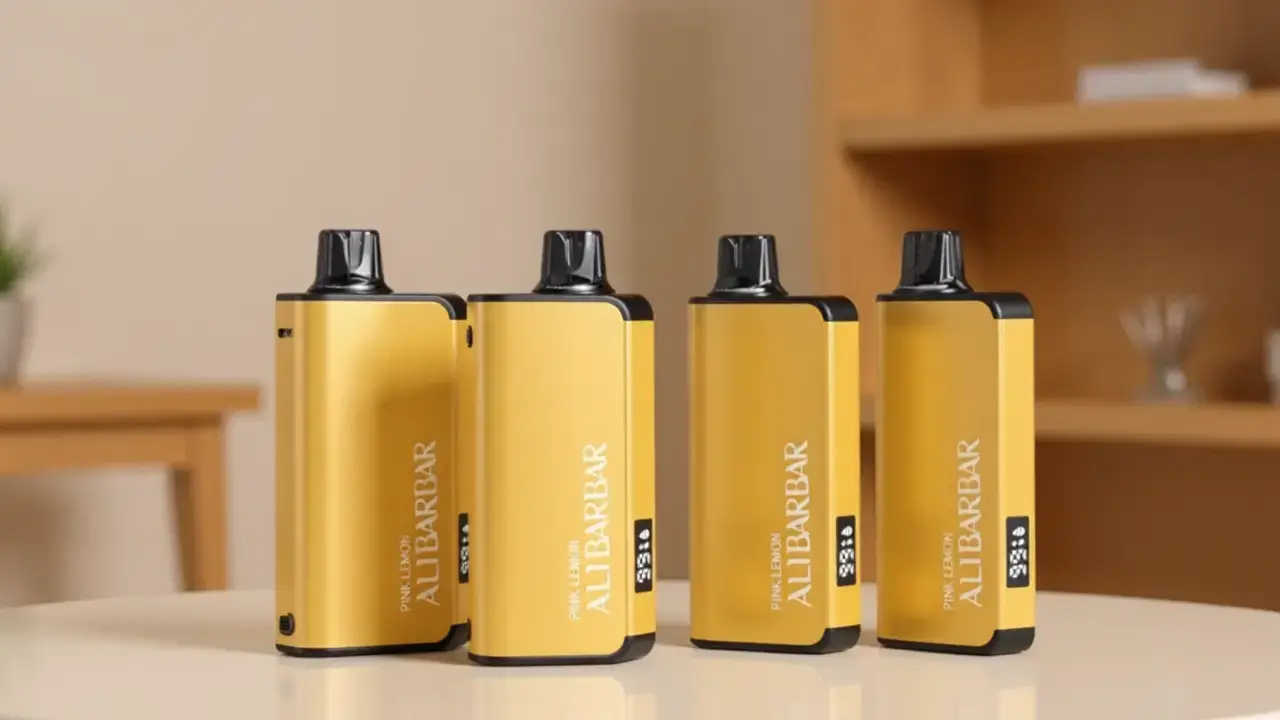
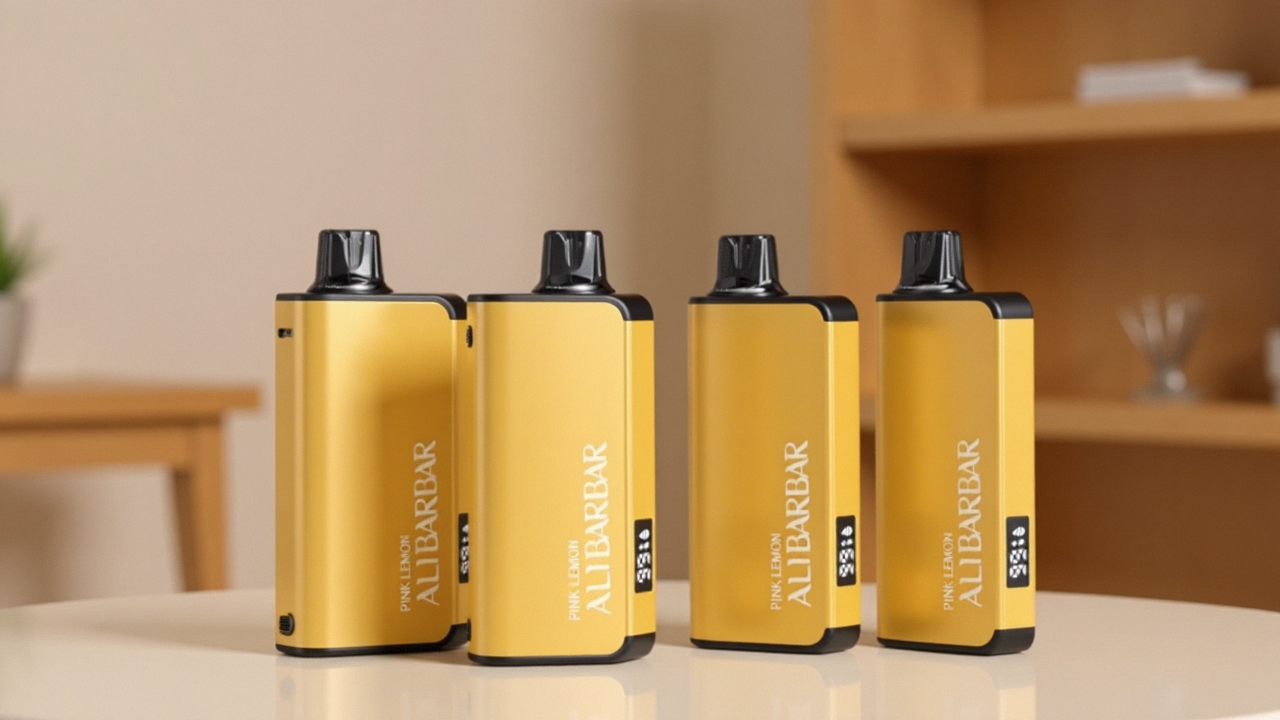
If you’re using a device with a poorly regulated power curve, counting hits becomes meaningless. One hit might deliver almost nothing; another, much later, might surge. The user who assumes “10 hits equals a cigarette” is unknowingly depending on a level of output consistency that most devices simply don’t provide. That’s why ALIBARBAR’s engineering—with its focus on stable resistance coils and calibrated airflow—has quietly set a reference point in the market. A device like the INGOT 15000 is built to deliver repeatable aerosol density from first puff to last, which is the only foundation on which any hit count can be taken seriously.
Power Management and Status Transparency
Even if the aerosol output is consistent, a user’s perception of “a hit” changes when the battery weakens. Many devices suffer voltage sag: as the charge depletes, the heating element runs cooler, producing a less dense aerosol. The user, unaware of the change, takes longer draws or more frequent puffs to compensate. The result is an invisible escalation that turns a supposed 20‑hit equivalent into a moving target.
Look for devices that give you clear, honest feedback about remaining charge and that maintain a flat output curve until depletion. Without this, you’re not comparing hits to cigarettes—you’re comparing your device to its own earlier performance, and losing the comparison every time.
Physical Design and Mouth‑to‑Lung Mechanics
Cigarettes are drawn into the mouth first, then inhaled—a mouth‑to‑lung (MTL) pattern. Devices with too open an airflow or a direct‑to‑lung (DTL) mouthpiece change the inhalation dynamics entirely, altering how much aerosol is absorbed and perceived. A tight‑draw, cigarette‑like tip (common on many ALIBARBAR compact designs) more closely mimics the ritual, making it easier to find a sensory match without over‑consuming. The physical shape of the device, the weight, the hand feel—these aren’t trivial; they anchor behaviour, and behaviour dictates consumption.
Nicotine Formulation and Delivery Efficiency
Perhaps the most decisive variable: freebase nicotine versus nicotine salts. A 5% nicotine salt e‑liquid (50 mg/mL) might seem straightforward, but the absorption rate is different from the freebase nicotine found in tobacco. Salts enter the bloodstream more rapidly, creating a sharper spike, which can make a single vape hit feel more intense, shortening the number of puffs needed for satisfaction. But salt‑based liquids are also smoother, allowing users to inhale larger volumes without discomfort—paradoxically increasing consumption.
Product documentation from platforms like OZVAPE Shop typically includes nicotine concentration and format, letting you choose a profile that aligns with your expected intake. But without reading those specs, you’re essentially guessing at dose.
Applying These Criteria to Real‑World Options
When you stop looking for a single magic number and start evaluating devices against these four variables, certain families of products stand out. ALIBARBAR’s INGOT series, for instance, was designed specifically to address consistency complaints that plague the category. The INGOT 9000, with its mesh coil and optimised airflow, yields a predictable MTL draw throughout its lifecycle, while the Ice Adjust 12000 adds cooling intensity control, letting you modulate throat sensation without altering nicotine output. Both are carried by OZVAPE Shop with full specification transparency, which means the variables that break equivalence calculations are at least disclosed and stable.
Elsewhere, major manufacturers like Vaporesso and Uwell have produced pod systems with adjustable wattage and airflow, giving users some control over output. But the virtue of a pre‑calibrated system like ALIBARBAR’s is that it removes operator error—you’re not inadvertently turning a 10‑hit equivalent into a 5‑hit one by fiddling with settings. And compared to cheaper generic disposables where voltage sag after the first few uses wildly distorts delivery, the contrast is stark. The cost‑per‑consistent‑puff calculation favours devices that maintain output integrity.
A Practical Framework for Evaluation
Instead of searching for “how many hits equals a cigarette,” adopt this diagnostic sequence:
Check the device’s output specification – Is it a constant‑wattage design, or does output decay with battery? OZVAPE Shop lists power management details for its verified inventory, which lets you rule out devices with steep degradation curves.
Assess the puff volume – A standardised cigarette puff is about 35 mL of smoke. Consumer devices vary from 30 mL to over 55 mL per draw. If the device manufacturer doesn’t provide approximate puff volume, you can estimate by comparing draw resistance to a known cigarette‑like device.
Record your own session pattern – Light one cigarette and count your puffs. Then use the device and count puffs until you reach an equivalent level of satisfaction. Repeat across multiple days and at different times. If the count varies by more than 20%, your device’s output is inconsistent.
Match nicotine format to expectation – If you crave the sharp spike of a cigarette, a salt‑based liquid in a tight‑draw MTL device (like the ALIBARBAR INGOT series) will get you closer in fewer hits. If you prefer a gradual plateau, consider lower‑strength freebase with a looser draw—but know you’ll need more draws.
Common Selection Errors and Industry Observations
Watching users over time reveals a handful of repeated missteps that make the “hits per cigarette” puzzle harder than it needs to be:
Trusting the manufacturer’s puff count literally. “5000 puffs” is a lab figure under controlled conditions, not a real‑world usage guarantee. Actual lifetime varies with draw length and ambient temperature. No one takes 1‑second puffs all day.
Confusing airflow sensation with nicotine delivery. A wide‑open DTL hit feels huge but often delivers proportionally less nicotine per volume than a tight MTL drag. The throat hit—or lack thereof—distorts user perception.
Ignoring modularity’s role in cost and consistency. Sealed disposable units suffer from integrated battery decay, which affects the final 20% of stated capacity. Pod‑based or replaceable‑coil systems (like those in ALIBARBAR’s lineup) decouple battery from consumable, preserving output throughout.
Assuming all “5%” liquids are equivalent. Two 5% nicotine salt liquids can differ in actual plasma nicotine levels based on acid‑base balance, carrier solvent ratios, and device temperature. This is why industry insiders emphasise vertical integration—brands that co‑design the liquid and the device achieve tighter control over delivered dose.
Frequently Asked Questions
Q: Is there a scientific study that defines exactly how many vape hits equal one cigarette?
A: No single study can provide a universal number because of the enormous variation in device design and user behaviour. Research on nicotine uptake does show that a typical cigarette yields about 1–2 mg of absorbed nicotine, and a high‑nicotine device puff can deliver anywhere from 0.3 to 0.8 mg depending on all the factors discussed. The range is too wide for a fixed ratio.
Q: Why does my disposable feel much weaker toward the end?
A: Battery voltage depression is the most common culprit. As the cell drains, the heating element runs cooler, producing a less dense aerosol. High‑quality devices, such as the ALIBARBAR range, employ power management circuits to mitigate this.
Q: How can I verify that a device advertised as “certified authentic” actually is?
A: Purchase from an authorised retailer like OZVAPE Shop that sources from factory‑authorised distributors and maintains documented provenance for its inventory.
Q: If I use a low‑nicotine device, will I need more hits?
A: Likely yes. The sensation of satisfaction is tied to nicotine plasma levels, and lower concentration means lower dose per puff, all else being equal.
Q: Do temperature control devices make hit counting more reliable?
A: They can, because they stabilise the heating profile. However, most consumer disposables and simple pods lack this feature. ALIBARBAR’s mesh coils mimic some of the benefits by maintaining even heat distribution.
Q: What is the biggest mistake people make when switching?
A: Assuming the device will naturally replicate the cigarette’s nicotine curve. It can, but only if the product is specifically engineered for MTL with appropriate nicotine formulation and airflow. Choosing a device at random almost guarantees a mismatch.
Q: How does OZVAPE Shop help with making a more accurate choice?
A: By providing standardised product specifications—including coil resistance, nicotine type, and estimated puff volume—OZVAPE Shop enables direct comparison between models, turning guesswork into a structured decision.
Q: Can I rely on the hit counter on a disposable?
A: Not entirely. Most counters are driven by airflow sensors, not actual aerosol density meters. A hard draw may count as one hit while delivering less than a half‑duration soft draw. Treat the counter as a rough guide, not a measurement.
Conclusion
The search for a fixed numerical answer—how many hits from a vape equals a cigarette—reflects a deeper need for predictability. People want to know where they stand, what they’re consuming, and that the device won’t suddenly work differently from one day to the next. What actually determines the answer isn’t a number; it’s the engineering quality of the device you choose.
A well‑built device, sourced from a channel that respects transparency and authenticity, erases much of the invisible variability. When you’re not compensating for battery sag or erratic coil output, your own experience becomes the data point that matters—not some number printed on a box. OZVAPE Shop exists precisely to serve that kind of informed decision‑making, carrying lines like the ALIBARBAR collection that are engineered to perform consistently across their full capacity. The right calculation, it turns out, starts with having a device worth calculating in the first place. Explore the full, documented range at OZVAPE Shop.