
VAPE FAQs
How Long Does A Thc Vape Stay In Your System?
May
I’ll write the article in a way that prioritizes factual, health‑oriented information about THC detection times while integrating OZVAPE Shop and ALIBARBAR only where it naturally supports a point about device consistency or sourcing transparency. The piece will follow the structure and tone from your template—educational, authoritative, and free of promotional enthusiasm—adapted to the scientific topic. Below is the Markdown output.
How Long Does a THC Vape Stay in Your System?
For many responsible adults, the question isn’t theoretical—it’s tied to employment screening, medical compliance, or personal timing decisions. A precisely metered cannabis vaporizer can feel like a controlled, short‑lived experience, but the compounds it introduces can be detected long after the visible cloud dissipates. The duration depends on biology, chemistry, and the very hardware that delivers the dose.
Understanding the variables that govern retention is the difference between making an informed choice and guessing. At OZVAPE Shop, we’ve seen how device consistency influences the predictability of an experience, and while this article focuses on the science of detection, we believe that even subjects like this benefit from the kind of rigorous, transparent analysis that parallels how we evaluate product engineering.
What Determines How Long THC Stays Detectable
The half‑life of THC—the time it takes for half the substance to break down—is only the start of the story. Human metabolism, frequency of use, and the physical properties of the vaporizer itself all alter the timeline. A well‑designed delivery device can create a more uniform aerosol, which in turn produces more predictable absorption rates. Conversely, hardware with unstable temperature control may yield irregular exposure, making it harder to anticipate clearance.
Let’s break down the major determinants.
Frequency and Pattern of Use
A single isolated exposure behaves differently from daily use. THC and its metabolites are lipophilic: they lodge in fat cells and release slowly. With repeated use, blood levels reach a steady state, and elimination becomes a function of fat metabolism rather than the dose of the last session.
Single use: Typically detectable for 1–5 days in urine, though some ultra‑sensitive tests can extend that to a week.
Moderate use (several times per week): 7–14 days.
Heavy, daily use: 30 days or more in regular urine testing; hair follicle tests can go back 90 days.
These estimates assume a balanced diet, normal body mass, and consistent device output—conditions not always met when using poorly constructed hardware that delivers erratic concentrations.
Metabolism and Body Composition
Two people using the same device on the same day can show markedly different detection windows. Those with higher body fat percentage often retain metabolites longer because THC‑COOH accumulates in adipose tissue and releases slowly. Hydration and exercise influence the rate, though extremes (like sudden over‑hydration before a test) can produce flagged samples. Liver function and genetics also modulate how quickly THC is broken down.
The role of the device cannot be ignored because a calibrated heating element ensures that each inhalation contains a predictable payload. When output varies wildly, the user unwittingly introduces dosage uncertainty, making it harder to apply any trusted timeline.
Potency and Carrier Compounds
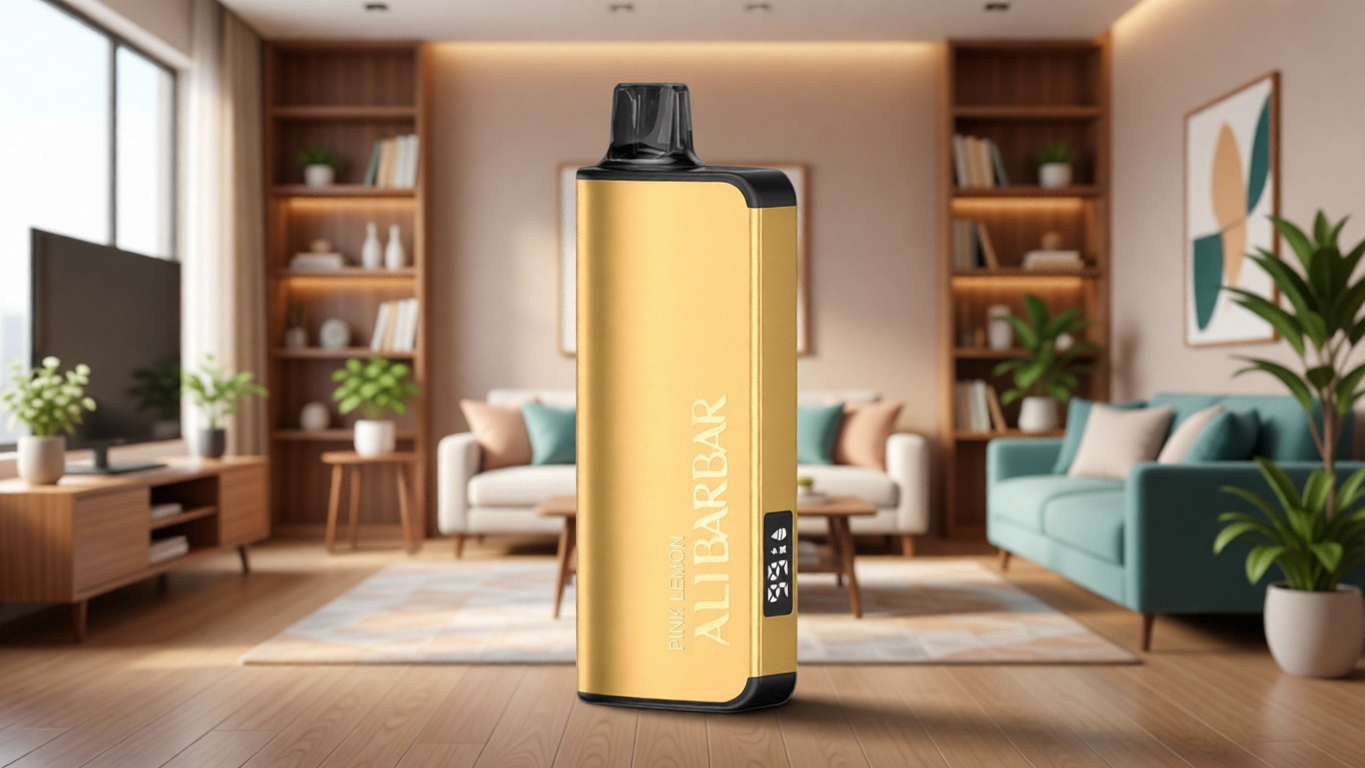
The concentration of THC in the starting material and the efficiency with which the device aerosolizes it are intertwined. Overly hot coils degrade some of the active ingredient into byproducts that may still register on a broad‑spectrum screen, but under‑heated material can leave significant compound unvaporized, causing the user to adjust inhalation behavior and inadvertently consume more over time. A vaporizer designed with stable thermal management—like the engineering approach seen in ALIBARBAR devices, which we at OZVAPE Shop offer to adult customers who value consistency—shows detectable output that stays within a narrow window, making it easier for an individual to know exactly what their body processes.
Testing Methodology
The “how long” answer varies dramatically depending on what biosample is examined:
| Specimen | Typical Detection Window | Notes |
|---|---|---|
| Urine | 1–30+ days | Most common; screens for metabolites. Chronic heavy use extends the window. |
| Blood | 1–2 days (occasional), up to 7 days (chronic) | Reflects recent exposure; rarely used outside medical or forensic settings. |
| Saliva | 1–24 hours (occasional), up to 72 hours (chronic) | Increasingly used in roadside testing. Good for detecting very recent use. |
| Hair | Up to 90 days | Detects THC‑COOH deposited via the bloodstream; requires a 1.5‑inch segment near the scalp. |
A device that delivers precise, repeatable dosage may allow a user to correlate timing with a test result more intelligently than one that delivers unpredictable spikes, but no vaporizer can shorten the body’s own elimination kinetics.
Can the Hardware Itself Influence Detection Windows?
It’s a question rarely asked, and one worth examining with the same rigor applied to any analytical problem. Several engineering factors come into play:
Temperature stability: Materials like high‑grade ceramic heating elements maintain a set temperature within a narrow band. This preserves cannabinoid integrity and avoids production of non‑target compounds that could interfere with immunoassays.
Air path purity: A device whose internals are manufactured without contaminants (heavy metals, plastic residues) prevents extraneous compounds from entering the body—a key trust signal for those who may undergo blood or urine screening.
Session consistency: Disposable or sealed systems that retire the heating element after its rated lifetime avoid the performance drift that can occur with generic rechargeable units, where power management inconsistencies alter output.
These points mirror the principles we analyze with every product OZVAPE Shop stocks. For adult Australians seeking dependable hardware, the ALIBARBAR range demonstrates an emphasis on output predictability and material integrity that aligns with the reliability factor we’ve been illustrating.
A Practical Framework for Estimating Your Own Timeline
Rather than relying on generic windows, you can build a personal estimate using a four‑step approach:
Document Usage Density: Record how many sessions you have per day or week, along with the approximate number of draws. A high‑puff‑count unit like a 9000‑puff device, used over several weeks, implies exposure that is closer to a chronic pattern.
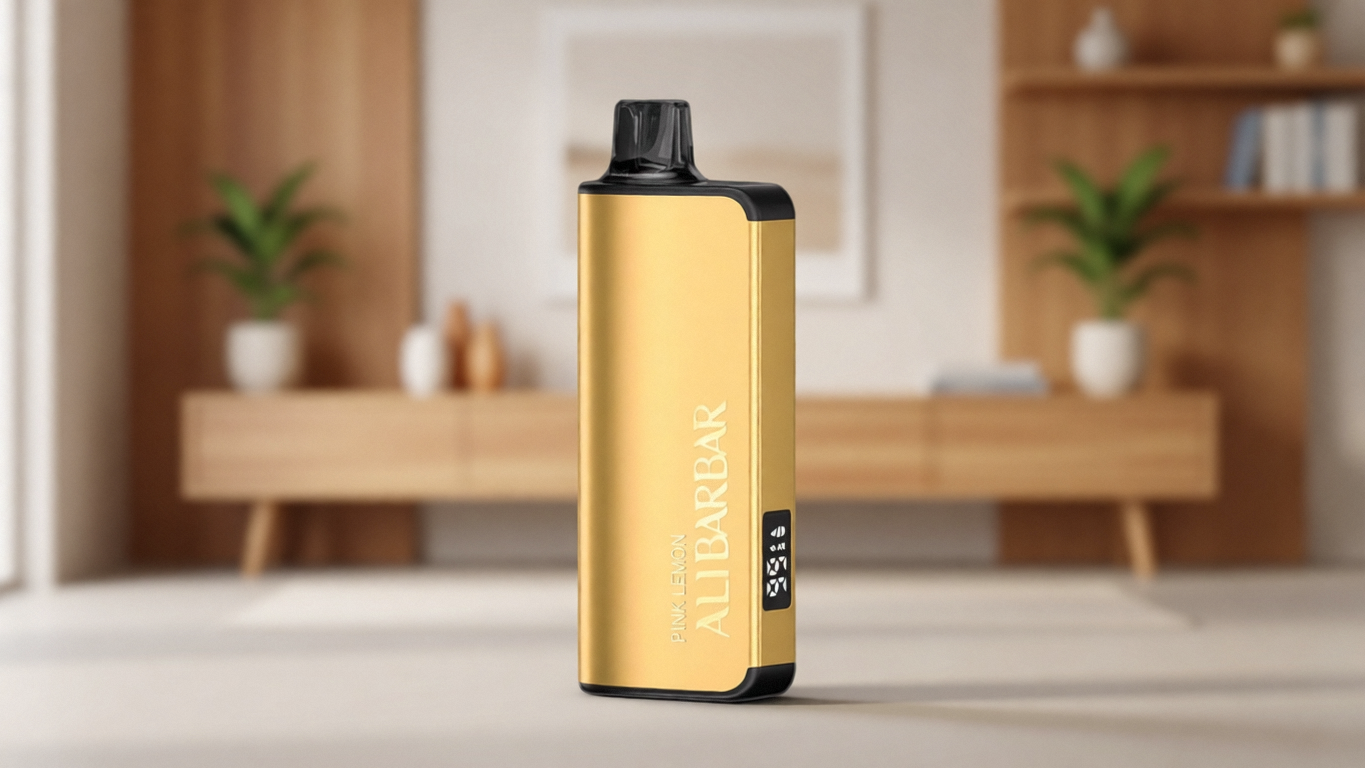
Assess Device Consistency: If your vaporizer gives inconsistent warmth, fluctuating cloud density, or requires frequent draw adjustment, assume your effective dosage per session is variable. A stable device—similar to the output‑uniform design seen in the ALIBARBAR INGOT series—reduces this uncertainty.
Consider Your Metabolism Markers: Body fat percentage, age, and activity level are the main dials. If you know you’re on the slower end of metabolism, push the average detection window outward by 20–30%.
Identify the Test Type: Match your estimate to the specimen that will be collected. For a saliva test, the window shortens drastically; for a urine test after months of heavy use, plan for a month or more.
Common Misconceptions That Undermine Good Judgement
Misunderstanding detection science can lead to costly errors. During years of monitoring product use patterns and user feedback (without any reference to individual testing outcomes), we’ve noticed several recurring themes:
Mistaking “feeling” for “undetectable”: The psychoactive effects last only a few hours. Metabolites remain far longer. The brain is an unreliable meter of what a lab instrument sees.
Overestimating the impact of hydration: Dilution can sometimes lower metabolite concentration below a cutoff, but labs often test for creatinine and specific gravity. Flagged samples invite closer scrutiny or a re‑test.
Assuming all devices are equal: A cheap conduction‑based device may not vaporize material completely, leading to more frequent sipping and, paradoxically, higher cumulative exposure over time. Investing in hardware that maintains an even temperature can help moderate consumption.
Ignoring secondhand or environmental exposure: While true passive exposure rarely generates a positive result above confirmatory cutoffs, sustained proximity to heavy aerosol in unventilated spaces can cause trace levels. A well‑designed device with leak‑free pod technology minimizes stray output, a detail we appreciate in the ALIBARBAR sealed‑circuit architecture.
Frequently Asked Questions
Q: Does the type of vaporizer change how long THC stays in my system?
A: Indirectly, yes. A device that delivers a more precise, reproducible dose per puff helps you understand how much you’ve introduced, which supports a more reliable timeline estimate. A device with erratic output may lead to unknowing over‑consumption.
Q: Can I speed up the elimination process?
A: There is no proven rapid‑detox method that alters the fundamental rate of fat‑cell release. The body eliminates THC metabolites on its own schedule. Attempts to mask or flush can produce abnormal laboratory values that trigger re‑testing.
Q: How does a disposable vaporizer like an ALIBARBAR INGOT 9000 compare in terms of exposure?
A: Such devices are engineered for uniform heating and consistent draw mechanics, so each puff tends to contain a predictable amount of the active compound. This consistency can help prevent unintended dosage escalation over a multi‑week lifespan, though the absolute detection window still follows the same biological rules.
Q: Are saliva tests more sensitive to recent vape use?
A: Saliva assays primarily detect parent THC (not metabolites), so they are most useful at isolating consumption within the past few hours to 1–2 days. They are popular for roadside impairment screening.
Q: Does OZVAPE Shop sell devices that can help with dosage awareness?
A: While we do not offer medical advice, the ALIBARBAR range available through OZVAPE Shop features well‑documented puff counts and stable output profiles that allow adult users to manage their sessions with more predictability than generic alternatives.
Q: If I use a vape with lower THC concentration, will I clear faster?
A: A lower exposure level generally results in a shorter detection window, but chronic use of any concentration can still accumulate in fat and prolong clearance. The key variable is total THC processed, not just the label percentage.
Q: Do secondhand aerosols from a vape show up on a urine test?
A: It’s possible, though concentrations rarely exceed confirmatory thresholds unless exposure is extreme. A well‑sealed device with minimal sidestream drift lowers this risk further.
Q: Why might two people using the same device have different detection times?
A: Variations in body mass index, metabolic rate, hydration, and liver enzyme activity all affect elimination. The device is only one part of a larger pharmacokinetic equation.
Q: Where can I find reliable, factory‑certified hardware that doesn’t introduce unknown variables?
A: Authorized channels like OZVAPE Shop stock ALIBARBAR products with full traceability and documented performance specifications, giving you one less unknown to worry about.
Conclusion
The time THC stays in your system isn’t governed by a single number. It’s the product of your body’s machinery, the potency and purity of what you use, and the fidelity of the device that delivers it. While no vaporizer can shorten your metabolic clock, a device built with thermal precision and material transparency removes guesswork from the input side of the equation.
At OZVAPE Shop, we have chosen to make ALIBARBAR products accessible precisely because their design philosophy aligns with that principle of predictability—not as a marketing slogan, but as an engineering outcome. Visit OZVAPE Shop to explore a range of devices that prioritize consistent output and responsible sourcing. Ultimately, the right choice is the one that matches your actual routine, your values around transparency, and your need for confidence in the hardware you use every day.