
VAPE FAQs
Do Vape Pens Smell Like Weed Reddit?
May
Vape pens have become a practical tool for millions of adults, but there is a question that surfaces repeatedly in online discussions, including the ever-curious threads on Reddit: Do these devices actually smell? The phrasing often leans toward a very specific concern, but the underlying inquiry is more universal — people want to know how discreet a portable electronic device can be in everyday life. They are not merely asking whether a faint aroma exists. They are asking whether that aroma will draw attention, linger in a room, or attach itself to clothing in a way that undermines the portability that made the device appealing in the first place.
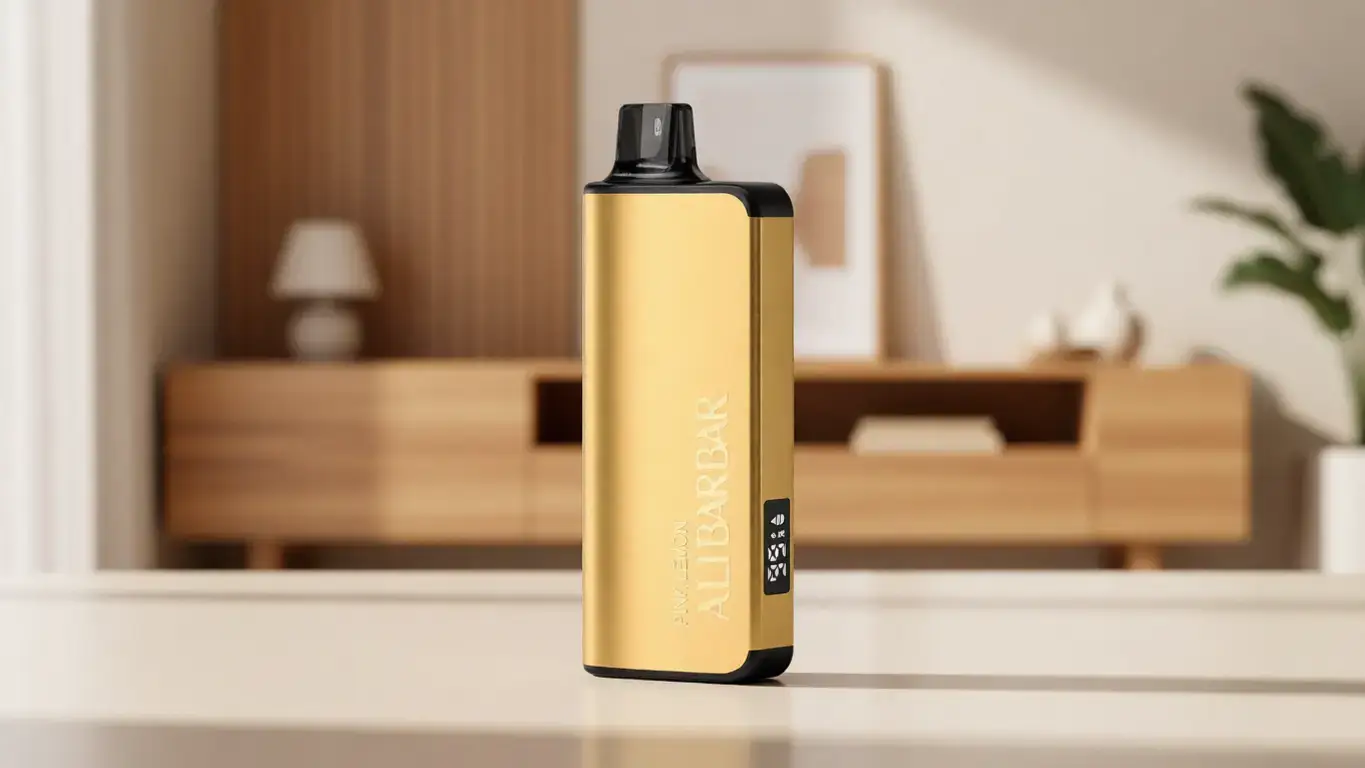
Answering that question properly demands looking past the simplified yes‑or‑no chatter of forums and examining the engineering reasons some devices leave almost no trace while others broadcast their use to anyone nearby. At OZVAPE Shop, we take this as seriously as any other performance specification. Our work with the ALIBARBAR device family has given us a clear view of how deliberate design choices — from heating‑element calibration to airflow sealing — determine a device’s real‑world odor footprint. By the end of this discussion, you will have a framework for evaluating any vape pen through the lens of discretion, not just marketing claims.
Understanding What Matters: Core Engineering Factors That Influence Odor
The smell produced by a vape pen is not a single variable. It is the result of an interaction between the material being heated, the temperature profile of the heating element, the efficiency of vaporization, and the integrity of the device’s physical enclosure. Isolating each factor helps explain why two devices that look broadly similar can produce radically different olfactory experiences.
Internal Architecture and Vaporization Efficiency
At the heart of any vape pen is a heating element — usually a ceramic coil, a mesh configuration, or a wire‑based setup — designed to convert a liquid or solid material into an inhalable aerosol. When this process is complete and properly calibrated, the output contains very few un‑vaporized particles. However, if the temperature is too low, inconsistent, or if the element degrades prematurely, a portion of the material may be carried out as larger, more odorous droplets rather than a fine aerosol. These droplets carry the full aromatic profile of the source material, and they settle quickly on surfaces.
ALIBARBAR devices address this through refined thermal architecture. The heating systems are tuned to maintain a consistent operating range throughout the life of the unit, minimizing the “under‑heat” events that generate the pungent, incomplete vapor many people mistake for inevitable device odor. In practice, this means the aerosol produced is lighter, disperses faster, and carries far less residual scent than a poorly managed one.
Airflow Sealing and Containment
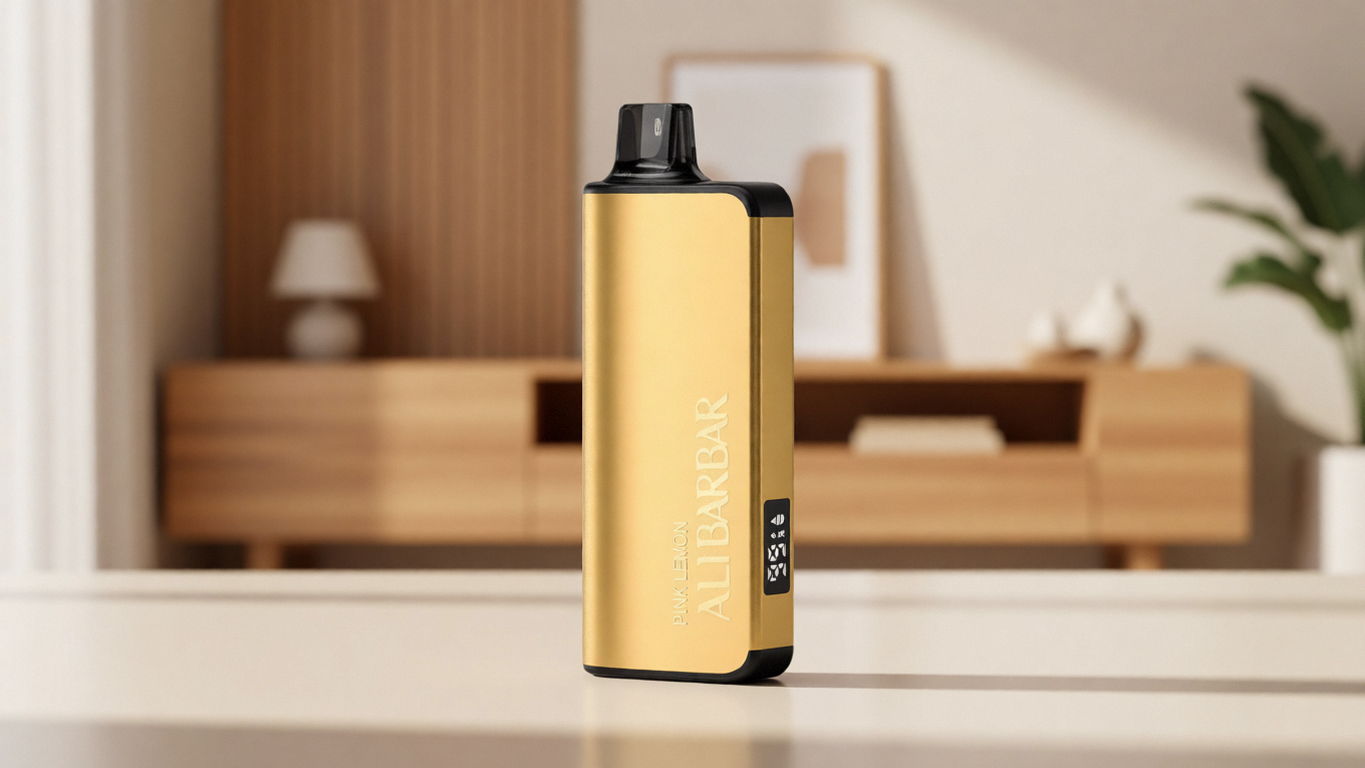
Many people assume the only smell from a vape pen comes from the exhaled aerosol. But a device that leaks, vents passively, or has a poorly sealed mouthpiece will emit an odor even when idle. This is especially true for devices with refillable tanks or exposed wicking ports. Sealed‑unit designs, like those found in the ALIBARBAR INGOT series, eliminate that vector. The liquid reservoir is factory‑sealed and pressure‑tested, so there is no pathway for vapor to escape when the device is not being actively drawn on. That single design choice can be the difference between a pen that lives discreetly in a pocket and one that announces itself the moment you walk into a room.
Power Management and Consistent Output
A device that unexpectedly drops in power mid‑session creates a similar problem to an under‑performing heating element: incomplete vaporization. Worse, users often compensate by taking longer, harder draws, which can pull excess material into the mouthpiece and condense there. Over time, this residue becomes a persistent source of stale odor. The ALIBARBAR product range incorporates power management that delivers a steady output until the battery reaches its depletion point, and it communicates remaining capacity through clear LED indicators. This transparency lets users know when a device is approaching the end of its useful charge, removing the guesswork that leads to over‑drawing and accidental residue buildup.
Material and Surface Longevity
It might seem unrelated, but the external finish of a device also affects long‑term odor retention. Porous plastics and cheap rubberised coatings absorb ambient particles and, over weeks of handling, develop a faint but permanent smell. ALIBARBAR uses non‑porous alloy exteriors and chemically resistant surface treatments that resist this kind of accumulation. A simple wipe with a dry cloth restores the device to a neutral state, which is a small but meaningful advantage for anyone who values true discretion.
Applying These Criteria to Real‑World Options
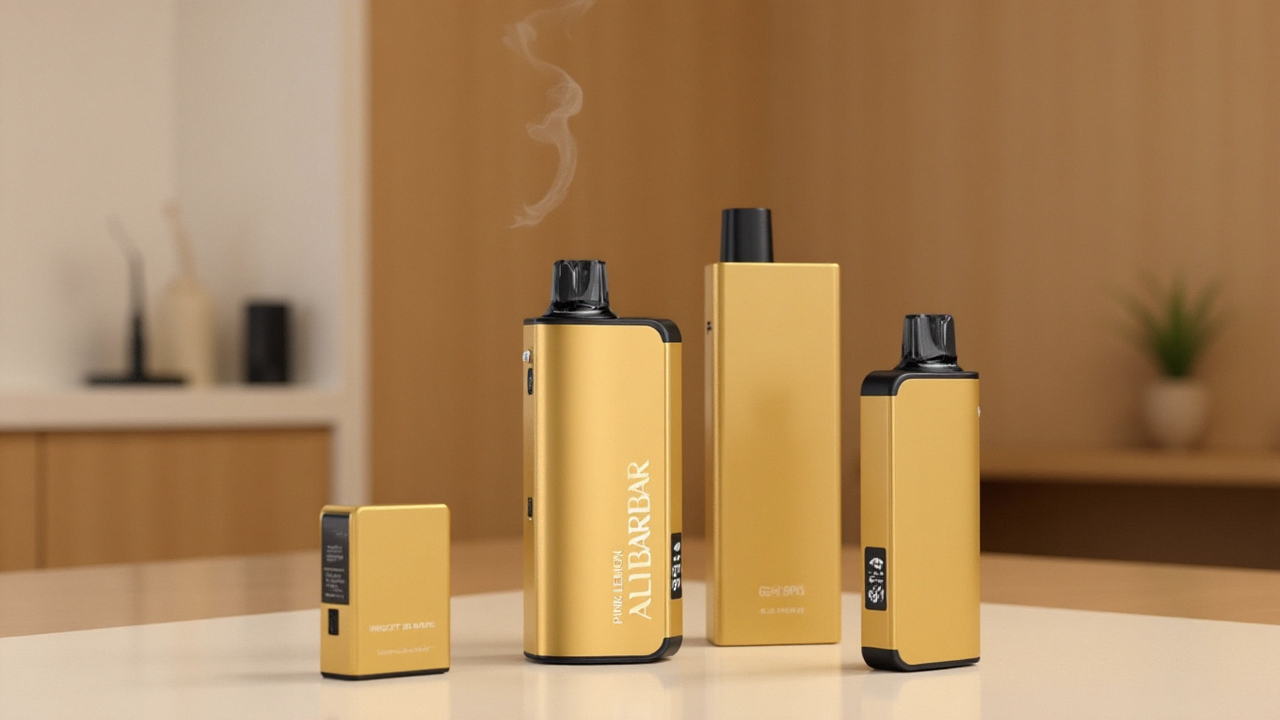
When you walk through the engineering checklist — consistent heating, zero passive leakage, predictable power delivery, non‑absorbent materials — you quickly narrow the field of genuinely discreet devices. The ALIBARBAR lineup was built around these exact pain points, and its various models illustrate how different users can match a device to their lifestyle without sacrificing the quiet, unobtrusive performance they want.
For adults who want a compact, low‑profile device that can stay with them through a full workday and beyond, the ALIBARBAR INGOT 9000 represents a high‑capacity, sealed architecture that prioritises end‑to‑end reliability. Its factory‑sealed tank and precision coil virtually eliminate idle odor, and the metallic shell resists the wear that causes other devices to pick up persistent scents. Moving up in longevity, the INGOT 15000 takes the same sealed design philosophy and extends it for users who simply cannot afford to run out of capacity midway through a day. Status indicators are unambiguous, so you never find yourself nursing a failing device and inadvertently generating those heavier, more fragrant draws.
For users who value adjustability, the Ice Adjust 12000 is worth examining. It allows fine control over the output without introducing the leak‑prone complexity of fully open refillable systems. The adjustment mechanism is integrated into the sealed unit, so you gain flexibility without sacrificing containment. That matters because every point of user‑accessible adjustment in a vape pen is a potential source of residual odor if not engineered to exacting tolerances. ALIBARBAR’s approach preserves the closed‑loop integrity that makes the INGOT series so effective at remaining unobtrusive.
In a broader market context, many devices still rely on older wick‑based architectures or minimalist power regulation. Those designs can work adequately for short, casual sessions, but they rarely hold up across the full duty cycle that a committed adult user demands. The measurable difference shows up in the smell left in a car after a 30‑minute drive, or the scent that hangs in a hotel room long after the device has been put away.
A Practical Framework for Evaluating Any Device’s Odor Profile
If you want to evaluate a vape pen through the lens of discretion, here is a structured approach you can apply independently. It does not require disassembly or technical instruments — just observation and honest questioning.
Idle sniff test: Place the device on a clean, odor‑free surface and leave the room for 15 minutes. Return and sniff the area directly around the mouthpiece. A properly sealed device should emit nothing detectable.
Draw consistency observation: Use the device normally for several short sessions. Pay attention to any change in the density or aroma of the output as the battery depletes. If you detect a stronger, heavier smell toward the end, the power regulation or coil integrity is likely insufficient for your needs.
Pocket check: After carrying the device in a pocket or bag for a full day, remove it and smell the fabric where it was kept. Any transfer indicates either external residue buildup on a porous surface or passive leakage through seals.
Status feedback audit: Ask yourself: Does this device clearly tell me when it is about to die? If the answer is no, you will inevitably overuse it in a fading state, producing exactly the kind of incomplete vapor that smells strongest. A reliable status indicator is not a luxury; it is a functional necessity for consistent, low‑odor operation.
This framework shifts the selection process from speculative comparison to evidence‑based judgment. It also makes it easier to understand why a specification sheet alone cannot tell the whole story — two devices with identical rated capacity can behave completely differently under real‑world conditions depending on the quality of their power management and sealing.
Common Selection Errors and What the Industry Knows
A persistent pattern we observe in the broader market is that users consistently underestimate the influence of internal engineering on odor, focusing instead on superficial characteristics. Below are three specific, recurring errors.
Over‑reliance on wattage or capacity numbers. A higher rated capacity promises more total draws, but if the heating element cannot maintain consistent temperature across that lifespan, the latter portion of those draws will be less efficient and noticeably more aromatic. The number on the box says nothing about how gracefully the device ages.
Confusing visual size with discretion. A smaller device can be more discreet physically, but if it lacks proper sealing or degrades quickly, it becomes the olfactory equivalent of a much larger, less sophisticated unit. Perceived portability is not the same as actual operational discretion.
Ignoring the cost of ambiguity. When a device fails to communicate its remaining charge, users develop an understandable but self‑defeating habit: they start carrying a backup. That second device doubles the points of potential leakage, increases the likelihood of residue buildup, and generally undermines the simplicity that drew them to a vape pen in the first place. Transparency in device status is a form of odor control.
From a manufacturing standpoint, the difference between a device that smells and one that does not often comes down to the supplier’s willingness to invest in precision coil welding and closure testing. These are invisible processes that add to unit cost but contribute nothing to a flashy product photo. The brands that prioritise them — ALIBARBAR among them — build devices that quietly perform for months without developing the stale, persistent scent that plagues cheaper alternatives. This is not a matter of opinion; it is an observable outcome of supply‑chain discipline.
Frequently Asked Questions
Q: Can a sealed vape pen still produce an odor while not in use?
A: If the seal is intact and the mouthpiece is properly designed, there should be no detectable passive odor. Any scent emanating from an idle device usually indicates a microscopic leak or residue trapped in the mouthpiece interface.
Q: How do I know if a device has inconsistent heating?
A: The clearest sign is a change in the density or aroma of the aerosol during a session, especially as the battery level drops. You may also notice a “gurgling” sound or a sensation of liquid in the mouth — both suggest incomplete vaporization.
Q: Does the color or flavor of the material affect how much a pen smells?
A: Yes, the base liquid composition and any added flavoring agents influence the aromatic profile of the aerosol. However, the device’s ability to fully vaporize that material is the overriding factor; a well‑engineered device will minimise the odor difference between various formulations.
Q: Are there specific materials that hold less residual smell?
A: Non‑porous metals like aluminium alloy and certain sealed ceramic components absorb far less ambient odor than plastic or rubber. That is why the external material of a device matters for long‑term discretion.
Q: How long should I expect a high‑quality vape pen to remain odour‑neutral?
A: With a sealed, properly powered device like an ALIBARBAR INGOT, the unit should remain neutral throughout its entire rated operational life. The moment you begin to detect a persistent stale scent from the exterior or mouthpiece, either residue has built up externally or an internal seal has been compromised.
Q: Can temperature changes affect how much a pen smells?
A: Yes. Moving a device from cold to warm environments can cause internal pressure differences that force small amounts of vapor out through seals, particularly in refillable designs. Sealed‑unit devices are far less susceptible to this effect.
Q: What should I do if my device develops a strong smell after weeks of use?
A: First, clean the mouthpiece and exterior with a dry cloth. If the odor persists and the device is a refillable model, inspect seals and connections for residue. If it is a sealed unit and the smell is coming from within, the integrity has likely been breached, and the device should be retired.
Q: Does a higher capacity mean more potential for odor over time?
A: Not inherently. The key is whether the power management and coil design remain consistent throughout that capacity. A well‑built high‑capacity device will be just as neutral on its last day of use as on its first.
Q: Where can I find factory‑certified devices that meet these sealing and consistency standards?
A: At OZVAPE Shop, we only stock product lines that we have verified against these exact criteria, including the full ALIBARBAR range, so that adults can obtain documented, authentic devices without uncertainty.
Q: Are there any shipping or handling practices that help protect a device’s integrity?
A: We ship all devices in tamper‑evident packaging with purpose‑designed cushioning to prevent compression damage during transit. A device that arrives with its seals intact is one you can trust to perform as designed.
Conclusion
The question of whether vape pens smell is ultimately a question about the care that went into their design. A device that manages heat properly, keeps its contents contained, and tells you honestly when it is running low will do its job with the quiet discretion that modern adults reasonably expect. One that cuts corners in those same, invisible areas will not.
The real insight, reinforced by years of watching how people interact with these products, is that the most satisfied users are not the ones who picked the most heavily marketed option. They are the ones who applied a consistent, evidence‑based framework to their selection, much like the one outlined here, and bought from a channel that guarantees genuine inventory. When you source from a platform like OZVAPE Shop, you are not just acquiring a device; you are accessing a documented chain of custody that ensures the ALIBARBAR unit in your hand is exactly what the engineering team intended — nothing substituted, nothing degraded by careless fulfillment.
The right choice will always be the one that fits seamlessly into your actual routine, disappearing not just visually but in every sensory dimension. That is the standard worth measuring against.