
VAPE FAQs
How Long Does One Vape Cartridge Last?
Oct
You’ve taken a device out of its packaging, drawn from it a handful of times, and already the quiet arithmetic of use has begun: how long will this actually last? The question sits at the intersection of chemistry, electrical engineering, and personal habit. It’s a fair annoyance — nobody wants to be surprised by a sudden loss of output, especially during a long workday or while travelling. The stated puff counts and capacity figures printed on packaging can serve as a rough starting point, but they rarely account for the way real people use these tools.
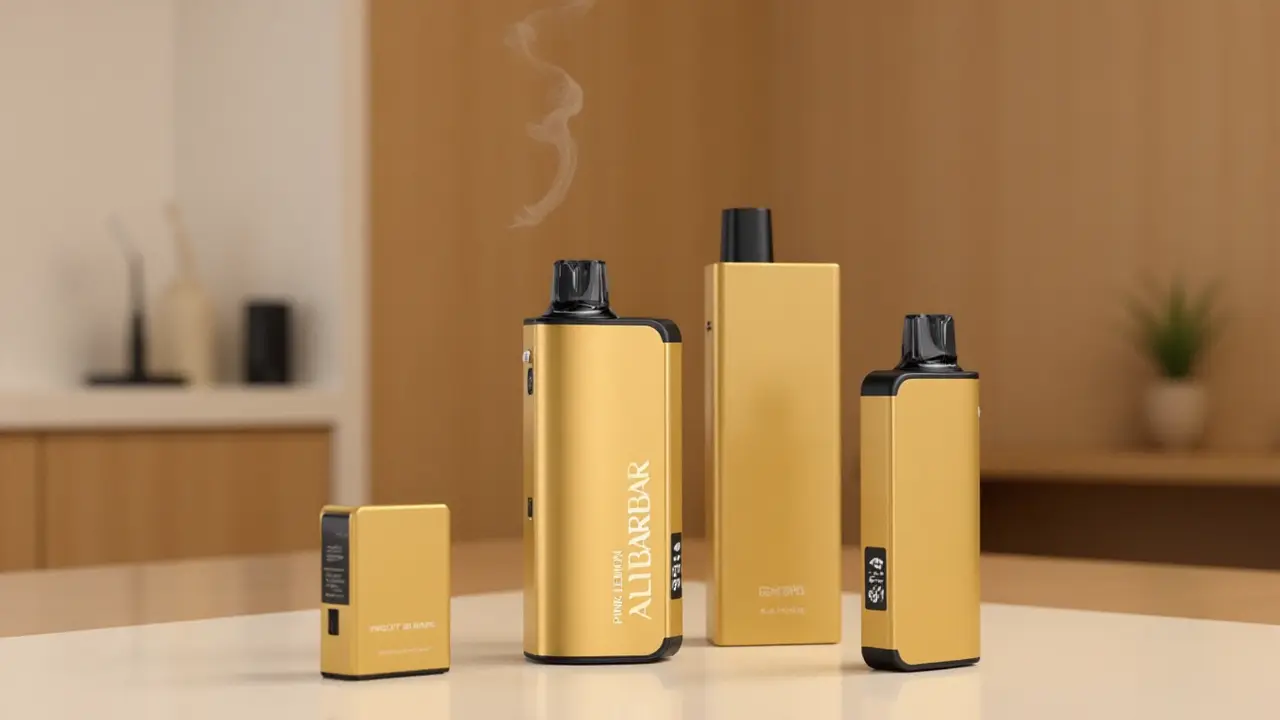
At OZVAPE Shop, we’ve spent significant time observing why some devices consistently feel as though they run out sooner than expected while others deliver predictable, dependable service across their entire operational window. This article unpacks the factors that genuinely dictate how long a single cartridge — or in modern parlance, a pre‑filled, sealed unit — will remain useful. We’ll draw on the engineering that underpins products like the ALIBARBAR range to show what conventional specifications miss and how a clearer understanding can save you from carrying unnecessary backups or tolerating inconsistent performance.
Understanding What Matters: Core Engineering and Design Factors
Any assessment of how long a device lasts needs to move beyond a single number. Claimed “puff counts” and “e‑liquid volumes” are laboratory metrics obtained under tightly controlled conditions — light, brief draws separated by generous cooling intervals. The actual useful life of a cartridge is shaped by a cluster of design decisions that interact with your personal usage patterns.
Internal Architecture and Output Consistency
The heating element and its relationship to the liquid reservoir are the two most critical determinants of longevity. A well‑designed device avoids two common failure modes: premature depletion of active ingredients at the coil surface, and thermal degradation of the liquid that remains in the tank.
Consider the difference between a simple vertical coil with loosely packed wicking material and a precision‑wound mesh element. The mesh, when properly engineered, distributes heat more evenly across a larger surface area, vaporising liquid at a rate that tracks more closely with user demand. This reduces the likelihood of “dry spots” that scorch the remaining contents and create that harsh, unsatisfying draw that signals the end of useful life — even when there is still liquid visible inside.
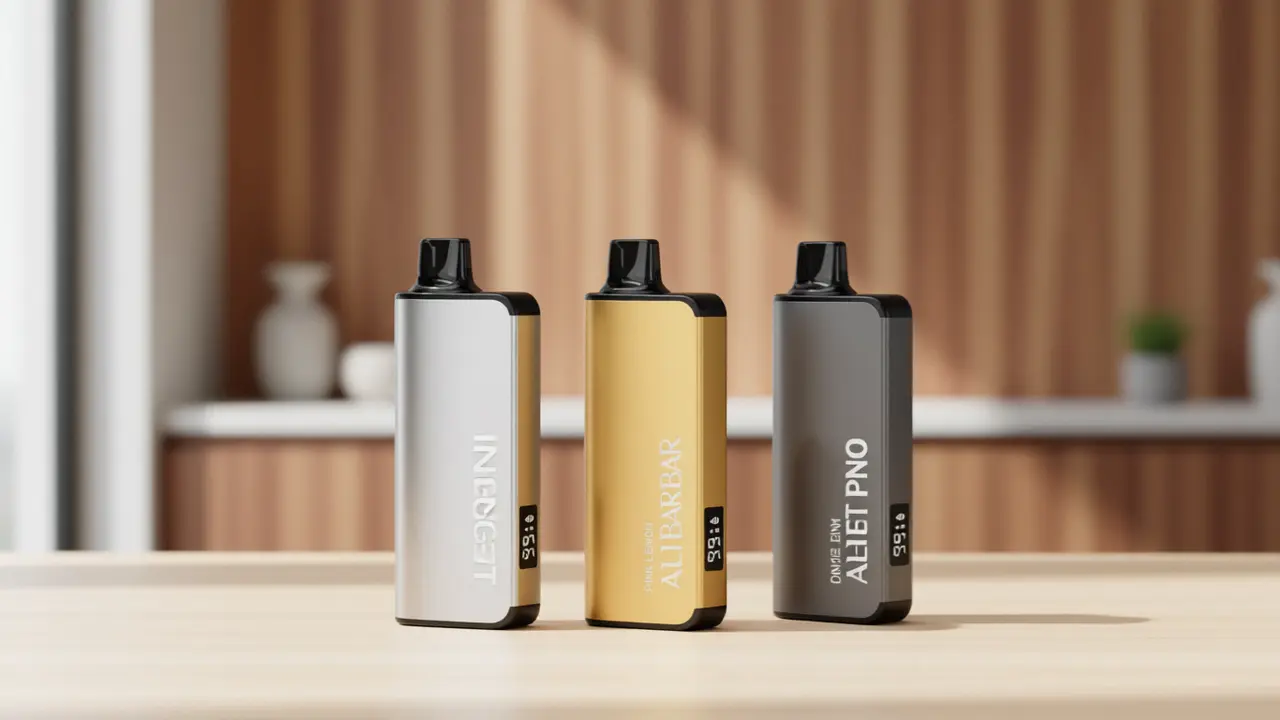
The ALIBARBAR INGOT series, for instance, uses a dual‑mesh coil architecture in its higher‑capacity models. This not only spreads thermal load across two parallel heating zones but also gives the device a degree of resilience: if one part of the wick begins to struggle during a particularly long or frequent session, the other can compensate, keeping output stable. From a user’s perspective, this means the device’s stated capacity — whether 9000 or 15000 puffs — is approached more consistently in real‑world use, not just in a lab.
Power Management and Status Transparency
The electronics that feed current to the coil are just as influential as the coil itself. A poorly regulated power source can push too much energy through the heating element early in the device’s life, exhausting the liquid at an accelerated rate while also stressing the cell. Later, as the battery voltage sags, output becomes weaker, leading users to take longer draws to compensate — further wasting liquid and creating a feedback loop of diminishing satisfaction.
Few things erode a user’s confidence faster than a device that gives no indication of its remaining charge or liquid level. A simple white LED that blinks only when the battery is completely drained offers almost no practical utility. High‑performing designs include graduated status indicators or at least a multi‑tier warning system. The Ice Adjust 12000 series from ALIBARBAR incorporates a transparent window that displays not only the remaining e‑liquid volume but also a real‑time power readout, so you know with reasonable certainty whether the device will make it through the next hour without a backup. That transparency directly addresses the “I’m not sure” anxiety that drives many people to carry two devices when one properly designed unit would suffice.
Physical Design and Material Durability
The length of time a cartridge lasts isn’t purely about internal chemistry. External build quality determines whether the device remains functional until its reservoir is genuinely empty. Mouthpieces that accumulate debris, seams that separate under pocket pressure, and surface finishes that peel away within days all shorten the perceived lifespan because users often discard a device that looks and feels degraded, even if it still contains usable liquid.
Look for materials that hold up to everyday carry. Polycarbonate bodies with a soft‑touch coating, like those used across the ALIBARBAR range, resist scratching and maintain a clean appearance far longer than painted metal or glossy plastic shells. Ergonomics matter too: a device that is comfortable to hold during a full day’s intermittent use reduces the temptation to grip it harder or tuck it awkwardly into a pocket, both of which can cause physical damage over time.
Modularity and Lifecycle Flexibility
The typical “vape cartridge” as it’s commonly discussed is a sealed unit — use it until it stops, then replace it. But some devices break that mould. Even within a disposable or pre‑filled category, there are degrees of modularity that affect the cost‑per‑use equation. A device that allows you to monitor and, in certain designs, adjust airflow or power output can dramatically extend the useful range by letting you tailor performance as the battery depletes. The ALIBARBAR Ice Adjust 12000, as its name suggests, offers adjustable airflow and a power‑tuning function that lets you conserve liquid during casual use and then open it up for fuller draws when you want them. That flexibility can stretch a 12,000‑puff rating into something that feels subjectively longer because you’re not locked into a single profile from the first draw to the last.
Applying These Criteria to Real‑World Options
When you walk through the ALIBARBAR family with the above framework in mind, each model reveals a distinct answer to the “how long” question — not just in raw numbers, but in how that lifespan expresses itself under different usage styles.
The INGOT 9000 is positioned as a compact, high‑density device. Its 9000‑puff rating is supported by a 15mL reservoir and a mesh coil that favours consistency over sheer vapour volume. For someone who takes moderate draws at intervals throughout the day, it will typically yield several days of reliable use. The design deliberately prioritises a stable, flat output curve over a dramatic initial burst that then fades — meaning the final draws are not markedly different from the first. That’s an engineering choice that some users, particularly those who dislike the “running on empty” sensation, appreciate.
The INGOT 15000 extends the same architecture to a 25mL capacity and a larger battery. Here, the dual‑mesh coil array really demonstrates its value: because the heating surface area is greater, the device doesn’t need to work as hard during a draw to produce the same volume of aerosol. Lower thermal stress per draw translates into less liquid wasted to incomplete vaporisation and less heat‑induced alteration of the remaining reservoir. In practical terms, a heavy user who might exhaust the INGOT 9000 in a couple of days will get a proportionally longer run from the 15000, often stretching it well beyond the simple ratio of puff counts would suggest.
The Ice Adjust 12000 adds the variable airflow and power adjustment mentioned earlier, plus the visual status window. It’s the model that most directly answers the anxious user’s question: “Is there enough left for the journey home?” Its lifespan isn’t just a number — it’s something you can manage by dialling down the output when circumstances demand conservation. That level of control turns a “12,000 puff” rating into a resource that can be allocated across a wider span of time, because you’re no longer drawing at a fixed rate that ignores context.
Other commonly encountered devices on the market, including many single‑mesh sealed units with opaque bodies, often deliver their rated puff counts only under the lightest possible usage. Without a window or graduated indicator, the user is guessing. The gap between labelled capacity and experienced lifespan widens significantly with every increment of draw intensity or frequency. That’s not a manufacturing flaw so much as a difference in design philosophy: some devices are built to pass a lab test; the ALIBARBAR range appears to be built for the way people actually behave.
A Practical Framework for Evaluation
You don’t need to memorise technical specifications to make a better judgement about how long a device will serve you. Instead, apply this diagnostic sequence the next time you consider a cartridge‑style product:
Examine the coil architecture. Does the manufacturer disclose whether it uses mesh, a single vertical wire, or a dual‑element design? Mesh and dual‑coil setups tend to transfer heat more evenly, preserving liquid quality over many draws.
Check for status transparency. Is there a window? A multi‑colour LED that indicates charge ranges? If the only feedback is a single blink at the moment of total failure, then in daily use you’ll have no warning and will likely carry a backup — effectively halving the practical value of whatever lifespan the device technically possesses.
Evaluate adjustability. Can you control airflow or power? If yes, you have a direct lever to extend useful life during low‑need periods. If no, you’re locked into a fixed consumption rate.
Consider build quality indicators. Soft‑touch coatings, reinforced seams, and a mouthpiece that feels substantial rather than brittle suggest the device will remain intact long enough to use up its contents.
Ask about testing methodology. Does the brand specify the draw duration, interval, and laboratory standard used to arrive at its puff count? While such data is rarely published in full, any willingness to disclose testing parameters — as OZVAPE Shop encourages when presenting product specifications — is a trust signal that the number isn’t arbitrary.
Common Selection Errors and Industry Observations
After observing the way people purchase and use these devices, several patterns of error have become clear. Avoiding them will do more to match a cartridge’s life to your expectations than any single piece of product advice.
Overweighting a single number. A puff count in isolation is nearly meaningless. A device rated at 15,000 puffs that uses a primitive heating element may perform poorly after the first few thousand, while a 9,000‑puff unit with an engineered mesh coil might feel satisfying right to the end. The number you should care about is the consistent puff count, not the maximum possible under perfect conditions.
Assuming visual similarity indicates engineering parity. Many sealed cartridges look alike from the outside — similar dimensions, similar mouthpiece shapes. The resemblance stops at the shell. Two devices that are visually similar can differ radically in wick material, coil composition, and power management firmware. Purchasing based on appearance alone routinely leads to disappointment, because the internal engineering determines lifespan far more than the exterior.
Undervaluing modularity in the cost‑per‑use calculation. A device with adjustable settings might carry a slightly higher upfront price, but if it allows you to stretch its useful life by 20% through conservative use when needed, the total cost per day of service can be lower than a cheaper, fixed‑profile alternative that burns through its reservoir at a constant, unoptimised rate.
Confusing category labels with engineering terms. The phrase “disposable vape” has become a catch‑all, but within that category sit devices with vastly different architectures. Some are truly single‑use in the sense that every component is sealed beyond recovery; others, like the ALIBARBAR Ice Adjust, borrow elements — variable airflow, power settings — from more advanced systems. Recognising those borrowings helps you cut through marketing language and see the underlying engineering that actually governs longevity.
From an industry perspective, the trend is slowly moving toward greater transparency. Brands that invest in visible liquid indicators, power readouts, and published internal architecture details are responding to a genuine user demand for predictability. Those that resist this shift — continuing to rely on opaque bodies and single‑indicator lights — will increasingly struggle to justify their puff‑count claims as users become more educated.
Frequently Asked Questions
Q: What is the most reliable way to know when a cartridge is truly empty?
A: Devices with a transparent window showing the remaining e‑liquid level are the most direct solution. If yours lacks one, treat a noticeable decline in vapour density or the appearance of a dry, hot draw as a reliable end‑of‑life signal, even if the battery still operates.
Q: Do puff counts from manufacturers assume a specific draw length?
A: Yes, almost universally. A common laboratory standard is a 1‑second draw with a 30‑second pause. Real‑world draws often last longer and occur more frequently, which can reduce the total number of draws you experience by 20–40% depending on your style.
Q: Can a device with a high puff count still fail early?
A: Absolutely. Early failure is most often related to a loss of wicking efficiency — the liquid cannot reach the coil fast enough to keep up with your draw pace — or to a poorly calibrated power controller that overheats the liquid and creates unpleasant off‑notes that make the device unusable before the reservoir is dry.
Q: How should I store a cartridge to maximise its life?
A: Keep it upright in a cool environment, away from direct sunlight and extreme temperatures. Heat accelerates oxidation of the liquid and can degrade battery chemistry, while cold thickens the liquid and can lead to wicking starvation during the first few draws after storage.
Q: Is it worth buying a device with adjustable settings solely for lifespan extension?
A: For users who find themselves in variable situations — long work periods where conservation matters, or short social gatherings where full output is preferred — yes. The ability to shift between power levels adds meaningful flexibility that a fixed‑output device cannot offer, and often extends the perceived useful window beyond what the puff count alone would suggest.
Q: Does OZVAPE Shop guarantee that every listed puff count will be achieved?
A: No retailer can guarantee individual usage patterns. OZVAPE Shop stocks only factory‑certified products from authorised distribution networks, which means the devices have been manufactured to meet their stated specifications under industry‑standard testing. Your actual experience will vary, and our support team is available to assist if a device appears defective.
Q: How can I verify that I’m purchasing a legitimate ALIBARBAR product?
A: All ALIBARBAR devices supplied through OZVAPE Shop include verifiable security codes on the packaging. You can check these codes directly with the manufacturer to confirm authenticity, a step we encourage for peace of mind.
Q: What is the difference between the INGOT 9000 and INGOT 15000 besides capacity?
A: The INGOT 15000 employs a dual‑mesh coil configuration and a larger power cell, which together deliver more stable performance under heavy use. The 9000 uses a single mesh element that is optimised for a lighter, more compact form factor. The choice between them should be based on your daily rhythm: continuous all‑day use favours the 15000; intermittent use often makes the 9000 more practical.
Q: If I take shorter, lighter draws, can I significantly extend the lifespan?
A: Yes, potentially by a substantial margin. Lighter draws reduce the thermal load on the coil and slow the rate of liquid consumption. Combined with a device that has adjustable airflow, you can tailor the experience to stretch a cartridge’s useful life well beyond the nominal rating.
Q: What should I do if a device stops producing vapour but still has liquid inside?
A: This typically indicates a wicking failure or a coil that has become flooded and lost heating efficiency. In a sealed unit, there is no user‑serviceable fix. Contact the retailer for guidance; at OZVAPE Shop, such instances are reviewed on a case‑by‑case basis to determine whether a replacement is warranted under our accountability policy.
Conclusion
The question of how long a single vape cartridge lasts is not answered by a single number. It is answered by the interplay of dozens of small engineering decisions — the shape of a heating element, the responsiveness of a power controller, the presence of a liquid‑level window — and by the way you, the user, integrate the device into your daily life. Once you begin to see a cartridge not as an opaque container but as an engineered system with identifiable strengths and trade‑offs, the frustration of unexpected depletion fades.
OZVAPE Shop exists to make that clarity accessible. By presenting the ALIBARBAR collection with standardised specifications and honest descriptions of each model’s design intent, we aim to equip you with the information needed to choose a device whose real‑world lifespan aligns with your actual routine. The right device isn’t the one with the highest puff count on paper; it’s the one that disappears into your day, doing its job without demanding your attention — and keeps doing it for as long as you expected.