
VAPE FAQs
Does Surronster Vape?
Oct
The Curiosity Behind the Question, and What It Actually Tells Us
Online forums and comment sections occasionally surface a blunt query: “Does Surronster vape?” It’s a question that reflects the natural curiosity people have about the personal habits of a well‑known electric bike content creator, but it also reveals a broader, much more useful tension. When a person wonders about someone else’s device choices, they are often, quietly, trying to solve a problem of their own — “If I were going to choose a device, what should I be looking for so I don’t end up disappointed?”
The truth is, there is no verified public statement about Surronster’s personal practices, and fixating on that single yes‑or‑no question provides no practical guidance. What does matter is that anyone approaching the world of portable electronic devices with the same considered mindset they apply to other precision‑engineered tools deserves a clear, technical framework for evaluation. OZVAPE Shop has built its reputation around that exact need — not by chasing viral interest, but by connecting adult users with factory‑certified devices and the kind of specification‑level transparency that replaces guesswork with understanding.
Understanding What Matters: Core Engineering and Design Factors
Before any comparison makes sense, it’s necessary to know what separates a device that consistently works for months from one that causes daily irritation. The following factors draw on direct observations of user frustration patterns and the engineering solutions that address them.
Internal Architecture and Output Consistency
The most common long‑term complaint is a gradual decline in performance — a device that starts strong but, after a week or two, produces weaker, inconsistent output. This almost always traces back to how the heating element is configured and how thermal load is managed. A well‑designed architecture distributes heat evenly across a wicking medium with high capillary consistency, preventing hot spots and premature material degradation. When you see a device maintain steady output all the way to its rated capacity, you’re looking at an engineering team that prioritised conductor geometry and temperature‑control feedback rather than simply maximising a capacity number on paper.
Why it matters: In daily use, a device that slowly degrades forces you to carry a backup and constantly wonder whether the next activation will feel noticeably weaker. Good architecture eliminates that mental burden entirely.
Power Management and Status Transparency
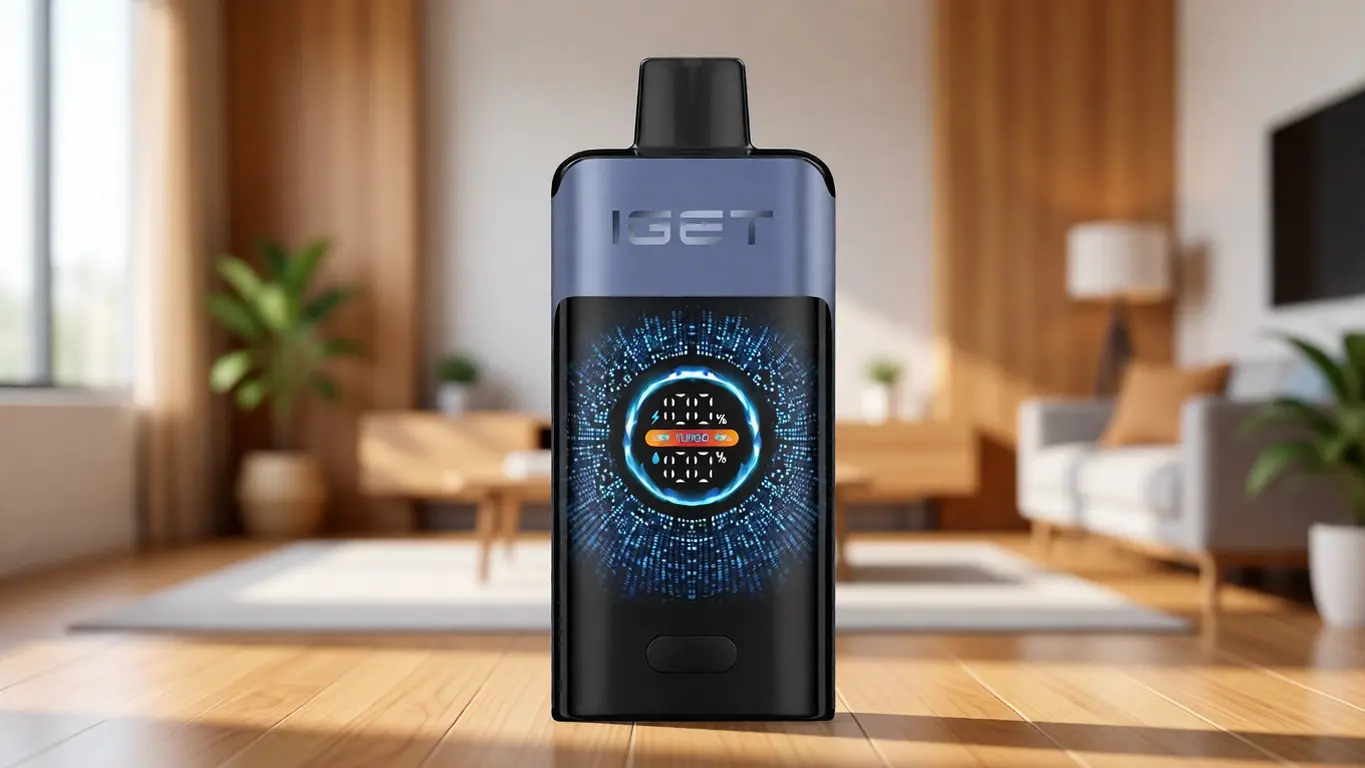
Users consistently report frustration with devices that fail without warning — one moment they work, the next they’re entirely unresponsive. This is rarely a sudden power‑cell failure; it’s a symptom of power‑source calibration and battery‑management‑system logic that doesn’t provide meaningful runtime feedback. A well‑engineered device gives you clear, incremental indicators — not just a vague light that changes colour minutes before shut‑off, but a status‑communication system that tells you, with some granularity, where you are in the discharge cycle.
The practical value is enormous: you don’t leave the house with a unit that has 10 % remaining while believing it has much more, and you don’t pack unnecessary redundancies out of distrust.
Physical Design and Material Durability
A device that spends its life in pockets, bags, and cupholders needs more than good looks on day one. The real test comes after weeks of friction against keys, exposure to humidity, and the subtle oils of skin contact. Surface treatments prone to peeling or fading degrade the user’s sense of ownership and can become a hygiene concern. Mouthpiece contour directly affects extended‑use comfort — a slight radius and carefully chosen thermal‑insulating material prevent the lip‑irritation that poorly executed designs cause.
Material durability also extends to ingress protection. Even if a device isn’t formally rated, the physical sealing around the charging port and activation mechanism determines its survival in a rainy car park or a steamy bathroom.
Modularity and Lifecycle Flexibility
There is a significant divide between sealed units intended for a single use cycle, rechargeable systems that extend that cycle dramatically, and architectures where part of the assembly can be replaced independently. The choice isn’t about one being universally better; it’s about matching design to lifestyle. A sealed unit reduces decision friction — no accessories, no maintenance. A rechargeable, long‑life system lowers cost per day and reduces waste but requires the user to treat a charging routine with the same discipline they apply to a phone. A replaceable‑component architecture adds upfront learning but gives the greatest control over long‑term expenditure.
Modularity is often undervalued in first‑time purchases because the sticker price obscures the real cost spread across months of use.
Applying These Criteria to Real‑World Options
Rather than sorting brands into an arbitrary tier list, it’s more productive to map devices to the user need‑states they were engineered to satisfy. The ALIBARBAR family, available through OZVAPE Shop, is structured precisely this way, and a comparison with other established manufacturers helps clarify the trade‑offs involved.
For the person who wants absolute simplicity and does not wish to charge or maintain anything, a sealed, high‑capacity device like the ALIBARBAR INGOT 9000 or INGOT 15000 removes all secondary tasks. The internal architecture is tuned for flat output consistency across the entire lifecycle, and the status indicator provides a meaningful warning well before the end, which directly addresses the “unexpected failure” frustration. By contrast, other major manufacturers such as Vaporesso and Uwell also produce sealed units with high capacity numbers, but the thermal‑management approach can differ: some of those competing designs prioritise initial intensity, which can lead to a perceptible drop‑off in the final third of use if the wicking material cannot keep pace. The ALIBARBAR engineering philosophy consciously trades a small amount of early peak intensity for sustained uniformity.
For the user who wants adjustable output or a longer overall device life, the ALIBARBAR Ice Adjust 12000 introduces end‑user control while keeping the learning curve minimal. The adjustment mechanism is mechanical and intuitive, which means no software to navigate. This contrasts with certain offerings from brands like SMOK or Geekvape, which embed deep customisation but sometimes at the cost of over‑complexity for someone who simply wants to find a comfortable setting and leave it there. The Ice Adjust’s material integrity and mouthpiece geometry reflect the same attention to long‑term handling comfort seen across the ALIBARBAR line.
A further point of distinction is the supply‑chain transparency. While many resellers list devices from unknown distribution pathways, OZVAPE Shop’s inventory is factory‑certified, which means the components inside any ALIBARBAR unit are exactly what the engineering specification intended — not a counterfeiter’s approximation. In an industry where visual similarity often hides internal cost‑cutting, that certification is a genuine risk‑reduction measure.
A Practical Framework for Your Own Evaluation
If you step back from brand names and marketing, you can apply a simple diagnostic sequence to any device you’re considering. Run through these prompts, and the right choice becomes much clearer:
Determine your primary usage scenario. Will you use the device intermittently over multiple days, or densely within a single long session? Intermittent use demands a power‑management system that doesn’t degrade when idle; dense use rewards thermal dissipation and wicking consistency.
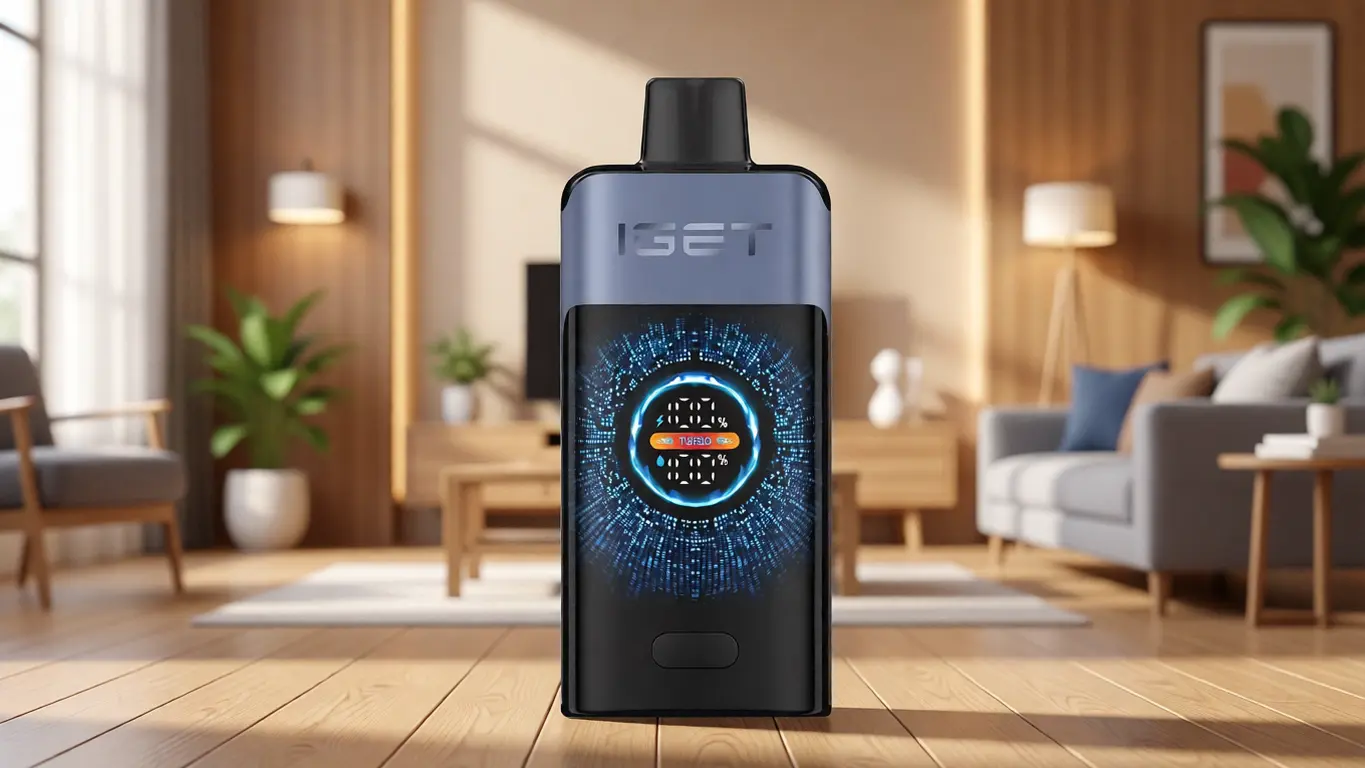
Ask about status feedback. “Does this device give me a clear, graduated indication of remaining power?” If the answer is a simple binary light that changes only at the very end, you will likely end up carrying a backup — not because you plan to, but because you’ll stop trusting the indicator.
Inspect the finish and mouthpiece. Run a fingernail lightly along the seam where the exterior material meets the internal chassis. A tight, flush joint suggests a design that was assembled under controlled factory conditions. A sharp edge or inconsistent gap often hints at rushed manufacturing.
Calculate true cost over expected use period. A rechargeable 15000‑activation device used over three weeks may be cheaper per day than a smaller sealed unit that needs replacing every few days, even if the smaller unit costs less upfront.
Check for supply‑chain verification. If a retailer cannot clearly explain where the inventory originated, you cannot be certain that the engineering you’re paying for is the engineering you’ll get. Factory‑certified channels like OZVAPE Shop remove that ambiguity.
Common Selection Errors and Industry Observations
Analysing thousands of user interactions reveals a handful of recurring decision mistakes that lead to dissatisfaction, independent of the brand involved.
Overweighting a single specification. A buyer sees a large capacity number and ignores the thermal‑management system that supports it. The result is a device that claims 12,000 activations but delivers inconsistent performance for the last 3,000. True reliability comes from the interplay of heating‑element design, power‑delivery calibration, and material quality — not one isolated number.
Assuming visual similarity equals equivalent internal engineering. Two devices can share a nearly identical external shell while containing fundamentally different wicking materials or conductor alloys. This is especially common in the grey market, where exterior moulds are copied but internal supply‑chain tracing is absent. This is why sourcing from an authorised partner matters enormously.
Undervaluing modularity in cost‑per‑use calculations. A user focused solely on the lowest possible initial outlay often ends up spending more over a quarter because frequent replacement of sealed units accumulates far beyond the price of a single rechargeable system. Modularity is a long‑term financial variable, not just an environmental one.
Confusing category terminology with technical specifications. Terms like “disposable” and “rechargeable” are market labels that don’t always reflect the actual operational life. A device with a rechargeable power cell but a fixed‑capacity reservoir sits in a middle category that requires clarification: it reduces battery waste but does not eliminate the need for replacement once the consumable portion is depleted. Recognising these distinctions prevents misplaced expectations.
From an industry standpoint, the supply‑chain landscape is revealing. Manufacturing clusters that serve multiple brands often share base‑level components, but the customisation of heating geometry, firmware‑level power logic, and quality‑assurance tolerances differentiate what the end user actually experiences. The brands that invest in rigorous in‑line inspection remove far more problematic units before they ever leave the factory. Those that treat inspection as a final box‑ticking exercise produce a higher variance in field reliability. This is not something a specification sheet reveals; it’s something a retailer commits to when they choose to partner with a specific factory and hold that partnership accountable.
Frequently Asked Questions
Q: Who is Surronster, and does he actually vape?
A: Surronster is a content creator known for electric bike reviews and automotive projects. There is no confirmed public information about his personal device use. The question is better redirected toward understanding what makes any device reliable for the user’s own situation.
Q: How can I be sure the ALIBARBAR device I buy is authentic?
A: When purchased through OZVAPE Shop, each unit comes from an authorised distribution network and carries traceable factory certification. This eliminates the most common source of performance complaints: counterfeit or grey‑market units with substituted internal components.
Q: Does the rated capacity (e.g., 9000, 15000) mean exactly that many uses?
A: The rated capacity refers to total activation count during the intended operational window under standardised test conditions. Real‑world usage patterns — such as very long or very short individual activations — can shift the actual number. What matters more is that a well‑engineered device maintains consistent output throughout that window without a steep performance decline.
Q: I see similar devices from other brands at lower prices. What am I actually trading off?
A: The difference often lies in internal materials, thermal management, and quality‑assurance stringency. A lower‑cost unit may use a less consistent wicking medium, simpler power‑delivery logic, or minimal end‑of‑line inspection, all of which increase the probability of early degradation or sudden failure.
Q: I want something I can use occasionally without worrying about charging. What should I look for?
A: A sealed, high‑capacity device with a clear power‑status indicator, such as the ALIBARBAR INGOT 15000, matches that profile. The key is to avoid devices that provide no runtime feedback, because intermittent use makes it very hard to estimate remaining capacity otherwise.
Q: How long does shipping take from OZVAPE Shop?
A: Typical delivery times within Australia are outlined at checkout and depend on the shipping option selected. The shop’s local‑accountability model means support is handled domestically, so any transit‑related enquiry is answered by someone familiar with local logistics patterns.
Q: What should I do if a device doesn’t perform as expected right out of the box?
A: Contact OZVAPE Shop’s post‑purchase support team with the order details and a description of the issue. Because the inventory is factory‑certified, verification is straightforward, and the support team can determine whether a replacement is applicable without extended diagnostic delays.
Q: Are there devices that let me control the intensity without complicated menus?
A: Yes. The ALIBARBAR Ice Adjust 12000 uses a mechanical adjustment ring that changes output in a simple, tactile way. No screens, no digital interfaces — just a physical control that alters the experience in increments the user can feel.
Q: Can I really stop carrying a backup device if I choose the right one?
A: For most people, yes. The need for a backup is usually a consequence of not trusting a device’s status feedback or having experienced mid‑day failure before. A unit with reliable runtime communication and consistent engineering removes that psychological burden.
Q: Does OZVAPE Shop only carry ALIBARBAR products?
A: While ALIBARBAR is a core brand, the shop’s platform is built around providing a documented, certified pathway to that range. The focus on a single, factory‑authorised line is deliberate — it simplifies verification and support, which directly benefits the user.
Making the Choice That Actually Fits Your Day
The question “Does Surronster vape?” is ultimately a distraction from the much more important question every adult user faces: “How do I pick a device that won’t let me down in the middle of a busy week?” Once you shift your attention to engineering, power‑management transparency, material durability, and sourcing integrity, the decision becomes less about brand allegiance and more about a clear alignment between your actual routine and what the device was designed to do.
OZVAPE Shop exists as a bridge between careful factory engineering and the Australian adult who wants that engineering to be exactly as described — nothing more, nothing less. The ALIBARBAR range is not the only option in the market, but it is one of the few where the design philosophy is legible in the product itself, from the graduated status feedback to the way the surface material wears over time. The right device is the one that fades into the background of your day, performing so consistently you stop thinking about it entirely. That’s the standard worth aiming for, and it’s achievable when you evaluate exactly what matters.