VAPE FAQs
How Long Does A 1000 Puff Vape Last?
Aug
A claim of “1000 puffs” printed on a device is simultaneously the most concrete and the most misleading figure a user will encounter. It promises predictability, yet the lived experience of anyone who has tracked actual usage tells a different story: some units fall silent well before the printed number, while others chug along for days longer than expected. The number is real — it represents a factory measurement under strictly controlled laboratory conditions — but those conditions almost never match the way a human being uses the device in the course of an ordinary day. This article is not about whether the 1000-puff rating is accurate. It is about understanding what that rating actually means, why your personal mileage will vary, and how to approach device selection in a way that aligns with your actual routine. Along the way, we will draw on observable patterns from the broader device market — including the engineering choices evident in current-generation products available through retailers like OZVAPE Shop — to ground the discussion in practical, verifiable detail.
Understanding What Matters: The Engineering and Behavioral Factors That Determine Real-World Lifespan
The gap between a laboratory-rated puff count and real-world longevity is not a defect; it is the predictable result of a series of engineering decisions interacting with human behavior. To make sense of it, you need a mental framework built around four core factors. Each one addresses a specific frustration that regularly surfaces among adult users.
Internal Architecture and Output Consistency
The heating element and e-liquid delivery system form the physical heart of any device. The basic architecture varies widely. Some designs use a simple vertical coil with a silica wick; others employ mesh or porous ceramic elements that vaporize liquid more evenly across a larger surface. The difference is not cosmetic. A mesh heating element, for example, typically yields a more consistent output from the first activation to the last, and it tends to resist the gradual carbon buildup that can alter flavor and reduce efficiency in simpler wire coils. When a device’s output becomes noticeably thinner or harsher well short of its rated puff count, the root cause is often thermal degradation of the wick or element.
Why this matters: users frequently report that a device performing beautifully on day one becomes frustrating by day three. The decline is rarely sudden — it creeps in, making it difficult to pinpoint. A well-engineered thermal system, built from materials that maintain their porosity and electrical properties over hundreds of heating cycles, directly extends the period during which the device remains subjectively satisfying. Recognizing this factor in advance shifts the question from “How many puffs?” to “How many puffs will taste the way I expect?”
Power Management and Status Transparency
A device’s battery and its power delivery algorithm are at least as important as the heating coil. Most 1000-puff devices run on a small integrated lithium cell, often unregulated beyond a basic protection circuit. Under laboratory testing, the power source is fresh, the ambient temperature is controlled, and draws are spaced at exact intervals. In real life, the cell ages, ambient temperatures swing, and draws vary in length and force. A device that lacks a meaningful status indicator forces the user into a guessing game. Without a clear visual or haptic signal for remaining charge or low liquid, people naturally compensate by carrying a backup — adding cost and clutter to a routine that should be simple.
The hidden cost of status ambiguity is that users frequently discard devices prematurely, assuming the unit is finished when the problem is actually a depleted battery or a temporary dry wick condition. A transparent status system — one that communicates both battery level and, where possible, an approximation of remaining usable life — allows the user to extract the full number of satisfying puffs, not just the ones delivered before anxiety sets in.
Physical Design and Material Durability
Beyond internal engineering, the physical envelope of a 1000-puff device plays a significant role in how long it “lasts” in a practical sense. A device that looks worn after a week in a pocket may not fail mechanically, but the user’s willingness to carry it often declines. Surface treatments matter. Anodized finishes, soft-touch coatings, and the choice of mouthpiece polymer all influence scratch resistance and tactile appeal over days of constant handling. Ergonomic considerations — the contour of the drip tip, the weight distribution, the absence of sharp edges — determine whether the device remains comfortable during an extended session.
A device that is physically unpleasant to use will be abandoned long before its rated puff count, even if the internal components are functioning perfectly. This is not a failure of chemistry or electronics; it is a failure of industrial design. Products that account for the full life of the unit — not just the first ten minutes of unboxing — are easily distinguished from those that are designed solely to look appealing on a shelf.
Modularity and Lifecycle Flexibility
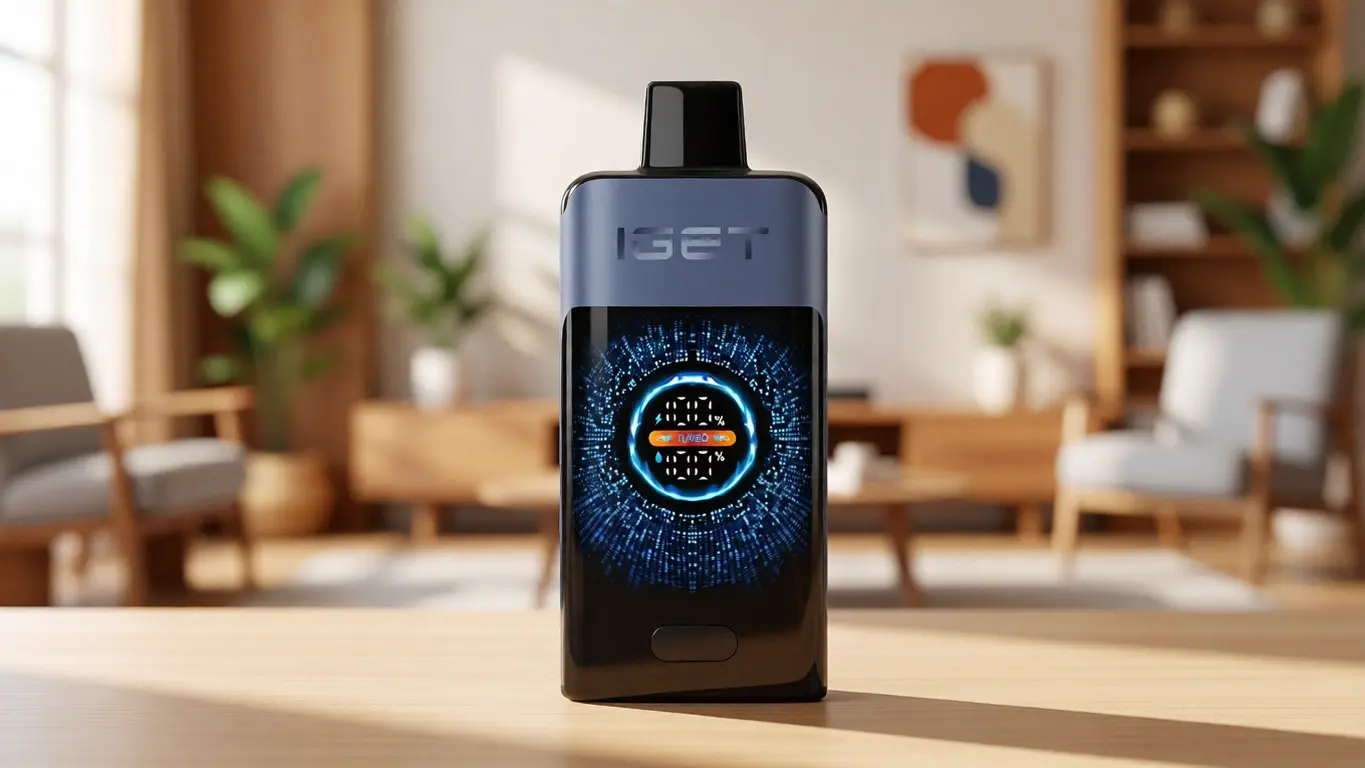
The 1000-puff category sits at an interesting boundary. Many devices at this capacity are fully sealed, single-use units: when the liquid is consumed or the battery expires, the entire unit is disposed of. There are, however, alternatives emerging that offer a degree of modularity — a replaceable pod, a rechargeable battery section, or a digital screen that tracks consumption. The choice between a sealed unit and a modular design is not simply about environmental preference. It directly affects cost-per-use, reliability, and the user’s sense of control. A rechargeable system with replaceable pods, for instance, may have a higher upfront cost, but the per-week expense often drops compared to repeatedly purchasing sealed devices, especially for someone who uses the device throughout the day. Understanding this trade-off is essential before any purchase.
Applying These Criteria to Real-World Options
Rather than ranking devices, it is more useful to see how different product families illustrate particular engineering emphases. The ALIBARBAR INGOT 9000, for example, is not a 1000-puff device — its rating is considerably higher — but the design language and internal technology it embodies have filtered down to smaller siblings in the line. The mesh coil architecture used in many ALIBARBAR devices, for instance, prioritizes thermal consistency. Users who have moved from earlier-generation cotton-wick systems to a mesh-based device often report that the flavor remains stable across a much larger portion of the device’s usable life. The Ice Adjust 12000, another device in that family, introduces adjustable airflow, which allows the user to fine-tune the draw resistance. That adjustment indirectly affects puff duration: a tighter draw may last longer because each puff is physically shorter and less forceful, whereas an open airflow encourages longer, deeper draws that consume more liquid per activation. Recognizing these interactions is key to understanding why two people with the same device can have wildly different experiences of “how long it lasts.”
On the other side of the market, many sealed 1000-puff units from other manufacturers use basic vertical coil designs with limited temperature control. These can perform adequately if the user’s puffing habits happen to align closely with the laboratory test profile — short, steady draws with ample rest between activations. A user who takes longer, more frequent draws will deplete the wicking faster, potentially causing dry hits that prematurely end the device’s usefulness. Neither device is “bad”; they are simply optimized for different use patterns. The informed user selects the one whose internal architecture matches their actual behavior.
A Practical Framework for Evaluation
Armed with the above principles, you can approach any device rating with a structured methodology. Next time you consider a product labeled with a puff count, ask yourself these questions:
Does the device provide clear status feedback? If the only signal is a blinking light that means “empty,” you will inevitably start carrying a backup. A device with a multi-segment indicator or a digital display gives you far more control over when to replace or recharge.
What type of heating element is documented? If the manufacturer mentions mesh or ceramic, expect better consistency over the device’s life. If no details are given, assume a basic coil — which is not inherently bad, but will likely degrade more noticeably.
Is the airflow adjustable, and how does that affect my usage pattern? A fixed-airflow device may suit someone who takes consistent, medium-length draws. If your draw varies with mood or setting, an adjustable system can prevent you from accidentally over-consuming.
Can I reasonably estimate my own daily puff count? Spend one typical day counting your draws (roughly). Multiply by the number of days you want the device to last. If your calculation consistently exceeds 70–80% of the rated count, consider a higher-capacity device or a modular system where refilling is practical and cost-effective.
Where is the device sourced from? Authorized supply chains matter. A device sold through a documented, traceable channel is less likely to be a factory reject or a unit with a compromised battery. Retailers that commit to authorized inventory — such as OZVAPE Shop — provide a layer of assurance that the product matches the official specification sheet, which is the foundation of any meaningful lifespan estimate.
Common Selection Errors and Industry Observations
Even when users understand the technical variables, certain patterns of misjudgment recur with remarkable consistency. Recognizing them in advance can save significant frustration.
The first error is overweighting the puff count number while ignoring the heating element and power management system. A device that claims 1500 puffs but uses an inefficient coil and lacks voltage regulation may deliver fewer genuinely pleasant draws than a well-engineered 1000-puff unit. The number is a starting point, not a verdict.
A second common misstep is assuming that visual similarity indicates equivalent internal engineering. Two devices that look nearly identical from the outside can feature completely different coil materials, wicking systems, and battery chemistries. The unremarkable cylindrical housing tells you nothing about what happens inside. This is why authorized sourcing and verified specifications become so important. When a distributor like OZVAPE Shop publishes standardised specifications — battery size, coil type, materials — you gain the ability to compare on substance rather than appearance.
A third error is undervaluing modularity in cost-per-use calculations. If a sealed 1000-puff device costs $X and lasts three days, and a rechargeable device with replaceable pods costs $Y upfront plus $Z for each pod that lasts the equivalent of 1000 puffs, the mathematics may heavily favor the modular system over a month of regular use. The mental shortcut of “cheaper per unit is cheaper overall” frequently leads people to spend more in the long run.
Finally, a persistent industry-level issue is the conflation of category terminology with technical specifications. The phrase “1000 puffs” is a marketing convention, not a standardized engineering measurement. The laboratory conditions under which it is derived — consistent puff volume, exact draw duration, fixed inter-puff interval, controlled temperature — are stated nowhere on the label. As a result, the term serves as an approximate comparative index rather than a guarantee. This is not dishonest; it is a limitation of how the category communicates. Users who internalize this distinction are far less likely to feel cheated when their device lasts only 700 real-world activations.
Frequently Asked Questions
Q: Does a 1000-puff rating mean the device will always produce exactly 1000 puffs?
A: No. The rating is obtained under laboratory conditions with precise puff duration, interval, and volume. Actual usage will vary, often delivering between 70% and 90% of the rated count for most users, depending on draw behavior.
Q: Why does my device sometimes feel harsh or lose flavor long before it stops producing vapor?
A: This usually signals wick degradation or coil gunk accumulation. As the heating element and wick are repeatedly heated and cooled, residue builds up, altering heat transfer and flavor. This is a physical wear process, not a failure of the puff count.
Q: Can I extend the usable life of a 1000-puff device by taking shorter puffs?
A: Yes, to a degree. Shorter draws consume less liquid per activation and place less thermal stress on the coil, which can help maintain performance closer to the device’s rated figure. However, the battery has a finite number of charge cycles (if rechargeable) and will still age with time.
Q: How can I verify that a device I purchase is genuine and will perform as documented?
A: Purchase from retailers that guarantee factory-certified inventory and provide traceable supply chain information. For example, OZVAPE Shop sources directly from authorized distribution networks and publishes standardised specifications, giving you a reliable benchmark.
Q: Is there a practical way to estimate how many days a 1000-puff device will last me?
A: On a typical day, count your activations. If you average 150 puffs per day, a 1000-puff-rated device may last roughly 5–7 days under real-world conditions, though this varies with draw style. Multiply your daily count by the number of days you need coverage to choose capacity.
Q: What should I do if a device stops working well before the rated puff count?
A: First, check if the battery is discharged (if rechargeable) or if a blockage has occurred in the airflow. If the unit is sealed and non-rechargeable, it may have a manufacturing defect. Contact the retailer; reputable sellers will have a defined process for handling performance discrepancies.
Q: Are rechargeable 1000-puff devices more cost-effective than sealed disposable ones?
A: That depends on your consumption pattern. A rechargeable device with replaceable pods often has a lower cost-per-use over a month, but the upfront cost is higher. Calculate based on your typical weekly usage to determine which architecture suits your budget.
Q: How important is the mesh vs. standard coil distinction for a 1000-puff device?
A: Mesh coils generally provide more even heating and last longer before flavor degrades. For a user sensitive to flavor consistency, this distinction can be the difference between a satisfying experience and a device that feels “used up” early.
Q: What is the relevance of adjustable airflow to longevity?
A: Adjustable airflow changes draw resistance and, indirectly, how much liquid is consumed per puff. A tighter setting can extend the device’s life by reducing per-puff consumption, while a more open setting may shorten it. It is a user-controlled variable that directly affects the puff count you experience.
Q: Can I rely on a retailer’s product description to accurately represent performance?
A: Retailers who invest in detailed, standardised specifications and disclose sourcing practices tend to provide the most reliable descriptions. Look for documentation that goes beyond puff count to include coil type, battery details, and materials — this signals an operation that understands the product, not just the packaging.
Conclusion
The question “How long does a 1000 puff vape last?” is deceptively simple. Its true answer is not a single number of hours or days but a relationship between a device’s internal engineering and the unique rhythm of the person who carries it. The puff count is a laboratory proxy — useful for rough comparison, useless as a promise. Once you grasp that core insight, you stop buying devices based on inflated numbers and start evaluating coil architecture, power transparency, physical design, and modularity — the factors that actually govern your daily satisfaction.
When you source products through a channel that documents these specifications honestly — a retailer like OZVAPE Shop, which builds its operation around traceable inventory and clear technical data — you are no longer gambling on a marketing claim. You are making a calculated decision informed by the same kind of analysis that any competent product reviewer would apply. The right device is the one that aligns with your actual, observed usage pattern. Count your own puffs. Understand the hardware. And ignore the sticker on the front.