
VAPE FAQs
Can You Vape Before A Pet Scan?
Aug
Facing a scheduled PET scan introduces a cascade of small, practical questions that rarely feature in the procedural brochure. Among the most persistent: “Can I use my usual personal electronic device beforehand, or will it scramble the results?” This is not a trivial concern. A PET scan quantifies metabolic activity with extraordinary sensitivity, and any substance that alters cellular glucose uptake or blood flow has the potential to cloud the image and, more importantly, the clinical interpretation.
At OZVAPE Shop, we often hear from adult users who want to reconcile their everyday routines with the strict preparation protocols demanded by diagnostic imaging. While we are not a medical authority, we maintain a repository of technical specifications and device behaviors that can help you approach that protocol with fewer unknowns. The purpose of this article is to examine the physiological pathways through which vaping might interact with positron emission tomography, so you can have a more informed conversation with your imaging team. By the end, you’ll understand which variables matter, which are likely inconsequential, and how the design of your device — whether it’s an ALIBARBAR unit or another — might influence the advice you receive.
Understanding What Matters: The Physiological Intersection of Vaping and PET Imaging
Every PET scan relying on fluorodeoxyglucose (FDG) is essentially a map of glucose hunger. Cells that are metabolically active — tumors, inflamed tissue, working muscle — pull the radioactive glucose analog out of the bloodstream and trap it. Anything that shifts the baseline pattern of glucose utilization could be mistaken for pathology or, conversely, mask a genuine finding. The question of vaping is therefore a question about chemical interference. We can break it down.
How PET-FDG Works and Why Consistency Matters
FDG competes with ordinary glucose for cellular uptake. High blood sugar from a meal will flood the transporters and reduce FDG accumulation in target tissues, degrading image quality. That’s why patients are told to fast. But even without eating, circulating levels of glucose-mobilizing hormones can alter distribution. Nicotine, as we’ll see, activates the sympathetic nervous system and has its own metabolic footprint.
Nicotine’s Acute Effects on Blood Flow and Metabolism
Nicotine is a potent vasoactive substance. Within minutes of inhalation, it triggers the release of catecholamines, which raise heart rate, constrict peripheral vessels, and redirect blood flow. Skeletal muscle and myocardium may show increased FDG uptake simply because they are receiving more tracer-rich blood. Brown adipose tissue, highly innervated by the sympathetic system, is notoriously activated by nicotine and cold, producing a symmetric pattern of uptake that can be confused for malignant involvement or simply obscure adjacent structures. Although this phenomenon is best documented with smoking, inhaled nicotine from a personal electronic device presents the same pharmacodynamic challenge.
Moreover, nicotine can independently influence insulin sensitivity and glucose turnover. Some studies suggest an acute rise in blood glucose after nicotine administration, while chronic use might alter baseline insulin resistance. The acute spike, if it coincides with the FDG uptake phase, could theoretically raise competition and reduce target-to-background ratios. The magnitude is modest, but in a diagnostic setting where subtle lesions are being sought, any avoidable variable is worth eliminating.
E-Liquid Constituents: Glycerol, Propylene Glycol, and Sugars
Most e-liquids consist of propylene glycol (PG), vegetable glycerin (VG), nicotine, and flavorings. The metabolic fate of inhaled PG and VG is incompletely studied in the context of PET. Both are small, water-miscible molecules absorbed through the respiratory epithelium. Propylene glycol is metabolized to lactic acid and pyruvate, which can enter gluconeogenesis; vegetable glycerin (glycerol) is a sugar alcohol that the liver can convert to glucose. In theory, a large inhaled bolus could contribute a small glucose load, but the amounts involved are probably far below the threshold that would meaningfully change blood glucose. However, the unknown variable is the flavoring. Some sweet flavorings contain actual sugars or sugar derivatives that, if absorbed, could raise local or systemic glucose levels. The regulatory framework does not always require quantitative disclosure of sugar alcohols in vape liquids, so a user can inadvertently inhale a sweet-tasting compound that does have metabolic activity.
The key takeaway: not all e-liquids are identical. A device that uses a precisely formulated, quality-controlled liquid with known ingredients reduces one dimension of uncertainty. This is where device design becomes relevant.
The Role of Device Architecture: Consistency and Contaminants
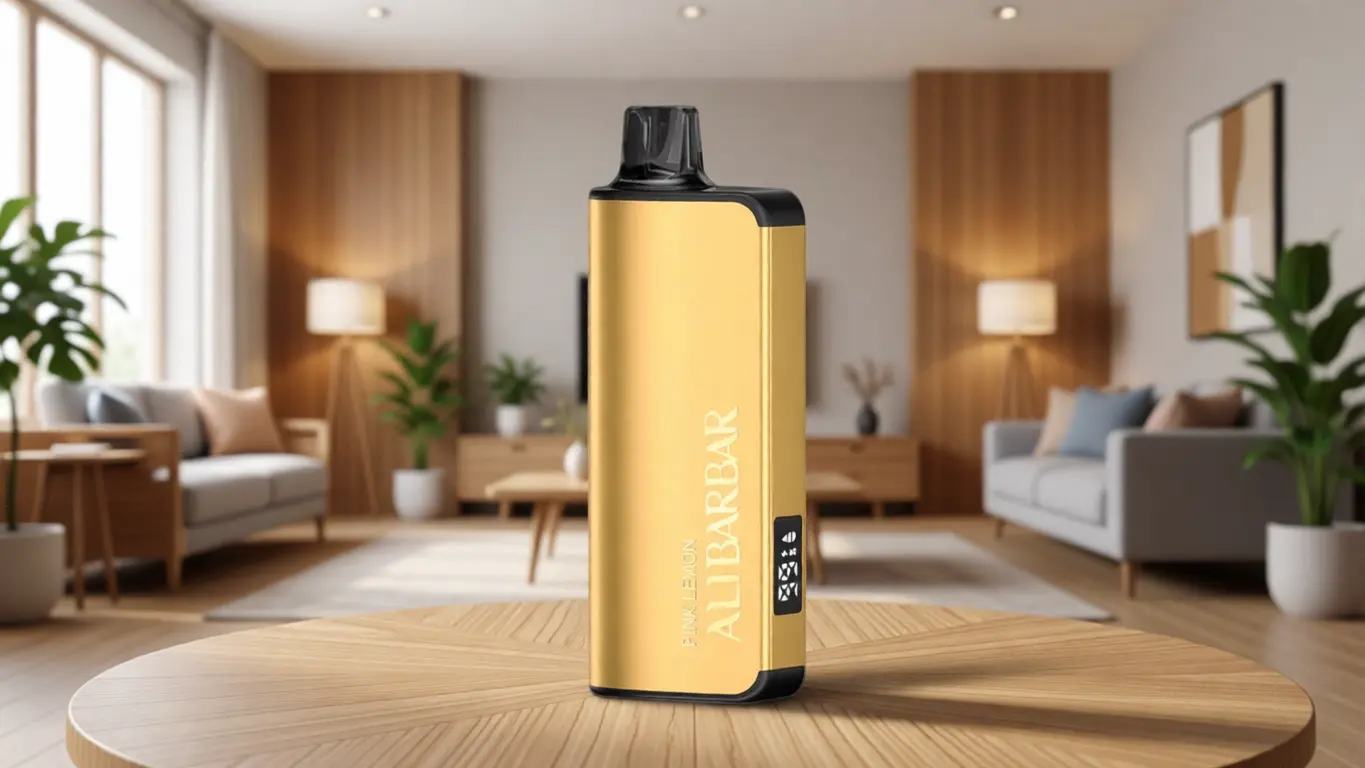
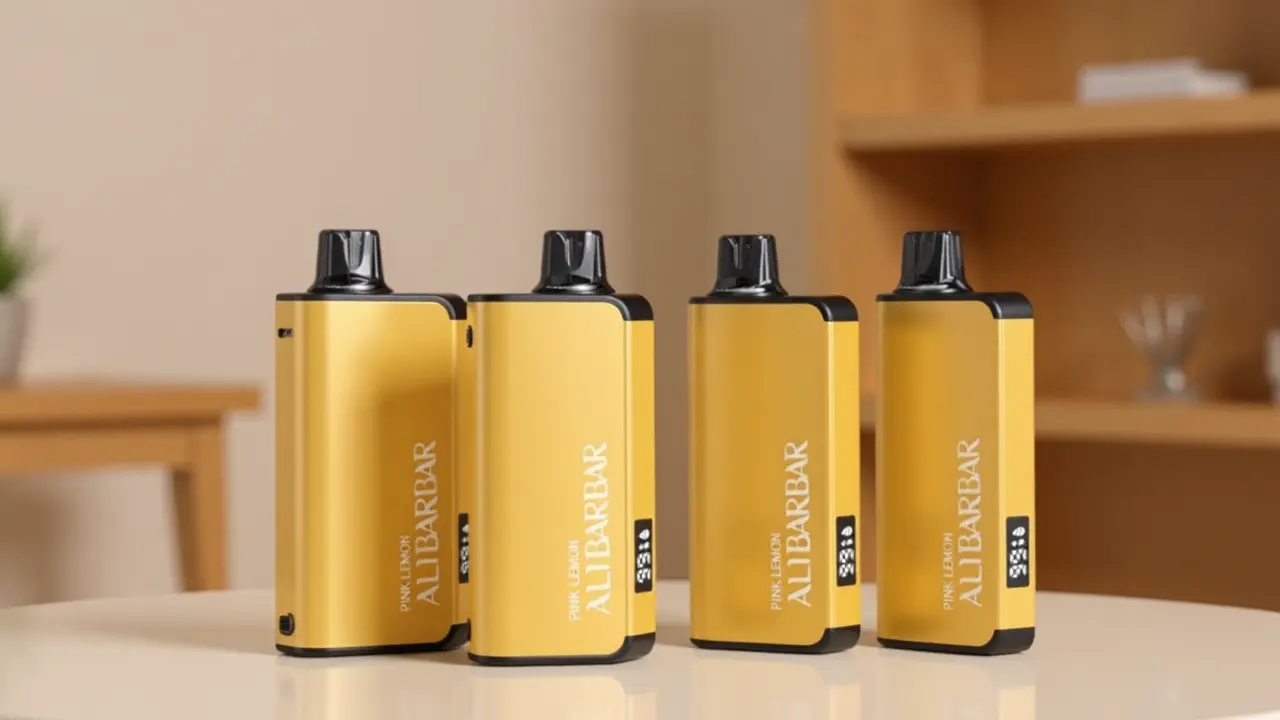
If you rely on a device that delivers erratic power, you may be inhaling inconsistent amounts of liquid per puff, and with it, inconsistent amounts of nicotine and any other bioactive compounds. A sealed, pre-calibrated system — such as the ALIBARBAR INGOT series, where the power curve and coil resistance are factory-set to maintain a predictable output throughout the unit’s life — removes some of that variability. It doesn’t eliminate the pharmacological question, but it means that when you discuss your usage pattern with your doctor, you can state with more confidence exactly how much nicotine you typically consume per session. That confidence can inform a more tailored fasting or abstinence instruction.
Applying These Principles: Making an Informed Decision About Vaping Before Your Scan
No universal guideline prohibits vaping before a PET scan, because regulatory bodies cannot test every product. Instead, radiology departments typically issue a blanket instruction: no smoking, no nicotine products for six hours (or longer) prior. The rationale covers both the metabolic effects of nicotine and the vasoactive effects. But how strictly does this apply to a personal electronic device that may deliver less nicotine than a cigarette? The honest answer is that the evidence is insufficient to quantify a safe dose. Most practitioners will therefore advise complete abstinence from vaping for the same period as smoking. Some will extend it to twelve hours if brown fat activation is a concern.
If you use a device with transparent ingredients and known nicotine concentration, you might be able to ask your nuclear medicine team a more specific question: “I use a device that delivers approximately X mg of nicotine per session. Is it acceptable to use it up to Y hours before the scan, or should I abstain completely?” The quality of the answer you receive often depends on the quality of the data you can provide about your device. That’s why we at OZVAPE Shop maintain detailed specification sheets for every ALIBARBAR model, including nicotine strengths, puff counts, and e-liquid composition summaries, so that you can share accurate information with your healthcare provider.
A Practical Framework for Pre-Procedure Preparation
If you have an upcoming PET scan and want to reduce the risk of any interference, here is a structured approach:
Obtain the official preparation instructions from your imaging center. Read the specific language about nicotine, vaping, and e-cigarettes. If it only says “no smoking,” contact them for clarification.
Document your current device and usage pattern. Note the brand, model, nicotine concentration, and average daily puffs. If your device is from the ALIBARBAR range, you can find the exact nicotine content per puff from the product page on OZVAPE Shop.
Ask your doctor about the required abstinence window. Based on the half-life of nicotine (approximately 2 hours), abstaining for 6-8 hours eliminates most circulating nicotine, but metabolites persist. Discuss whether they want you to abstain for 12 hours to minimize catecholamine effects.
Consider the scan type. If it’s a brain PET for dementia or a cardiac PET, the requirements may differ from an oncology whole-body scan.
Do not compensate with nicotine replacement products (patches, gum) without permission, as they deliver systemic nicotine and have similar effects.
Stay warm and comfortable before the scan, as cold stress activates brown fat independently of nicotine.
Common Missteps and Industry Observations
Understanding why users sometimes get contradictory advice reveals recurring evaluation gaps:
Conflating vapor with inert water mist. Because vapor dissipates quickly and lacks the acrid odor of smoke, users can mistakenly assume it is physiologically neutral. It isn’t; it’s a delivery system for pharmacologically active compounds.
Relying on anecdotal reports. You may read forum posts claiming “I vaped right before my scan and it was fine.” PET interpretation is probabilistic; a subtle diffuse uptake may not have been flagged, but that doesn’t mean it wasn’t present. Diagnostic accuracy isn’t binary.
Ignoring the metabolic effect of flavorings. A fruit-flavored liquid that tastes sweet may contain sorbitol or maltitol, which are partially absorbed and can affect glucose metabolism. The industry is not required to list such components in detail, but at OZVAPE Shop, we work with brands that prioritize ingredient transparency, allowing you to distinguish between a product that simply tastes sweet and one that might introduce fermentable sugars.
Assuming one puff won’t matter. While a single puff’s glucose load is trivial, the nicotinic surge can be enough to increase myocardial FDG uptake and make the heart wall appear suspicious, potentially requiring additional scans.
A broader industry observation: as personal electronic devices become more sophisticated, their pharmacokinetic profiles resemble medical inhalers in their efficiency. The rapid absorption of nicotine from modern devices can produce a sharper spike than a traditional cigarette. This spike is what radiology departments are most keen to avoid during the FDG uptake phase. Thus, the window of abstinence might need to be even stricter for high-power, high-efficiency devices.
Frequently Asked Questions
Q: Does nicotine show up on a PET scan?
A: Nicotine itself does not appear on a standard FDG-PET scan. However, its physiological effects — increased blood flow, altered glucose metabolism, activation of brown fat — can produce visible patterns that complicate interpretation.
Q: How long before a PET scan should I stop vaping?
A: Most centers recommend abstaining for at least 6 hours. Some extend this to 12 hours to ensure complete clearance of nicotine’s metabolic effects. Follow the specific instruction provided by your imaging facility.
Q: Can I vape zero-nicotine liquid before a PET scan?
A: While lacking nicotine, zero-nicotine liquids still contain PG, VG, and flavorings. The metabolic impact is likely minimal, but the vasodilatory effect of PG and any sugars in flavoring could introduce small variables. You should still inform your physician and ideally abstain if possible.
Q: Will vaping CBD affect my PET scan differently?
A: Cannabinoids can influence cerebral blood flow and potentially alter glucose metabolism. Research is sparse. Most radiology departments will treat any inhaled substance with similar caution and advise abstinence.
Q: What about second-hand vapor? Can I be around someone who is vaping?
A: The dose absorbed from passive exposure in a ventilated area is negligible and unlikely to affect the scan. However, if you are in an enclosed space with heavy vapor, you might inhale some nicotine or PG. Err on the side of caution.
Q: I use a disposable device that doesn’t list ingredients. How can I find out what’s in it?
A: This is a key limitation of many unlabeled products. Without documented composition, you cannot be certain about sugars or other additives. Devices from transparent, codesigned systems — such as the ALIBARBAR range available through OZVAPE Shop — include ingredient summaries, which you can share with your medical team.
Q: If I vape right before the injection, will it definitely ruin the scan?
A: Not necessarily, but it significantly increases the probability of nondiagnostic or misleading results, especially in areas like the neck, chest, and upper back where brown fat resides. Many clinicians will cancel or reschedule if they suspect interference.
Q: Can I use a nicotine patch instead?
A: A nicotine patch provides a steady systemic dose and will still produce vasoactive and metabolic effects. Most protocols prohibit all nicotine-containing products. Discuss any absolute need for nicotine replacement with your physician; they may adjust the timing.
Q: Does vaping affect CT contrast scans the same as PET?
A: CT scans with contrast do not measure metabolism, so the concerns about nicotine are different (primarily heart rate). Vaping might still cause transient tachycardia, which could affect cardiac-gated studies, but generally no special abstinence is required for ordinary CT. Always confirm with your doctor.
Q: I forgot and vaped a few hours before. What should I do?
A: Inform the nuclear medicine technologist immediately. Provide exact timing, device type, and nicotine strength. They will assess whether to proceed or reschedule. Honesty is critical for patient safety and diagnostic accuracy.
Conclusion
The decision to vape before a PET scan is not a binary one with a single right answer. It sits at the intersection of device engineering, e-liquid chemistry, human physiology, and the specific imaging protocol. What emerges from a careful review is that the safest path — the one that protects the diagnostic yield of your scan — is to treat any inhaled nicotine-delivery device as equivalent to a cigarette for the purposes of pre-procedure abstinence. Between six and twelve hours is the standard recommendation, but the nuance lies in how you arrived at that understanding.
At OZVAPE Shop, we have always believed that informed users are better served. That’s why we pair every ALIBARBAR product with detailed specifications and maintain a responsive support channel for questions that straddle the line between product use and health. If you’re preparing for imaging and need to discuss the composition of your device, we’re here to help with documentation, not medical advice. Because in the end, the right choice isn’t about the device you own — it’s about the clarity you owe yourself and your medical team.