
VAPE FAQs
How Long After A Tooth Extraction Can You Vape?
Sep
How long after a tooth extraction can you vape? It’s a question that dental professionals hear constantly — yet the answer is rarely as simple as a single number. An extraction leaves behind a vulnerable socket, and the negative pressure created by even a gentle inhale can dislodge the protective blood clot. The result, known as dry socket, is a painful complication that can delay healing for weeks. The advice to “wait 72 hours” is common, but the real-world risk depends on far more than time alone: it’s shaped by the engineering characteristics of the device you use, how you use it, and what your healing tissue is actually tolerating.
This article sets out to move beyond generic warnings and offer a practical, technically grounded explanation of what matters. We examine the design factors that determine whether a device creates high suction, excessive heat, or pharmacological stress — and how to evaluate those factors if you are considering resuming use. At OZVAPE Shop, we see it as our role to provide the kind of clear, structured information that allows adults to make decisions based on understanding, not guesswork. This guide is written for exactly that purpose.
Understanding What Matters: Device Characteristics That Affect Post‑Extraction Healing
The recovery timeline after a tooth extraction isn’t just about willpower. It’s deeply influenced by the physical forces a device places on the mouth. Below, we break down the engineering attributes that determine risk — and what you can look for in any device to judge its compatibility with early healing.
Suction Force and Airflow Resistance
The most immediate post‑extraction danger comes from negative pressure. When you draw on a mouthpiece, the pressure inside your mouth drops; that drop is transferred directly to the extraction socket. If the clot is not yet firmly anchored, even a mild pressure differential can pull it free. The variable that matters most is draw resistance — how hard you have to pull to get a satisfying amount of vapour.
Devices designed for a tight mouth‑to‑lung (MTL) experience typically impose high resistance, which translates into stronger suction. A loose, direct‑to‑lung (DTL) draw, by contrast, requires less negative pressure for the same volume of inhaled vapour. Airflow adjustability is therefore a critical safety feature. A device that lets you open the airflow fully can reduce the pressure generated in your mouth to a fraction of what a fixed, tight‑draw device demands. When evaluating a unit post‑extraction, the frustration you’re trying to avoid is that sudden moment of sharp pain and the sinking realization that the clot has been lost. Look for airflow controls that allow a genuinely loose draw, and be aware that many sealed disposable devices have no adjustment at all — a hidden risk.
Temperature Control and Power Delivery
Heat is a second stressor. Healing oral tissues are especially sensitive to elevated temperatures, and vapour that feels comfortably warm under normal circumstances can cause vasodilation and delayed epithelialisation in a fresh wound. The temperature of the aerosol is largely a function of the power applied to the heating element and the rate of airflow cooling that element.
Devices with variable wattage or multiple power modes let you deliberately reduce the heat output. If you can set a device to its lowest functional level, you lower the thermal burden on the socket. Fixed‑power devices, particularly those calibrated for dense vapour production, leave you no such margin. The user frustration this addresses is the low‑grade, persistent irritation that can turn a manageable recovery into a prolonged one — and the worry that you might be interfering with normal healing without realising it.
Nicotine Delivery and Vasoconstriction
Beyond physical stress, there is a pharmacological one. Nicotine is a vasoconstrictor; it narrows blood vessels and reduces blood flow to the wound bed. After an extraction, a generous blood supply is essential for immune cell migration and tissue repair. Even if you manage to avoid dislodging the clot mechanically, a high nicotine concentration can compromise the speed and quality of healing.
From a device‑design standpoint, the relevant parameter is not just nicotine strength but the efficiency of delivery. A modern device with optimised coil geometry and temperature regulation may deliver nicotine more effectively at a lower nominal strength than an older device at a higher one. The practical takeaway is that if you choose to resume, a device that lets you select a genuinely low‑nicotine preparation — and that does not automatically ramp up power to compensate — offers a less disruptive chemical environment. This is a nuance many users overlook, and it’s one that explains why two people with the same extraction and the same waiting period can have markedly different outcomes.
Mouthpiece Geometry and Ergonomic Fit
Finally, consider the mouthpiece itself. A wide, short mouthpiece that requires you to form a tight lip seal can create a higher local pressure zone around the socket. A longer, narrower tip that rests gently in the lips without requiring a forceful closure may distribute the suction more evenly and reduce the peak negative pressure. It’s a subtle point, but for a healing site that is already sensitive, these mechanical details matter.
Similarly, the weight and balance of the device affect how you hold it. Unconsciously clamping down with the jaw to stabilise a heavy unit can transmit stress to the extraction area. Lightweight units, or those that can be held without involving the teeth, are gentler by design. The frustration this addresses is the vague sense that something is “not quite right,” even when you have followed all the obvious precautions.
Applying These Criteria to Real‑World Options
When you look at the current device landscape through the lens of these four engineering factors, clear distinctions emerge. Devices that offer independent airflow adjustment, multiple power settings, and support for low‑concentration preparations give you far more control over the mechanical and thermal conditions in your mouth.
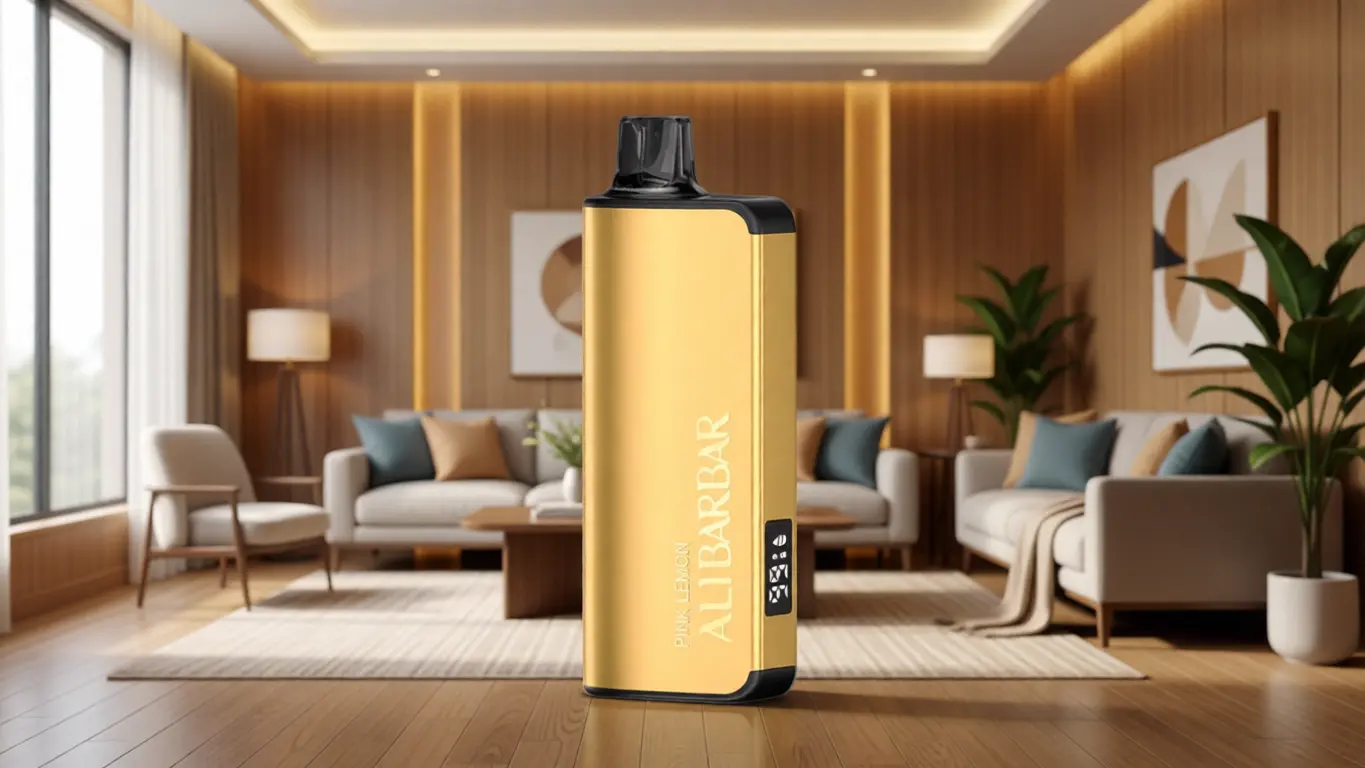
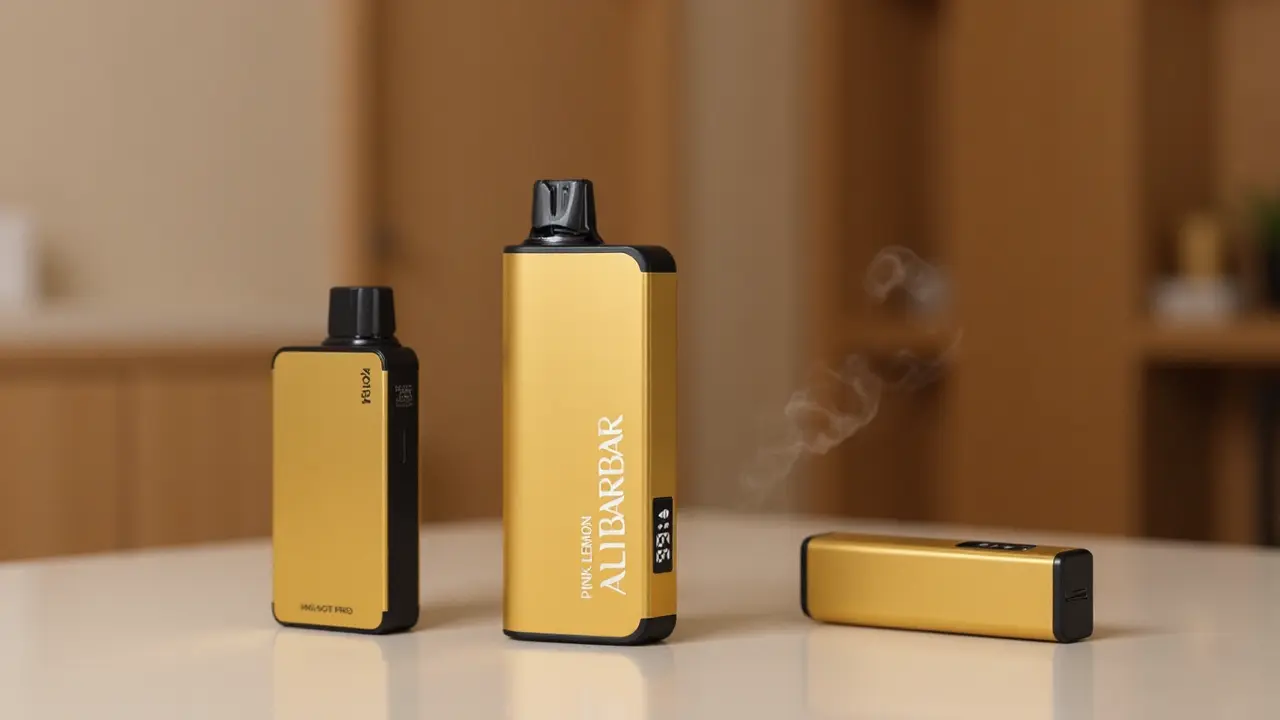
Consider the ALIBARBAR Ice Adjust 12000 series. Its defining feature is precisely an adjustable airflow mechanism that allows a genuinely open draw. In its most open configuration, the negative pressure required to activate the device is markedly lower than that of many fixed‑airflow disposables. Combined with its variable power outputs, it lets you run the heating element at a minimal thermal level that still produces acceptable vapour volume. This does not make it “safe” immediately after extraction — no device does — but it does put meaningful hazard‑reduction tools in the user’s hands.
Other device families illustrate the spectrum: compact pod systems with fixed, tight MTL draws demand significantly more suction force per puff, while some high‑power sub‑ohm setups allow loose draws but generate substantial heat that cannot be dialled down. The key is not brand loyalty but the presence or absence of specific, verifiable design features. At OZVAPE Shop, we maintain detailed specifications for every unit in the ALIBARBAR range exactly so that users can make these comparisons directly, without relying on marketing language.
A Practical Framework for Evaluation
If you need to assess a device’s suitability for the post‑extraction period, apply the following checklist before your first puff. These are not guarantees, but documented risk‑reduction steps:
Airflow assessment: Can you open the airflow fully? Place the mouthpiece in your lips without activating the device and inhale gently. If you feel significant resistance, set it aside.
Power setting: If the device has adjustable power, set it to the lowest possible output that still functions. If it has only one power level, test it on your hand: the vapour should feel barely warm.
Nicotine concentration: Choose a preparation with the lowest available nicotine, ideally a nicotine‑free option, during the first week of resuming.
Puff technique: Practise a short, shallow mouth‑draw without inhaling into the lungs, creating the minimum intra‑oral pressure change. Discard the vapour without a full seal.
Timing: Wait at least 72 hours before applying this framework. If you experience any pain or taste of blood, stop and wait another 48 hours.
The framework helps because it shifts the decision from an arbitrary calendar count to an active assessment of the physical forces involved.
Common Selection Errors and Industry Observations
1. Overestimating the safety of “gentle” devices
Many users assume that a device marketed as “smooth” or “mild” automatically creates less suction. In reality, smoothness describes throat sensation, not draw resistance. A device can feel gentle and still require a high pressure differential. You must check airflow specs, not tasting notes.
2. Using gauze as a structural safeguard
Biting down on a gauze pad over the socket is sometimes recommended, but it’s an incomplete solution. The pad can absorb some moisture but does not block the transfer of negative pressure. Worse, it can give a false sense of security that leads you to inhale more forcefully than you would otherwise.
3. Ignoring the cumulative effect of multiple sessions
A single gentle puff may not cause a problem, but ten puffs over an hour subject the still‑fragile clot to repeated minor stresses. The clot forms and stabilises over days; every draw is a micro‑test of its adhesion. The error is evaluating the risk per session rather than per draw.
4. Treating all disposables as equivalent
The market is flooded with disposable devices that look outwardly similar. Internally, they differ radically in coil resistance, air‑inlet size, and power‑regulation quality. A fixed‑airflow, high‑output disposable can be riskier than a carefully configured adjustable device. This is one reason we publish standardised specifications for every unit at OZVAPE Shop — the outside tells you nothing about what happens inside your mouth.
From an industry perspective, there is a growing but still uneven recognition of the need for user‑controllable parameters. Manufacturers that invest in airflow variability and precise power management are quietly serving a health‑aware niche, even if they do not market those features for post‑dental applications.
Frequently Asked Questions
Q: How long should I wait before vaping after a simple extraction?
A: A minimum of 72 hours, provided there is no ongoing bleeding and the clot appears stable. Many clinicians recommend waiting 5–7 days for complete epithelial coverage of the socket.
Q: Does a lower‑power device make it safe to vape sooner?
A: Lower power reduces heat stress, but the primary risk in the first few days is suction force. Even a zero‑heat device would pull negative pressure. Adjustable airflow to minimise resistance is more important than power alone.
Q: Can I vape if I cover the extraction site with a gauze pad?
A: Gauze does not neutralise the pressure differential. It may absorb saliva but offers no mechanical barrier against clot dislodgement. It is not a substitute for waiting.
Q: What are the signs that I’ve dislodged the clot?
A: Sudden, sharp pain at the extraction site; an unpleasant taste; visible empty socket with exposed bone; pain that radiates toward the ear. These usually appear 2–4 days after extraction and require prompt dental attention.
Q: Do devices with adjustable airflow really make a difference?
A: Yes. In laboratory measurement setups, opening airflow can reduce draw‑induced peak negative pressure by 30–50%. For a healing socket, that reduction matters. This is a verifiable engineering claim, and we provide airflow specifications for all ALIBARBAR devices at OZVAPE Shop to support such comparisons.
Q: Is nicotine‑free vapour completely neutral for healing?
A: No. While it eliminates vasoconstriction, the aerosol still introduces particulate matter into a wound environment, and the suction forces remain. It reduces one risk factor but does not eliminate others.
Q: What if I use a device that doesn’t require a button press — does that change the risk?
A: Draw‑activated devices still rely on negative pressure to fire the battery. The absence of a button does not mean the device creates less suction; often, the activation threshold is set to a specific, non‑adjustable pressure level.
Q: How do I know if a device has truly adjustable airflow as opposed to a cosmetic slider?
A: A real airflow control ring noticeably changes the draw resistance. You can test it by closing and opening the airflow fully with your finger over the mouthpiece. If you feel no difference, the adjuster is cosmetic. Retailers like OZVAPE Shop publish these functional details, so you do not have to guess.
Q: Can I use a device with a long mouthpiece to reduce risk?
A: A longer mouthpiece may reduce localised pressure concentration at the socket, but it does not change the overall negative pressure required to draw vapour through the device. It is a minor ergonomic aid, not a primary safety feature.
Q: When is it completely safe to return to my normal device and habits?
A: Full mucosal healing typically takes 14–21 days. Once the gum tissue has completely closed over the socket, the risk of dry socket vanishes. However, if you used a nicotine‑containing preparation, allow additional time for the vasoconstrictive effects to normalise before concluding that healing is uneventful.
Conclusion
The dry socket that follows too‑early vaping is not a random mishap; it is a predictable engineering failure where suction, heat, and vasoconstriction overwhelm a fragile healing environment. Understanding the design parameters of your device — airflow resistance, power flexibility, nicotine delivery curve — gives you practical tools to reduce that risk, but it does not eliminate it entirely. The smartest decision in the first few days is still to wait.
However, when you do decide to resume, selecting a device that allows you to control these variables is a far more informed choice than reaching for whatever is nearest. At OZVAPE Shop, we structure our product information so that adults can assess airflow, power, and form factor on equal terms — because a decision grounded in solid technical understanding is always more likely to lead to a smooth recovery. The right call isn’t the one dictated by a brand, but the one that honestly accounts for the condition of your body and the capabilities of the equipment you choose.