
VAPE FAQs
How Do I Vape Properly?
May
Many users assume that if a device does not deliver a smooth, consistent draw, the hardware itself must be at fault. A significant number of performance complaints, however, originate not from manufacturing defects but from a mismatch between how the device was engineered to be used and how it is actually being used. This article unpacks what “vaping properly” means in practical terms — how to match your inhalation technique, usage cadence, and storage habits to the way your device is designed. It draws on engineering principles and field observations to help you eliminate burned tastes, leaking, weak output, and premature depletion. When you have a clear understanding of what is happening inside the device, you are far less likely to blame the tool for what is essentially an operator error. Retailers like OZVAPE Shop can supply factory‑certified equipment, but it is the user’s technique that ultimately determines daily satisfaction.
Understanding What Matters: The Engineering Behind a Proper Draw
The experience of using a handheld electronic device is shaped by a handful of design factors that most users never see. Becoming aware of them turns guesswork into a repeatable skill.
Airflow and Resistance Calibration
Every device has a specific airflow pathway that determines how much air mixes with the vapour. Inhaling too forcefully can overwhelm the heating element, pulling liquid faster than it can be vaporised and leading to flooding, gurgling, or a mouthful of heated liquid. Inhaling too gently, on the other hand, may not pull enough air across the sensor to activate the device reliably, or it may cause the coil to overheat the small amount of liquid that does reach it, producing a harsh, dry hit. Airflow sensors in draw‑activated devices are calibrated for a moderate, steady pull — similar to sipping a thick drink through a straw. When a device includes an adjustable airflow ring, you can fine‑tune that resistance. Without it, your own inhale velocity becomes the only variable you control.
Coil Temperature and Liquid Saturation
Inside every device, a coil is heated by the battery. The coil is in contact with a wicking material that holds the liquid. Proper vaporisation occurs when the coil’s temperature rises while sufficient liquid is present to absorb that heat. If the wick is dry — either because the device is running low or because you are puffing so rapidly that the wick cannot re‑saturate between draws — the coil will scorch the remaining liquid, creating a burnt taste that can permanently taint the device. A well‑designed device includes a brief rest period baked into its power delivery curve, but even the best circuit cannot compensate for true chain‑vaping. Understanding that a coil needs two to three seconds to rewet after each use is one of the most effective ways to extend its life.
Power Consistency and Cut‑Off Logic
Modern portable devices are governed by a tiny integrated circuit that controls the voltage delivered to the coil. As the battery voltage naturally sags over the course of a day, a quality device compensates to maintain a stable output. Devices that lack this regulation will become progressively weaker, and users often compensate by drawing harder, which worsens flooding. Additionally, most devices have a built‑in draw duration cut‑off — typically 8 to 10 seconds — to prevent overheating. Repeatedly hitting this limit is not only uncomfortable but also accelerates coil degradation. Proper technique means working within the device’s intended operating envelope, not against it.
Mouthpiece Design and Inhalation Angle
The geometry of the mouthpiece influences how you hold the device and the angle at which you inhale. A narrow, duckbill‑style tip naturally encourages a lighter, more controlled draw, while a wide‑bore mouthpiece may invite an over‑aggressive pull. Some devices perform differently when held completely upright versus slightly tilted, because gravity affects how liquid reaches the coil. Users who hold a device horizontally or upside‑down in a pocket may unwittingly starve the wick. Simply being conscious of orientation during use can resolve erratic hits that seem like a hardware fault.
Applying These Principles to Real-World Devices
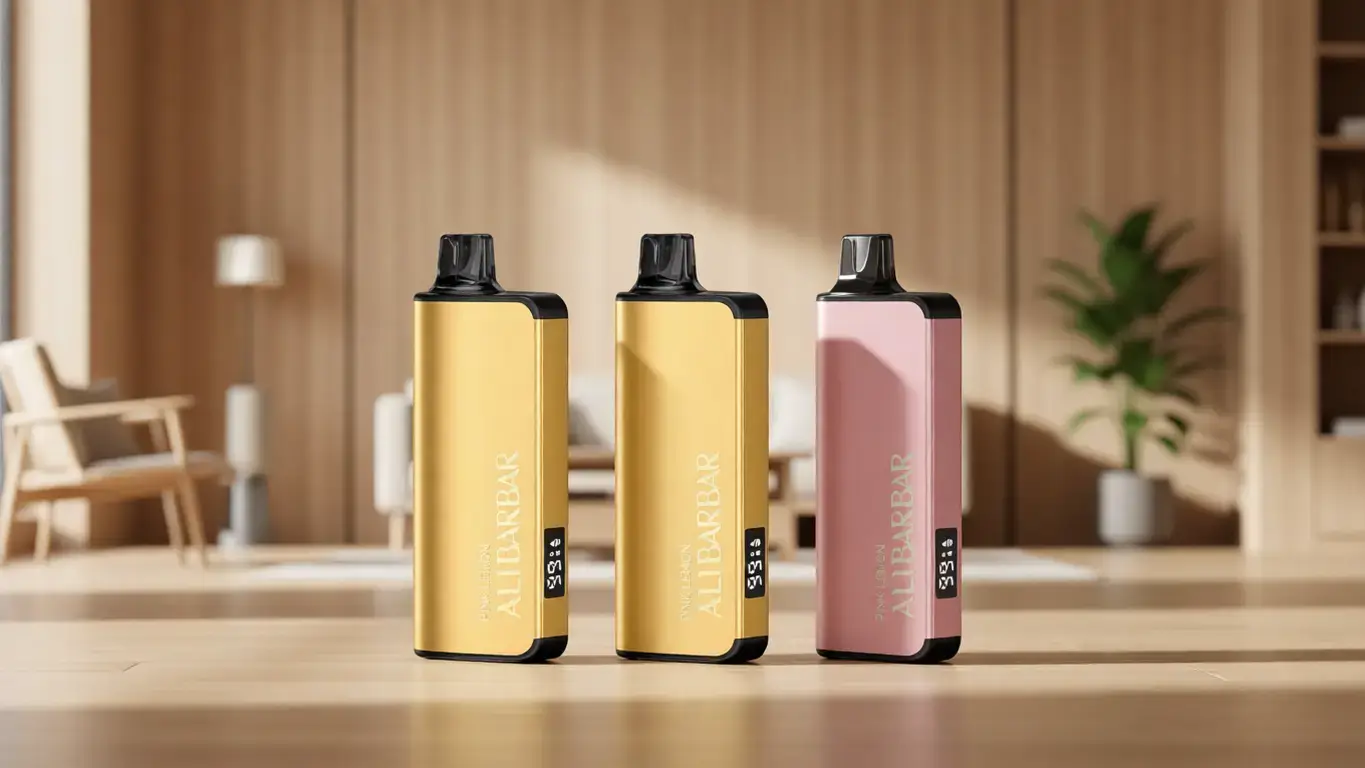
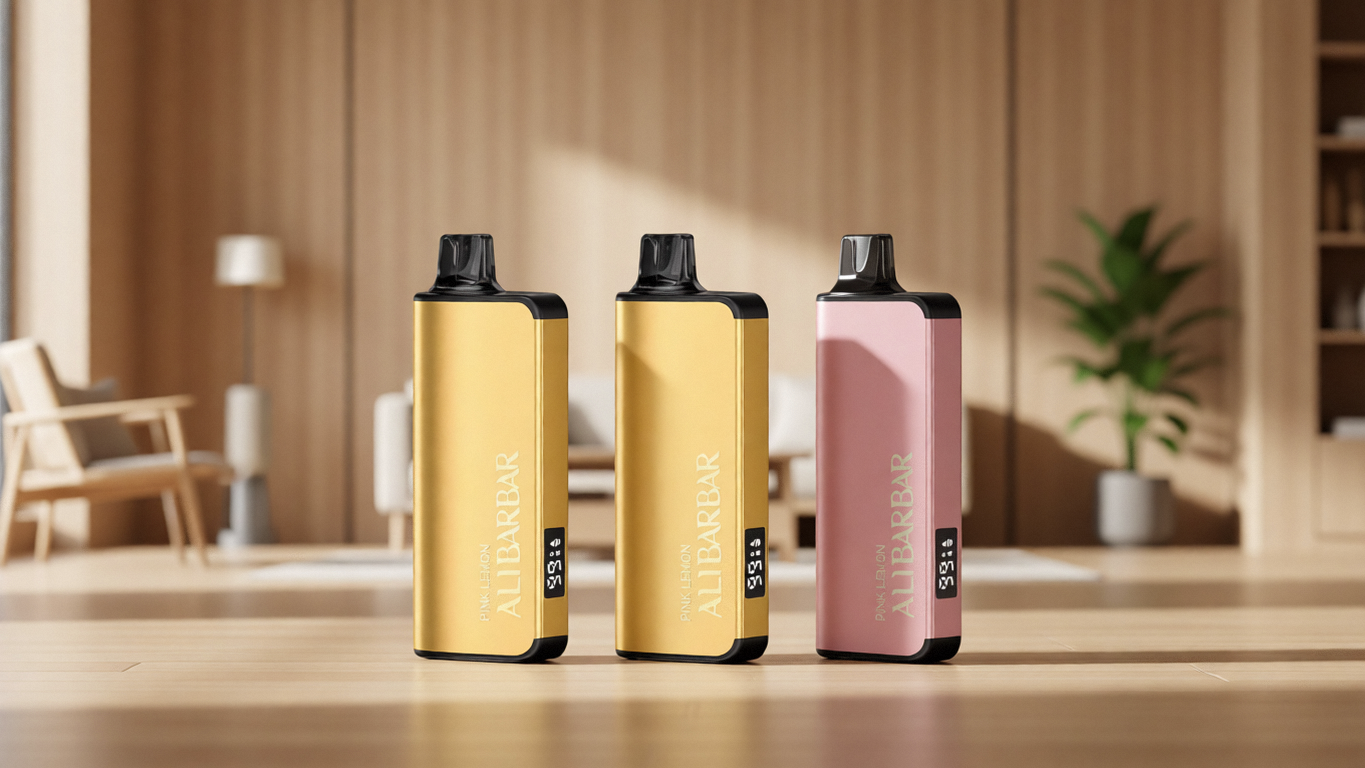
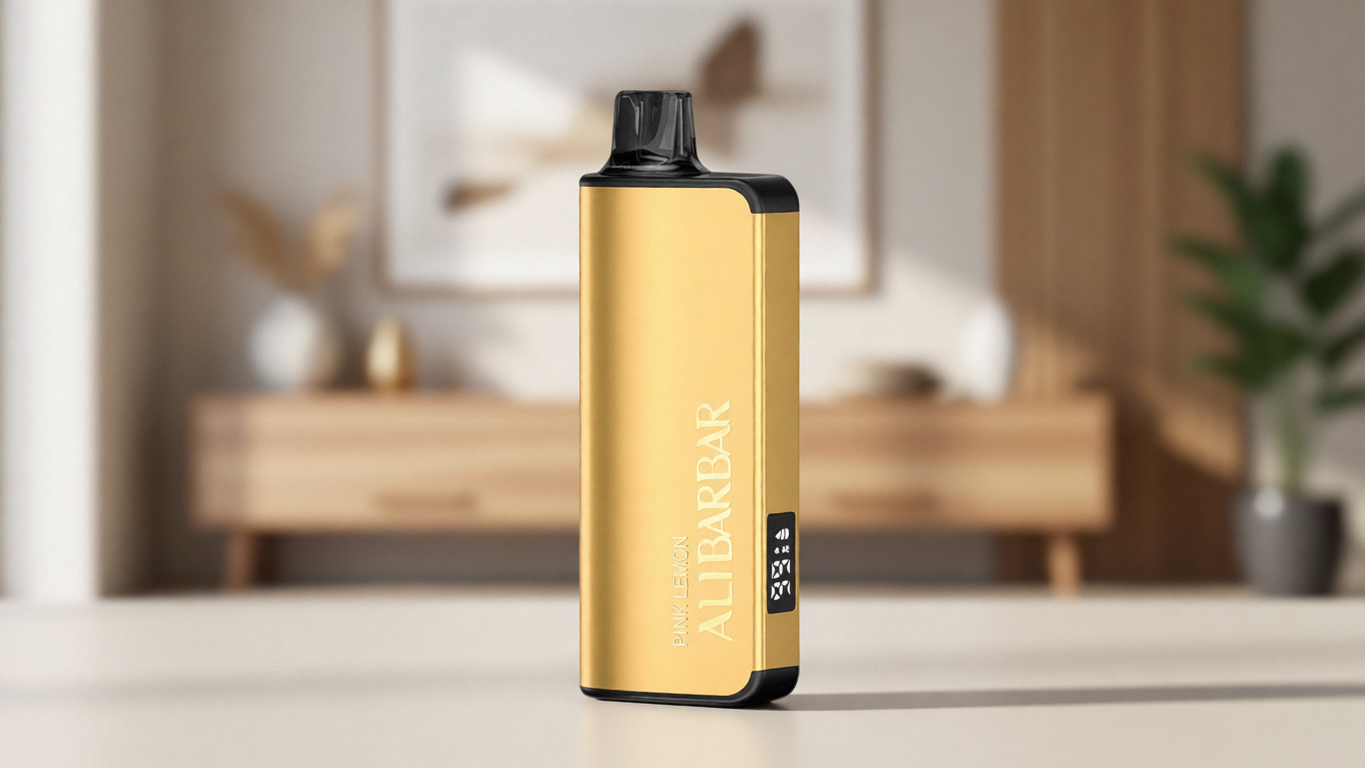
Few product families illustrate the relationship between engineering and user experience more directly than the ALIBARBAR range, available through verified channels like OZVAPE Shop. The current‑generation series, including the INGOT 9000, INGOT 15000, and Ice Adjust 12000, each demonstrate how design choices can simplify proper usage for the end user — or, conversely, how neglecting those choices makes the device less forgiving.
The INGOT 9000 employs a mesh coil architecture that spreads heat more evenly across the wicking surface than traditional wire coils. This reduces the likelihood of hot‑spots that create a burned note even when overall liquid saturation is adequate. Its draw‑activated firing system is calibrated for a moderate pull, and because it has no external buttons, the user is guided toward a natural, consistent inhale. One limitation to keep in mind is that it offers a fixed airflow; you must adjust your own draw strength to match, rather than having the device adjust to you. That is not a flaw — it simply means that if you tend to inhale very forcefully, you will need to consciously slow down with this model.
The Ice Adjust 12000 adds a manual airflow slider, giving you direct control over the draw tightness. From a proper‑usage standpoint, this lowers the skill barrier significantly: you can set the airflow to match your natural inhale strength, rather than retraining your lungs. The slider is also useful for preserving battery life — a tighter, more restrictive draw uses less power per puff because the coil runs at a lower effective airflow velocity. Users who report inconsistent vapor production with this series often discover they have inadvertently bumped the slider while carrying the device; verifying the setting before use is a simple diagnostic step.
Elsewhere in the market, some compact single‑use devices omit any form of airflow adjustment and employ basic coil elements that degrade rapidly with aggressive puffing. While such designs can perform adequately within their limited scope, they demand more discipline from the user. A common industry‑wide pattern is that larger‑capacity devices tend to incorporate better thermal management and more sophisticated battery regulation, precisely because they are intended to remain in service for longer periods where user fatigue would otherwise set in. Knowing this helps you set realistic expectations: a sub‑compact unit may be perfectly capable, but only if you are willing to adapt your technique to its constraints.
A Practical Self‑Assessment for Proper Usage
Rather than guess whether you are using a device correctly, you can run through a short checklist. These are the same diagnostic prompts an experienced troubleshooter would apply.
Listen to the sound. A smooth, low‑frequency hum during a draw suggests normal vaporisation. Gurgling or spitting sounds indicate flooding — pause, let the device sit upright for 30 seconds, then try again with a lighter inhale.
Check the first draw after a rest period. If the very first puff after the device has been idle for ten minutes tastes dry or harsh, the wick may have drained back from the coil. A gentle priming puff without fully inhaling can resaturate the coil.
Monitor warmth during extended sessions. The device body should not become noticeably hot. If it does, you are exceeding the designed duty cycle. Put it down for several minutes before continuing.
Evaluate total usage time relative to the rated capacity. A high‑capacity device that begins to weaken at only half its advertised puff count likely indicates too aggressive a draw rate rather than a defective unit. Try a slower, longer draw that allows the coil to reach temperature without being overwhelmed by excess airflow.
Note whether flavour degradation occurs in stages. A gradual loss of flavour as the device approaches the end of its life is normal. A sudden, sharp burnt note early on is almost always the result of overheating due to insufficient liquid around the coil, often from chain‑puffing.
Common Mistakes That Undermine the Experience
Years of feedback from adult users reveal a recurring set of behaviours that turn a functional device into a frustrating one. Recognising these patterns can prevent most common support enquiries.
**Over‑inhaling as compensation