
VAPE FAQs
Why Does People Vape?
May
Why Do People Vape?
A question like this rarely surfaces because someone is simply curious about statistics. It emerges from a direct, personal reality — watching a friend, a family member, or a stranger on the street and wondering what sits behind that quiet, repeated gesture. The truth is that there is no single answer. The reasons are as varied as the individuals themselves, and understanding them requires stepping back from stereotypes and looking at what adults across Australia report about their own experiences.
This article is not an argument for or against the practice. It is an attempt to map the most consistently recurring motivations — practical, psychological, and social — that researchers, healthcare workers, and retailers such as [OZVAPE Shop](https://www.ozvapeshop.com.au/ “OZVAPE Shop” target=”_blank” rel=”noopener”) observe in daily interactions. By offering a calm, evidence‑anchored overview, we hope to equip anyone who reads it with a clearer sense of the landscape, whether they are asking for themselves or for someone they care about.
Understanding the Core Motivations
Transition from Combustible Tobacco
The most widely documented reason is harm reduction. A substantial body of population‑level data indicates that a significant proportion of adult users turn to electronic personal vapourisers as a step away from combustible cigarettes. The logic is pragmatic: the act retains the hand‑to‑mouth ritual and a familiar throat sensation, while eliminating the combustion by‑products associated with long‑term health risks. For many, the goal is not eternal use but a gradual reduction — a path that feels achievable because the device offers a level of control over the intensity of each session that a cigarette simply cannot.
Ritual, Routine, and Sensory Experience
For others, the draw is less about chemistry and more about rhythm. The deliberate pause, the soft crackle of a heating element engaging, the visible exhalation — these sensory components create a micro‑ritual that punctuates the day. In a culture where many former smokers report missing the structure of a cigarette break as much as the nicotine itself, a well‑designed device can fill that empty space without the lingering odor or the social isolation that often accompanies smoking.
Social and Cultural Factors
Peer influence does not stop at adolescence. Adults are just as likely to adopt a behaviour because it forms part of their social fabric. In many circles, using a personal vapouriser is perceived as less intrusive than lighting a traditional cigarette. It can be done in closer proximity to others, it doesn’t leave a trail of ash, and it’s frequently accompanied by a shared interest in flavour experimentation or device customisation. This subtle shift in social acceptability transforms the act from a secretive habit into something that can be talked about, compared, and even enjoyed communally.
Flavour Exploration and Palate Engagement
Ask any long‑term user what keeps them engaged, and flavour will appear near the top of the list. The sheer range — from cooling menthols and crisp fruits through to complex dessert‑inspired blends — turns the daily routine into an ongoing process of discovery. It is, in a quiet way, a form of self‑expression. And it is one of the strongest predictors of sustained satisfaction: the person who becomes genuinely interested in flavour is far less likely to revert to the single‑note taste of combustible tobacco.
Stress Management and Transient Coping
We treat this motivation with care, because it is easily misunderstood. Users across broad demographics describe the act as providing a momentary, controllable reprieve from situational stress. It is not a solution to chronic anxiety, nor is it presented here as a recommended coping mechanism. But the self‑reported pattern is consistent enough to note: the short, deliberate breathing cycle, the warming sensation, and the brief redirection of attention combine to create a pause that many find calming in the middle of a demanding day.
The Role of Device Reliability in Sustaining Motivation
Whatever draws an individual to use a personal vapouriser, the entire experience collapses if the device fails to perform reliably. A power cell that dies unexpectedly, an output that fluctuates from puff to puff, a mouthpiece that cracks under daily carry — these are not minor annoyances. They are direct threats to the very reasons the user picked up the device in the first place. This is where engineering becomes inseparable from psychology.
Internal Architecture and Output Consistency
A well‑engineered device employs a heating element designed to deliver a uniform temperature profile across its operational life. Cheaper units often rely on simple, unregulated circuits that degrade noticeably after the first hundred cycles. The result is a familiar complaint: “It just doesn’t hit the same way anymore.” In contrast, devices built around temperature‑compensated wicking and intelligent power delivery maintain a stable output until the consumable portion is genuinely depleted. This consistency underpins the ritual element — each session feels predictably satisfying, which is exactly what the habitual user depends on.
Power Management and Status Transparency
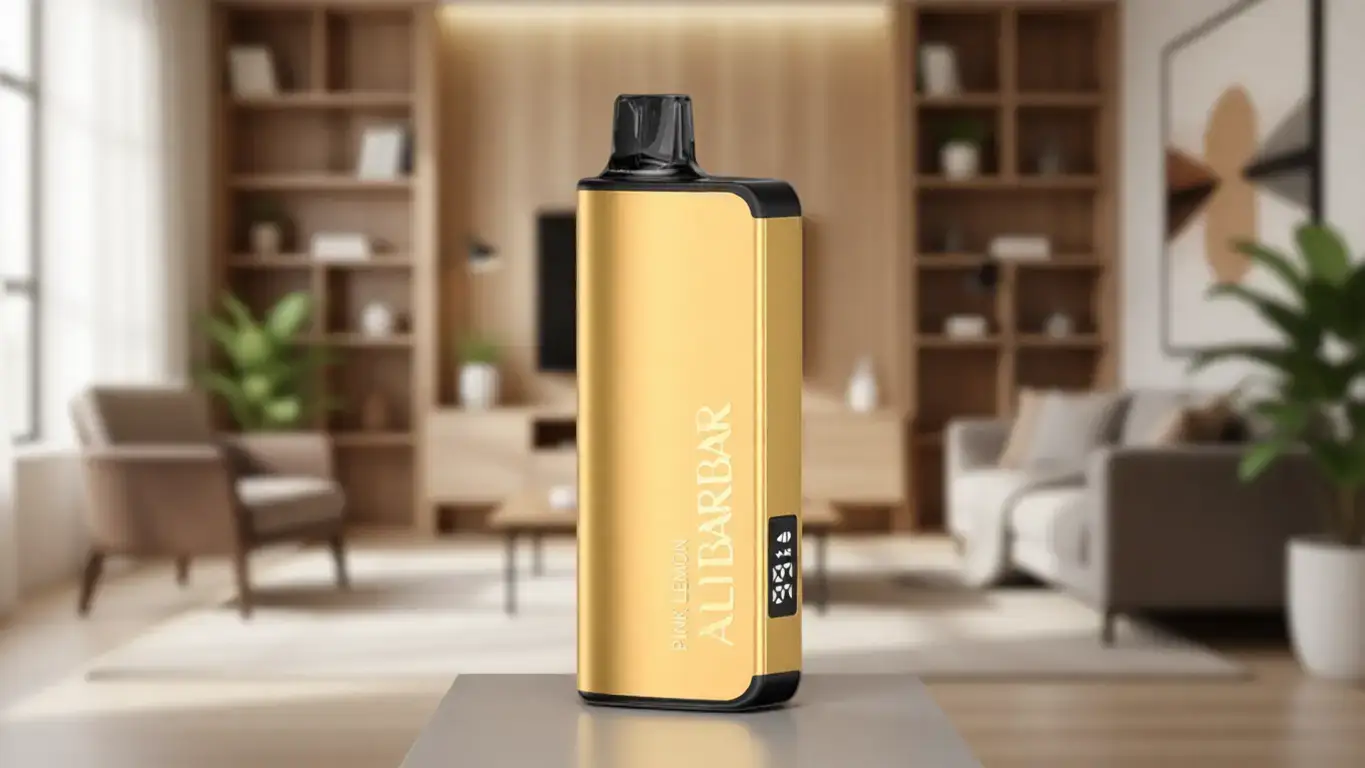
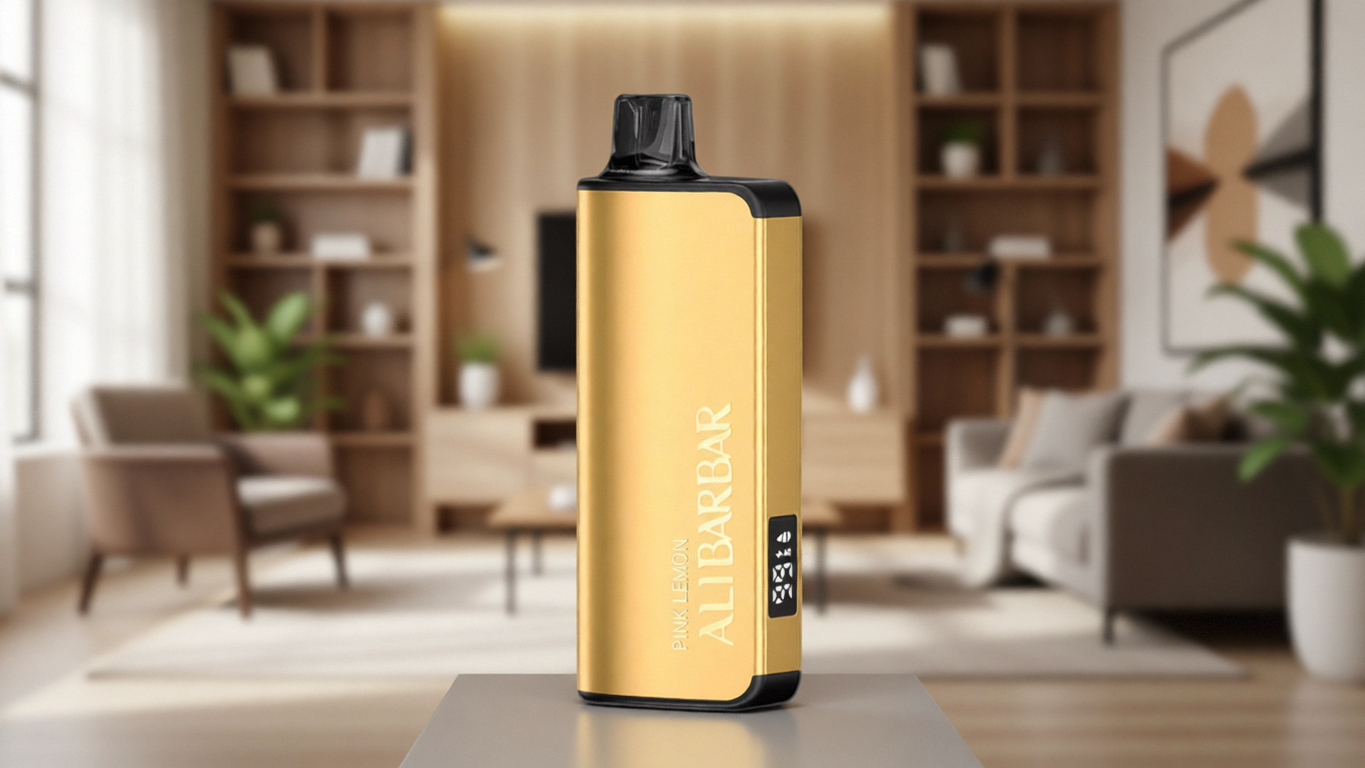
Uncertainty about remaining charge creates a low‑level, persistent anxiety that pushes users to carry a backup device. This is inefficient and costly, and it often leads to discarding units that still have usable life simply because there was no way to know. Thoughtful products address this with clear, multi‑segment LED indicators or haptic feedback at defined intervals. The ALIBARBAR INGOT series, for instance, gives the user an immediate visual read on remaining capacity, eliminating the need for guesswork and allowing a single unit to cover a full day with confidence. For the person whose primary motivation is stress relief, knowing the device will not abandon them mid‑session is non‑negotiable.
Physical Design and Material Durability
A device that lives in a pocket or bag endures abrasion, pressure, and temperature swings. Surface treatments that look sleek in marketing photos can begin to show wear within a week if they lack a proper UV‑cured sealant or anodised layer. The ALIBARBAR design language deliberately favors dense, matte finishes that resist micro‑scratches and maintain their tactile quality over months. The mouthpiece profile is another under‑discussed detail: a slightly tapered contour reduces lip fatigue during longer sessions, something that directly affects the sensory reward that flavour‑focused users seek.
Modularity and Lifecycle Flexibility
User motivations also dictate the preferred device architecture. Someone using vapour as a smoking cessation tool may want a pre‑configured, sealed unit that requires zero maintenance — one less decision to make. A flavour enthusiast, on the other hand, often values an adjustable airflow system that lets them dial in warmth and intensity. The ALIBARBAR range spans both ends: from the no‑fuss, extended‑capacity INGOT 15000 to the Ice Adjust 12000, which introduces user‑controlled airflow for those who enjoy fine‑tuning each draw. This flexibility matters because a device that matches a user’s primary motivation becomes a tool that integrates into their life, rather than a gadget that gets abandoned in a drawer.
Applying These Criteria to Real‑World Options
When we move from theory to tangible products, the ALIBARBAR collection offers a useful case study, not because it is the only option on the market, but because its product planning methodology aligns tightly with the motivational framework described above. Each series in the catalogue was designed to answer a specific set of user needs, and observing those design decisions helps illustrate how to think critically about any device you encounter.
For the transition‑focused user: The ALIBARBAR INGOT 9000 delivers a consistent, draw‑activated experience with a large integrated power cell. There are no buttons, no menus, and no adjustments — just the familiar hand‑to‑mouth motion, reliably replicated thousands of times. The predictable output curve supports the smoker’s expectation of a “full” sensation from first puff to last.
For the high‑daily‑volume user: The INGOT 15000 extends the same simplicity to a reservoir that comfortably accommodates extended periods without recharging or replacement. Field feedback consistently highlights the reduction in “range anxiety” — the nagging concern that the device will cut out during a long shift or a road trip.
For the flavour explorer: The Ice Adjust 12000 introduces controllable airflow, which allows the user to shift between a tighter, warmer draw (accentuating throat hit) and an airier, cooler draw (bringing out layered flavour notes). This one mechanism transforms the device from a commodity into a personalisable instrument, directly serving the motivation of sensory engagement.
Other device families exist that address similar needs. Some manufacturers push customisable wattage curves; others focus on ultra‑compact ergonomics. The key is to recognise that no single device is optimal for every motivation. The right question is not “which is the best device?” but “which device architecture supports the reason I’m here?”
A Practical Framework for Evaluation
Armed with an understanding of motivations and engineering, any adult can adopt a simple, repeatable evaluation process before making a choice. The following framework is not brand‑specific — it works across categories.
Identify your primary motivation. Write it down honestly. “I want to stop smoking” leads to different product requirements than “I enjoy experimenting with new flavours.”
Map motivation to technical requirements.
If ritual and consistency matter, prioritise regulated output and proven thermal management.
If flavour exploration is central, look for adjustable airflow and a reputation for clean, unadulterated taste profiles.
If all‑day reliability is non‑negotiable, power capacity and transparent status indicators become mandatory.
Scrutinise the build quality indicators. Check what the device’s surface is made of, whether the mouthpiece has a history of cracking, and how the unit handles temperature cycles. Genuine user reviews often surface these details.
Ask the status question. “Does this device give me clear feedback about its remaining life?” If the answer is no, you will likely compensate by carrying a backup — doubling your cost and your waste.
Access authorised specification data. Standardised product pages, like those maintained by established retailers, allow side‑by‑side comparison of the parameters that actually matter. OZVAPE Shop, for example, publishes consistent specifications across all ALIBARBAR variants, removing the guesswork that comes from fragmented, inconsistent listings.
Common Selection Errors and Industry Observations
A clear‑eyed look at the market reveals several recurring ways that users undermine their own satisfaction. These errors are not accidental; they arise from a combination of marketing noise and a lack of accessible technical education.
Overweighting one specification at the expense of all others. It is easy to fixate on the largest advertised capacity, but a bigger reservoir mated to a poorly tuned heating element often delivers a muted, unsatisfying draw. The entire system — power regulation, wicking material, airflow design — must work in concert. Judging a device by a single number is like choosing a car based solely on horsepower while ignoring the transmission.
Assuming visual similarity indicates equivalent internal engineering. Two devices can look nearly identical on the outside while using radically different chipset architectures. The exterior shell tells you nothing about the precision of the temperature control or the quality of the battery management circuit. This is why factory‑certified supply chains matter: they guarantee that the internals match the documented design.
Confusing category vocabulary with technical specifications. Terms like “mesh coil” or “adjustable airflow” are often thrown around loosely. A genuine mesh element distributes heat across a much larger surface area than a simple wire coil, improving consistency. Real adjustable airflow modifies the vapour‑to‑air ratio, not just the draw resistance. Learning to distinguish between marketing labels and actual mechanisms is one of the most valuable investments an informed user can make.
Undervaluing modularity in cost‑per‑use calculations. A device that is fully disposable might appear cheaper upfront, but if it fails to deliver consistent performance for its entire rated cycle, the effective cost per satisfactory use skyrockets. Systems that allow the user to replace only the exhausted element often deliver a lower total cost of ownership, despite a higher initial purchase price. This matters especially for daily users.
From an industry perspective, the landscape is maturing rapidly. Retailers that survive long‑term are those that invest in direct relationships with authorised distributors, implement rigorous batch inspection protocols, and provide transparent, post‑purchase accountability. The flood of unverifiable, untraceable options has created a parallel market where product safety and performance are anyone’s guess. Recognising which operators operate with documented sourcing and which do not is fast becoming the single most important skill an adult user can develop.
Frequently Asked Questions
Q: What are the most commonly reported reasons adults begin vaping?
A: The three most consistent themes are smoking cessation, enjoyment of flavours and the sensory experience, and the social acceptability of vapour compared to combustible tobacco smoke.
Q: Is vaping risk‑free?
A: No. No inhalation of any aerosol other than clean air is without potential consequences. The relevant comparison, drawn from public health authorities, is that for established smokers, switching completely to a regulated vapour product exposes the user to significantly fewer toxicants. It is not a health product; it is a harm reduction tool for those who would otherwise continue smoking.
Q: How can I tell if a device will perform consistently until it’s done?
A: Look for evidence of temperature‑compensated power delivery, not just a simple voltage output. Formal manufacturer documentation and independent teardown examinations, where available, provide the most reliable information. Retailers that publish detailed, standardised specifications make this comparison far easier.
Q: What is the point of adjustable airflow?
A: Airflow adjustment changes the draw resistance and the temperature of the vapour. A tighter draw provides a warmer, more intense throat sensation; a more open draw cools the vapour and can reveal distinct flavour layers. It is a functional preference, not a gimmick.
Q: Why do some devices cost more when they look the same as cheaper ones?
A: The cost difference usually reflects the quality of the internal electronics (power management chip, battery cell grading, ingress protection) and the materials used in the shell and mouthpiece. Authorised retailers can verify component provenance; discount channels often cannot.
Q: I received a device that doesn’t activate. What should I do?
A: The first step is always to contact the retailer from whom you purchased it. Legitimate operations, including OZVAPE Shop, maintain documented return‑to‑base verification procedures. A rapid, no‑deflection response to a dead‑on‑arrival report is one of the strongest indicators of a trustworthy seller.
Q: Can I trust an online vape shop I’ve never heard of?
A: Verify whether the shop publicly identifies its Australian Business Number (ABN), provides a physical business address, and states clearly that its inventory is sourced through factory‑authorised channels. If these details are missing or evasive, the risk of receiving non‑compliant or counterfeit merchandise increases substantially.
Q: How important is battery capacity for my daily use?
A: It depends on your pattern. A light, intermittent user may be well served by a smaller device. But if you rely on your device throughout a full workday or while travelling, insufficient capacity forces you to carry a backup, which defeats the purpose of a portable, self‑contained unit. This is why products like the INGOT 15000 exist — they are engineered for continuous availability, not just occasional convenience.
Q: Does OZVAPE Shop offer any after‑sales support?
A: Yes. The shop maintains a local support team that fields product queries, assists with troubleshooting, and processes warranty‑valid claims in accordance with published policies. The goal is to resolve issues efficiently so that the user’s core motivation — whatever it may be — is not interrupted by a device problem.
Q: What is the correct way to store a device when not in use?
A: Keep it away from extreme temperatures and direct sunlight. If the device has a mouthpiece cover, use it to prevent lint and debris from entering. Storing it upright, particularly for larger units, minimises the chance of internal e‑liquid migration that could compromise the airflow sensor over time.
Conclusion
The reasons people vape are not mysterious. They are a tapestry of harm reduction, ritual, sensory enjoyment, and social connection — a combination that traditional public health narratives often struggle to capture in their fullness. What should be equally clear by now is that the device itself is not a passive vessel for these motivations. A poorly engineered unit erodes ritual. An unreliable power source kills the calming pause. A flavour that turns acrid after the first day extinguishes curiosity. The device either enables or undermines the original purpose.
For adults who recognise this connection, the path forward is straightforward: apply the same reflective rigour to the tools they choose as they do to understanding their own reasons. [OZVAPE Shop](https://www.ozvapeshop.com.au/collections/alibarbar “OZVAPE Shop ALIBARBAR Collection” target=”_blank” rel=”noopener”) represents one carefully maintained channel through which factory‑certified ALIBARBAR devices are made available — not as an answer for everyone, but as a clearly documented option for those whose evaluation process points in that direction.
Ultimately, the right choice is the one that aligns with your actual daily routine, not the one with the loudest claims or the most eye‑catching price. An informed user who selects a device that supports, rather than fights, their motivation is the user who finds lasting satisfaction — and that is a far more useful outcome than any marketing promise could ever deliver.