
VAPE FAQs
Where Should I Put My Vape When Flying?
May
Flying with a personal electronic device should be straightforward. You pack it, board the plane, and retrieve it at your destination. Yet the question persists in forums, at check-in counters, and in the minds of even experienced adult users: where exactly am I supposed to put this thing? The confusion isn’t irrational. Airline policies can be opaque, and the consequences of getting it wrong — confiscation, a damaged device, or, in extremely rare cases, a safety incident — are enough to make anyone pause.
At OZVAPE Shop{target=”_blank”}, we believe that a transparent understanding of the rules and the reasoning behind them is the most practical travel accessory you can carry. This article explains the regulatory, engineering, and practical considerations that determine the safest and most compliant place for your device during a flight. No alarmism, no guesswork — just an analysis you can apply immediately.
Understanding the Regulations, and the Physics Behind Them
Every major aviation authority — including the FAA, EASA, CASA (Australia), and IATA — classifies electronic devices containing lithium‑ion batteries as dangerous goods when carried in the wrong location. The rule is universal: these devices must travel in the cabin, never in checked baggage.
The reasoning is not bureaucratic. It is rooted in fire containment. A lithium‑ion cell that enters thermal runaway generates its own oxygen, rendering cargo‑hold suppression systems largely ineffective. In the cabin, crew can intervene with fire bags, extinguishers, and ventilation long before a situation escalates. Checked baggage offers no such immediate human oversight.
A secondary but critical restriction applies to spare batteries. Loose cells — including any power bank or external charger — must also be carried in the cabin and must have their terminals protected against short circuits. Most airlines cap spare battery capacity at 100 watt‑hours (Wh) without prior approval, and 160 Wh with carrier clearance. Most personal handheld devices fall well below that threshold, but checking the label remains prudent.
What this means in practice:
Your device and any spare power source stay with you — in a pocket, in a personal item under the seat, or in a small bag you can access quickly.
Do not surrender them to the gate‑check process. If a cabin bag is unexpectedly gate‑checked, remove the batteries first.
When in doubt, treat any device that contains a rechargeable lithium cell as carry‑on only.
Device Design Features That Simplify Air Travel
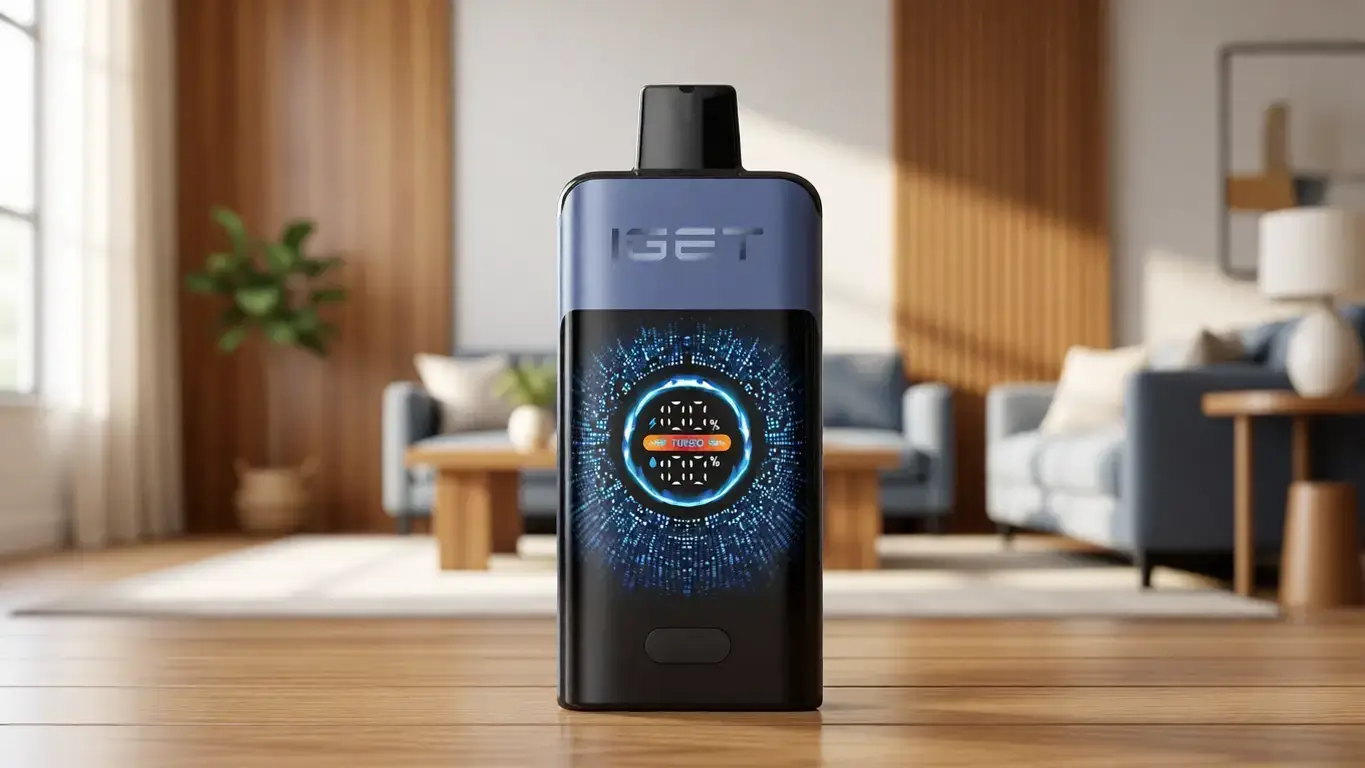
Not all portable electronics are equally suited to the demands of air travel. Thoughtful engineering reduces the small frictions that become magnified at 35,000 feet. This is where a well‑designed device — such as the ALIBARBAR INGOT 9000{target=”_blank”} series — distinguishes itself, not through spectacular claims, but through a quiet attention to details that matter to a traveling adult.
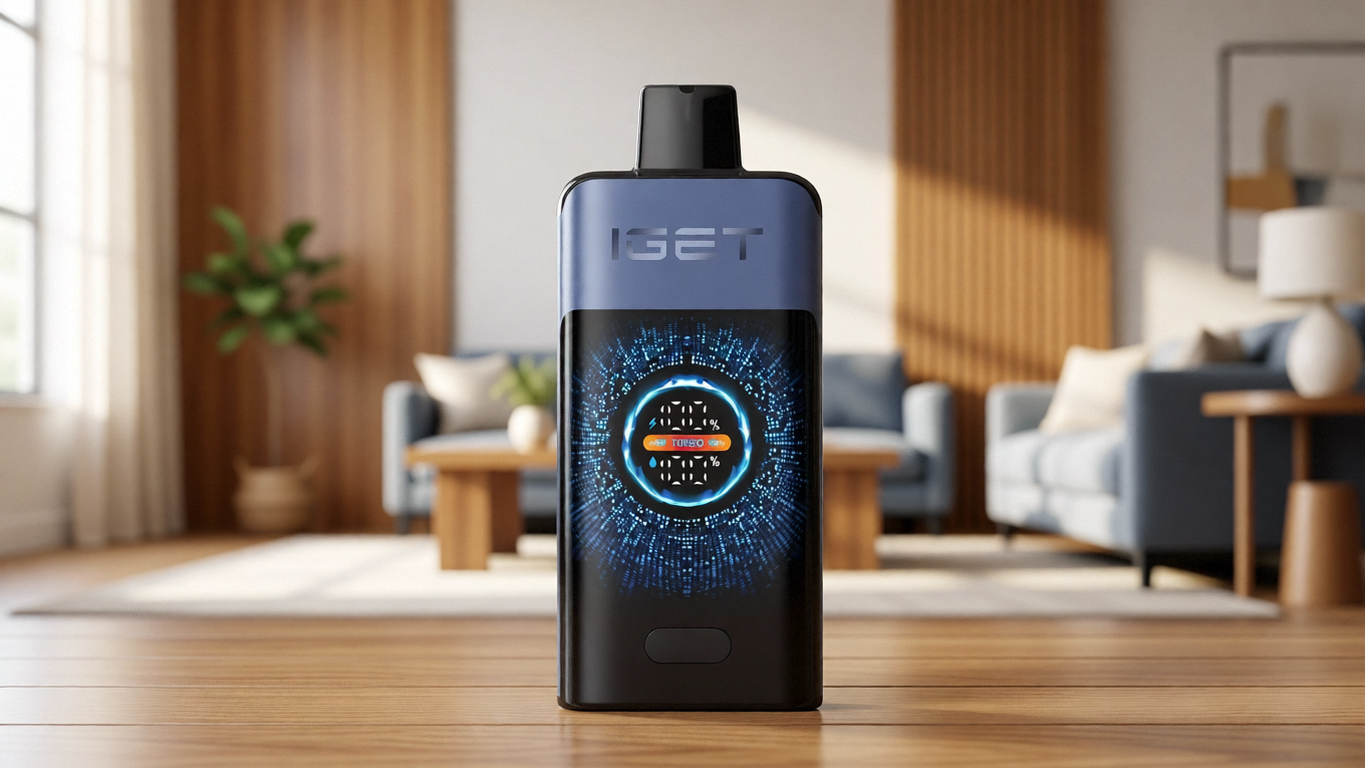
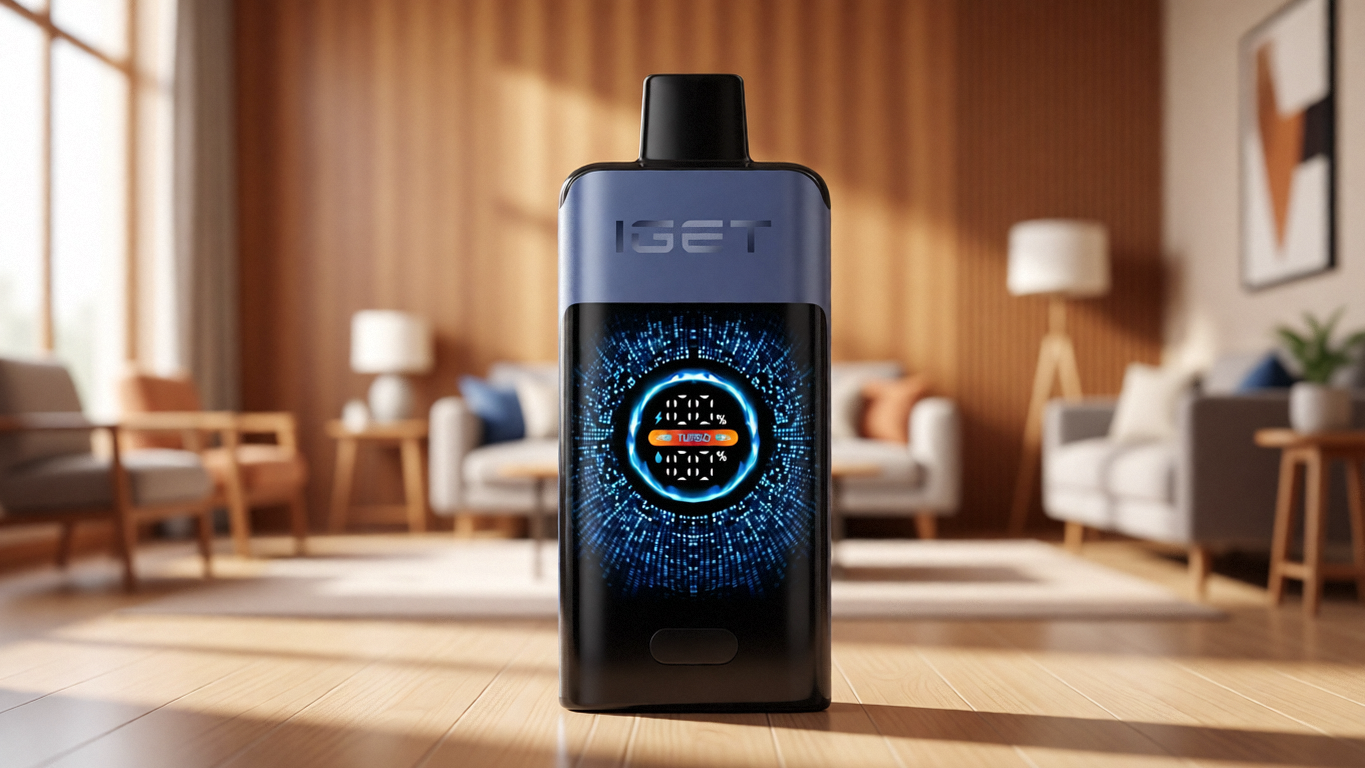
Status transparency. A device that communicates its remaining power clearly eliminates the anxiety of guessing whether it will last through a layover. The ALIBARBAR INGOT 15000, for example, uses an LED‑based indicator system that requires no app, no interpretation, and no squinting at tiny text. You glance at it and know. For a traveler, that means one fewer unknown in an environment already full of variables.
USB‑C charging. The move to a universal connector across the ALIBARBAR lineup may seem like a footnote, but at a crowded airport gate or in a hotel room with a single available outlet, it is quietly transformative. You carry one cable, you use one power bank. Fewer adapters mean fewer opportunities for forgotten chargers and incompatible sockets.
Pocket‑safe dimensions. A device that fits securely in a shirt pocket or a zippered compartment minimizes the temptation to toss it loosely into an overhead bin — where it can slide, activate accidentally, or become damaged by shifting luggage. Compact ergonomics aren’t just about aesthetics; they directly affect your ability to keep the device in a controlled, FAA‑compliant location.
None of this is to suggest that ALIBARBAR is the only brand that solves these problems. It is simply that when you examine the travel experience through the lens of user friction, the design choices made by the engineers become suddenly, practically relevant.
Practical Placement Throughout the Journey
The question “where should I put my vape?” is best answered by breaking the flight into distinct phases.
Before security. Keep the device in a readily accessible outer pocket of your carry‑on bag or on your person. At most checkpoints, you will need to remove it and place it in a separate screening bin alongside your phone and laptop — exactly as you would any large electronic item. A device buried at the bottom of a packed suitcase will slow you down and invite secondary inspection.
During flight. The device must remain with you in the cabin. The most secure locations are:
A zipped, dedicated pocket in your personal item (never the overhead bin).
A shirt or jacket pocket, provided the device is locked or fully deactivated to prevent accidental discharge.
A hard‑shell carrying case that prevents pressure on the activation mechanism.
Avoid storing the device in a seat‑back pocket. Those pockets are rarely cleaned and have been documented as a source of bacterial contamination. More importantly, items left there are easily forgotten upon disembarkation.
After landing. Remove the device from your bag before stowing it in an overhead compartment on a connecting flight. This ensures you never accidentally leave it behind and that it remains compliant for the next leg.
A small, hard‑sided case is worth its weight here. It prevents the device from being crushed, shields it from metallic objects that could short an exposed contact, and — if you travel often — signals to security personnel that you have considered the safety of the item you are carrying.
A Practical Pre‑Flight Checklist
Run through this short sequence before you leave for the airport. It converts abstract rules into repeatable behavior.
Check the airline’s specific policy. The baseline IATA rule is consistent, but some carriers (particularly low‑cost operators) impose additional restrictions. Look for the “Dangerous Goods” or “Lithium Batteries” section on their website.
Charge to approximately 50%. A partially charged lithium‑ion cell is chemically more stable than a fully charged one. There is no regulatory requirement to do this, but it is a conservative practice recommended by several electronics manufacturers.
Disable activation. If your device has no physical lock, place it in a mode where it cannot be activated by pressure — this may mean removing a pod, toggling a child‑lock feature, or storing it in a rigid container that protects the button or draw‑sensor.
Protect the terminals. If you carry spare batteries, cover the terminals with electrical tape or keep each cell in its original packaging.
Pack accessibly. Place the device and any spares in the outermost compartment of your personal item, so they can be withdrawn without unpacking.
Common Mistakes That Lead to Confiscation or Worse
Observation suggests that most travel incidents involving personal electronic devices stem not from defective products but from predictable human oversights. The following patterns appear repeatedly in industry reports and aviation safety bulletins.
Stowing the device in checked luggage. This remains the single most frequent violation. Passengers assume that because the device is small or has a “sleep” mode, it is safe in the hold. It is not. The no‑checked‑battery rule is enforced with real consequences — airlines report such items to local aviation safety bodies, and fines can apply.
Forgetting to disconnect the pod or tank. In devices with a removable reservoir or cartridge, the liquid can leak under cabin pressure changes. This stains clothing, damages electronics, and occasionally triggers the device’s sensor, leading to an unintentional activation inside a bag.
Assuming all airports interpret rules identically. While ICAO standards provide a global floor, individual nations and even individual terminals apply them with differing levels of rigor. In some jurisdictions, any visible device may attract questioning. In others, it passes unnoticed.
Carrying more spare batteries than permitted. The standard passenger limit is typically 20 spare cells (with each under 100 Wh) per person, but many travelers do not realize that this includes batteries inside other portable equipment. Counting is worth the effort before flying with multiple devices.
Ignoring physical damage to a battery. A device with a swollen casing, a puncture, or a history of overheating should never be taken aboard an aircraft. It poses a genuine risk and is likely to be refused at the security checkpoint.
From an industry perspective, the relative rarity of serious incidents is a testament to the safety margins built into contemporary lithium‑ion cells. However, those margins rely on the user behaving as an informed participant in the safety chain. No amount of regulatory oversight can substitute for an adult who understands why a rule exists and adjusts their behavior accordingly.
Frequently Asked Questions
Q: Can I fly with an ALIBARBAR INGOT 15000 internationally?
A: Yes, provided the battery is under 100 Wh (it is), you carry it in the cabin, and you verify that your destination country does not maintain a blanket prohibition on the sale or possession of such devices. The device’s sealed architecture means there is no loose liquid to leak, which simplifies compliance.
Q: Does airport security care whether the device is disposable or rechargeable?
A: The security focus is on the battery, not the device category. A disposable (non‑rechargeable) unit still contains a lithium cell and must be carried in the cabin. A rechargeable system like the ALIBARBAR Ice Adjust 12000 simply offers the added convenience of re‑powering it before a layover.
Q: Where do I put spare pods or cartridges during a flight?
A: Non‑electronic components (liquid reservoirs, replaceable mouthpieces) can technically travel in checked baggage, but cabin pressure changes frequently cause leaks. The better advice is to store them upright in a sealed, transparent zip‑lock bag inside your carry‑on, surrounded by a soft material to absorb any minor seepage.
Q: What happens if I accidentally leave a device in a checked bag?
A: If identified during screening, the bag will be opened, and the device removed. You will typically be paged to the gate or informed upon arrival. In some jurisdictions, the item is confiscated without recourse. It is far simpler to double‑check before checking luggage.
Q: Are there any airlines that completely ban these devices?
A: A small number of airlines, particularly those operating under strict religious or cultural restrictions in their home jurisdictions, prohibit the carriage of any electronic device associated with personal vaporizing. Always read the “Conditions of Carriage” before booking.
Q: Can I charge my device in‑flight from the seat power?
A: Most airlines permit charging from the seat’s USB outlet, provided the device is not used while charging and you monitor it. Never connect a device to a seat‑back power supply if the battery or the port shows signs of irregular heating.
Q: How should I store a device with an exposed draw‑activated sensor?
A: A rigid case that prevents airflow across the sensor is the safest approach. If a case is unavailable, placing the device in a small cardboard box with a few small ventilation holes will block unintended activation while maintaining the pressure equalization that prevents internal damage.
Q: Does OZVAPE Shop provide documentation to show at security checkpoints?
A: While we do not issue certification letters, the ALIBARBAR packaging in which your device arrives includes the manufacturer’s specifications, printed safety markings, and the battery rating — all of which are accepted by security agencies as proof of compliance. We recommend keeping the original box in your luggage for exactly this reason.
Q: Is there a limit to how many devices I can carry?
A: The general rule is that devices containing lithium cells are included in the same count as spare batteries. For personal‑use quantities — two or three units — you are unlikely to face scrutiny. If you are carrying a large quantity, you may be questioned and could be asked to demonstrate that the items are not intended for resale.
Q: What should I do if a device begins to overheat during the flight?
A: Immediately alert a crew member. Do not attempt to submerge it in water (water conducts electricity and can accelerate a battery failure). The crew is trained in containment procedures and will act accordingly. The most effective prevention is ensuring the device is deactivated, cool, and in a ventilated space before boarding.
A Final Word on Travel and Good Judgment
Flying with a personal electronic device does not need to be a source of anxiety. The rules are clear; the engineering behind modern devices is mature; and the best practices are well established. What remains is the responsibility of the individual traveler to integrate that knowledge into a routine that matches their actual habits.
At OZVAPE Shop{target=”_blank”}, we see our role as providing devices that make compliant, stress‑free travel easier — through clear status indicators, standardized charging, and durable construction that tolerates the wear of frequent movement. But the most important variable is you. A prepared adult who understands the reasoning behind the regulations will place their device in the right spot every time — not because someone told them to, but because it makes objective sense.
The right choice is not the one that requires the least thought in the moment. It is the one that fits your routine, anticipates the constraints of your environment, and keeps you and those around you safe while you move through the world.