
VAPE FAQs
Does Vape Trigger Fire Alarm?
Jul
Introduction
For many adult portable device users, navigating shared spaces with fire alarms is a source of quiet anxiety. A single moment of inattention could trigger a false alert, leading to awkward conversations, building-wide evacuations, or even penalties. Yet most guidance on this topic relies on anecdotes rather than technical facts, leaving users unsure how to balance their needs with safety. At OZVAPE Shop, we’ve compiled data from device testing, fire safety authority reports, and real user experiences to clarify when and why portable devices might trigger fire alarms—and how to minimize that risk.
How Fire Alarms Detect Threats
To understand the interaction between portable devices and fire alarms, it’s first critical to recognize how different alarm types operate:
Ionization alarms: Use a small amount of radioactive material to ionize air. Smoke particles disrupt this ionization process, triggering the alarm. They are highly sensitive to small, invisible particles produced by fast-burning fires (e.g., paper or wood).
Photoelectric alarms: Employ a light source and sensor. Smoke particles scatter light onto the sensor, activating the alarm. They are tuned to detect larger, visible smoke particles from slow-burning fires (e.g., upholstery or wax).
Heat alarms: Only activate when ambient temperature reaches a preset threshold (typically 57–60°C). They do not detect smoke or vapor of any kind.
Combination alarms: Merge ionization and photoelectric sensors to cover both fast and slow-burning fire risks, increasing their overall sensitivity to particle-based threats.
Vape Emissions vs. Alarm Sensitivity
The likelihood of a portable device triggering a fire alarm depends on the alarm type and the characteristics of the device’s vapor output:
Ionization Alarms and Vape Vapor
Ionization alarms are the most prone to reacting to portable device emissions. High-power devices produce dense clouds of fine particles (similar in size to smoke from fast-burning fires), which can disrupt the ionization chamber if released in close proximity or an unventilated, confined space. Even low-power devices might trigger an ionization alarm with repeated use in a small room, as particles accumulate over time.
Photoelectric Alarms and Vape Vapor
Photoelectric alarms are less sensitive to portable device vapor, as vapor particles are generally smaller than the smoke they’re designed to detect. However, some high-VG e-liquids produce thicker, more visible vapor that can scatter light enough to trigger these alarms—especially if the device is held directly under the sensor or used in a tightly enclosed space. Over time, residue from vapor can coat the sensor, reducing its accuracy or leading to false triggers.
Heat Alarms and Vape Vapor
Heat alarms pose no risk of triggering from portable devices. Even high-power units produce minimal surface heat, far below the 57°C threshold required to activate these alarms. This makes them the safest option for users in spaces equipped only with heat sensors.
Device Design and Risk Mitigation
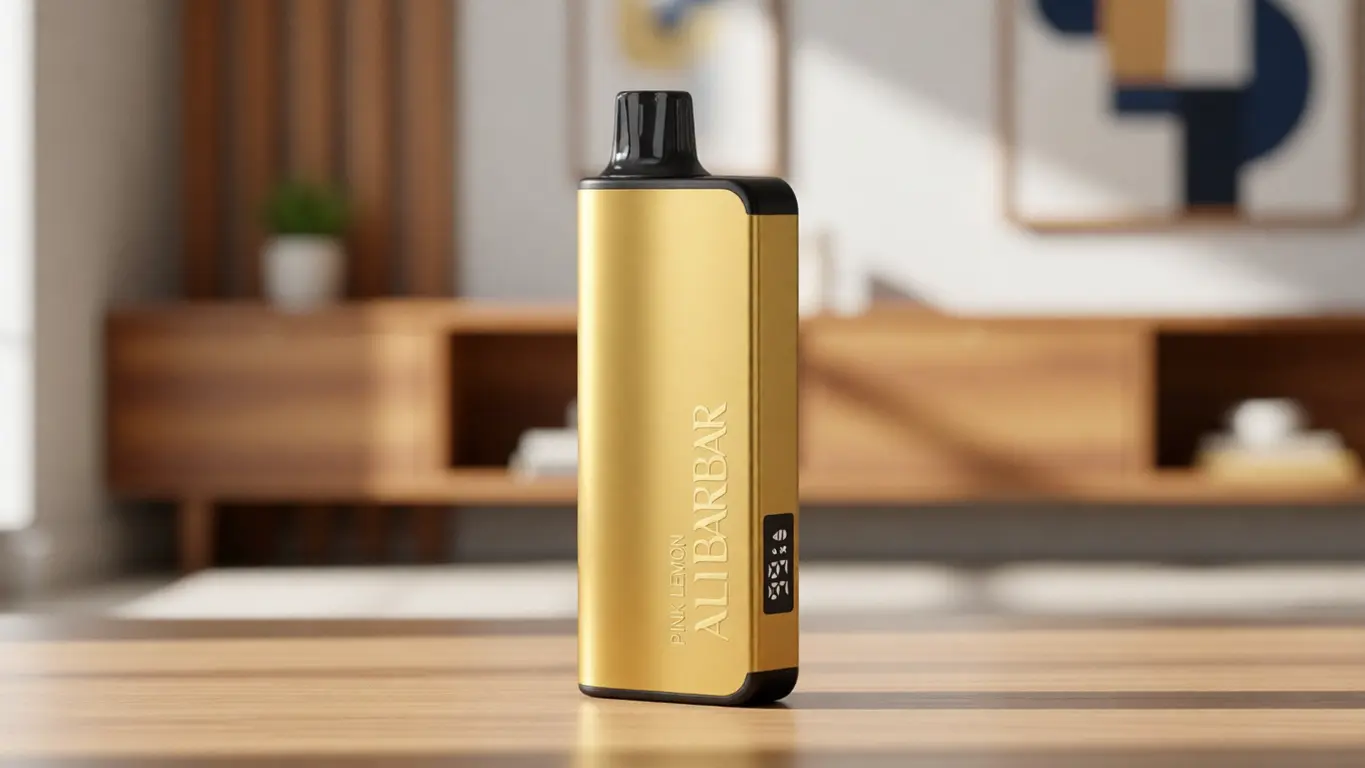
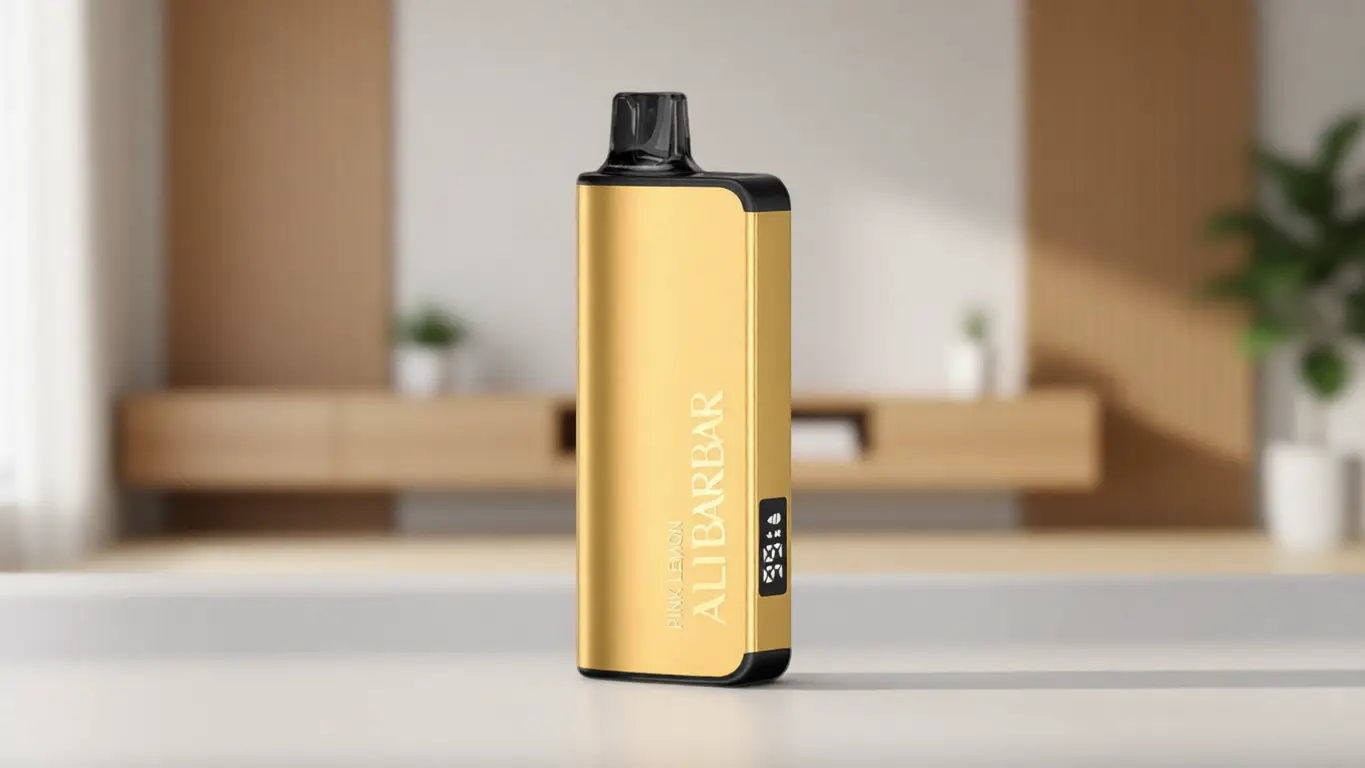
The engineering of a portable device plays a key role in its likelihood to trigger fire alarms. ALIBARBAR’s range, available through OZVAPE Shop, is built to balance user preferences with risk reduction. For example, the INGOT 9000 and INGOT 15000 series feature controlled, consistent power outputs that produce balanced vapor clouds—avoiding the dense, particle-heavy emissions that trigger sensitive ionization alarms. Their compact, discreet designs also make it easier for users to position themselves away from sensors and use devices in ventilated areas without drawing attention.
Trade-offs exist, of course: users who prefer larger vapor clouds may opt for higher-power mods, but these come with a greater risk of triggering alarms. It’s critical to align device choice with the environment in which it will be used.
Practical Guidelines to Minimize Alarm Triggers
To reduce the risk of false fire alarms, follow this structured evaluation and usage framework:
Identify alarm types: Check building documentation or consult management to know if you’re dealing with ionization, photoelectric, heat, or combination alarms.
Select the right device: For shared spaces with sensitive alarms, choose low-power, compact models like ALIBARBAR’s Ice Adjust 12000, which produces targeted, less dense vapor.
Prioritize ventilation: Use devices near open windows, exhaust fans, or in outdoor spaces whenever possible to disperse vapor quickly.
Maintain distance: Keep at least 3–5 meters between your device and any fire alarm sensor to reduce particle concentration near the unit.
Clean alarms regularly: If you vape in a private space with fire alarms, schedule monthly sensor cleaning to remove residue buildup that could lead to false triggers.
Common Misconceptions and Industry Observations
Myth: All portable devices trigger fire alarms. Reality: Risk varies widely based on device power, alarm type, and environment. Low-power disposables are far less likely to trigger alarms than high-end mods.
Myth: Nicotine-free e-liquids are safer for alarm avoidance. Reality: Vapor particle size and density depend on e-liquid VG content and device output, not nicotine presence. High-VG nicotine-free e-liquids can still trigger alarms.
Industry Observation: Fire alarm manufacturers do not test their products specifically for portable device vapor, so sensitivity levels are standardized for fire-related smoke. This means some alarms may react to vapor even when functioning as intended.
Industry Observation: Most false alarm reports involving portable devices stem from improper usage (e.g., using high-power mods in enclosed, unventilated spaces) rather than inherent device defects.
Frequently Asked Questions
Q: Can a single puff from a portable device trigger a fire alarm?
A: It depends on the alarm type, device power, and proximity. In most cases, a single puff from a low-power device won’t trigger an alarm in a ventilated space. High-power devices used close to ionization sensors may trigger an alert with one puff.
Q: Do disposable devices pose the same risk as reusable mods?
A: Disposables typically have lower power outputs than high-end mods, so they’re less likely to trigger alarms. However, thick vapor from high-VG e-liquids in disposables can still pose a risk in confined areas.
Q: How can I test if my device will trigger an alarm without causing a false alert?
A: Test in a controlled, unoccupied space with the same alarm type, or consult the device’s technical specifications for output levels to assess particle production.
Q: Are there fire alarms designed to ignore portable device vapor?
A: Some newer alarms have adjustable sensitivity settings, but no alarm is explicitly designed to ignore portable device vapor. Proper usage and ventilation remain the most reliable safeguards.
Q: Does vaping in a bathroom with a fan on prevent triggering alarms?
A: Yes, adequate ventilation helps disperse vapor quickly, reducing the concentration of particles near alarm sensors and minimizing the risk of triggers.
Q: Can vape residue build-up cause alarms to trigger over time?
A: Yes, prolonged vaping in a confined space can leave residue on alarm sensors, leading to false triggers or reduced sensitivity to actual fire threats. Regular cleaning is recommended.
Q: Do ALIBARBAR devices from OZVAPE Shop have features that reduce alarm triggers?
A: ALIBARBAR devices are engineered for controlled, consistent output, which minimizes the production of dense vapor that could trigger sensitive alarms. Their compact designs also support discreet use in ventilated areas.
Q: What should I do if my device accidentally triggers a fire alarm?
A: Notify relevant authorities immediately to avoid unnecessary emergency responses, explain the situation clearly, and follow any instructions provided by building management or emergency personnel.
Conclusion
The risk of a portable device triggering a fire alarm is not a simple yes/no answer—it depends on a combination of alarm type, device power, ventilation, and proximity. Informed users can minimize this risk by choosing devices aligned with their environment and following responsible usage practices. At OZVAPE Shop, we provide detailed technical specifications for all ALIBARBAR devices, along with safety guidance tailored to Australian users, helping them make decisions that balance their lifestyle needs with safety. Ultimately, the right choice is the one that fits your routine while respecting the shared spaces you occupy.