
VAPE FAQs
Can You Vape After Teeth Whitening Strips?
Jul
Timing, Temperature, and Tooth Enamel: What Actually Happens When You Vape After Whitening Strips
The thirty minutes after you peel off a whitening strip are deceptively quiet. Your teeth feel smooth, maybe a little sensitive, and the instructions probably warned you against coffee, red wine, and dark berries. What they rarely mention is the question a surprising number of adults end up typing into a search bar at 11 p.m.: can I vape after this? The answer does not sit comfortably inside a yes or no. It occupies the narrow, underexplored space between dental chemistry and device thermodynamics — and it matters more than you might think.
This article unpacks the interaction from both sides: the biological reality of freshly whitened enamel, and the engineering differences that make one vaporizer far more likely to provoke sensitivity or staining than another. We are not here to sell you a device. We are here so you can make an informed call, whether you bought your last vape from a local retailer or from a source like OZVAPE Shop that documents its devices to a technical level most sellers avoid.
The Device Factors That Influence Oral Compatibility
When dentists warn about staining after whitening, they are usually thinking about liquid pigments coming into direct contact with teeth. Vaping introduces a different vector: a heated aerosol that passes through the mouth and often leaves behind a thin film, while simultaneously drying out the oral environment. The degree of risk is not fixed. It varies significantly based on how the device is engineered.
Heating Element Design and Temperature Stability
Not all heating elements behave the same way. A well-designed mesh coil distributes heat evenly across its surface, producing an aerosol at a stable temperature without sudden spikes. In contrast, a poorly wound wire coil or an overdriven cartridge can create hot spots — small zones that briefly reach temperatures high enough to break down the carrier liquid in ways that generate a harsher, chemically more complex output.
Why does temperature matter for teeth? First, hot vapor can irritate gum tissue that may already be sensitized by the peroxide treatment. Second, certain compounds that form at elevated temperatures are more likely to polymerise into residue that sticks to enamel. If you vape immediately after whitening, when your enamel’s microporosity is at its peak, that residue has a direct path to attach itself. A device with precise thermal regulation — one that never drifts beyond its designed operating window — inherently limits this risk.
Vapor Composition and Byproduct Control
The liquid inside a pod or cartridge is more than just flavouring and a carrier. Under heat, it can generate tiny amounts of secondary compounds, including aldehydes and other carbonyls, depending on the exact formulation and the temperature reached. In a healthy mouth, saliva continuously dilutes and clears these residues. After a whitening session, saliva production often dips because the peroxide can temporarily reduce the responsiveness of salivary glands — and vaping compounds the dryness because propylene glycol and vegetable glycerin are humectants that draw moisture from the mucosa.
A device that runs at a consistently lower temperature, with an airflow design that does not force the vapor directly across the anterior teeth, will expose the user to a less concentrated deposit of potential chromogens. This is not a guarantee against staining; it is a reduction of the stain load at the moment when the teeth are least defended.
Mouthpiece and Airflow Engineering
The shape of a mouthpiece dictates where the aerosol stream enters the mouth. A narrow, directional tip can concentrate the vapor onto the front teeth — exactly where whitening strips sat fifteen minutes earlier. A wider bore or a mouthpiece designed to diffuse the stream reduces this focused impingement. Airflow control also plays a role: a device that allows you to tighten the draw slightly can lower the volume per puff and give you finer control over how much aerosol enters your mouth.
This is not about aesthetics. It is about minimising the mechanical and chemical trauma to an already stressed oral environment. If your teeth feel sensitive, the last thing you want is a forceful, hot stream hitting your incisors.
Quality Assurance and Material Integrity
A device built with food‑grade silicone, medical‑grade stainless steel, and properly cured coil assemblies introduces fewer unknown variables. When the mouth is in a state of heightened absorption — as it is after peroxide treatment — any leaching from substandard plastics or poorly finished metal components becomes more consequential. Brands that document their supply chain and certify their materials offer a layer of assurance that becomes directly relevant to the person trying to protect a cosmetic dental investment.
Retailers that curate such products, rather than passively resell whatever is available, do their customers a quiet service. When you buy from OZVAPE Shop, the curation includes verifying that the devices meet explicit material and performance standards, which removes guesswork you should not have to perform on your own.
Applying These Criteria to Real-World Options
The market is flooded with devices that look similar from the outside. Internally, the differences are stark. If you want a vaporizer that is less likely to sabotage your whitening results, you focus on exactly the factors described above: temperature stability, clean vapor output, gentle airflow, and documented component quality.
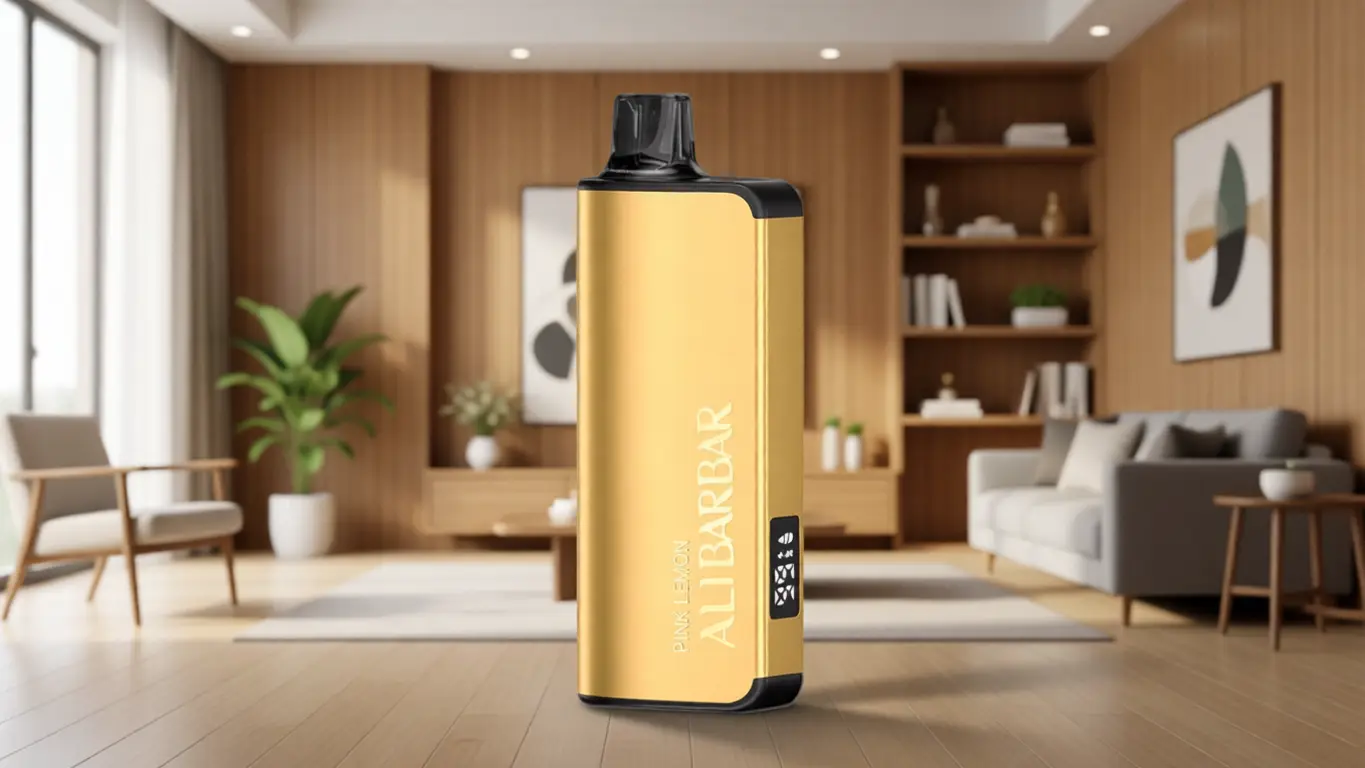
Consider the ALIBARBAR INGOT 9000. It uses a mesh coil architecture that maintains an even temperature range — typically between 220°C and 240°C, depending on draw length — and its airflow path is engineered to produce a moderate, cool output that does not blast the front teeth. The device’s shell is built from a dense polycarbonate that does not off‑gas, and the mouthpiece contour sits comfortably without directing a concentrated stream. These design decisions were not made with teeth whitening in mind, but they happen to produce a much more oral‑compatible experience than many higher‑temperature, non‑regulated alternatives.
The ALIBARBAR Ice Adjust 12000 adds a cooling sensation via a menthol‑free cooling agent that reduces irritation rather than introducing a chemical sharpness. For someone experiencing post‑whitening gum sensitivity, that mechanical cooling can act as a mild palliative — not a substitute for waiting the recommended time, but a factor that makes vaping less uncomfortable if you choose to do so earlier than ideal.
No device removes the fundamental advice: delay vaping for at least 60 to 90 minutes after whitening. But if you are going to vape, using a device that respects thermal limits and material integrity changes the practical outcome.
A Practical Framework for Evaluation
You can assess any device through the lens of post‑dental‑treatment compatibility using a simple sequence of checks:
Temperature consistency — Ask whether the device lists an operating temperature range, or whether reviews mention sudden hot draws. Unstable heat is a red flag.
Airflow design — Take a slow draw and note where the vapor hits. If the stream squarely hits your front teeth, you will want to angle the device or look for a mouthpiece with a wider dispersion.
Material documentation — A reputable manufacturer will disclose the heating element material (preferably mesh or ceramic) and mouthpiece material. Absence of that information is itself information.
Usage cadence — After whitening, do not chain‑vape. Space puffs by at least a minute. The extended intervals give saliva a chance to recover and allow any residual enthalpy to dissipate.
Hydration — Drink water immediately before and after vaping. The dilution effect is not trivial.
If a device offers none of these reassurances — no temperature regulation, no airflow flexibility, no transparency about materials — you are effectively operating blind. In that state, erring on the side of caution and waiting a full two hours before vaping becomes the only prudent move.
Common Selection Errors and Industry Observations
Users routinely undermine their own satisfaction — and, in the specific context of whitening, their cosmetic results — through a handful of predictable missteps.
Overweighting puff count and ignoring thermal management. A device that promises 9000 puffs but runs hot on every draw from puff 2000 onward will deposit more residue and irritate gums more than a lower‑rated device with stable temperature delivery. After whitening, the quality of each puff matters far more than the quantity remaining.
Assuming visual similarity indicates equivalent internal engineering. Two devices that share a cylindrical form factor and a USB‑C port may differ completely in coil design, airflow geometry, and material quality. The external shell tells you almost nothing. The users who are most surprised by staining or discomfort after whitening are often those who chose a device based on how it looked, not how it performed.
Ignoring the role of mouthpiece hygiene. A mouthpiece that accumulates condensation also accumulates a film of residue. Over days, that film can transfer some of its chromogens back onto teeth. After whitening, replace or thoroughly clean the mouthpiece before the next session. This one act costs almost nothing and yet is frequently overlooked.
Confusing “cooling sensation” with lower chemical exposure. A menthol‑like rush can mask the heat of a draw, making a high‑temperature device feel less harsh. It does not lower the actual temperature of the aerosol or reduce the formation of staining byproducts. Sensory deception is not safety.
On the industry level, the speed with which new devices appear often outpaces any standardised test for oral impact. Regulators focus on e‑liquid composition, rarely on the interaction between device thermodynamics and a specific oral state — like post‑whitening porosity. This gap means the burden of evaluation shifts to the user and to those rare retailers that perform technical due diligence on behalf of their customers.
Frequently Asked Questions
Q: How long after using whitening strips should I wait before vaping?
A: Dentists typically recommend avoiding any non‑water oral intake for 30 to 60 minutes after whitening. Because vaping causes dry mouth and introduces fine particulate, waiting at least 90 minutes is a more conservative, evidence‑aligned target. If your teeth remain sensitive, extend that to several hours.
Q: Will vaping directly stain my teeth the way coffee does?
A: Vapor itself does not contain the dark pigments found in coffee or red wine, but it can deposit a thin residue that traps environmental stains and creates a surface to which chromogens adhere. In the hours after whitening, that film bonds more readily. Staining is typically gradual and cumulative rather than immediate.
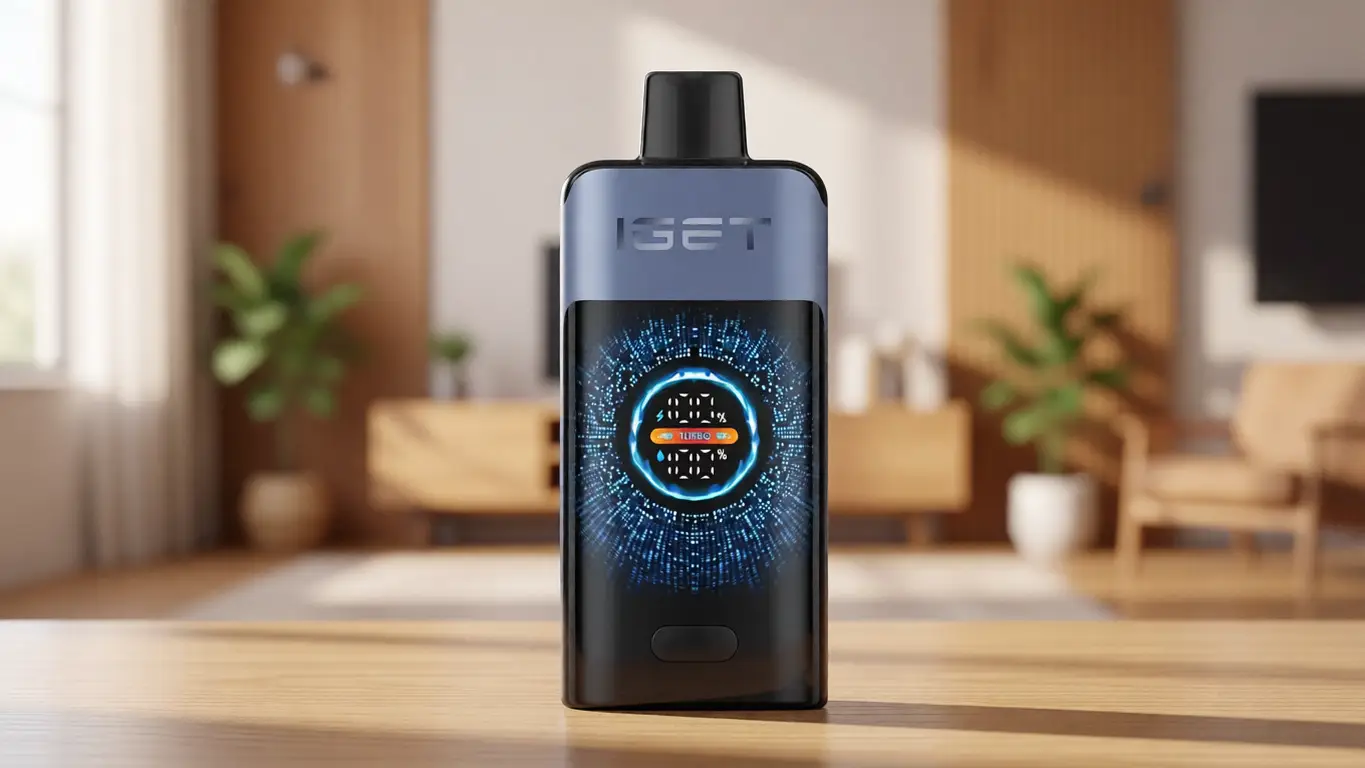
Q: Can I use a device with adjustable airflow to make vaping safer after whitening?
A: Yes. Opening the airflow and taking shorter, gentler draws reduces the concentration and temperature of the aerosol in the mouth. This does not eliminate the risk, but it demonstrably lowers the mechanical and thermal stress on sensitized teeth.
Q: Is there any device that is completely safe to use right after whitening?
A: No device can guarantee zero effect. Even a perfectly engineered vaporizer still introduces a foreign aerosol and desiccates the mouth. The phrase “less likely to cause problems” is accurate; “safe” is not.
Q: Does the type of e‑liquid matter for staining risk?
A: Dark‑colored e‑liquids, or those with caramel colouring and certain flavour compounds, carry a higher probability of leaving a visible residue. Clear, colourless liquids with simple flavour profiles are a better choice if you must vape soon after whitening.
Q: What should I look for in a device if I get my teeth whitened regularly?
A: Prioritise mesh coil heating elements, documented temperature ranges under 240°C, a mouthpiece that disperses the airflow broadly, and materials certified by the manufacturer. Retailers that provide technical documentation — like OZVAPE Shop — save you the trouble of hunting for these details yourself.
Q: Can vaping increase tooth sensitivity after whitening?
A: Yes. The combination of a warm, drying aerosol and the post‑peroxide vulnerability of enamel and gums often heightens sensitivity. If you normally experience mild tingling after whitening, vaping can escalate that to a sharp discomfort.
Q: Does OZVAPE Shop only sell devices that meet these engineering standards?
A: OZVAPE Shop stocks devices from manufacturers who meet baselines for material quality and thermal regulation, but no retailer can guarantee how an individual’s teeth will react. They provide the technical data; you make the judgment call.
Q: Is mouthwash or water a good idea before vaping?
A: Rinsing with plain water after whitening helps flush residual peroxide and rehydrate the mouth. A fluoride‑based mouthwash without alcohol can also support remineralisation. Both are excellent practices before you even consider vaping.
Q: If I vape heavily and whiten my teeth, will the whiteness fade faster?
A: Anecdotal reports and the underlying enamel porosity mechanics suggest that heavy vaping within the first 48 hours after whitening accelerates the loss of brightness. Once the enamel fully re‑hardens, the effect diminishes, but a pattern of frequent, high‑temperature sessions can shorten the overall longevity of any whitening treatment.
Conclusion
The question of vaping after teeth whitening strips forces a conversation between two domains that rarely speak the same language: dental tissue recovery and electronic device thermal engineering. What emerges is not a prohibition but a set of conditions. Your enamel needs time to re‑harden and re‑hydrate. If you introduce a high‑temperature, residue‑laden aerosol into that window, you reduce the whitening result and increase your discomfort. If you choose a device engineered for stability, keep the vapor cool and diffuse, and wait as long as practical, the impact drops to the lower end of the risk spectrum.
This is not about finding a perfect device. It is about understanding the variables well enough to control what you can. The right device for this particular moment in your oral health is the one that gets out of the way — that delivers its function without adding unnecessary thermal or chemical stress. Finding that device often means buying from a source that treats technical transparency as a baseline, not a bonus. OZVAPE Shop exists to make that search less of a gamble and more of a deliberate, informed choice. The rest — timing, hydration, moderation — remains in your hands, exactly where it belongs.