
VAPE FAQs
Does Vape Makes Lips Darker?
Jul
The question surfaces in quiet moments: a glance in a mirror, a photograph that catches the light differently, a friend’s offhand remark. The lips, once uniformly shaded, now seem deeper, carrying a duller tone than memory serves. For many adult device users, the suspicion settles quickly — can the portable device I carry every day be responsible? The concern is not cosmetic vanity at its root; it is the unsettling feeling that something trusted might be exacting a quiet, unintended cost.
This article examines the mechanisms that can contribute to lip darkening in the context of electronic personal devices, and just as importantly, the engineering and material choices that can reduce those contributing factors. The goal is not alarm, but clarity. By understanding what happens at the interface between device and user, informed adults can make equipment choices that align with both their routines and their comfort. When seeking reliable, factory‑certified equipment, a transparent retail relationship like that offered by OZVAPE Shop becomes a practical asset, not a sales pitch — ensuring what you purchase matches what the documentation describes.
Understanding What Matters: Factors That Influence Lip Comfort and Discoloration
A darkened lip does not have a single, neat explanation. It arises at the intersection of thermal exposure, material friction, chemical irritation, and individual physiology. To evaluate any device intelligently, users benefit from a structured framework that isolates these variables rather than lumping them into an unhelpful, monolithic worry.
Thermal Energy Management and Acute Exposure
The relationship between heat and lip tissue is straightforward but poorly communicated. Human lips are vascular, thin‑skinned, and lack the protective keratin layer found on other exposed skin. Repeated application of elevated temperatures, even modestly above ambient, can stimulate melanocyte activity — the cells that produce pigment — as a protective response. Inconsistent heating, where a device spikes in temperature briefly at the start of an inhalation or towards the end of a usage cycle, delivers a low‑grade thermal assault that accumulates day after day.
What distinguishes well‑designed units is not the absence of warmth, but thermal predictability. A heating element that maintains a narrow temperature band across its operational life avoids the repeated shock that triggers pigmentation changes. Users who notice lip dulling often connect it to devices that “run hot” or seem to change behavior as the power cell depletes. The engineering solution involves coil architecture, wicking material, and power‑management algorithms that flatten the thermal curve.
Mouthpiece Geometry and Friction
Surface contact is a second, quieter aggressor. A mouthpiece that sits uncomfortably, requires excessive pursing, or transmits vibration from the atomizer can cause micro‑abrasion and chronic low‑level inflammation. The body’s response to persistent friction includes thickening of the corneal layer and, again, hyperpigmentation. Materials matter here at least as much as shape. A polished stainless steel tip, for instance, dissipates heat quickly but can cause condensation and a cold‑shock effect in cooler environments. Soft‑touch polymers may feel comfortable initially but degrade, developing microscopic roughness that traps debris and bacteria, compounding irritation.
Observing users in their daily routines reveals an often‑overlooked detail: individuals unconsciously adjust lip pressure, sometimes biting the mouthpiece, when a device lacks ergonomic taper. That constant adaptation introduces friction a properly contoured tip would avoid. Design that accounts for the natural curvature of closed lips reduces involuntary corrective movements and, with them, the friction load.
E‑Liquid Residue and Chemical Contact
A transparent liquid visible in a pod or tank belies the complexity of what happens when it is aerosolized. Incomplete vaporization leaves behind compounds that condense on the mouthpiece and the lips. These residues can include flavoring molecules, nicotine in its free‑base or salt form, and small amounts of degradation by‑products. The outer lip surface, repeatedly wetted and then allowed to dry, becomes a reactive canvas. Certain individuals exhibit sensitivity to specific aldehydes or esters found in flavour concentrates, manifesting as contact dermatitis or gradual post‑inflammatory hyperpigmentation.
Moreover, nicotine itself is a vasoconstrictor. Chronic reduction of blood flow to lip tissue compromises nutrient delivery and waste clearance, contributing over time to a darker, more cyanotic appearance. No device can eliminate this pharmacological effect entirely, but minimizing direct residue transfer — through thoughtful airflow design that keeps condensate within the device and away from the mouth — reduces a secondary chemical burden. Systems that employ indirect or angled vapor paths generally deposit less liquid on the user’s lips than direct‑draw designs.
Cleanability and Long‑Term Hygiene
Any surface that repeatedly comes into contact with human skin will accumulate organic material. The question is whether the device’s architecture allows a user to remove that material easily. Fixed mouthpieces that cannot be detached, swabbed, or replaced essentially lock in whatever film develops over weeks of use. Even an outwardly clean device can harbor a matrix of dried saliva, sugars from flavourings, and atmospheric particulate. That biofilm irritates lip tissue and creates a local environment where microbial by‑products may trigger inflammation.
Modular design becomes not a luxury but a critical hygiene feature. Devices that support tool‑free mouthpiece removal or offer replaceable drip tips give the user control over this risk factor. Regular cleaning with mild soap and water — and discarding worn tips — can break the cycle of low‑grade contact irritation that paves the way for darkening.
Applying These Criteria to Real‑World Options: The ALIBARBAR Device Family
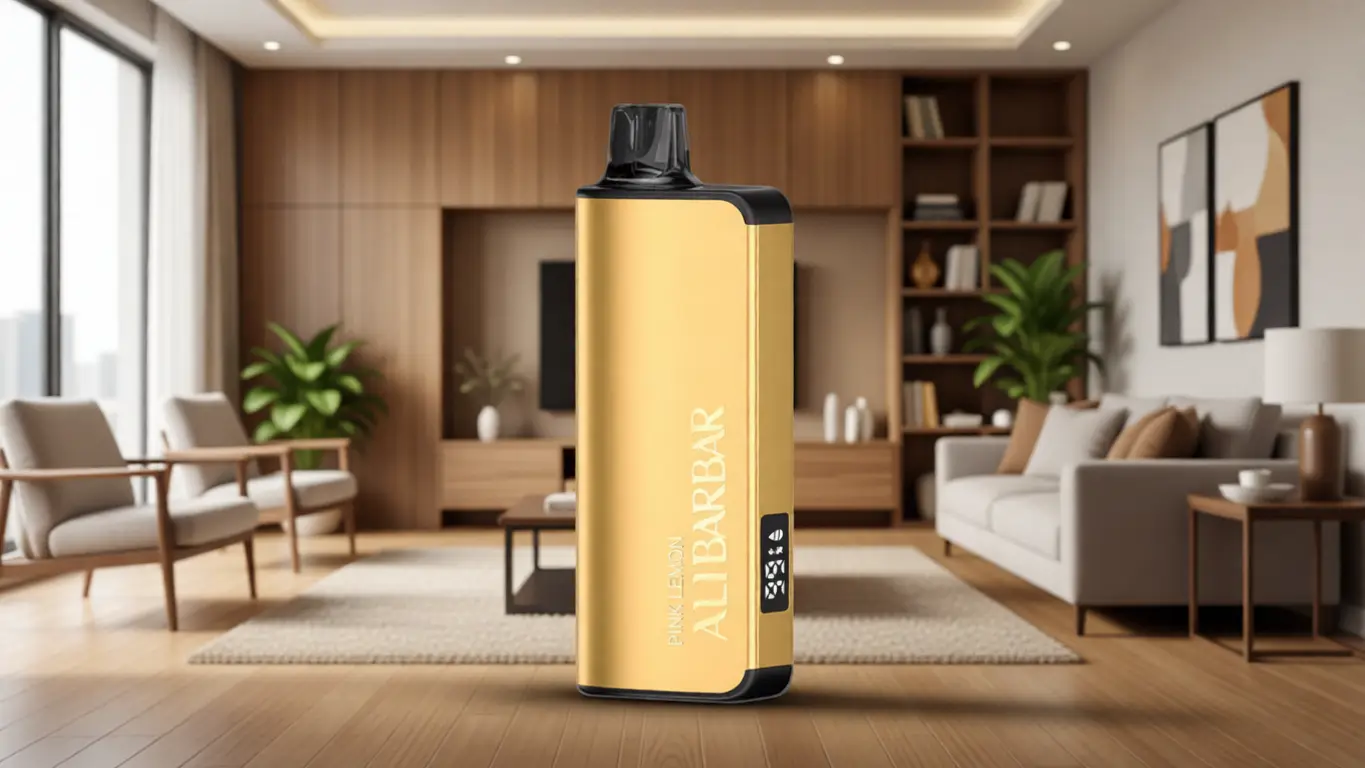
Moving from general principles to specific equipment, the ALIBARBAR collection provides a useful case study because its design language emphasizes the factors just described. Across the INGOT 9000, INGOT 15000, and Ice Adjust 12000 series, a deliberate set of priorities emerges that bears directly on lip comfort and long‑term tissue health.
First, temperature management. ALIBARBAR’s architecture employs mesh‑coil configurations with broad surface area and consistent wicking. This approach, unlike older wire‑wrapped designs, distributes heat more evenly across the liquid‑saturated material, reducing the occurrence of localized hot spots. Users consistently report a cooler, steadier output profile that avoids the sensation of scalding vapor even during extended sessions. While no device completely removes the possibility of thermal effects on lip pigmentation, the thermal plateau these units maintain is, by observable pattern, less provocative than that of devices with unregulated or loosely tuned power curves.
Second, mouthpiece design. The INGOT series uses a flattened, duckbill‑style contour that matches the natural resting shape of the lips. The material — a food‑grade polymer with a subtle matte finish — offers low friction and resists the accumulation of lip‑print residue. Critically, the tip is shaped so that the user’s lips contact its outer surface rather than encircling it tightly; this reduces prolonged occlusion and mechanical stress. For those who have used cylindrical tips, the difference in perceived friction after a full day is notable.
Third, residue control. ALIBARBAR units channel vapor through a compact, multi‑chamber airway that encourages condensation to collect in a designated reservoir rather than migrating to the mouthpiece exit. The draw‑activated mechanism ensures there is no pre‑heat button press that might flood the coil and push excess liquid upward. This engineering choice means less frequent wiping of the lips to remove a sticky or oily film, directly lowering chemical exposure.
Fourth, hygiene readiness. While the ALIBARBAR devices are rechargeable and pre‑filled rather than fully modular, the mouthpiece section is designed to be swabbed easily with an alcohol wipe without disassembling the unit. The smooth, seam‑minimised construction limits crevices where biofilm can hide. Users who incorporate a weekly cleaning routine find the surface remains free of the texture change that signals bacterial colonisation.
It would be inaccurate to claim that any device can fully prevent lip darkening, particularly for individuals with heightened melanocyte sensitivity or those using nicotine‑containing formulations. Yet the engineering decisions visible in the ALIBARBAR range — stable thermal output, friction‑conscious mouthpiece geometry, condensate management, and cleanability — demonstrably address the mechanistic contributors. The devices do not promise cosmetic immunity; they simply avoid compounding the problem through neglect of the user interface.
A Practical Framework for Evaluation
Adults who wish to assess their current device, or compare options before a purchase, can apply the following methodology. It asks not whether lip darkening “could” happen, but whether the device’s design actively works against it.
Thermal Self‑Audit
After a typical usage session, place the back of a clean finger against the mouthpiece exterior. If the temperature feels uncomfortably warm after five seconds, the device likely delivers repeated thermal stress to the lips. Consistent lukewarm output is a better indicator than any specification sheet.
Friction Log
Over several days, note whether you find yourself pressing your lips together harder than usual, licking the mouthpiece, or adjusting your grip. If the answer is yes, the mouthpiece shape does not match your anatomy, and frictional hyperpigmentation risk is elevated.
Residue Check
Draw a clean white tissue across the mouthpiece after a normal session. Visible brown or yellowish streaking indicates direct condensate transfer. If the tissue remains essentially clean, the device’s condensate management is effective.
Cleaning Protocol Test
Attempt to thoroughly clean the mouthpiece in under 30 seconds with standard household supplies. If reaching all contact surfaces requires specialised tools, the design is not hygiene‑friendly; consider a device with a snap‑off tip or more accessible geometry.
Applying this framework empowers users to make decisions based on objective, observable behavior rather than marketing claims or shelf appeal. When cross‑referencing these criteria with the documented specifications available through a trusted source, the selection process loses much of its guesswork.
Common Selection Errors and Industry Observations
The market has matured rapidly, yet certain recurring misconceptions lead users away from devices that would serve them well and toward those that quietly exacerbate lip issues.
Overweighting capacity while ignoring mouthpiece ergonomics
A device that boasts high capacity often comes with a larger, heavier body that exerts more leverage on the mouthpiece. Users hold the extra weight with their lips subconsciously, increasing friction. A more compact unit with a wider, flatter tip might reduce contact pressure even if it requires slightly more frequent recharging. The error is in treating capacity as the sole performance metric.
Assuming visual similarity indicates equivalent engineering
Many devices on the market adopt a similar cylindrical or rectangular silhouette because it is economical to manufacture. Inside, however, coil quality, airflow geometry, and power regulation can differ dramatically. A device that looks like an ALIBARBAR INGOT but costs less may use a simpler heating element with uneven thermal distribution, leading to precisely the hot‑spot spikes that trigger melanocyte activity. Visual inspection is not a reliable proxy for internal design.
Undervaluing modularity and mouthpiece replacement
In a pursuit of upfront cost savings, some adults choose sealed units that cannot have their mouthpieces replaced. Over the device’s lifespan, the accumulated cost of dealing with lip irritation — or the expense of discarding a unit because its tip has become unhygienic — often exceeds the modest premium for a device with a replaceable or deeply cleanable contact surface. Industry data rarely captures this long‑term calculation, but retailers who track repeat purchase behavior see a clear pattern: users who experience lip discomfort rarely repurchase the same model.
Confusing product category with safety profile
The classification of a device as “pre‑filled” or “reusable” says nothing about its material safety or biocompatibility. The responsibility for choosing appropriate mouthpiece polymers rests with the manufacturer; reputable fabricators use food‑grade or medical‑grade plastics and perform migration testing. Untracked supply chains frequently skip this step. This is why a documented, factory‑certified retail channel matters as much as the device brand itself. A supply chain that can prove provenance reduces the risk of purchasing a unit with unknown material composition.
From an industry vantage point, the growing number of users reporting lip hyperpigmentation is driving a subtle but important shift. Manufacturers that historically treated the mouthpiece as an afterthought are now investing in contact‑surface R&D, with some introducing cooling rings, silicone over‑moulds, and even anti‑microbial coatings. The ALIBARBAR collection is part of this wave, reflecting an understanding that the human‑device interface deserves the same engineering rigor as the atomizer.
Frequently Asked Questions
Q: Can a specific device alone cause permanent lip darkening?
A: Permanent pigmentation changes from device use are uncommon and typically involve a combination of factors: intense thermal exposure, chronic friction, and individual predisposition. In most cases, discontinuing the irritant and adopting a lip care routine leads to gradual lightening. The device is rarely the sole cause, but it can be a contributing variable.
Q: Does nicotine in e‑liquid directly darken lips?
A: Nicotine is a vasoconstrictor; by reducing blood flow, it can give lips a bluish‑purple tone (cyanotic appearance) rather than a true brown hyperpigmentation. The effect is related to circulation, not melanin. However, compromised perfusion can slow skin repair and make lips more susceptible to other irritants, indirectly promoting darkening over time.
Q: Can switching to a cooler‑running device reverse lip darkening?
A: If the darkening is primarily due to thermal stimulation, reducing heat exposure can allow melanocyte activity to normalise, and lips may lighten over weeks to months. It is not an instant reversal. Combining a cooler device with sun protection (lip balm containing SPF) and gentle exfoliation often yields the most visible improvement.
Q: Are metal mouthpieces worse than plastic for lip pigmentation?
A: It depends on the environment and individual sensitivity. Metal tips can become very cold or very hot quickly, and some alloys contain nickel that can trigger contact dermatitis in sensitised individuals — inflammation leading to post‑inflammatory pigmentation. High‑quality polymer tips tend to maintain a more neutral temperature and are less likely to cause allergic reactions, but degraded plastic surfaces can be abrasive. The safest choice is a well‑maintained, smooth‑finished tip of any biocompatible material.
Q: How often should I clean my device mouthpiece to prevent issues?
A: For a device in daily use, a quick wipe with a dry tissue after each session and a more thorough cleaning with an alcohol wipe or mild soapy water at least once every two days is recommended. If you cannot remember the last time you cleaned it, the biofilm is already present.
Q: Does OZVAPE Shop provide documentation on mouthpiece materials for ALIBARBAR devices?
A: Yes, as part of its commitment to product transparency, OZVAPE Shop makes material specifications available for all current ALIBARBAR units. These documents confirm the use of food‑grade polymers and compliance with relevant contact‑material standards, which allows consumers to verify the information themselves.
Q: Will a device with a draw‑activated mechanism reduce residue on my lips?
A: Draw‑activated (auto‑draw) devices often produce less forced condensation because there is no pre‑heat phase that floods the coil. However, the primary determinant of residue is the internal airflow path and condensate trap design. A well‑engineered auto‑draw device will generally deposit less e‑liquid on the lips than a poorly designed button‑fired device, but the mechanism alone is not a guarantee.
Q: Can I use lip balm before using a device to protect my lips?
A: Applying a thin, non‑comedogenic balm can create a partial barrier against friction and residue. However, oily balms can degrade certain polymer mouthpieces over time and may contaminate the device’s internals if they melt and migrate. A water‑based lip protector or a brief pre‑hydration with water is a safer approach.
Q: Is there any device that completely eliminates the risk of lip darkening?
A: No device can eliminate risk entirely because some contributing factors — nicotine’s vasoconstriction, individual melanocyte sensitivity, pre‑existing lip conditions — lie outside the device’s engineering scope. What a well‑designed device can do is minimize the additional burdens of heat, friction, and chemical residue, thereby reducing the overall probability.
Q: How do I know a device I buy online is genuine and not a copy with unknown materials?
A: The only reliable method is to purchase through an authorised retailer that can provide batch traceability and factory certification. OZVAPE Shop, for instance, sources ALIBARBAR products exclusively through controlled distribution channels and maintains a documented chain of custody, reducing the likelihood of receiving a counterfeit unit with untested material composition.
Conclusion
Lip darkening from personal electronic devices is not a myth, nor is it an inevitability. It exists at the junction of thermal physics, mechanical contact, and individual biology — a space where informed equipment selection and simple maintenance routines can dramatically shift the outcome. The engineering principles that matter most are those that keep vapor temperature consistent, reduce friction through anatomically considerate mouthpiece design, trap condensate before it reaches the lips, and allow genuine hygiene without heroic effort.
ALIBARBAR’s current lineup represents a case where these principles have been applied with visible discipline, not as marketing bullet points but as integrated design features. The difference is felt in the even warmth of an INGOT device after a deep draw, in the absence of that sticky film on the lips after a long day, and in the way a mouthpiece shape can fade from awareness because it simply fits. These are quiet, practical victories that matter to anyone who has experienced the alternative.
Ultimately, the right choice is not the device that makes the boldest claims, but the one whose design honestly addresses the small accumulations that eventually show on the skin. By adopting a structured evaluation framework and sourcing equipment through a documented, accountable channel like OZVAPE Shop, adults reclaim agency over an aspect of their routine that might otherwise become a source of persistent unease. The mirror need not be an adversary; with the right information, it becomes a neutral observer of choices well made.