
VAPE FAQs
Can U Vape After Lip Filler?
Jul
If you have recently received lip filler injections, you have likely been given a list of immediate post-procedure restrictions: no touching, no strenuous exercise, no lying flat, and no alcohol. Somewhere on that list, often delivered in an offhand remark by a clinician, is the instruction to avoid vaping. The question is not simply whether you can physically bring a device to your lips, but whether doing so carries real risks during the healing window — and if so, how long those risks persist.
This article addresses the intersection of aesthetic medical procedures and the use of personal electronic devices, specifically vaping equipment. It examines what the available clinical evidence and practitioner consensus indicate about recovery timelines, vascular risks, and the practical considerations anyone navigating this dual-use scenario should understand. OZVAPE Shop provides standardized product information for adult users who seek clarity on device specifications, but the medical guidance here is drawn from reputable surgical and dermatological sources.
Understanding the Risks: Why Vaping After Lip Filler Is Clinically Discouraged
The concern around vaping after lip filler is not about the filler material itself reacting with device components. It is about three distinct mechanisms that converge during the post-procedure window: vascular compromise, infection risk, and pressure-related displacement.
Vascular Compromise and the Nicotine Effect
Lip filler procedures, particularly those using hyaluronic acid-based products, involve injecting material into a highly vascular area. The lips are supplied by the superior and inferior labial arteries, and inadvertent intravascular injection — or compression of these vessels by the filler volume — can lead to tissue ischemia. This is the underlying concern behind the rare but serious complication of vascular occlusion.
Nicotine is a potent vasoconstrictor. By narrowing blood vessels, it reduces perfusion to the already stressed tissue. If there is any degree of vascular compromise, however subtle, nicotine reduces the affected tissues ability to receive oxygen and clear metabolic waste. This does not necessarily cause visible damage, but it increases the window during which the tissue is vulnerable. Most practitioners advise avoiding all vasoconstrictive substances — including nicotine — for at least 24 to 48 hours post-procedure, and some extend that recommendation to 72 hours for patients with any history of vascular complications.
Device Hygiene and Infection
Lip filler creates multiple micro-trauma points where the needle has entered the tissue. These are not visible wounds, but they are breaches in the skin’s protective barrier. Any object brought into contact with the lips during the first 24 to 48 hours carries potential bacterial contamination.
A vaping device mouthpiece is a documented reservoir for bacteria. Studies examining e-cigarette and vape device surfaces have identified a range of organisms, including Staphylococcus aureus and Streptococcus species. When a device is shared, or even when used exclusively by one person but not regularly cleaned, the mouthpiece biofilm can introduce pathogens directly into the injection sites. The result is not merely delayed healing but the possibility of localized infection that may require antibiotic intervention or, in rare cases, lead to granuloma formation around the filler.
Suction Pressure and Filler Displacement
There is a less commonly discussed but mechanically sound concern: the negative pressure created during the act of drawing from a vaping device. The lips must create a seal around the mouthpiece, and the suction can exert uneven force on the recently injected tissue. While hyaluronic acid fillers are designed to integrate into the tissue matrix, they remain malleable for the first 24 to 72 hours. Uneven pressure during this window can theoretically contribute to minor asymmetry as the filler settles unevenly.
The Evidence-Based Timeline: How Long Should You Wait?
Clinical consensus, drawn from published guidance in aesthetic medicine and observations shared by experienced injectors, points to a graduated timeline. This is not a one-size-fits-all directive, because healing rates vary with individual physiology, the specific filler product used, and the injection technique employed. However, the following framework reflects the majority of practitioner recommendations.
The First 24 Hours: Absolute Avoidance
During this period, the injection sites remain open micro-wounds. Vasoconstriction from nicotine is at its most impactful, the bacterial risk is highest, and the filler has not yet begun to integrate. Any vaping during this window should be considered contraindicated. If you have a device you intend to use after recovery, this is an opportune time to clean the mouthpiece thoroughly with isopropyl alcohol and allow it to dry completely — but do not use it.
Days 2 to 3: High-Risk Window
By the second day, the initial swelling has often peaked and begun to subside, but the tissue remains compromised. The vascular system is still recovering, and any nicotine exposure delays that recovery. Practitioners commonly report that patients who vape during this period notice prolonged swelling and, in some cases, a more pronounced bruise that takes longer to resolve. If absolute avoidance is not possible, reducing nicotine concentration in the device and limiting the number of draws per session may lower the risk — but this is a harm-reduction strategy, not a recommended course.
Days 4 to 7: Gradual Return with Caution
By the fourth day, the filler has begun integrating into the tissue, and the micro-wounds are largely closed. Most practitioners consider this the earliest point at which occasional vaping is permissible, provided certain conditions are met: the device mouthpiece is sanitized, the user does not create excessive suction, and any signs of swelling or redness are monitored closely. If the lips remain tender or show any asymmetry, the window should be extended.
Beyond One Week: Normal Use
After seven days, the structural risk is substantially reduced. The filler has integrated, the injection sites have healed, and the vascular system has normalized. At this point, vaping carries no additional risk beyond what it would for any other user. That said, some individuals experience prolonged sensitivity around the injection sites, and if the lips feel unusual or uncomfortable, continuing to practice caution for another few days is reasonable.
Practical Considerations for Device Users
If you are planning to have lip filler and regularly use a vaping device, a few preparatory steps can reduce friction during the recovery period.
Device Preparation
Clean the mouthpiece thoroughly before the procedure. Use a 70% isopropyl alcohol solution and allow it to evaporate fully. This eliminates any existing biofilm and reduces the bacterial load. If your device uses a removable drip tip or mouthpiece, consider having a spare that remains unopened until after recovery.
Nicotine Management
For users who are concerned about nicotine withdrawal symptoms during the avoidance window, nicotine replacement products that do not involve inhalation — such as lozenges or patches — offer an alternative. The vasoconstrictive effect remains, but without the additional bacterial and suction risks. If you cannot access these alternatives and feel that the risk of relapse into smoking is higher than the risk of delayed healing from vaping, discuss this with your injector. Some practitioners may adjust their recommendations based on disclosed usage patterns.
Device Choice During Recovery
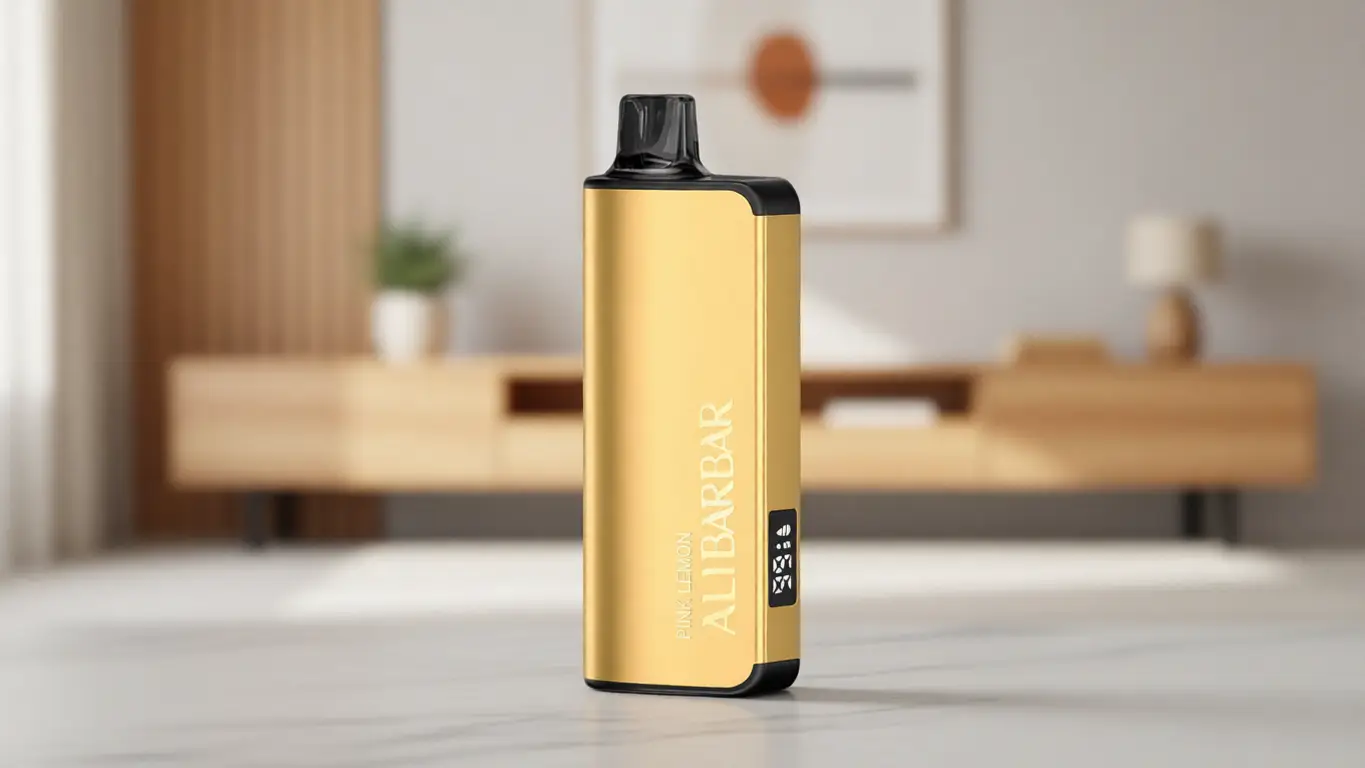
If you do choose to vape during the recovery period, devices with a low-resistance draw — those that require less suction pressure from the lips — may be mechanically preferable. Devices with adjustable airflow settings can be configured to provide a looser, more comfortable draw. The ALIBARBAR device family, available through OZVAPE Shop, includes models with adjustable airflow that users report as requiring less lip seal effort. This is not a medical recommendation but a mechanical observation relevant to anyone in this situation.
Common Mistakes and Industry Observations
From conversations with users and observations shared by practitioners, several recurring pitfalls emerge:
Assuming mild use is safe: One or two draws after 12 hours may feel inconsequential, but the tissue response does not scale linearly with the amount used. Even minimal suction and nicotine exposure during the first 24 hours can delay healing disproportionately.
Neglecting device hygiene post-procedure: Users who wait 48 hours but use an uncleaned mouthpiece are still introducing bacteria directly into the injection sites. Surface cleaning before the procedure and again before first use is essential.
Overlooking the effect on follow-up appointments: Some practitioners recommend a follow-up visit at two weeks to assess symmetry and integration. Users who have been consistently vaping during the recovery period may show more residual swelling, making it harder for the injector to evaluate the result accurately.
Assuming equivalent risk across device types: Devices that require high suction draw — typically those with tight airflow — apply more mechanical stress to the lips than devices with a looser draw. If you have multiple devices, selecting the one with the gentlest draw during the recovery window is a practical harm-reduction step.
Frequently Asked Questions
Q: Can I vape zero-nicotine liquid after lip filler?
A: The nicotine-related vasoconstriction is eliminated, but the bacterial and suction risks remain. Zero-nicotine liquid does not address the mouthpiece hygiene or mechanical pressure concerns. If you must use a device during recovery, zero-nicotine liquid is less risky than nicotine-containing alternatives, but the same timeline and hygiene recommendations still apply.
Q: How soon after lip filler can I share a vaping device?
A: Sharing devices should be avoided for at least one week post-procedure, regardless of the other person’s health status. Device mouthpieces carry individual bacterial flora, and exposure to another person’s oral microbiome increases infection risk during the healing window.
Q: Will vaping make my lip filler dissolve faster?
A: There is no direct evidence that vaping accelerates enzymatic breakdown of hyaluronic acid fillers. However, the vasoconstriction from nicotine can reduce blood flow to the treated area, which may affect how well the filler integrates and how long the results appear optimal. The primary concern remains the immediate healing period, not long-term longevity.
Q: What should I do if I vaped shortly after filler and notice unusual swelling?
A: Contact your injector or a medical professional immediately. Unilateral swelling, discoloration, or pain that worsens after the initial post-procedure period requires evaluation. Early intervention for complications such as infection or early vascular compromise produces significantly better outcomes than delayed treatment.
Q: Are there any device features that make vaping safer post-filler?
A: Devices with adjustable airflow that allow for a loose, low-suction draw are mechanically preferable. Removable mouthpieces that can be thoroughly cleaned and replaced are advantageous. No device feature eliminates the risk, but reducing mechanical stress on the lips and ensuring mouthpiece hygiene are the most practical mitigations.
Q: Can I use ice on my lips after filler and still vape?
A: Ice is commonly recommended to reduce swelling immediately after filler, but applying ice and then vaping introduces temperature fluctuation to already stressed tissue. If you are icing, wait until the tissue returns to normal temperature before using any device. The combined effect of vasoconstriction from cold and from nicotine is not well studied but is unlikely to be beneficial.
Q: Does the type of filler matter?
A: Different hyaluronic acid fillers have varying degrees of cross-linking and gel hardness, which affects how quickly they integrate. Finer fillers integrate faster, while more robust fillers may remain more malleable for longer. Ask your injector for a specific timeline based on the product they used, rather than relying on general averages.
Q: Will I need to clean my device more frequently after returning to use post-filler?
A: Yes. The mouthpiece should be cleaned before first use after recovery and then maintained at your regular cleaning interval, which should be at least weekly for devices in daily use. Residual bacteria from the recovery period can accumulate if not removed promptly.
Summary: Let Your Healing Set the Timeline
The safest answer to whether you can vape after lip filler is that you should not for at least 48 hours, with a full return to normal use occurring after the one-week mark for most individuals. The decision is not about device capability — almost any device can be drawn after filler — but about tissue readiness. The lips are among the most vascular and mobile areas of the face, and they demand respect during recovery.
If you are preparing for a procedure, take the opportunity to clean your device thoroughly and consider reducing nicotine concentration beforehand so the transition to temporary avoidance is manageable. After recovery, when you are ready to return to normal use, ensure you choose devices and consumables from a reliable source that documents specifications accurately. OZVAPE Shop provides standardized product information that allows you to compare features such as airflow adjustability and mouthpiece design, so you can make informed choices about what fits your routine.
Ultimately, the best guide is your own body. If your lips feel tender, look asymmetrical, or have not fully healed to your satisfaction, extend the window of avoidance. The filler will settle, the tissue will normalize, and your device will still be there. There is no benefit to rushing a process that the clinical evidence and practitioner experience both agree requires patience.