
VAPE FAQs
Do Vape Smells Linger?
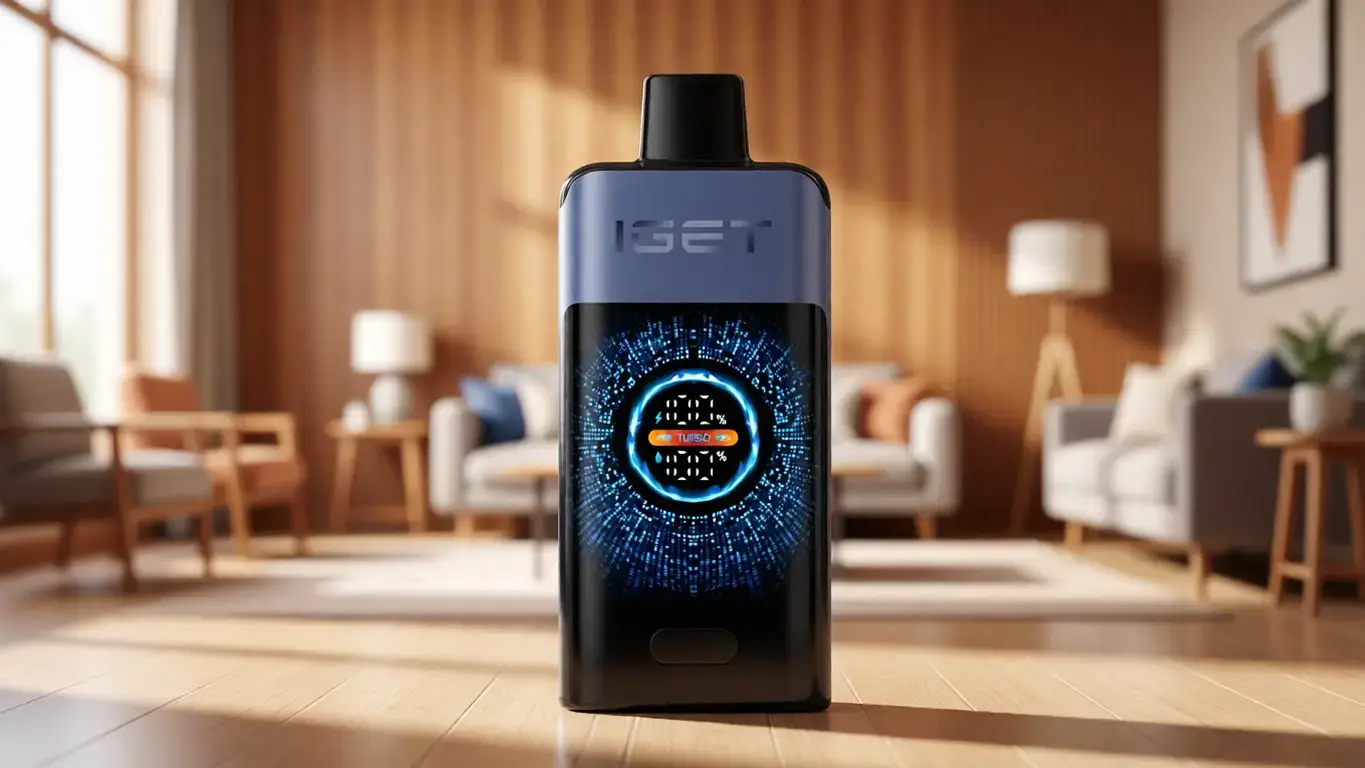
May
A vapour cloud dissipates in seconds, but the faint scent lingers on a jacket collar for an hour. A quick draw in a closed car may be forgotten by the driver, yet the next passenger notices something sweet and unfamiliar. These everyday moments reveal the question at the heart of personal electronic device use: not whether the device produces a smell — because they all do — but why some traces vanish while others stubbornly remain. The answer is not a simple yes or no. It is a story of aerosol physics, device engineering, and the quiet choices users make without realising their weight.
At OZVAPE Shop, we routinely encounter adult users who select a device based on one factor — flavour intensity, battery life, or pocketability — only to discover that the lingering aroma in their living space or vehicle becomes a point of tension. This article is not a product endorsement. It is a technical exploration of what creates persistent smells, how device architecture and usage pattern influence that persistence, and how to evaluate the options available in Australia today with clear eyes.
The Factors That Govern Odor Lingering
To understand why a scent stays in the air or clings to fabric, we need to look past surface-level claims and examine the physical and engineering realities at play. The following factors are not marketing points; they are the mechanisms that determine whether a device leaves a faint memory or an unwelcome reminder.
Aerosol Composition and Volatility
The liquid that becomes vapour inside a device is a mixture of propylene glycol, vegetable glycerin, and concentrated flavour compounds suspended in a carrier. Propylene glycol is relatively volatile, meaning it transitions from liquid to gas readily and disperses quickly. Vegetable glycerin is denser and less volatile; it produces the visible cloud and tends to form larger aerosol droplets that settle on surfaces rather than evaporate. Flavourings — especially those built around organic esters, vanillin, or creamy notes — can have very low vapour pressure. A droplet of vanilla-adjacent flavouring may remain intact on a curtain for hours, slowly releasing its scent into the room long after the visible cloud has gone.
What this means for lingering: a high‑VG liquid, combined with a complex dessert flavour profile, will create heavier, sticker particles than a simpler high‑PG, fruit‑forward formulation. Device design that encourages high‑VG use (commonly sub‑ohm, high‑power configurations) therefore carries an inherent odour liability.
Temperature and Output Consistency
The heating element inside any device is not just a source of warmth; it is a precision tool that governs aerosol particle size distribution. When a coil consistently maintains its target temperature across the entire draw, the aerosol produced is uniform, with a higher proportion of fine particles that remain airborne briefly and then dilute. If the element overshoots or cools unevenly, the output becomes a mix of fine and coarse droplets — and the coarse droplets are what settle on upholstery, skin, and hair.
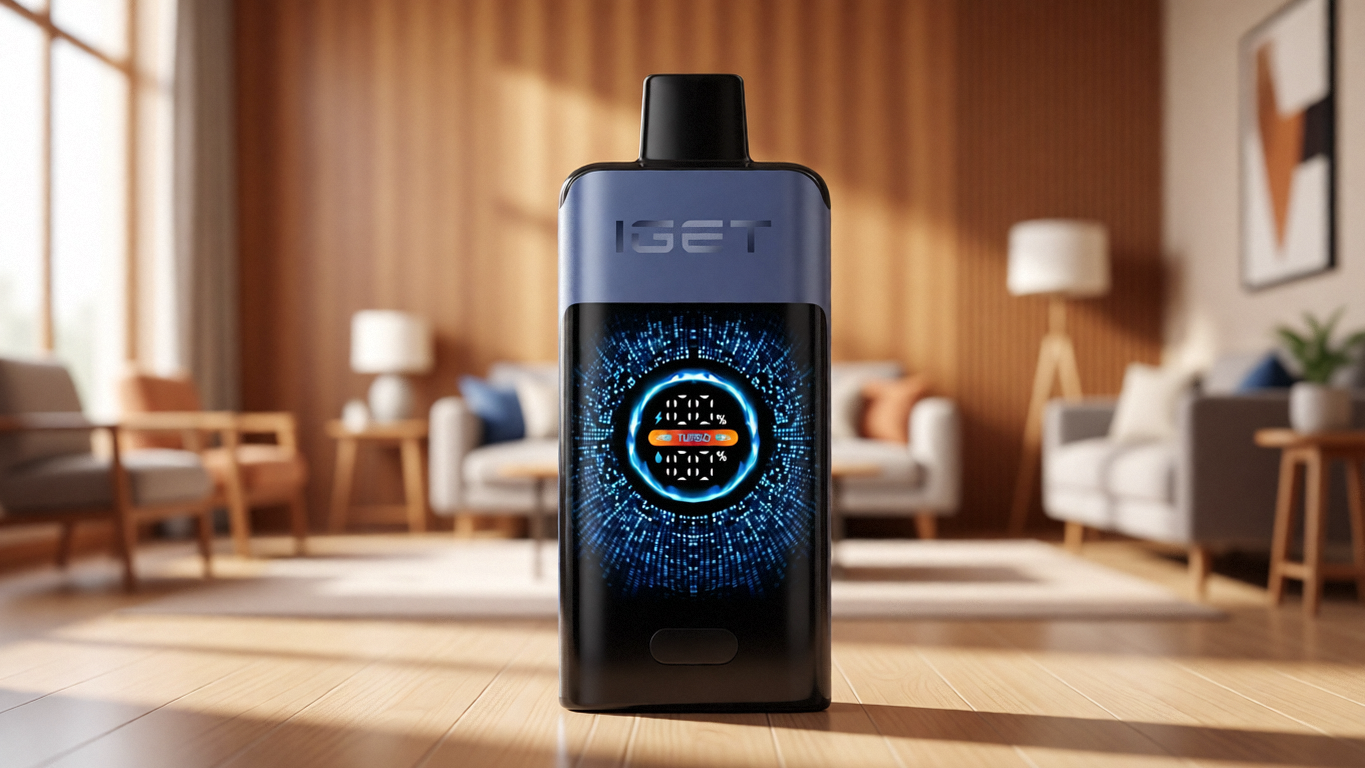
Inconsistent power delivery is a common factor in lingering smell complaints. Users of unregulated or poorly tuned devices often report a persistent after‑scent even in ventilated rooms. By contrast, devices with mature chipset‑controlled ramp‑up — where the power curve is managed to avoid temperature spikes — tend to leave less residual odour, all else being equal. This is an engineering reality often overlooked in everyday selection.
Airflow Dynamics and Inhalation Style
Mouth‑to‑lung (MTL) devices operate at lower power and tighter airflow, producing smaller total aerosol volume. Direct‑lung (DL) devices push large volumes of vapour through open airflow paths, generating clouds that fill a space quickly. Both can leave smells, but the distribution pattern differs. A dense DL cloud can deposit material across a wider area of a room before dispersing, while MTL vapour tends to remain in a tighter column, making it easier to direct and contain.
Moreover, the user’s exhalation habit matters. A slow, controlled exhale downward will deposit less aerosol onto fabrics above shoulder height than an abrupt, ceiling‑ward plume. No device design can fully compensate for how the vapour is released, but a device that naturally supports a gentle, directed exhale — through ergonomic mouthpiece shape and a responsive firing mechanism — makes better habits easier.
Device Architecture and Residual Odor
A device that leaks liquid into its body or pod housing will eventually carry a persistent ambient smell even when idle. The absorbent materials and crevices act as a slow‑release reservoir, diffusing fragrance into a pocket or drawer. Sealed, modular systems that contain liquid strictly within the pod and have minimal internal dead space demonstrate far less self‑odour. Similarly, disposable units that are entirely sealed during production, such as the ALIBARBAR INGOT series available through authorised channels, tend to have a cleaner external profile because there is no opportunity for e‑liquid to migrate beyond the intended vapour path.
In addition, coil saturation after use can emit smell during cooldown. A well‑isolated coil housing, combined with top‑fill mechanics that prevent residual liquid from pooling near airflow intakes, reduces this passive discharge. These details separate devices that smell only during active use from those that announce themselves in a quiet handbag.
Environmental Sensitivity
Humidity, temperature, and air movement govern how long any aerosol remains suspended. In a humid bathroom, glycerin droplets absorb water and become heavier, settling faster onto surfaces and perhaps leaving a damp vegetable‑glycerin residue. In a dry, air‑conditioned office, the same vapour may disperse more completely but deposit fine particles over a broader area. No device is immune to environmental physics; recognition of one’s usual environment is part of responsible device choice.
What Device Families Tell Us in Practice
When we step away from theory and observe how different categories of devices perform in real homes and vehicles, patterns emerge that help a user match equipment to their tolerance for residual smell.
Compact, pre‑filled pod systems with tight airflow and moderate power — like the ALIBARBAR Ice Adjust 12000 when set to its lower output mode — tend to produce a discreet amount of aerosol that, with a window cracked, will be undetectable within minutes. Their consistently controlled power delivery avoids the puff‑to‑puff variation that can generate the occasional oversized, sticky droplet. The sealed design also means no stale‑liquid hollow carries over between sessions.
Larger, open‑system devices paired with high‑VG liquids create a more marked signature, not because they are poorly made but because their design goal — voluminous, dense vapour — naturally amplifies persistence. A user who favours that experience but needs to manage lingering scent can mitigate it through strict ventilation routines, but accepting the trade‑off is essential. There is no magic technology that makes 90% VG clouds disappear like steam from a kettle.
Regarding disposables of unknown supply‑chain origin, the risk is not just performance but consistency. A device with untested power delivery may start cool and end hot, producing a different aerosol quality with each draw. This unpredictability matters because the human nose is remarkably good at detecting minute changes in odour intensity. A single, hotter‑than‑usual puff can saturate a car seat with a flavour note that lingers for the rest of the day. Sourcing from a tightly managed channel, where device specifications are verifiable and every unit derives from the same factory‑calibrated batch, reduces that risk substantially.
A Practical Framework for Evaluating Odor Persistence
Instead of relying on subjective descriptions like “stealthy” or “low‑odour,” a self‑directed evaluation should examine:
Temperature autoregulation: Does the device have a documented chipset that maintains coil temperature within a known window, or does output drift during a session?
E‑liquid formulation: What is the PG/VG ratio of the device’s liquid? If not disclosed, that lack of transparency is itself a signal.
Vapour volume per draw: Can you operate the device at a low‑output setting and still achieve satisfaction? Adjustable power, as found on the Ice Adjust line, gives you direct control.
Sealed architecture: Is the liquid contained entirely within a factory‑sealed pod, or is there a tank that requires manual filling and potentially leaks?
Passive odour emission: Does the device smell when cold? If possible, ask a non‑user to smell the device when it has been idle for thirty minutes. Their unbiased detection is the truest test.
Test yourself with these questions: “If I take a single draw in my vehicle before picking up a colleague, will the scent be noticeable after five minutes with the windows up?” If the answer is uncertain, the likely cause is insufficient control over aerosol density — a problem solvable through device selection that prioritises fine aerosol and precise power, not just compactness.
Common Misjudgments and Industry Observations
1. Equating small size with low odour.
A palm‑sized device may still produce dense, lingering vapour if its coil geometry and power curve are designed for max‑cloud delivery. Size tells you nothing about aerosol characteristics. Evaluate output, not silhouette.
2. Assuming all “discreet” units perform identically.
Two products may look similar externally but differ entirely in heating element material, wicking efficiency, and airflow calibration. One may vaporise liquid cleanly at low temperature; another may produce intermittent scorching that generates acrid, persistent notes not present in the original flavour.
3. Ignoring the importance of post‑draw cooldown.
Devices without a post‑vaporisation purge cycle leave e‑liquid partially heated in the wick. As it cools, it emits a low‑level scent that users often grow nose‑blind to but guests notice immediately. An auto‑cutoff that ceases power precisely at draw end, combined with a chimney that promptly cools, limits this effect.
4. Confusing air purging with odour elimination.
Running an air purifier or spraying fragrance does not remove settled glycerin‑based deposition. It masks the scent temporarily. Cleaning surfaces with a damp cloth is the only reliable way to remove the residue, and smart device choices reduce the amount of deposit in the first place.
From an industry standpoint, we observe that manufacturers who publish detailed coil‑temperature graphs and aerosol particle‑size data — though rare — tend to produce devices that excel in predictable performance. The rest rely on vague “smooth taste” descriptors that reveal nothing about what happens to the vapour after exhalation. That opacity is a disservice to users who want to manage their environment proactively.
Frequently Asked Questions
Q: How long does the smell of a single draw usually last in a ventilated room?
A: In a room with open windows and moderate airflow, fine‑aerosol particles from a low‑power, PG‑dominant device may be undetectable within two to five minutes. High‑VG, high‑volume clouds can deposit material that releases scent for up to thirty minutes, particularly on soft furnishings.
Q: Does vapour adhere to clothing for long periods?
A: Fabric type matters. Natural fibres like cotton can hold fragrance molecules for several hours, especially if the vapour was dense and sugary‑flavoured. Synthetic technical fabrics tend to release the scent faster. A quick airing or a gentle shake typically dissipates the residual effect, but a jacket worn in a closed car may retain it until hung in fresh air.
Q: Do some flavour profiles linger more than others?
A: Yes. Vanilla, caramel, buttery, and creamy flavour molecules are larger and stickier than simple citrus or light menthol compounds. Menthol itself has a cooling sensation but its actual odour persistence is relatively low. A dessert custard flavour can hang in the air twice as long as a sharp lemon blend, all else equal.

Q: Does the device itself continue to smell after use?
A: A properly sealed device with no leakage will not emit noticeable odour when idle, provided the mouthpiece was wiped clean after the last draw. However, any unit with residual e‑liquid in the airflow channel or around the fill port will gradually diffuse scent. Regular inspection and choosing sealed‑pod systems minimise this.
Q: Can I completely eliminate all vapour smell without ventilation?
A: No. Vapour is particulate matter, not just water mist. It deposits on surfaces, and even odourless compounds leave an invisible film that can later interact with ambient dust. The goal is reduction, not elimination. A device that gives you output control, combined with a habit of exhaling toward an open window, gets you closest.
Q: Are there devices specifically designed for minimal lingering?
A: Some manufacturers, such as ALIBARBAR, engineer their devices to produce a consistent, fine aerosol at lower temperatures, which inherently dissipates more quickly. The adjustable output models allow the user to dial down vapour volume while retaining satisfaction. No device is “odour‑free,” but design intent matters.
Q: Does a high nicotine content affect how long the smell stays?
A: Nicotine itself has a faint sharp note, but it does not materially alter the persistence of the flavour‑carrying glycerin and esters. The primary driver remains the base liquid and flavour compounds. Nicotine concentration influences throat sensation, not lasting environmental scent.
Q: How do I verify that a device’s power delivery is consistent before I buy?
A: Seek out vendor‑provided technical specifications, independent teardown analyses, or community‑sourced oscilloscope readings of coil temperature. Alternatively, purchase from retailers that only stock devices with factory‑certified power chipsets, such as those in the ALIBARBAR line offered by OZVAPE Shop, where specifications are documented and traceable.
Q: Can an air freshener cover vapour smell effectively?
A: It can mask it temporarily, but it does not remove the deposited glycerin layer. Over time, a room in which frequent vapour is combined with daily fragrance sprays can develop a complex, stale amalgam. Physical cleaning of fabrics and hard surfaces remains the gold standard.
Q: Is a disposable device less likely to cause lingering smells than a reusable one?
A: Not necessarily. The quality of the coil and power regulation matters more than the refillable status. Many sealed disposable units, such as the INGOT 9000, offer stable, low‑voltage output and complete liquid containment, resulting in minimal passive odour. Conversely, a poorly regulated refillable tank can leave strong residual scent. The key distinction is consistency of engineering, not category.
Informed Choice Returns Control to You
The persistence of vapour scent is neither a mystery nor a fixed attribute of any device category. It emerges from the interplay of aerosol physics, coil‑temperature management, and personal usage rituals, all of which can be understood and, to a meaningful extent, governed. A device that reports its status honestly, holds its liquid in a sealed enclosure, and allows the user to shape the output — not just accept a default — shifts the balance back toward discretion.
At OZVAPE Shop, we have structured our curated range around the principle that an adult should never have to guess whether a device will intrude on their space. The ALIBARBAR collection, available through direct factory‑authorised supply, exemplifies how deliberate electrical design and sober material choices create tools that respect the environments in which they are used. That does not mean these devices are invisible; it means they behave predictably, and predictability is the foundation of trust.
The right device for you is not the one with the boldest promise on a carton. It is the one that fits your daily rhythm, your tolerance for maintenance, and your definition of a courteous shared atmosphere. Once you have measured those things honestly, the choice becomes simpler. In the end, the most sophisticated technology is the one that quietly aligns with how you already live.