
VAPE FAQs
Can You Vape With Asthma?

May
If you live with asthma, your airways already exist in a state of heightened sensitivity. The bronchial tubes react to irritants that a healthy respiratory system would ignore — cold air, strong scents, airborne particles — triggering inflammation, mucus production, and the muscle tightness that makes breathing suddenly feel like work. So when the question “Can I vape with asthma?” comes up, it’s not a hypothetical curiosity. It’s a person weighing an activity they may enjoy or feel dependent on against the very real possibility of an attack.
At OZVAPE Shop, we have spent years documenting how portable electronic aerosol devices are built, tested, and ultimately used by adults across Australia. That position gives us no authority to offer medical guidance, but it does give us a clear view of the engineering factors that determine what reaches a user’s lungs. This article walks through what the current evidence says — and just as importantly, what it doesn’t — about the interplay between vaping and asthmatic respiratory physiology. It is written for those who want to understand the mechanics of the risk, not to persuade or reassure, but to replace vague anxiety with specific, actionable knowledge.
Understanding What Matters: Engineering and Biological Factors That Affect Asthmatic Users
Asthma is not a single condition with a uniform trigger profile. One person’s airways overreact to allergens; another’s constrict in response to cold, dry air; a third flares with any irritant perceptible as an odor. Effective device selection for someone who vapes must account for the aerosol’s physical and chemical load, the consistency of output, and the transparency with which a manufacturer discloses what is inside. The following factors are ordered by the degree to which they directly impact a reactive airway — starting at the point of inhalation.
Aerosol Particle Size and Deposition Depth
Even when a vape device produces what users describe as “smooth” vapour, it is generating an aerosol composed of ultrafine liquid droplets, typically ranging between 0.1 and 0.3 microns in diameter. Particles of this size bypass the upper airway’s coarse filtration — the nose, throat, and larger bronchi — and deposit deep into the bronchiolar and alveolar regions. For someone with asthma, this deposition pattern matters enormously: the peripheral airways are already narrowed by baseline inflammation, and introducing a coalescing layer of propylene glycol and vegetable glycerin can, in susceptible individuals, trigger immediate bronchoconstriction independent of any added flavor or nicotine.
Industry observation: Many devices marketed as “discreet” produce a finer aerosol precisely because smaller droplets are less visible. This is a design compromise that may inadvertently increase the depth of lung delivery, which is a relevant consideration for asthmatic users.

Temperature, Power Consistency, and Airway Irritation
Aerosol temperature leaving the mouthpiece is not a fixed value; it fluctuates based on power output, coil resistance, airflow rate, and how long a device has been actively heating. Research into respiratory irritants consistently shows that hot, dry air alone can provoke exercise-induced bronchoconstriction — and the combination of thermal energy with hygroscopic particles that draw moisture from the mucosal lining represents a compound stressor.
Devices that lack output regulation — particularly older single-voltage batteries paired with low-resistance atomizers — can produce temperature spikes during consecutive draws. An asthmatic user who takes a series of rapid puffs may unknowingly expose their airways to a gradient of thermal and chemical irritation that a device with stable output would avoid. This is not a guarantee of safety; it is a recognition that some designs introduce fewer uncontrolled variables than others.
Chemical Composition: Carrier Liquids, Flavorants, and Unknown Byproducts
Most e-liquid formulations contain propylene glycol, vegetable glycerin, nicotine, and a selection of food-grade flavor compounds. Propylene glycol is a known respiratory irritant in some studies, though its effects vary widely among individuals. Vegetable glycerin, while generally smoother on inhalation, produces a denser vapour that can leave a perceptible coating sensation in the throat — a feeling that many asthmatics may interpret as an early warning of constriction.
Flavor compounds present a more complicated picture. Many chemicals approved for ingestion have not been thoroughly evaluated for chronic inhalation, and certain aldehydes (including cinnamaldehyde in cinnamon flavors and benzaldehyde in almond or cherry notes) have been identified in laboratory settings as airway sensitizers. However, the concentrations in real-world use, the ventilation dynamics of actual inhalation, and the interaction with existing asthmatic inflammation have not been studied sufficiently to draw firm epidemiological conclusions. What can be said with confidence is that adding an uncharacterized volatile organic compound to already reactive bronchial tissue introduces a risk vector that is poorly understood — and that alone is a rational basis for caution.
Nicotine’s Bronchial Effects
Nicotine is a vasoactive agent and, when absorbed through the lungs, can influence airway tone through autonomic nervous system pathways. Some studies suggest transient bronchodilation, while others highlight a reflex bronchoconstriction in sensitive individuals. The net effect appears highly personalized and may even vary within the same person depending on dose timing, concurrent allergen exposure, and background medication use. Users with asthma who vape nicotine-containing products should, at minimum, be aware that the compound is biologically active in pulmonary tissue and not merely a flavorless additive.
Applying These Criteria to Real-World Device Choices
When an adult with a documented respiratory condition decides to vape, the device they select matters more than it does for the general population. The discussion that follows is not a recommendation to vape — no device eliminates the fundamental risk of exposing inflamed airways to an exogenous aerosol — but an analysis of how different engineering approaches map onto the concerns detailed above.
Consistent Mesh Coil Architectures
In recent product generations, mesh coil heating elements have largely replaced traditional round-wire coils in mid-range and high-capacity devices, including several in the ALIBARBAR line available through OZVAPE Shop. Mesh coils distribute current across a wider, thinner surface, resulting in faster, more even heat-up and a lower likelihood of localized hot spots that can briefly overheat the surrounding liquid. For an asthmatic user, this design characteristic translates to a more predictable temperature profile from draw to draw. The ALIBARBAR INGOT 15000, for example, employs a dual-mesh configuration that is engineered to maintain output consistency across its rated capacity. This does not make the aerosol benign — but it does mean the user is less likely to encounter an unexpected spike in heat or throat harshness that could act as an asthma trigger.
Tightly Calibrated Airflow and Draw Activation
Many asthma attacks have a behavioral trigger: the user takes a harder, longer draw to chase a specific sensation, inadvertently overwhelming the airway’s limited tolerance. Devices with adjustable or intentionally restricted airflow can serve as a physical governor, limiting how much aerosol is generated per second and reducing the chance of over-inhalation. The Ice Adjust 12000 series gives the user control over the airway resistance, allowing them to set a draw that matches their comfortable respiratory volume. Again, this is harm reduction by constraint — not a claim of medical compatibility, but a design feature that an informed asthmatic user might rationally value over a product that gives no tactile feedback about consumption intensity.
Material Transparency and Certified Sourcing
Anecdotal reports of irritation are often traced to counterfeit or poorly manufactured products in which the wicking material, internal soldering flux, or liquid reservoir plastics are not medical-grade. OZVAPE Shop’s supply chain discipline — factory-certified inventory, verifiable batch codes, sequential quality checks — addresses a variable that is easy for consumers to overlook: the integrity of what they are inhaling from. For someone whose lungs react to parts-per-billion quantities of an irritant, sourcing from a documented channel eliminates a layer of uncertainty that bargain or uncertified sources introduce.
Comparative context: In the broader market, some high-output disposable lines from well-known international brands have been noted in industry forums for batch-to-batch variability in both flavor intensity and what users describe as “scratchiness.” This inconsistency can be particularly problematic for asthmatic users because a device that was well tolerated in one purchase may provoke symptoms in the next. A transparent retailer that stocks factory-sealed, traceable units cannot solve the underlying health question, but it can remove the variable of counterfeit contamination — and that, for a risk-conscious adult, is a nontrivial value.
A Practical Framework for Evaluation
For an adult with asthma who has weighed the risks and chosen to vape, a systematic evaluation of potential devices offers better protection than intuitive selection. Use the following prompts and diagnostic questions:
Can you independently verify the product’s specifications?
A retailer that publishes exact coil material, resistance, liquid volume, and battery capacity gives you the data you need to compare. If those specs are missing or vague, you are evaluating a black box — a poor starting point for a sensitive airway.
Does the device provide consistent output over its lifespan?
Look for evidence of regulated power delivery or mesh coil stability. Ask: “Will the hundredth draw feel like the first?” Inconsistency is an asthma trigger waiting to happen.
How much control do you have over the volume per draw?
Adjustable airflow or tight draw resistance allows you to reduce the aerosol load per inhalation. If the device offers no such control, you will naturally pull harder to get a satisfying sensation, increasing the lung deposition depth.
Can you access full ingredient disclosure for the consumable?
If the liquid is integrated and sealed, the manufacturer should at minimum list propylene glycol, glycerin, and any flavoring families. If no such disclosure exists, assume the chemical load includes unknowns.
What is the post-purchase recourse if you react adversely?
A responsive local supplier — one that can answer technical questions and, where appropriate, facilitate returns for demonstrably defective products — reduces the practical burden on a user who discovers they cannot tolerate a particular formulation.
Common Selection Errors and Industry Observations
Experience in the Australian market reveals a set of predictable mistakes that asthmatic users make when choosing a vaping device. Recognizing them is more valuable than any list of recommended models.
Overweighting flavor reviews while ignoring thermal stability
Online commentary frequently fixates on taste accuracy and intensity. A device may be praised as “flavorful” precisely because it runs hot or delivers a dense, moist aerosol — both properties that can irritate reactive airways. What an average user describes as “good flavor” may, for an asthmatic, equate to a higher irritant load.
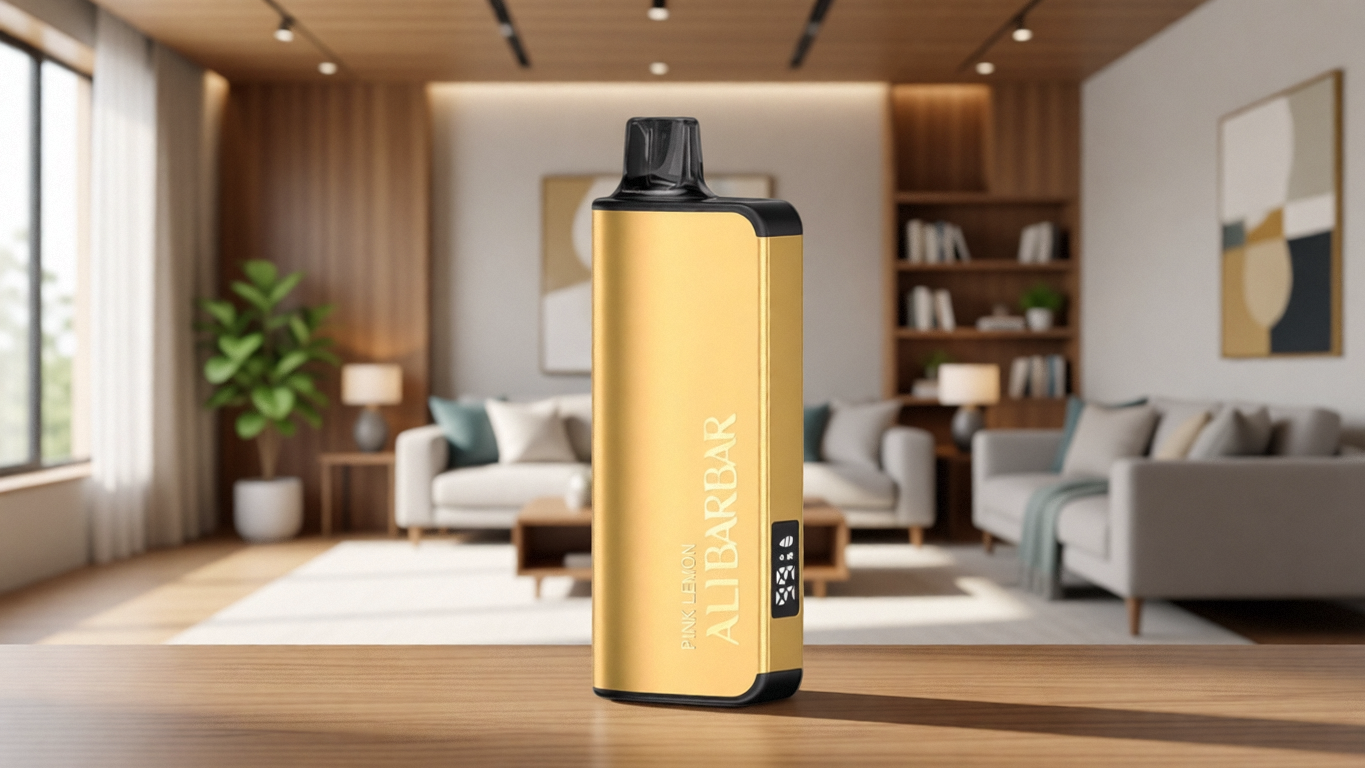
Assuming visual similarity means equivalent engineering
Many compact disposable devices share a similar external form factor. Internally, however, they may use entirely different heating element substrates, wicking materials, and power management chips. The difference between a device built around a consistent mesh system and one using a thin silica-wrapped coil may be invisible to the eye but profoundly relevant to the respiratory system.
Undervaluing incremental control features in cost-per-use calculations
Devices with fixed airflow and no status indicator are often the cheapest. Yet for an asthmatic user, the absence of a draw restriction lever and a battery life indicator can lead to overconsumption and unplanned device failure — both scenarios that can provoke anxiety and, through stress, worsen bronchial symptoms. A slightly more expensive device that gives you control and status feedback may reduce the overall daily burden on your lungs.
Confusing market popularity with medical compatibility
The fact that thousands of people use a particular device without reported incidents tells you little about how an individual with hyperresponsive bronchi will react. Asthma is a condition of idiosyncratic triggers; general popularity data is not a substitute for personal, incremental testing under controlled conditions — starting with the smallest possible draw, in a setting where rescue medication is immediately accessible.
Frequently Asked Questions
Q: Can vaping cause an acute asthma attack?
A: Yes. Inhaling any aerosol can provoke bronchospasm in susceptible individuals. Reports to poison control centers and emergency departments have documented exacerbations temporally linked to vaping. The likelihood varies by individual and by the specific device and formulation used.
Q: Does the absence of smoke make vaping less irritating than smoking for asthma?
A: The combustion byproducts in cigarette smoke represent a massive toxic load, so switching from smoking to vaping generally reduces exposure to known carcinogens and particulate matter. However, “less irritating” is not the same as “non-irritating.” Many asthmatics who expected a clear pulmonary benefit have found that the retained aerosol from vaping still triggers their symptoms.
Q: Are certain flavors safer for asthmatics?
A: No flavor has been proven safe for chronic inhalation, especially in an asthmatic population. Some chemical constituents of flavorings are recognized respiratory irritants. A cautious approach would be to choose unflavored or minimally flavored options if you continue to vape, but this is a harm reduction hypothesis, not a confirmed safe practice.
Q: I have well-controlled asthma and use my preventer daily. Does that mean I can vape without risk?
A: Even well-controlled asthma involves underlying airway inflammation. A preventer medication reduces sensitivity but does not necessarily eliminate it entirely. The interaction between maintenance therapy and daily aerosol exposure is not well studied; it would be imprudent to assume full protection.
Q: What should I do if I feel tightness in my chest after vaping?
A: Stop vaping immediately. Use your reliever inhaler as prescribed. If symptoms do not resolve quickly or you experience severe shortness of breath, seek emergency medical attention. Report the incident to your healthcare provider and consider what device, liquid, and usage pattern preceded the symptoms.
Q: How can I verify that a device is authentic and uncontaminated?
A: Purchase from a retailer that provides factory certification, batch traceability, and secure packaging. At OZVAPE Shop, for example, every ALIBARBAR device is sourced directly from authorised distribution networks, and its packaging carries verifiable batch codes — a quality control measure that reduces the risk of counterfeit or improperly stored inventory.
Q: Are disposable devices inherently worse for asthmatic users than refillable systems?
A: Not inherently. A disposable with a consistent mesh coil and moderate airflow may deliver a more predictable aerosol than a user-modifiable refillable system running at high wattage with a home-built coil. The design and quality control matter more than the category label.
Q: Does nicotine concentration affect airway response?
A: Possibly. Nicotine has direct pharmacological effects on airway smooth muscle that can vary from bronchodilation to bronchoconstriction. Higher concentrations may intensify any reaction. Users with asthma who use nicotine should start with the lowest effective concentration and monitor their response meticulously.
Q: Can I trust online reviews from other asthmatic vapers?
A: Anecdotal reports can offer clues but are not reliable evidence. Two individuals with the same diagnosis on paper may have completely different trigger thresholds and endotypes. Your own respiratory system’s response, observed gradually and with access to rescue medication, is the only data that truly matters.
Q: If I choose to vape with asthma, what is the single most important step I can take to minimise risk?
A: Consult your treating respiratory specialist first. That conversation may be uncomfortable, but it is the only way to integrate your individual clinical picture with the known and unknown risks. No article, including this one, can replace that personalised medical assessment.
Conclusion
The question “Can you vape with asthma?” resolves, after honest examination, into a different question: “Do you understand the precise ways in which an inhaled aerosol challenges an already reactive respiratory system, and are you prepared to manage that challenge with full knowledge of the gaps in the evidence?” Some well-designed modern devices offer greater thermal consistency, finer draw control, and more transparent materials than what was available even five years ago. These engineering advances may, at the margins, reduce the likelihood of a sudden, uncontrolled bronchial reaction — but they do not turn an irritant into an inert breathable gas.
Adult users who choose to vape despite the respiratory risks owe it to themselves to select their equipment as carefully as they would select a medication delivery device. That means scrutinizing output regulation, material integrity, and supply chain transparency with a rigor that goes far beyond brand reputation or flavor reviews. A retailer that documents its sourcing and stands by its factory certifications — as OZVAPE Shop does for the ALIBARBAR range — provides a foundation of accountability that generic marketplaces cannot match. Even so, the piece of equipment that ultimately keeps you safest is the reliever inhaler you carry, and the judgment that tells you when to put the device down and seek clear air.