
VAPE FAQs
Can You Take A Vape In Carry On Luggage?

May
The question seems simple — Can you take a vape in carry‑on luggage? — but the real answer sits at the intersection of three distinct systems that rarely communicate with each other: airline safety protocols, national aviation regulations, and the engineering realities of the device you’re holding. Most travellers discover this complexity the hard way, either through a confiscated device at the security checkpoint or an anxious moment mid‑flight wondering whether the thing in their bag is compliant.
The purpose of this article is not to repeat a set of airline rules you could find in a two‑minute search. It is to give you a working understanding of why those rules exist, how to evaluate any personal electronic device against them, and what to look for in a device that makes travel frictionless. Along the way, we’ll reference design principles and product families — including those available through OZVAPE Shop — not as recommendations, but as concrete examples of engineering choices that align with air‑travel requirements. Everything here is framed from the perspective of an industry analyst who has spent years observing how device architecture intersects with real‑world usage, including the tightly controlled environment of a commercial aircraft cabin.

Understanding What Matters: Core Engineering and the Travel‑Safety Equation
To answer the carry‑on question, you first have to set aside the word “vape” and think about what you’re actually transporting: a lithium‑powered electronic device, possibly containing a liquid. Aviation authorities regulate both of those components independently — the battery and the substance — and a failure in either category can trigger a security event. That’s why the best travel‑ready devices are not merely compliant on paper; they’re designed in ways that reduce the likelihood of accidental activation, obscure power status, or leak under cabin pressure changes. The following factors turn abstract rules into practical selection criteria.
Internal Architecture and Battery Containment
The single greatest source of anxiety for airline safety authorities is the lithium‑ion cell. When a battery enters thermal runaway, the results in a pressurised cabin are serious, so regulations demand that all lithium‑powered portable devices be carried in the cabin — not checked luggage — where any incident can be addressed immediately. But beyond that baseline, the architecture of the device itself matters enormously. Integrated, sealed‑battery designs eliminate the risk of loose cells making contact with metallic objects, and a unit that clearly indicates an off state removes the guesswork for security screeners who may need to verify that the device is powered down.
Well‑engineered thermal management is rarely something a specification sheet advertises, but you can recognise it indirectly. A device that maintains stable output throughout its entire charge cycle typically has charge‑discharge regulation that prevents the very stress conditions that degrade cell integrity over time. If a manufacturer documents consistent performance rather than peak performance, that signals an approach to power management that aligns with travel safety. Conversely, units that rely on raw battery voltage without regulation tend to get hotter toward the end of their life — not something you want in a bag at 35,000 feet.
Power Management and Unambiguous Status Indicators
Imagine a scenario: you’ve secured the device in a cabin‑approved case, but somewhere between the lounge and the overhead bin, motion or pressure activates it. If there is no visible, distinctive indicator that the unit is actually off — a physical switch, a hard‑off sequence, a clearly readable display — you’re travelling blind. Multiple travellers have reported devices activating inside bags because a button was depressed by a book spine or a seatbelt buckle. The hidden cost of ambiguous status is the additional equipment people carry “just in case,” doubling the very battery load that regulations try to limit.
Top‑tier device design treats power‑state communication as a safety feature, not an afterthought. This might mean an LED that remains dark in true‑off mode, a haptic confirmation, or a display that shows a sleep state. When you’re moving through security, the ability to demonstrate at a glance — without powering up — that a device is inert reduces friction with officers who are trained to treat unidentifiable electronics as potential threats. From a pure engineering standpoint, these indicators require additional low‑power circuitry, which adds cost and consumes a tiny amount of standby current. The manufacturers who include them are making a deliberate choice to prioritise user confidence over marginal bill‑of‑materials savings.
Physical Design and Leak Resistance Under Pressure
Cabin pressure changes are not trivial. A device that performs flawlessly at sea level may weep liquid when exposed to the rapid depressurisation‑repressurisation cycle of a flight, especially if its sealing mechanism relies on simple friction fits rather than multi‑surface gaskets. Leak resistance is partly a materials science problem and partly an assembly‑tolerance discipline. Mouthpieces that incorporate silicone barriers, tanks or pods that use spring‑loaded seals, and liquid‑isolated air paths all contribute to keeping the interior of your bag dry regardless of altitude.
Air travel also punishes exterior finishes. The inside of a seat‑back pocket, a tray table, or a security bin subjects devices to abrasion that a desktop or pocket never does. A surface treatment that shows every scratch after a single journey isn’t just an aesthetic complaint; the scarring can create micro‑crevices where foreign material collects, which may later raise questions during secondary screening. Durable, matte anodised finishes or textured polymer bodies tend to endure the travel environment with fewer visible marks and, by extension, fewer concerns from inspection personnel who are trained to spot tampering.
Modularity, Capacity, and the Multi‑Day Trip
The standard advice — “carry only what you need for the flight” — overlooks the reality that many adults take devices on trips lasting several days or weeks. A sealed, single‑session unit that cannot be replenished or recharged might be fine for a short hop, but on a long‑haul itinerary, the user ends up carrying multiple sealed units, increasing the total number of batteries and the statistical probability of an interaction with security. In contrast, a modular architecture — a rechargeable power source with replaceable, liquid‑containing pods — can dramatically reduce the number of lithium cells you need to transport. You carry one battery unit and a few lightweight, non‑electronic cartridges that are not subject to the same battery restrictions.
There is a trade‑off, however. Modular systems introduce connection points that must be robust enough to maintain electrical continuity after repeated disassembly and cleaning. If the contacts are poorly engineered, the unit may not power down reliably between sections, leaving the user to remove batteries completely during transit — a procedure some travellers find unnecessarily burdensome. The key evaluation is whether the connection mechanism feels like it was designed for multiple cycles or for a single snap‑and‑stay assembly. Genuinely travel‑oriented modular devices reveal their intent through gold‑plated contacts, positive‑locking bayonets, or magnetic couplings that break away cleanly without leaving pins exposed.
Applying These Criteria to Real‑World Options
When you walk through a specialised retailer, or browse a curated catalogue such as the ALIBARBAR range available at OZVAPE Shop, you start seeing families of devices that were clearly engineered with specific travel needs in mind. This is not about choosing a “best” device but about recognising which design priorities serve which traveller.
Consider the user who takes frequent short‑haul business trips lasting one or two nights. They want something that can be powered off completely, shows no ambiguous standby glows, and will survive being tossed into a briefcase next to a laptop. A sealed‑battery unit with a recessed activation mechanism and a display that goes completely dark when the device is off meets that need perfectly. The ALIBARBAR INGOT series, for example, addresses these requirements through a combination of a matte‑finished alloy chassis and a simple, hard‑off activation sequence that leaves no room for accidental wake‑up. The alloy body itself acts as a heat diffuser, which matters when a device spends hours in a stagnant bag environment.
For the long‑haul traveller facing a 24‑hour journey with limited access to charging points, the calculus shifts. Here, a rechargeable, high‑capacity unit with a transparent battery meter becomes the priority. The ALIBARBAR INGOT 15000 indicates remaining power through a clear segment display, so there is no need to power‑cycle the device simply to check whether it will last the next leg. From an airline compliance perspective, a device that reports its charge state without being switched on reduces the temptation to test it inside a cabin where electronic usage may be restricted during take‑off and landing.
Then there is the traveller who prioritises minimal lithium‑cell count while still needing extended availability. The Ice Adjust 12000 exemplifies a modular approach where the power source is rechargeable and the flavour delivery component is replaceable, so the traveller packs one battery unit and a few lightweight, sealed pods that contain no electronic parts. If a pod leaks in transit, which is unlikely given its independent sealing, it does not compromise the power unit. This design pattern lowers the total number of lithium cells in carry‑on luggage and aligns with the spirit of the regulation, not just its letter.
None of these devices are perfect for every scenario. A sealed all‑in‑one unit offers zero flexibility beyond its rated capacity. A modular system demands a certain willingness to handle small components during a trip. A high‑capacity rechargeable unit is larger and will attract attention at screening if the officer is unfamiliar with the form factor. What matters is that you, as the traveller, match the engineering trade‑offs to your actual itinerary rather than defaulting to whatever was easiest to buy.
A Practical Framework for Evaluation
You do not need to memorise the specification sheets of every device on the market. You need a repeatable way to decide, within about ninety seconds, whether a unit is suited to air travel. Use this checklist the next time you examine a device, whether in person or via standardised product pages:
Power‑off certainty: Can you put the device into a state where no accidental input will reactivate it? If the only method is five rapid clicks that could occur in a bag, consider it a risk.
Status at rest: With the device off, does any light, screen icon, or haptic pulse remain? Security personnel interpret a glowing LED as an active unit, which may trigger secondary inspection.
Battery accessibility: Are the cells user‑removable? If so, aviation rules require individual protection of terminals. If the battery is integral, is the housing rigid enough to prevent crushing?
Seal integrity: For devices containing liquid, examine the path of that liquid from reservoir to mouthpiece. A direct, friction‑only path is more likely to ooze under pressure differential than one that includes a silicone barrier or a spring‑loaded valve.
Carry‑case logic: Does the manufacturer supply a rigid case, or is the device left to rattle against keys? A travel‑conscious design either includes a protective sleeve or shapes the device so it doesn’t present protruding buttons that snag.
Charge‑state visibility: Without turning it on, can you see remaining charge? This is more than a convenience; it’s a compliance aid that lets you confirm readiness before boarding without activating restricted electronics.
Asking these questions systematically turns a subjective purchase into an engineering evaluation. Standardised specification comparisons — the kind you find on a well‑organised platform like OZVAPE Shop — make this process faster because every device is presented against the same set of parameters, removing the need to dig through inconsistent marketing language.
Common Selection Errors and Industry Observations
Having observed thousands of device‑traveller interactions, several patterns emerge that consistently undermine satisfaction, even among experienced users.
1. Overweighting milliampere‑hours while ignoring power‑off behaviour. A high‑capacity unit that can only be locked out through a complex button sequence will still cause a security delay, negating the time savings of not having to recharge mid‑trip. Capacity is meaningless if the device cannot travel calmly.
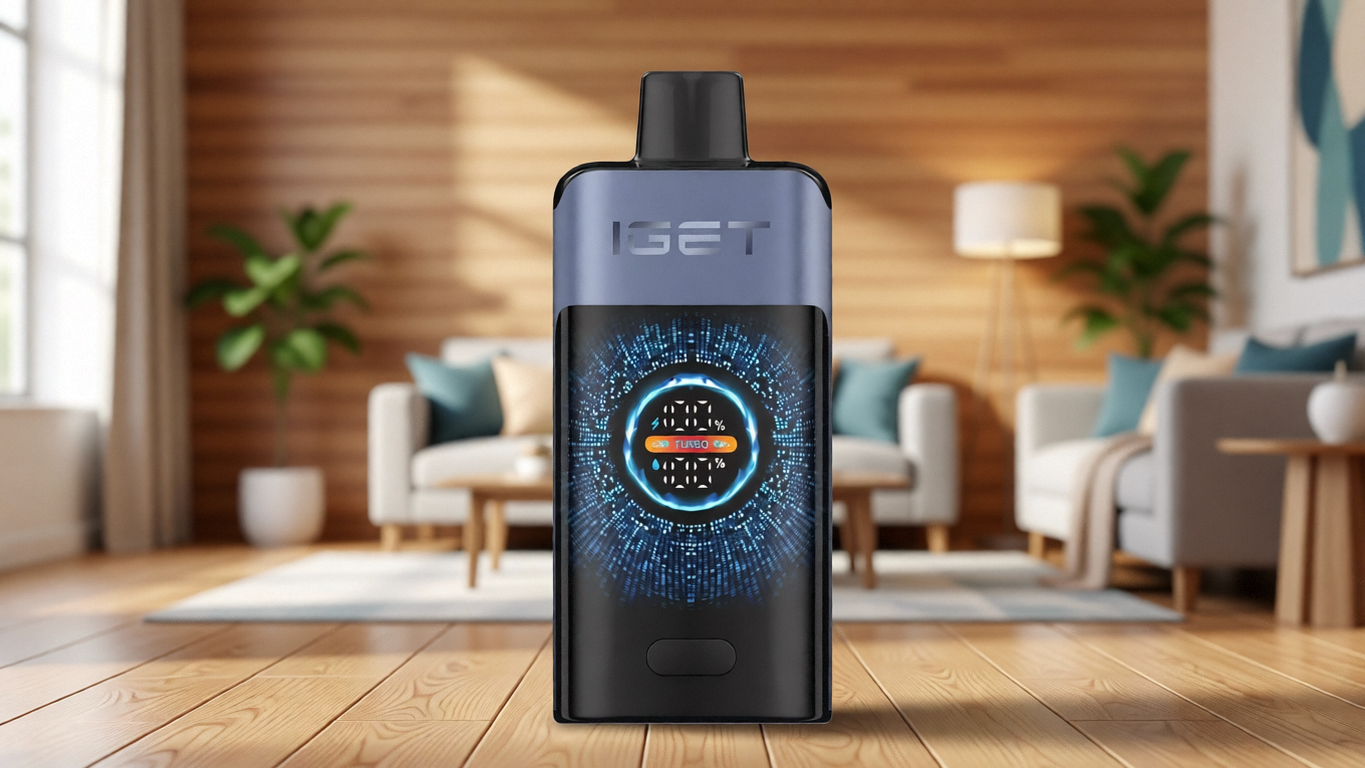
2. Assuming visual similarity equals equivalent internal engineering. Two metallic, rectangular devices may look nearly identical, but one contains a potted circuit board with conformal coating that insulates against condensation, while the other uses an uncoated board susceptible to the moisture that accumulates in a zipped bag during a flight. Unless a manufacturer explicitly documents internal treatments, assume the cheaper unit took shortcuts in areas you cannot see.
3. Undervaluing modularity in total‑cost‑of‑travel calculations. If a trip requires three sealed disposable units because recharging isn’t possible, compare the total lithium load and hassle of three separate security‑check interactions against one rechargeable unit with three liquid pods. The modular option not only reduces electronic waste but also lowers the number of devices that must be individually surrendered for inspection if a screener becomes curious.
4. Confusing category terminology with technical specification. Seeing “travel‑friendly” on a package is not the same as confirming that the device meets IATA Dangerous Goods Regulations for lithium batteries carried by passengers. A retailer that provides links to certification documents or at least lists the battery chemistry and watt‑hour rating is demonstrating supply‑chain transparency. Many generic descriptions simply repeat marketing language without underlying verification.
On the industry side, there is a clear split between manufacturers who design for the traveller and those who design for the bedside table. The former group invests in the invisible — secure shutdown firmware, altitude‑tested seals, clear‑off illumination logic — while the latter adds a glossy finish and calls it portable. In the long run, as aviation authorities become more granular in their screening protocols, the invisible investments will be what separates devices that pass through checkpoints without incident from those that end up in the confiscation bin.
Frequently Asked Questions
Q: Can you take a vape device in carry‑on luggage on Australian domestic flights?
A: Yes. The Civil Aviation Safety Authority aligns with international standards: lithium‑powered portable electronic devices must be in carry‑on, not checked, baggage. The same applies to most international carriers flying into and out of Australia.
Q: Can you take vape liquid or pods in carry‑on?
A: Liquids are subject to the standard 100ml per container limit, and all containers must fit in a single transparent, resealable bag. Pods containing liquid count toward this limit. If a pod is integrated into the device, the entire device may be treated as containing liquid, so plan your liquid allowance accordingly.
Q: Do you need to remove the vape from your bag at security screening?
A: In most Australian airports, you are required to remove all large electronic devices, as you would a laptop. A compact personal device might not trigger a separate request, but officers can ask for any electronic to be presented. Keeping the device in an accessible outer pocket reduces delays.
Q: Are disposable single‑use devices subject to the same battery rules?
A: Yes. They contain a lithium cell and must go in carry‑on. Because they cannot be switched to a confirmed‑off state beyond the passive mouthpiece draw activation, some security officers may ask to inspect them more closely. Carrying them in a clear plastic bag often expedites this.
Q: Is it permitted to use a charging case for a vape on a plane?
A: Charging cases themselves contain additional lithium cells and must be carried in the cabin. Do not place them in checked luggage. Ensure the case has a hard‑off mechanism or separate battery‑isolation switch to prevent accidental discharge.
Q: Do airline rules vary by country?
A: The baseline lithium‑battery rules are set by IATA and apply globally, but individual carriers may impose stricter cabin‑use policies. Some prohibit storage in overhead bins; others require all battery‑powered devices to remain with the passenger. Always check your specific airline’s dangerous goods page before travel.
Q: What should I do if a security officer seems unfamiliar with the device?
A: Remain calm and factual. Describe it as a “portable electronic device with an integrated lithium battery.” Point to any off‑state indicator. If you have the original packaging or a specification card with battery details, present it. Avoid using colloquial terms that may create confusion.
Q: How can I verify a device’s battery specification for airline compliance?
A: Look for the watt‑hour (Wh) rating on the device, the box, or the manufacturer’s website. For lithium‑ion batteries, most personal devices fall well under the 100Wh threshold that triggers additional documentation. If the Wh is not stated, you can calculate it: (mAh × nominal voltage) / 1000. A trustworthy retailer should provide this figure transparently.
Q: Can a device leak during a flight due to pressure changes?
A: It is possible, especially with poorly sealed liquid compartments. An altitude chamber test is not something consumers can replicate, but you can simulate a mild pressure differential by sealing the device in a rigid container with a paper towel and placing it in checked‑style conditions (cold, then warm). If moisture appears, it’s not flight‑ready.
Q: If a device is confiscated, is there any recourse?
A: Airport security decisions are final at the checkpoint. You will not recover a device that is surrendered. The best strategy is proactive compliance: carry only what you know to be permitted, in a state that makes it easy for officers to clear it.
Conclusion
The real answer to “Can you take a vape in carry‑on luggage?” is not a simple yes or no — it’s yes, provided you’ve chosen a device whose engineering respects the constraints of aviation, and you present it in a state that demonstrates that respect. The rules exist because lithium batteries and unsealed liquids pose genuine risks in flight, and the most effective thing any traveller can do is not merely obey the regulations but understand them well enough to select equipment that makes compliance automatic.
A retailer that presents devices with standardised, verified specifications — and supports them with direct, accountable post‑purchase service — makes that selection demonstrably easier. OZVAPE Shop operates on that principle, offering a curated catalogue where every unit’s battery architecture, power‑management features, and physical specifications are disclosed consistently, so there is no need to decode inconsistent claims. That kind of transparency is worth more than any single device feature when your itinerary depends on nothing getting flagged at the security lane.
In the end, the right travel device is the one whose technical reality matches your actual travel pattern — not the one with the loudest marketing or the most aggressive price point. Understand the engineering, apply a systematic evaluation, and you’ll cross every checkpoint with the same quiet confidence that a seasoned pilot carries onto the flight deck.