
VAPE FAQs
Can You Vape While Using Whitening Strips?
Aug
Picture the scene: Tuesday morning. You’ve juggled a coffee run for the team, survived an afternoon presentation that went long, and finally done the responsible thing — slid a fresh set of whitening strips over your teeth. The packet says to keep them in for thirty to sixty minutes. No food. No drink. The gel needs time to work. And then, three minutes in, your hand drifts toward the device in your pocket. That familiar, low-grade itch arrives with an uncomfortable question: can you actually use it while the strips are still in?
It’s a surprisingly common scenario, and the online answers are rarely useful. “Don’t,” says one thread. “You’ll be fine,” says another. Neither explains why. At OZVAPE Shop, where we handle a steady stream of device-related questions from adult users across Australia, the whitening-strip enquiry appears with remarkable regularity — and it deserves a more honest answer than the one-liners floating around forums. So let’s look at what the chemistry actually does to your teeth, how your device behaves in your mouth, and how to make a sensible choice rather than an impulsive one.
Understanding What Matters: Core Engineering and Design Factors
There are two separate systems at play, and most people evaluate only one of them. The first is the whitening strip: a thin polyethylene film coated with hydrogen peroxide or carbamide peroxide. The second is your device: a thermally regulated portable system that delivers a heated aerosol. Understanding the interaction between the two is what separates a comfortable week from a miserable one.
Whitening strips work by opening the microscopic pores of your enamel. That porosity is what allows the peroxide to reach and break down deeper stains, but it also leaves the surface temporarily reactive. Saliva needs time to remineralise the enamel and close those pores down again. Anything you introduce into your mouth during that window — including aerosol residue, heat, or nicotine — interacts with tissue that is momentarily far more vulnerable than usual. That single fact drives every recommendation that follows.
Internal Architecture and Output Consistency
The heating element is the heart of any portable device, and its behaviour matters far more for oral comfort than most users appreciate. A well-engineered unit maintains a consistent operating temperature until the power source is genuinely depleted. Cheaper systems drift — the element runs hotter near the end of a charge, or fluctuates as you draw, producing an aerosol that alternates between mild and aggressively warm.
Freshly treated enamel does not tolerate thermal spikes well. The sudden contact of a hot, dense aerosol against porous tooth surface is a common trigger for that sharp, electric sensitivity people describe days after starting a whitening routine. When evaluating a device, ask yourself how the unit behaves in its final hours of use. If it visibly degrades — hotter output, weaker aerosol, harsh taste — that inconsistency compounds the discomfort. Look for designs that hold a steady plateau and drop off predictably at the end, rather than punishing you on the last few sessions.
Power Management and Status Transparency
Whitening strips impose a timing discipline that most device users aren’t used to. You have a thirty-to-sixty-minute window, and the strip has to stay in place the whole time. Now consider what happens when your device has no clear status indicator. You reach for it, it yields a weak, gurgling draw, and you judge that it’s still functioning — so you continue. But the strip is sitting on your enamel the entire time, and your mouth is being exposed to an aerosol produced by an unstable, dying system.
A device with transparent power management — a visible battery readout, session count, or charging state — lets you make a calm decision before you place the strip in your mouth, not while you’re mid-routine. The hidden cost of status ambiguity is the backup device habit. Users who can’t trust their indicator carry a second unit, which multiplies the chances of using one of them at the wrong moment. Clear status feedback isn’t a luxury feature; it’s a practical layer of protection for precisely the situation this article is about.
Physical Design and Material Durability
The materials that touch your lips and mouth matter when you’re introducing aerosol into an already stressed oral environment. Mouthpiece finishes vary considerably. Some resin finishes are smooth and non-porous, resisting the thin film of residual aerosol that forms on the surface over days of use. Others — particularly matte, textured plastics — trap that film in micro-grooves, becoming a secondary source of residue exposure every time you draw.
It’s also worth examining how the device sits in your hand during a routine that involves fumbling with strip packets and the desire not to touch the film itself. A device with awkward proportions encourages hurried handling, and rushed handling around oral-care products is how strips get dislodged or pinched. There is no engineering justification for a device that feels unbalanced; daily-carry durability is about serviceable materials and a cleanable mouthpiece, not just about surviving a drop onto pavement.
Modularity and Lifecycle Flexibility
The architectural choice between sealed, rechargeable, and replaceable-component systems has direct relevance to anyone whitening their teeth. Sealed units keep the mouthpiece fixed for the entire operational life of the device, which means every residue deposit from every session returns to your mouth. Over a three-thousand-use lifespan, that accumulation becomes a meaningful hygiene variable.
Rechargeable systems with replaceable pods or mouthpieces offer an obvious advantage: you can switch out the part that touches your mouth, or clean it properly between sessions. The trade-off is logistical — you have to source authentic replacement components — but for users prioritising oral health, the flexibility justifies the effort. The real decision isn’t which architecture is “better” in the abstract. It’s whether the device’s life cycle matches how seriously you take your whitening routine.
Applying These Criteria to Real-World Options
The device market rarely presents a single perfect answer, which is why it’s more useful to organise your thinking around need-states than around brand names. The criteria established above — consistent output, status transparency, cleanable materials, and sensible architecture — can be measured against any of the systems you’ll encounter.
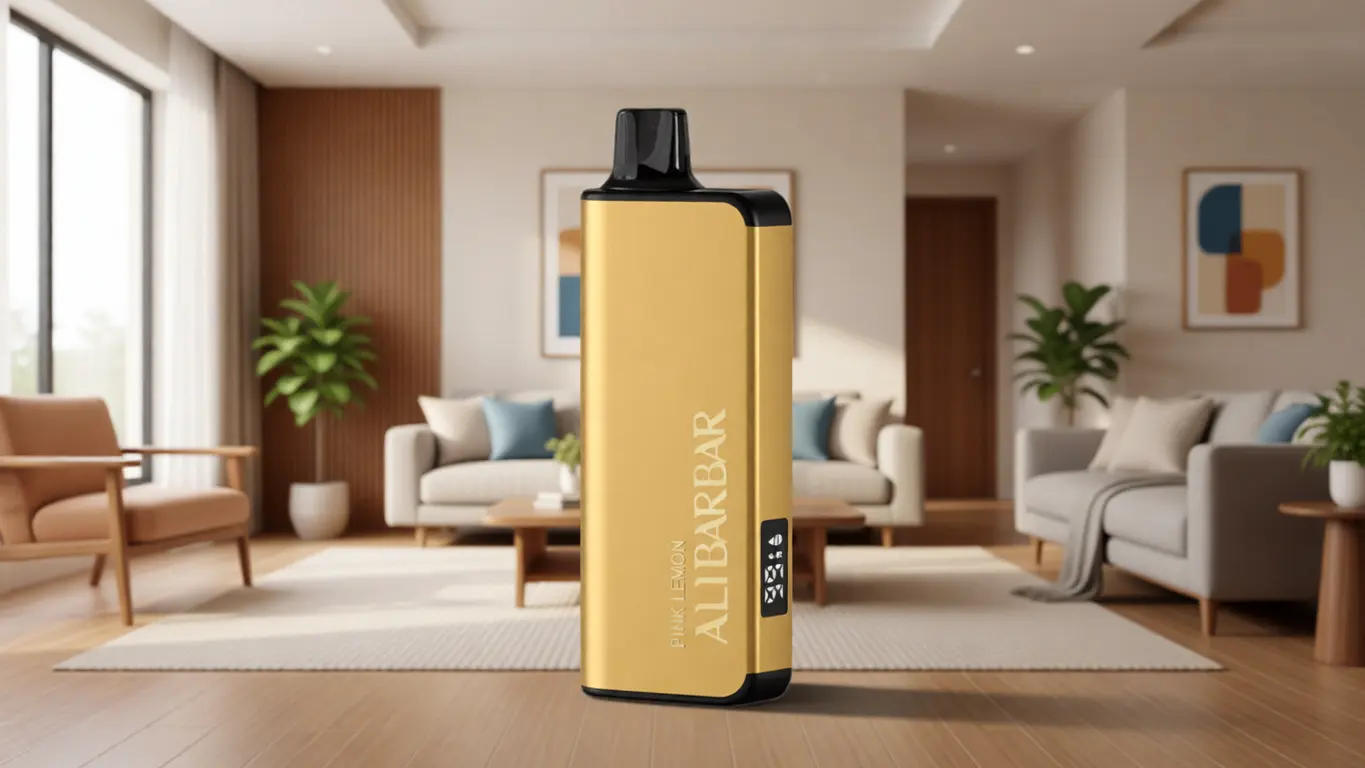
For the user who whitens on a disciplined morning schedule, a device with a clear digital display becomes a genuine ally. Knowing your battery level and session count at a glance lets you plan around the strip window instead of being surprised mid-routine. The ALIBARBAR INGOT 9000 fits this pattern: a straightforward internal display, moderate capacity suited to daily use, and a deliberately modest output temperature that favours comfort over spectacle.
For the all-day user who refuses to carry spares, capacity naturally takes priority. The ALIBARBAR INGOT 15000 addresses that need with a substantially larger energy reserve. But a long operational life has a hidden wrinkle: the longer a device stays in service, the more residue accumulates in the airway and on the mouthpiece. If your routine includes whitening, this unit demands a disciplined cleaning habit to avoid reintroducing stale residue into a sensitive mouth.
For the person whose enamel reacts to heat — which includes many adults during whitening cycles — adjustable output is the single most valuable feature. The ALIBARBAR Ice Adjust 12000 allows the user to lower the thermal profile of the aerosol, effectively dialling down the stress applied to freshly treated teeth. That adjustment isn’t about chasing a cooler cloud; it’s about mitigating the exact interaction described earlier in this article.
These criteria are not exclusive to the ALIBARBAR catalogue. Established manufacturers have engineered their own responses to the same questions. RELX built its closed-pod architecture around strict, standardised consistency — an approach that overlaps with the output-stability requirement outlined above, executed through a compact sealed form factor. Vaporesso’s modular systems, meanwhile, hand thermal control to the user, which suits individuals who want personal command over heat and draw. Each approach embodies a different trade-off, and any of them can serve a whitening routine provided the user understands the device’s behaviour. What warrants caution is the wave of generically labelled products that imitate the visual language of these established families while lacking the thermal regulation and honest capacity ratings — they look right in a product photo and perform abysmally in your mouth.
A Practical Framework for Evaluation
You don’t need to become an engineer to make an informed choice. You need a repeatable process. The following steps take less than fifteen minutes and will tell you more about a device’s suitability than hours of speculative forum reading.
First, map your actual routine. Write down when you use the device and whether whitening fits before or after. A morning strip user has different needs from someone who whitens in the evening before bed. If the device must coexist with a strip window, timing features and battery clarity matter. If it doesn’t, they matter less.
Second, verify status transparency. Does the device tell you its battery level and session state without requiring guesswork? Diagnose it this way: If this device provides no clear status feedback, you will eventually be caught mid-session in an unpredictable state — and you will have to interrupt your strip routine to deal with it.
Third, assess thermal flexibility. Determine whether the device’s output temperature can be adjusted or is fixed. If a fixed-output system runs hot, your freshly treated enamel will absorb the consequence. Adjustable thermal profiles are not a gimmick; they are an oral-comfort feature.
Fourth, inspect the mouthpiece. Look at the surface finish and the airflow path. Can you clean them? Does the mouthpiece detach? Run your fingernail across it. If residue clings visibly, imagine what it looks like after three weeks of use.
Fifth, confirm the documented specifications from a source that standardises them. A retailer that publishes consistent technical specifications — rather than leaving you to compare mismatched marketing claims — removes the guesswork. Standardised comparison is a practical friction-reducer, especially when the product in question interacts repeatedly with your oral tissue.
Common Selection Errors and Industry Observations
People undermine their own satisfaction in remarkably predictable ways, and those patterns extend across the entire market. Recognising them won’t make you an expert, but it will prevent the most common failure modes.
Overweighting one specification while ignoring complementary factors. Capacity figures attract disproportionate attention. A device with a huge claimed lifespan can still be a poor choice if its output drifts unpredictably or its mouthpiece cannot be cleaned. Every specification exists in relationship with others; isolating one is a category error.
Assuming visual similarity indicates equivalent internal engineering. Copycat products exploit the visual vocabulary of established devices. The exterior mimics, but the heating elements, airflow passages, and thermal management do not. The result is a device that resembles the genuine article and performs like a wholly inferior one. When oral comfort is at stake, internal engineering is the product.
Undervaluing modularity in cost-per-use calculations. A sealed device might look cheaper per session on paper, but if its non-cleanable mouthpiece collects residue that affects the taste and oral impact of every draw, the true cost includes the hygiene compromise. Modularity has a value that spreadsheets tend to miss until the device has been in service for a month.
Confusing category terminology with technical specifications. Terms like “disposable,” “rechargeable,” “pod,” and “mod” describe architectures, not quality or performance. A rechargeable device can be poorly engineered; a sealed unit can embody thoughtful design. The category label tells you nothing about the thermal consistency, the material quality, or the wiring. Judge the engineering, not the vocabulary.
At the industry level, a few observations are worth carrying with you. The grey-market flow of unverified hardware is substantial, and specification inflation is rife — capacity figures and material claims that would never survive documented testing. Manufacturing realities also mean that the same device design can vary across production batches. This is precisely why the retail channel matters: a supplier that sources from authorised distribution networks and stands behind the product with documented specifications and local support removes a meaningful chunk of risk. Your device spends time in your mouth. The channel through which you obtain it deserves as much scrutiny as the device itself.
Frequently Asked Questions
Q: Can I use my device while the whitening strips are on?
A: No. The peroxide temporarily opens enamel porosity, making the surface receptive to pigment, residue, and heat. Any aerosol exposure during the wear period increases the risk of staining and sensitivity. Remove the strip first.
Q: How long should I wait after removing the strips before using my device?
A: At least thirty to sixty minutes. The enamel needs time for saliva to remineralise the surface and close the pores. Rinse your mouth with water after strip removal to accelerate the recovery.
Q: Will using my device permanently stain my teeth?
A: The aerosol contains a glycerol base and flavourings that can deposit a brown or yellowish film on teeth over time. On freshly whitened enamel, the uptake risk is higher because the surface is more porous. Keeping the device clean and staying hydrated reduces the risk.
Q: Does nicotine make the whitening process worse?
A: Nicotine constricts blood vessels and reduces blood flow to the gums. This can amplify sensitivity and slow the gum tissue’s natural recovery. If you’re undergoing a course of whitening, it is sensible to reduce nicotine intake.
Q: Does the heat of the aerosol matter?
A: Yes, it does. Freshly treated enamel is structurally more receptive to thermal stress. A high-temperature aerosol contacting that surface can trigger sharp, immediate sensitivity. Lower output settings or devices with consistent thermal management mitigate this.
Q: Should I brush before or after applying the strips?
A: Brush and floss before applying the strips, as the peroxide works best on a clean surface. After removing the strips, rinse thoroughly and brush gently. Aggressive brushing immediately after whitening can abrade the temporarily softened enamel surface.
Q: Do I need a special device if I’m whitening my teeth?
A: Not a special device, but you should prefer one with adjustable output, transparent battery status, and a cleanable mouthpiece. These features give you control over the interactions this article has described. A standardised specification sheet, such as those published for the ALIBARBAR range, helps you verify these traits before purchase.
Q: What should I do if my device dies while the strip is in?
A: Remove the strip first, rinse your mouth, and then deal with the device. Never prioritise hardware troubleshooting over the immediate state of your oral tissue. This is precisely the scenario that clear status indicators help you avoid in the first place.
Q: How do I know whether a retailer’s product is authentic and compliant?
A: Look for documented supply chain information, published technical specifications, and a local return or support process. A retailer that can explain where its stock comes from and what it contains is a retailer you can reason with if something goes wrong.
Q: Is there a meaningful difference between locally sourced stock and overseas shipments?
A: Yes. Local stock sourced through authorised distribution networks carries compliance labelling, honest specifications, and enforceable recourse. Overseas grey-market purchases typically lack warranty coverage and often display inflated or fabricated claims. When the product touches your mouth, authenticity is a health consideration, not a bureaucratic one.
Conclusion
The central insight here is straightforward: whitening strips make your enamel temporarily vulnerable, and your choice of device determines how much additional stress you willingly introduce during that window. The chemistry is fixed; the engineering is variable. A device with consistent output, clear status transparency, and a cleanable mouthpiece is not a luxury — it is a sensible response to how the whitening process actually works.
Informed users make better decisions. Knowing how your device behaves under real conditions, what its materials accumulate over time, and when to set it down entirely puts control back in your hands. It is equally important to consider where the device comes from. When a product interacts with your oral tissue day after day, the retail channel carries responsibility. OZVAPE Shop operates on that principle: documented sourcing, standardised specifications, and local accountability.
The right choice isn’t the device with the most attention-grabbing claims or the largest number printed on the box. It’s the one that fits your actual routine, your tolerance for discomfort, and the way your body responds. Whitening strips and devices can coexist, but only when you understand the sequence — and respect the window between them.