
VAPE FAQs
Can You Vape While Taking Metformin?

May
Metformin is one of the most widely prescribed medications for type 2 diabetes, and vaping has become a common alternative for adults who previously used combustible tobacco. A question that arises with increasing frequency is whether the two can coexist safely: Can you vape while taking metformin?

There is no single yes-or-no answer that fits every individual, but the available pharmacological knowledge, clinical observations, and physiological principles allow us to frame the issue with the nuance it deserves. This article examines the mechanisms that could link vaping and metformin, identifies what the current evidence does—and does not—tell us, and offers a practical framework for anyone who needs to make an informed decision. OZVAPE Shop believes that responsible product use begins with transparent, accurate information, and that includes being candid about the limits of what we know.
Understanding the Potential Interaction Between Vaping and Metformin
To assess whether vaping while on metformin raises concerns, we must look at three distinct layers: the direct pharmacological interplay, the impact of inhaled constituents on glucose metabolism, and the cardiovascular context that surrounds both habitual vaping and long-term metformin therapy. None of these layers provides a definitive warning signal, but each contributes to a pattern that responsible users and clinicians should not ignore.
Nicotine, Flavourings, and Blood‑Sugar Regulation
Most vaping liquids contain nicotine, which has well‑documented effects on insulin sensitivity and glucose homeostasis. Nicotine activates the sympathetic nervous system, leading to the release of catecholamines such as adrenaline. These hormones raise blood glucose by promoting glycogenolysis and gluconeogenesis in the liver, while simultaneously reducing peripheral glucose uptake. For an individual already managing insulin resistance with metformin, this stress‑response can superimpose a transient hyperglycaemic spike onto an otherwise controlled baseline.
Chronic nicotine exposure also impairs pancreatic beta‑cell function over time, an effect that is particularly unwelcome in type 2 diabetes, where beta‑cell reserve is already under strain. Even in the absence of direct molecular interference with metformin, the metabolic disturbance caused by nicotine can make the drug’s job harder, leading to higher average blood glucose readings and potentially necessitating dosage adjustments that could have been avoided.
Zero‑nicotine vaping liquids eliminate the nicotine variable but are not necessarily metabolically inert. Some common flavouring agents—when heated and inhaled—produce carbonyl compounds that have been shown in animal models to increase oxidative stress and transiently worsen insulin signalling. The clinical significance of these short‑lived exposures remains uncertain, but the principle of avoiding unnecessary metabolic stressors while on a first‑line diabetes medication is worth keeping in view.
Metformin’s Mechanism and the Question of Direct Interference
Metformin lowers blood glucose primarily by reducing hepatic gluconeogenesis and improving peripheral insulin sensitivity, mediated through activation of AMP‑activated protein kinase (AMPK). Its most feared adverse effect, lactic acidosis, occurs when metformin accumulates in the setting of renal impairment or severe tissue hypoxia, triggering a switch to anaerobic metabolism.
Is there a plausible pathway through which vaping could directly interfere with metformin’s pharmacokinetics? The drug is excreted unchanged by the kidneys via organic cation transporters (OCT2). Inhaled nicotine is metabolised by the liver, not the kidneys, and neither nicotine nor cotinine is known to compete significantly for OCT2‑mediated excretion. On a purely elimination‑based analysis, vaping is unlikely to raise metformin levels acutely or increase the risk of lactic acidosis through accumulation.
However, the indirect effects warrant attention. Severe, prolonged dehydration—a potential consequence of heavy vaping due to propylene glycol’s hygroscopic properties—can reduce renal perfusion and impair metformin clearance. While this is rare in healthy adults with normal kidney function, someone with undiagnosed early renal impairment or borderline glomerular filtration rate could, over time, drift into a risk zone where metformin accumulation becomes clinically relevant. This is not a vaping‑metformin interaction in the classical sense, but a physiological condition precipitated by vaping that alters the safety profile of the drug.
Cardiovascular Overlap and Compounding Risk
Both type 2 diabetes and habitual nicotine use increase cardiovascular risk, albeit through overlapping but distinct pathways. Metformin itself has a neutral to mildly protective cardiovascular profile. Nicotine, irrespective of delivery method, raises heart rate, blood pressure, and myocardial oxygen demand. In a patient with established atherosclerotic disease—common in long‑standing diabetes—the daily haemodynamic stress from vaping adds a cumulative burden that metformin does not directly address.
There is no evidence that metformin and nicotine together produce a unique cardiotoxic synergy beyond what each contributes independently. Nevertheless, the combination represents two simultaneous chronic stressors on a vascular system that already operates with limited reserve. Clinicians who advise patients to discontinue nicotine use while on metformin are often motivated by this broader risk calculation rather than by a specific pharmacokinetic concern.
What the Current Research Tells Us—and Its Limitations
Direct studies examining the safety of vaping in patients taking metformin are essentially absent from the peer‑reviewed literature. Most human research on vaping and glucose metabolism involves small, short‑term studies looking at acute glycaemic changes after a single vaping session. These generally show modest increases in blood glucose that return to baseline, but they do not follow patients for the months or years relevant to chronic metformin therapy.
Rodent models have demonstrated that nicotine‑containing aerosols can worsen insulin resistance and promote adipose tissue inflammation, but extrapolating these findings to humans using modern temperature‑controlled devices requires caution. Moreover, the metformin doses used in such studies are often supraphysiological relative to human therapeutic ranges.
The strongest available data come from observational population studies. Smokers with diabetes who switch to vaping often report no worsening of glycaemic control, and some even note small improvements as they reduce exposure to combustion‑derived toxins. However, these self‑reported outcomes are confounded by simultaneous lifestyle changes, making it nearly impossible to isolate the effect of vaping per se.
What we can responsibly conclude:
There is no documented case of a serious adverse event specifically arising from the combination of metformin and vaping.
Nicotine’s glycaemic and cardiovascular effects are real and measurable, and they operate in the opposite direction to metformin’s therapeutic goals.
The absence of direct interaction data should not be mistaken for proof of safety; it reflects a gap in research, not a clean bill of health.
A Practical Framework for Evaluating Your Own Situation
For the adult who currently vapes and is prescribed metformin—or for someone on metformin who is considering starting to vape—the decision is ultimately a personal one that should be guided by a clinician who knows your full medical history. The following questions are designed to help you structure that conversation, not to replace it.
What is your current level of glycaemic control? If your HbA1c is stable and your fasting glucose readings are within target range, modest nicotine‑induced fluctuations are less concerning than if you are already struggling to achieve adequate control.
Have you noticed any patterns? Track your blood glucose before and after a vaping session over several days. A consistent rise of more than 1.0–1.5 mmol/L may be clinically meaningful and worth discussing.
What is your renal function? If you know your eGFR is above 60 mL/min and stable, the risk of metformin accumulation from vaping‑related dehydration is minimal. If your kidney function is declining, any factor that reduces perfusion—including intense vaping sessions in hot environments—should be treated with greater care.
Do you use nicotine or nicotine‑free liquids? Eliminating nicotine removes the most potent metabolic disruptor, but it does not absolve you of the need to stay hydrated and monitor yourself, as described earlier.
What other cardiovascular risk factors do you carry? Hypertension, dyslipidaemia, a history of myocardial infarction, or diabetic neuropathy all magnify the impact of nicotine‑induced haemodynamic stress. In these scenarios, the safest course may be to wean off nicotine entirely, regardless of delivery method.
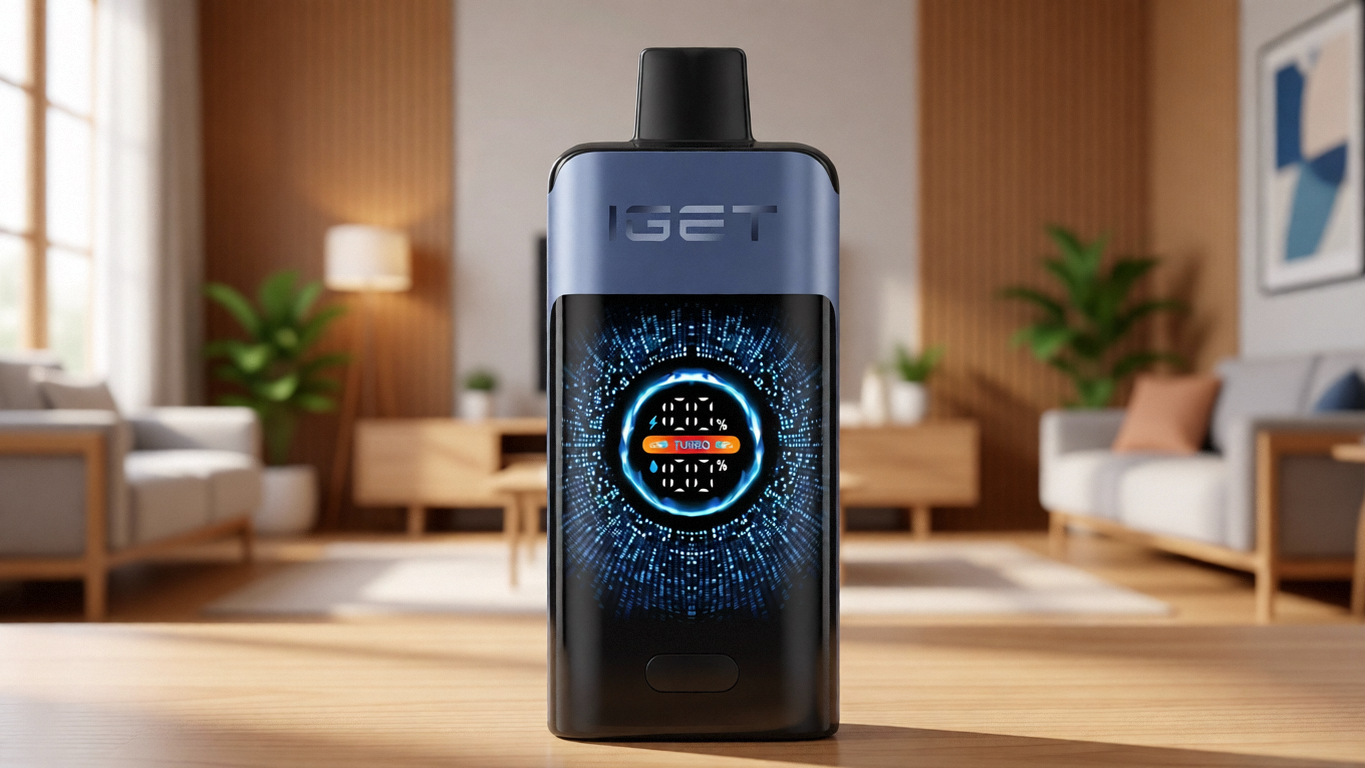
Viewed through the lens of product design, these considerations mirror the way one would evaluate a device’s safety features. A device that provides transparent status feedback—much like a clear blood glucose reading—reduces uncertainty. OZVAPE Shop emphasises that no device, however well‑engineered, can eliminate the personal responsibility of understanding how its use interacts with your health.
Common Misconceptions Worth Correcting
“Vaping is just water vapour, so it can’t interact with my medication.”
The aerosol produced by an electronic device is not water vapour; it is an aerosol of propylene glycol, glycerol, flavourings, and, in most cases, nicotine. Nicotine is pharmacologically active and influences multiple organ systems. Dismissing vaping as harmless steam oversimplifies the reality.
“Metformin only works in the liver, so what I inhale doesn’t matter.”
While metformin’s primary action is hepatic, its effectiveness hinges on whole‑body insulin sensitivity. The autonomic response to nicotine raises counter‑regulatory hormones that directly antagonise metformin’s glucose‑lowering effect. Inhaled substances do matter.
“If there’s no known interaction, it must be safe.”
Absence of evidence is not evidence of absence. The combination of metformin and vaping has not been systematically studied, but the individual metabolic effects of each are well characterised. A lack of interaction warnings on the label reflects the novelty of vaping, not a definitive safety determination.
“Zero‑nicotine vaping is completely neutral for diabetes.”
Even without nicotine, the act of inhaling heated flavourings exposes the lungs and, secondarily, the circulation to reactive compounds that can trigger low‑grade systemic inflammation. Chronic inflammation is a known contributor to insulin resistance. While the magnitude of this effect is probably small, it is not zero.
Frequently Asked Questions
Q: Does vaping affect metformin absorption in the gut?
A: There is no evidence that vaping alters gastrointestinal pH, motility, or transporter function in a way that would meaningfully change metformin absorption. Metformin is absorbed primarily in the small intestine, and the systemic effects of inhaled nicotine are unlikely to interfere with this process.
Q: Can vaping increase the risk of lactic acidosis while on metformin?
A: Not directly. Lactic acidosis occurs when metformin levels rise due to impaired renal clearance or when tissue hypoxia drives anaerobic metabolism. Vaping does not compete for metformin’s renal transporter, but severe dehydration from heavy vaping could theoretically reduce kidney function in susceptible individuals, raising a secondary concern. Stay hydrated and monitor kidney function if it is already borderline.
Q: Is it safe to vape if I have diabetes but am not on medication?
A: Nicotine still impairs insulin sensitivity and raises blood glucose, so the risks are similar regardless of therapy. The lack of metformin removes the accumulation concern, but the glycaemic and cardiovascular stresses persist. Discuss with your doctor.
Q: Should I adjust my metformin dose if I start vaping?
A: Never adjust your dose without consulting your prescribing physician. If you notice a consistent deterioration in your glucose readings after beginning to vape, report this to your doctor. They may recommend lifestyle adjustments rather than medication changes as a first step.
Q: Are some vaping devices safer than others in terms of chemical output?
A: Different devices operate at different temperatures, and lower‑power units tend to produce fewer thermal degradation products. While this may reduce exposure to carbonyls, it does not eliminate the effects of nicotine. If you choose to vape, understanding the engineering behind your device—such as temperature control and power regulation—can help you make an informed choice, which is why transparent product information is a core value for retailers like OZVAPE Shop.
Q: What should I tell my doctor about my vaping habit?
A: Disclose it honestly. Many clinicians now recognise vaping as a distinct behaviour from smoking, but they need to know the details: frequency, nicotine concentration, and device type. This information helps them interpret your blood work and gives them a fuller picture of your metabolic influences.
Q: Does second‑hand vapour affect someone taking metformin?
A: The concentrations of nicotine and other compounds in ambient vapour are orders of magnitude lower than those from direct inhalation. No data suggest that bystander exposure is clinically relevant for someone on metformin, though avoidance in enclosed spaces remains a courteous practice.
Q: Can I vape during the fasting period before a blood test for metformin monitoring?
A: Nicotine can transiently raise blood glucose and free fatty acids, which may confound fasting measurements. For the most accurate assessment of your baseline, avoid vaping for at least one hour before the blood draw.
Conclusion: Knowledge Over Assumption
Metformin is a life‑saving medication whose safety profile is well understood under standard conditions. Vaping introduces a set of metabolic variables that are still being mapped. The two do not interact in a dramatic, headline‑worthy manner, but they intersect in subtle ways that can erode glycaemic control and place additional strain on a cardiovascular system that needs protection, not provocation.
The best course is to approach the combination with the same methodical mindset you would apply to any device you rely on daily. Know what you are inhaling, track the signals your body returns, and consult a healthcare professional who can help you sift through the nuance. Simply assuming safety because no alarm bell has rung is a gamble that no informed user should take.
When you source a device from OZVAPE Shop, you are engaging with a retailer that prioritises accuracy in product specifications and the dissemination of practical, honest information. That commitment extends to acknowledging the limits of what any product can guarantee when it comes to personal health. Your routine, your medication, and your physiology are unique. The right choice is the one that aligns with all three—not the one that sounds most reassuring.