
VAPE FAQs
Can You Vape In South Korea?
May
South Korea’s regulatory environment for personal electronic vaporisers can catch even experienced travelers off guard. The country does not ban possession outright, but a combination of nicotine classification, customs enforcement, and social norms creates a landscape where what you carry and how you use it matters deeply. This article separates current legal fact from common traveler assumptions, and explains what an informed adult should know before packing any device for a trip to the peninsula.
Navigating this information requires a careful look at the applicable laws, the specific definitions that trigger penalties, and the practical on‑the‑ground reality – because what appears permissible on paper does not always match the experience at the arrival gate. Throughout this analysis, we draw on official regulatory notices, enforcement data, and structured observations to help you assess risk accurately. Where uncertainty exists, we state it plainly rather than over‑simplify. And for those who source their devices through documented channels like OZVAPE Shop [internal link], understanding the distinction between compliant and non‑compliant hardware becomes even more critical when crossing borders.
The Legal Foundation: How South Korea Classifies Vaporiser Products
South Korea regulates electronic vaporisers primarily through the Tobacco Business Act and National Health Promotion Act. The key differentiator – the one that determines whether a device is treated as a consumer product or a controlled substance – is the nicotine source.
Nicotine‑Based Liquids: The Pharmaceutical Gateway
If a liquid contains nicotine extracted from tobacco leaves, it is legally considered a tobacco product. This means it attracts the same excise taxes, health warning obligations, and sales restrictions as conventional cigarettes. For adult travelers, possession of a fully assembled device containing such liquid is not a criminal offence; you can bring it for personal use within duty‑free allowances (typically one carton’s worth of tobacco‑equivalent, but enforcement varies by inspector). However, the crucial point is that nicotine‑based liquids for open systems are effectively unavailable to purchase locally – the domestic market is dominated by closed‑system, pre‑filled units sold by licensed tobacco retailers. Visitors cannot easily replenish a refillable tank, and importing liquid through mail is prohibited under tobacco import regulations.
Synthetic Nicotine: A Loophole Under Scrutiny
A significant grey area exists for synthetic nicotine (non‑tobacco‑derived). As of early 2025, synthetic nicotine does not fall under the Tobacco Business Act, meaning liquid containing this type of nicotine is not taxed as a tobacco product and is not subject to the same distribution controls. This has led to a visible market of devices that exploit this classification. However, the Ministry of Food and Drug Safety has expressed repeated concern, and the regulatory tide is shifting. Several bills tabled in the National Assembly aim to amend the Act to capture all forms of nicotine, regardless of origin. Any adult traveling with devices should not assume synthetic nicotine provides enduring protection; an overnight regulatory change could suddenly reclassify the product. Customs officials already have discretion to seize substances they suspect are unregistered pharmaceuticals if they believe the product poses a health risk.
Nicotine‑Free Devices: The Grey Zone of Enforcement
Hardware that never contained nicotine – and is not sold as a tobacco product – sits in an awkward position. A standalone device without any liquid pod or cartridge is generally treated as an electronic appliance. There is no outright ban on possession. But at ports of entry, an officer who sees a device associated with vaporising may request proof of what it is typically used with. If you cannot convincingly demonstrate that you use it solely with zero‑nicotine substances, you might face delays and confiscation. This is not a stated legal penalty; it is a practical enforcement friction point.
Import, Export, and Customs: What You Can Actually Bring Through the Gate
This is where traveler experience diverges from statute. South Korea allows adults to carry e‑cigarettes for personal use, but the volume and presentation of your gear can trigger inspection.
Device count: Carrying an excessive number of units (more than 2–3) suggests commercial intent and can lead to confiscation or fines under customs laws regarding undeclared goods.
Separate components: If your device is modular – a battery section, a pod, a coil – keeping parts disassembled and in original packaging reduces the likelihood that an officer will treat them as a consumable tobacco product. Conversely, a single assembled device with a filled pod full of nicotine liquid is visually indistinguishable from a conventional cigarette alternative and is most likely to be counted against your tobacco allowance.
Batteries: Lithium‑ion batteries are subject to air transport safety rules. Loose batteries are not allowed in checked luggage; they must be in carry‑on. A device with a built‑in non‑removable battery (like many of the integrated units in the ALIBARBAR range) simplifies compliance with aviation regulations, as the entire device is a sealed unit.
For an adult accustomed to products like those stocked by OZVAPE Shop, the takeaway is clear: a closed‑system, pre‑filled device with a visible indicator of remaining capacity reduces on‑the‑spot ambiguity at customs. Customs officers are trained to recognise standardised, factory‑sealed units as personal consumer items more readily than open, rebuildable tank systems that might be associated with refilling and unknown liquids.

Penalties: From Confiscation to Criminal Consequences
The severity of outcomes escalates with intent and substance classification.
Simple possession of a nicotine‑containing e‑cigarette without purchase documentation: Usually no penalty for an adult, as long as the quantity is personal. However, if a device is suspected to contain cannabis or other controlled substances, drug enforcement laws apply immediately – possession can result in arrest, prosecution, and imprisonment. This is non‑negotiable. South Korea enforces a strict zero‑tolerance policy on any narcotic, and a vaporiser that tests positive for an illicit compound will lead to severe consequences.
Sale or distribution of unlicensed nicotine products: This is a criminal offence. Any activity that looks like you are supplying devices to others – even gifting – can attract charges. A traveler who carries several sealed devices to give to friends is at serious legal risk.
Vaping in prohibited public spaces: Local ordinances extend smoking bans to e‑cigarettes in most indoor public places, public transport, and many outdoor areas. A violation can result in a fine of up to 100,000 KRW (~$115 AUD). The definition of “vaping” includes holding an activated device; you do not need to exhale a visible plume.
Cultural Context and Practical Realities of Use
South Korea has one of the highest rates of conventional cigarette consumption among OECD nations, which creates a peculiar parallel reality: smoking is widely tolerated in designated areas, but vaping – especially with larger, unfamiliar devices – draws more scrutiny. The social contract is heavily biased toward discreet, short‑duration use. A device that emits little to no visible aerosol and can be used quickly is far less likely to provoke complaints from passers‑by or intervention by transit police.
Adult users who routinely carry high‑capacity devices find they attract unwanted attention in Seoul or Busan, where enforcement officers may not distinguish between a high‑capacity vaporiser and a device that could be modified for drug consumption. The moderate, compact form factors typical of the ALIBARBAR design philosophy – with clear battery status, simple activation, and inconspicuous finishes – align more naturally with the behavioural expectation in dense urban environments.
Traditional Korean restaurants, cafes, and entertainment venues almost universally ban vaping indoors. Even in outdoor dining areas, social pressure usually means stepping far away from tables.
A Practical Framework for the Traveling Adult
If you intend to bring a personal device to South Korea, the following checklist can help you reduce legal and social friction:
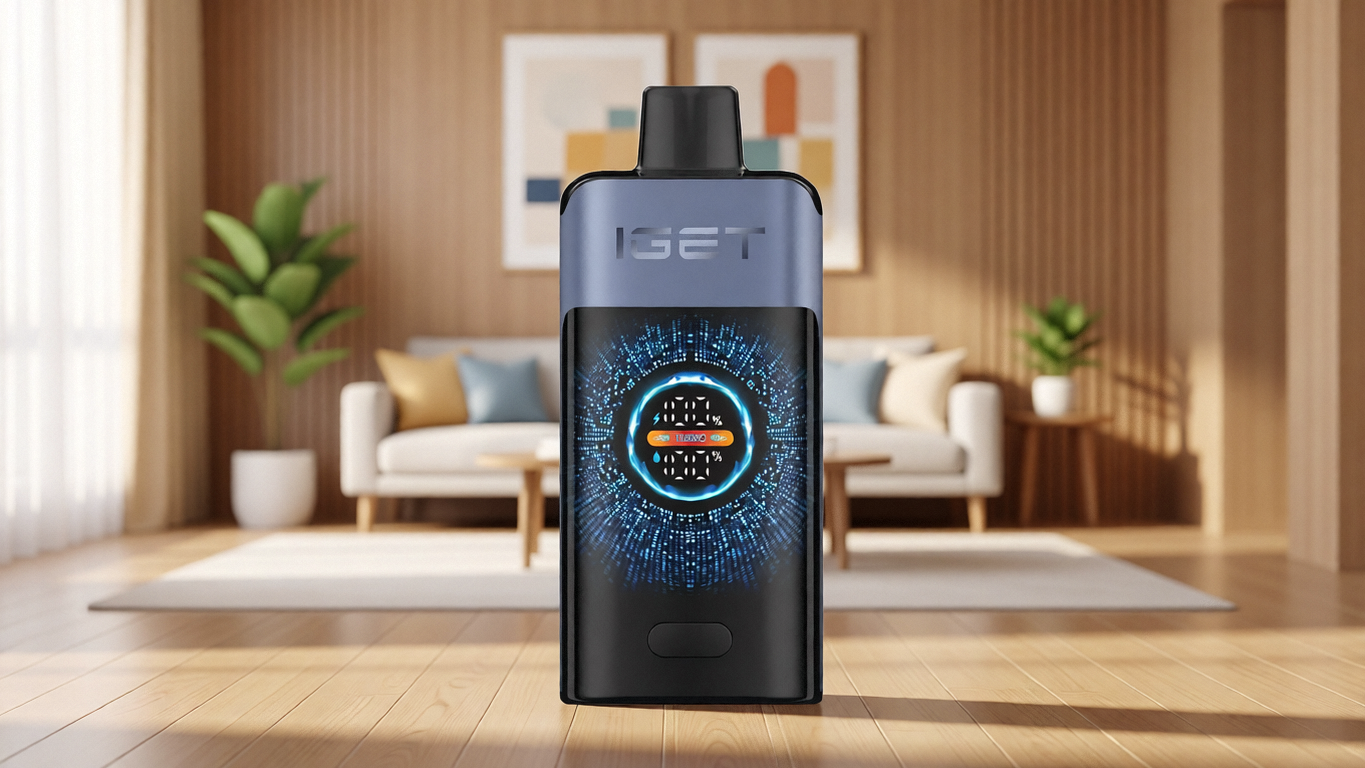
Check your device’s status indicators. Does it clearly show remaining sessions or battery life without requiring a separate app? If not, you risk unknowingly carrying a unit that expires mid‑trip, leaving you in a country where you cannot legally purchase a refill. Many sealed devices with integrated power cells, like those available through OZVAPE Shop, provide unambiguous session‑count feedback, removing that uncertainty.
Verify the nicotine source. If your device uses tobacco‑derived nicotine, be prepared to declare it as a tobacco product upon arrival. If it uses synthetic nicotine, have documentation that identifies the contents; even a packing slip from an authorised retailer can shift an officer’s assessment from suspicion to acceptance of personal use.
Bring exactly what you need – and no more. Calculate your typical usage and carry only that amount plus one backup, all in original, sealed packaging. Avoid any appearance of distribution.
Have a plan for end‑of‑life disposal. Discarded pods or cartridges containing nicotine residue are considered hazardous waste in some jurisdictions. Improper disposal can attract local fines. Pre‑filled, self‑contained devices that lock away residual materials until returned to a recycling stream are cleaner from a compliance standpoint.
Know the emergency protocol. If questioned at customs, remain calm and factual. State that the devices are for adult personal use, that they contain no prohibited substances, and request an interpreter if needed. Do not consent to any search or seizure beyond what is legally required without consulting a lawyer, though practical reality dictates that cooperativeness generally leads to swifter resolution.
Frequently Asked Questions
Q: Can I bring my ALIBARBAR device into South Korea?
A: Yes, as an adult you may carry a personal‑use quantity of a sealed, pre‑filled device that contains only nicotine (ideally tobacco‑derived for clear classification) for your own consumption. Declare it as a tobacco product if asked. Do not bring supplies that exceed a reasonable personal allowance, and ensure no components contain any substance beyond nicotine.
Q: Is vaping allowed in hotel rooms in South Korea?
A: Many hotels now enforce a strict non‑smoking policy that includes e‑cigarettes. Smoke detectors can be triggered by dense aerosol. Check your hotel’s policy before use; a cleaning fee or fine may apply.
Q: What is the penalty for underage vaping?
A: The legal purchase age for tobacco products, including e‑cigarettes, is 19 (Korean age). Minors found in possession face confiscation and can be reported to guardians. Shops that sell to minors face severe fines and licence revocation. Travelers under 19 should not carry any vaporiser equipment.
Q: Can I buy nicotine liquid for my open‑system tank in South Korea?
A: Not legally through standard retail channels. Nicotine‑containing liquids for open systems are not commercially available; the market for consumables is completely built around pre‑filled cartridges or pods. Travelers who use refillable systems should carry enough liquid for their entire stay, ideally in factory‑sealed bottles to demonstrate legitimacy.
Q: Is synthetic nicotine definitely legal?
A: It is not explicitly illegal under current tobacco laws, but the regulatory environment is unstable. Customs officials may treat it as an unregistered pharmaceutical if they suspect a health risk. Rely on this classification at your own risk, and always carry proof of product origin.
Q: What happens if my device is confiscated at the airport?
A: Confiscation for a small personal quantity is generally the end of the matter. You may be asked to sign a disposal form. You are not automatically arrested. However, if any illegal substance is detected, the incident becomes a criminal investigation immediately.
Q: Can I use my device in smoking areas?
A: Yes, outdoor smoking booths and designated areas generally permit e‑cigarette use. However, some parks, streets in certain districts, and all public transport hubs prohibit smoking entirely. Look for signage indicating “흡연 구역” (smoking area) and observe local behaviour.
Q: Are ALIBARBAR devices available for purchase in South Korea?
A: ALIBARBAR products are primarily distributed through authorised channels in Australia, such as OZVAPE Shop. They are not part of the domestic South Korean retail landscape. Travelers should acquire devices before departure and carry them in accordance with customs regulations.
Conclusion
South Korea does not prohibit the possession of personal e‑cigarettes by adults, but the devil is in the details: how the nicotine is derived, how much equipment you carry, and how visibly you use it. The penalties for missteps range from confiscation to far more serious drug‑related charges, and the cultural expectation is for extreme discretion. An informed traveler is one who prepares by understanding these nuances, not by assuming that legality in Australia translates directly to the Korean peninsula.
For the adult who already accesses devices through transparent, factory‑certified channels like OZVAPE Shop [external link], that preparation is simpler: the standardised form factor, status transparency, and sealed‑unit architecture characteristic of the ALIBARBAR collection inherently reduce the ambiguity that customs officers and local enforcers find suspicious. Still, the final responsibility rests with you. Check the latest travel advisories, review your device’s specifications against aviation safety rules, and decide whether the convenience of a familiar tool outweighs the complexity of a foreign regulatory system. The right choice is the one that keeps you on the right side of both law and comfort – no device is worth a ruined trip.