
VAPE FAQs
Can You Vape In Hospital?
May
It is a question that surfaces with surprising regularity, and almost always at the worst possible moment. A relative is admitted to hospital, a long wait in emergency is expected, or a scheduled procedure demands an overnight stay. The adult who vapes, accustomed to managing their nicotine intake with a compact electronic device, suddenly confronts a wall of signage, institutional quiet, and the uneasy sense that what is acceptable on the street may not be permitted inside these walls. The real problem is not the absence of rules — hospitals are among the most tightly regulated environments in the country — but the lack of clear, accessible guidance written specifically for the person who relies on a device that sits somewhere between a medical aid and a lifestyle product. This article attempts to address that gap with the directness it deserves.
At OZVAPE Shop, we are often asked what our products can be used for, but equally important is the question of where. Providing reliable information about lawful and considerate use is part of the responsibility we accept as a supplier of factory‑certified personal electronic devices. This piece is not an inducement to vape in prohibited spaces; it is a sober examination of the legal, medical, and practical realities that any adult should weigh before assuming they can use a device inside a hospital setting.
The Legal and Regulatory Landscape
Australia’s approach to vaping has never been uniform, and that patchwork becomes even more apparent inside healthcare facilities. The question of whether you can vape in a hospital is answered not by a single statute but by converging layers of federal, state, and institutional authority.
How Smoke‑Free Legislation Extends to Vapour Products
Most Australian states and territories have enacted smoke‑free environment laws that explicitly include e‑cigarettes and personal vaporisers within the definition of prohibited products. In Queensland, for example, the Tobacco and Other Smoking Products Act 1998 was amended to treat vaping identically to smoking in all enclosed public spaces, with hospitals explicitly named as smoke‑free zones. New South Wales followed suit through the Smoke‑free Environment Act 2000, which now defines “smoking” to encompass the use of e‑cigarettes. Victoria’s Tobacco Act 1987 similarly captures vaping under its smoking bans. While the precise wording varies, the net effect is consistent: if a building is designated smoke‑free by law, that prohibition almost certainly extends to vapour products, even when no combustion is involved.
Hospital‑Specific Policies: The Authority Beyond Legislation
Even where state legislation might be ambiguous or contain exemptions — an exceedingly rare scenario inside healthcare settings — individual hospitals and local health districts possess the authority to impose stricter controls. A facility’s own by‑laws can prohibit vaping on the entirety of the campus, including outdoor gardens, car parks, and staff accommodation. These policies are not advisory; they are conditions of entry, and non‑compliance can result in removal from the premises or, in egregious cases, charges of trespass. What an adult user needs to understand is that the absence of an explicit “no vaping” sign does not constitute permission. The default position inside any Australian hospital is that vapour products are banned unless a clearly designated area states otherwise.
Health and Safety Considerations That Go Beyond the Individual
The legal framework exists for reasons that extend well beyond moral preference. A hospital is an engineered environment designed to protect individuals whose health is already compromised in ways that are often invisible to the casual visitor.
The Reality of Secondhand Aerosol in Vulnerable Populations
While the composition of e‑cigarette aerosol differs markedly from tobacco smoke, it is not chemically inert. Research has identified the presence of fine particulate matter, volatile organic compounds, and nicotine residue in exhaled vapour. Inside a respiratory ward, a cardiac unit, or an oncology day‑care area, even low‑level exposure may be clinically significant. Premature infants, immunocompromised patients, and individuals with severe asthma may not have the physiological reserve to tolerate additional airborne substances. Hospital administrators do not need randomised controlled trials to prove harm; they operate on a precautionary principle that treats any avoidable exposure as unacceptable. This is not a judgement on the relative risk of vaping versus smoking — it is a clinical risk management decision that leaves little room for personal negotiation.
Equipment Sensitivity and Fire Safety
Less discussed but equally important is the interaction between vapour devices and delicate medical equipment. Many hospitals house MRI machines, oxygen lines, and sensitive monitoring systems that can be affected by electromagnetic interference or atmospheric changes. While the risk of a device’s battery causing a genuine disruption is low, fire safety protocols are absolute. Hospitals treat any device with a lithium‑ion battery, heated coil, or potential for thermal runaway with the same scrutiny as a lit cigarette. The use of a vaporiser in proximity to an oxygen supply is particularly dangerous: oxygen‑enriched environments can accelerate combustion dramatically. Even if the user is careful, the institutional concern is the behaviour of the device, not the user’s intentions.
Practical Guidance for Patients and Visitors
The information above can feel stark, but it leaves many people with a practical dilemma: what does one actually do when a hospital stay lasts longer than anticipated, or when a visitor who vapes needs to remain on site for hours?
Initiating a Conversation with Clinical Staff
A surprising number of admissions involve some form of nicotine management. The most productive approach is to inform the admitting nurse or treating doctor that you are a regular user of nicotine‑containing products. Frame it as part of your overall health picture, much as you would disclose a food allergy or a prescribed medication. Many hospitals have protocols for nicotine replacement therapy (NRT) — patches, gum, or lozenges — that can be administered during an inpatient stay. While these are not a perfect substitute for the sensory experience of vaping, they do prevent the onset of withdrawal symptoms that can complicate recovery. Acknowledging the need early prevents a situation where a distressed patient or visitor resorts to covert device use, which invariably ends badly.
Designated Outdoor Zones and the Pitfall of Assumptions
Some hospitals maintain designated smoking areas, often located at the periphery of the campus. It is a mistake to assume that these areas automatically permit vaping. The legal designation of these zones is precise; if they are authorised only for tobacco smoking under a specific exemption, using a vapour product within them may still constitute an offence. The only safe course is to ask a security officer or the hospital’s administration desk whether vaping is explicitly permitted in the designated location. If the answer is anything short of a clear “yes,” the device must remain stored. For long‑term visitors, identifying a location entirely off hospital grounds — a public footpath or park bench beyond the facility’s boundary — is the most reliable way to remain compliant while managing a need that, for many, is a stubborn physiological reality.
Where Transparent Product Information Becomes Relevant
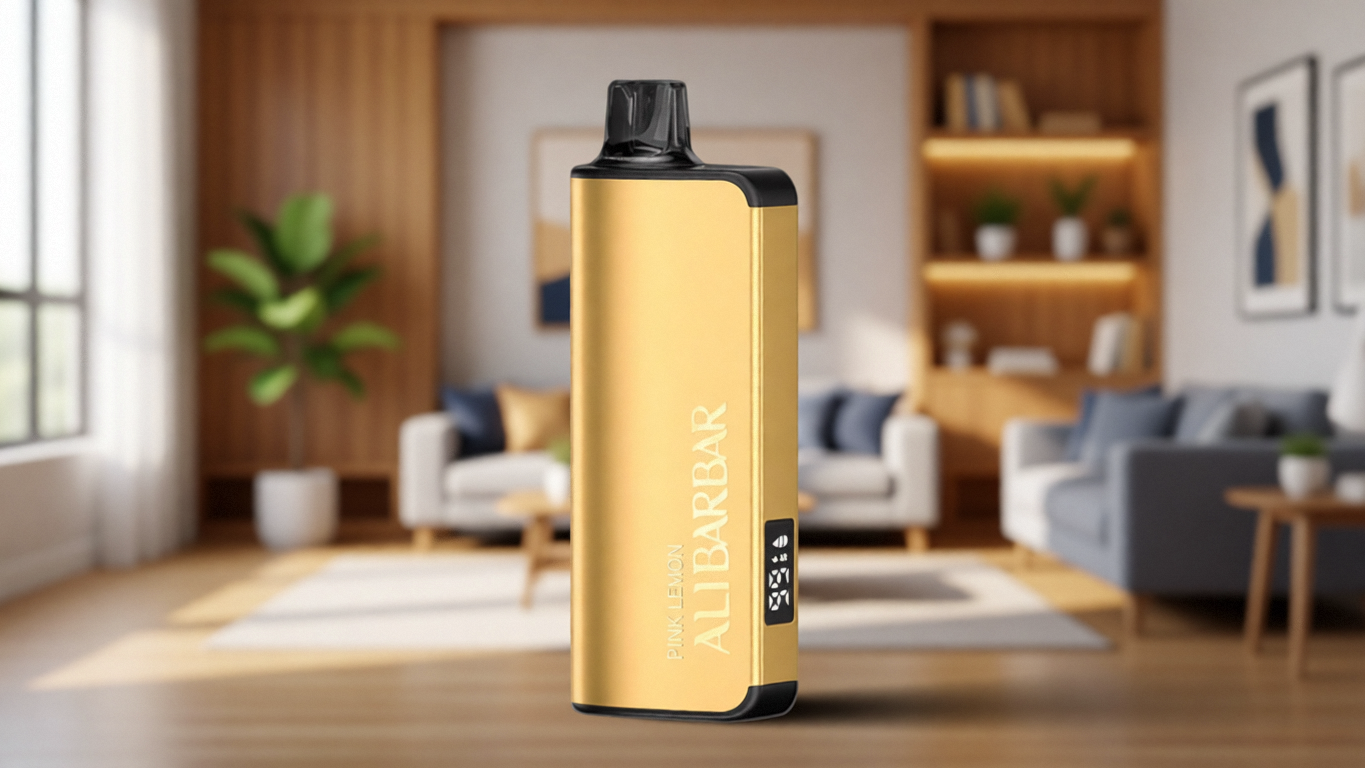
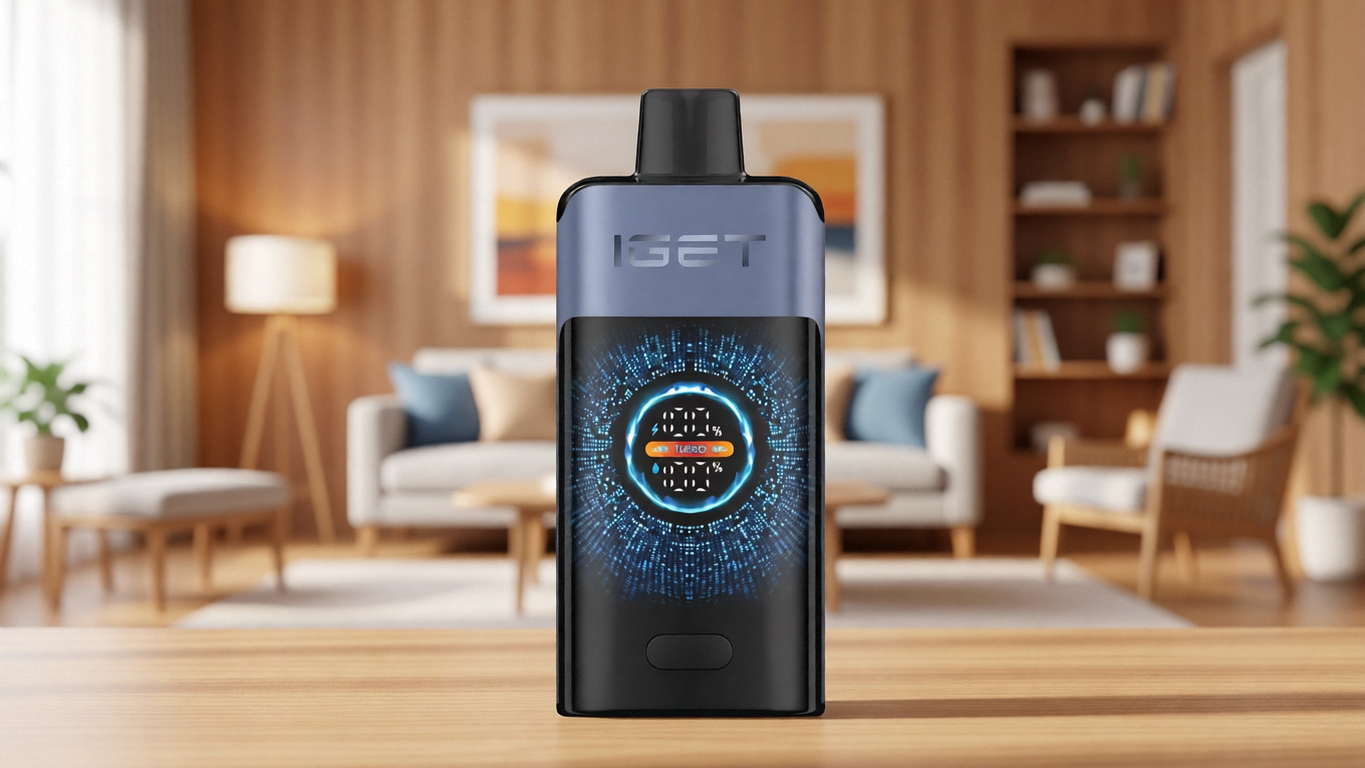
None of this means that an adult who vapes should abandon their device entirely, or that there is something inherently wrong with possessing it on hospital grounds for use when they leave. The issue is one of responsible storage and timing. Having a device that communicates its status clearly — battery life remaining, power output, a secure mouthpiece that prevents accidental activation in a bag — becomes particularly important when you are moving through a high‑stress environment and cannot afford unpredictable behaviour from your equipment. This is where the design principles that we at OZVAPE Shop advocate become tangible: devices with unambiguous status indicators, reliable power management, and robust build quality reduce the likelihood of drawing unwanted attention through a malfunction. While no device should be used inside a hospital, a well‑engineered unit that you can trust to remain inert when stored is simply one less variable during an already charged situation.
Common Misconceptions About Vaping in Healthcare Settings
The gap between what the public assumes and what institutions enforce is wide. Understanding the most persistent misconceptions can prevent both embarrassment and legal jeopardy.
“It’s not smoke, so the rules don’t apply.” Modern legislation almost universally defines “smoking” in a way that encompasses the activation of an electronic device that produces an aerosol, regardless of whether it contains tobacco. The visual cue of an exhaled cloud, however benign the user may believe it to be, is treated as equivalent from a regulatory standpoint.
“I can use it discreetly in the bathroom.” Hospital bathrooms are not private residences. They are communal, monitored spaces often equipped with sensitive smoke detectors that can be triggered by dense vapour. An alarm activation in a hospital setting is not a minor inconvenience — it can divert clinical staff from patient care and, if traced back to an individual, becomes a serious matter.
“If I’m in a private room, it’s acceptable.” While a private room affords more seclusion, it remains subject to the same smoke‑free policies. Air‑handling systems in modern hospitals recirculate air between rooms and corridors, meaning that vapour can migrate into shared spaces. Clinicians entering the room may also have respiratory sensitivities that make exposure objectionable. A private room does not create a private jurisdiction.
“Outdoor areas like courtyards are fair game.” As noted earlier, many courtyards are still within the legal boundary of the hospital campus and are governed by the same restrictions. Some hospitals have deliberately removed ashtrays and signage from these areas to reinforce that the entire grounds are smoke‑free. Do not interpret open sky as implied permission.
“Vaping is a medical aid, so hospitals should allow it.” This argument, while emotionally understandable, does not align with current Australian medical guidelines. Nicotine vaporisers are not registered as therapeutic goods for smoking cessation by the Therapeutic Goods Administration, and the Australian Medical Association has not endorsed their use in clinical settings. A hospital’s first obligation is to the safety of all patients, not to accommodate a product category that remains under regulatory review.
Frequently Asked Questions
Q: What happens if I am caught vaping in a hospital?
A: Consequences range from a verbal warning to removal from the premises. Persistent or deliberate non‑compliance can escalate to police involvement, particularly if the individual poses a perceived risk to vulnerable patients or staff. Fines under state smoke‑free legislation can also apply.
Q: Can I leave my device in a hospital locker or security storage?
A: Most hospitals provide secure storage for personal belongings. A vaporiser, with its battery and heating element, should be disclosed to staff when checking in items. Storing it properly — ideally with the battery isolated if the device is modular — is a matter of basic safety and courtesy.
Q: Is there any Australian hospital that explicitly allows vaping?
A: No publicly funded hospital in Australia officially permits the use of vapour products on its premises. Private hospitals may have marginally different policies, but the overwhelmingly consistent position is a blanket ban across all clinical and non‑clinical areas.
Q: What should I do if I need nicotine during a long emergency department visit?
A: Inform triage staff that you are experiencing nicotine craving. They may offer nicotine replacement therapy or advise you on the nearest location entirely off‑site where use is lawful. Attempting to go without for extended periods can exacerbate stress, so early communication is key.
Q: Does the type of device I own affect how hospitals view it?
A: From a policy enforcement perspective, no. Whether you have a compact pre‑filled system or a high‑capacity modular unit, the device is still classified as an e‑cigarette. However, a device that resembles a medical inhaler may draw less scrutiny if it is simply being carried, though it should still be stored discreetly and never produced in restricted zones.
Q: Can hospital security confiscate my device?
A: Security personnel have the authority to ask you to secure the device or remove it from sight. In most cases, they will not physically seize personal property unless there is an immediate safety threat. However, refusal to comply with a lawful direction can result in confiscation or ejection.
Q: Are staff allowed to vape?
A: Hospital employees are bound by the same smoke‑free policies as patients and visitors. Disciplinary action, including termination of employment, can result from non‑compliance. There is no double standard in practice.
Q: If I vape before entering the hospital, will the residue cause a problem?
A: The vapour itself dissipates rapidly and does not leave the same persistent residue as tobacco smoke. Residual odour on clothing is unlikely to violate any policy. However, it is advisable to wash hands and avoid carrying a device that is still warm, as this can prompt questions.
Q: How can I find out the exact policy of a specific hospital?
A: Most hospital websites publish their smoke‑free policies in the “Patients and Visitors” section. Calling the hospital’s main switchboard and asking to be transferred to the security office or patient liaison unit is the most direct method.
Q: Is it ever permissible to use a vaping device for therapeutic purposes on hospital grounds?
A: Only if the device is a TGA‑registered medical device prescribed by a treating physician and expressly authorised by the hospital administration. This scenario is so rare as to be functionally irrelevant for the general public. A standard consumer vaporiser does not meet these criteria.
Summing Up
The question “Can you vape in hospital?” deserves an answer that is neither evasive nor punitive. The reality is that within the boundaries of any Australian hospital, the use of a vapour device is almost certainly unlawful and, more importantly, inconsistent with the duty of care that these institutions uphold. This is not a judgment on the moral character of people who vape; it is a straightforward reflection of a regulatory and clinical environment that necessarily prioritises the protection of the most vulnerable.
For the adult who relies on a personal electronic device, the responsible path is to plan ahead. Know where your device will be stored, communicate your nicotine management needs to clinical staff, and accept that a brief walk off‑site may be the only lawful option. Access to well‑designed, reliable devices remains important for those times when use is lawful and appropriate, and we at OZVAPE Shop will continue to provide transparent product information for that purpose. Ultimately, the right choice is the one that respects both the institution’s obligations and your own legitimate need for a predictable, properly managed routine — which sometimes means choosing not to vape at all.