
VAPE FAQs
How Long Are Vape Withdrawals?
May
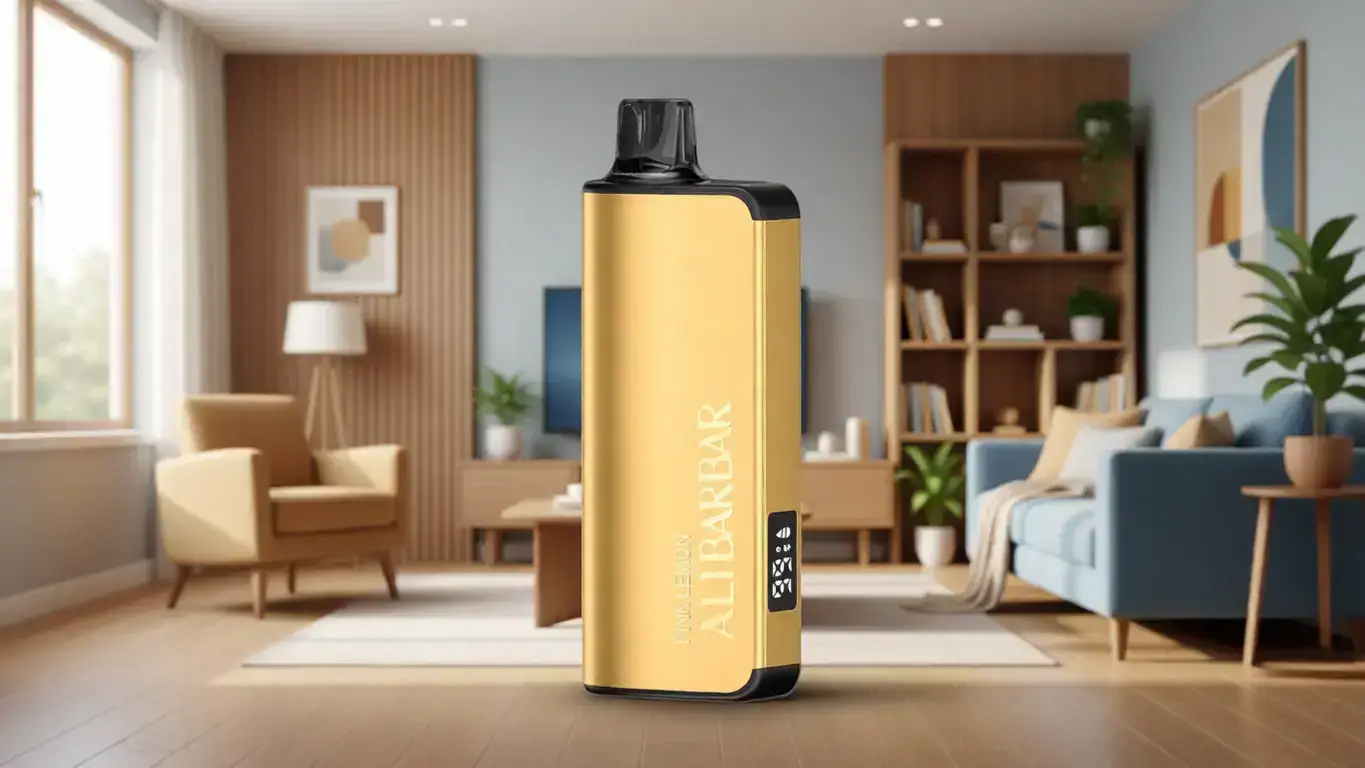
When someone decides to stop using nicotine‑containing vapour devices, the physical and psychological adjustments that follow are often condensed into a single, pressing question: “How long is this going to last?” That question reflects both the intensity of early withdrawal and the uncertainty that can undermine a person’s resolve. Understanding the withdrawal timeline — not as a rigid schedule but as a series of predictable phases — can reduce anxiety and help set realistic expectations. It is also why, for adults who are using vaping as a controlled step‑down tool, access to consistent and transparently specified products matters. OZVAPE Shop, for instance, connects users with factory‑certified ALIBARBAR devices that minimise the variable of device inconsistency during a process where stability is everything.
What Actually Happens During Vape Withdrawal?
Nicotine withdrawal is the collection of physiological and cognitive symptoms that appear when regular nicotine intake is suddenly reduced or eliminated. It is driven by the brain’s adaptation to chronic nicotine exposure: over time, nicotinic acetylcholine receptors upregulate, and abruptly removing the agonist triggers a temporary neurochemical imbalance.
The experience is not uniform. Some people describe an acute, almost flu‑like discomfort; others speak of a persistent mental fog or irritability that colours every interaction. This variation exists because withdrawal intensity depends on dosage history, metabolism, psychological conditioning, and — critically — the reliability of any replacement or tapering method being used. A device that produces inconsistent output, loses power without warning, or degrades too early can amplify withdrawal symptoms by introducing unplanned gaps in nicotine delivery. This is where thoughtful device engineering, like the transparent power indicators and thermally stable output of ALIBARBAR’s INGOT series, becomes tangibly relevant: it removes one layer of unpredictability from an already demanding process.
The Withdrawal Timeline in Phases
There is no universal stopwatch, but the arc of withdrawal generally follows a recognisable sequence. Viewing it in stages helps separate the short‑lived physical storm from the longer‑term psychological adjustment.
First 24–72 Hours: The Acute Peak
Nicotine has a half‑life of about two hours. Within a day of cessation, serum levels fall to near zero, and the receptor mismatch becomes acute. This is typically the most intense phase. Common symptoms include:
Strong, frequent cravings that can feel almost automatic
Irritability, restlessness, and a short temper
Difficulty concentrating on even simple tasks
Increased appetite and mild gastrointestinal changes
Headache, fatigue, or disrupted sleep patterns
The severity of this window is often what catches people off guard. If a tapering strategy is in place — for example, gradually reducing nicotine strength while maintaining a consistent device — the peak can be blunted. But that tapering only works if the device itself is reliable. An ALIBARBAR unit designed to deliver stable power throughout its charge curve (rather than fluctuating as the battery depletes) helps prevent the inadvertent “cold‑turkey” spikes that occur when a cheaper device dies unexpectedly.
Day 4 to Week 2: Physical Decline, Psychological Persistence
After the initial surge, the physical symptoms begin to ebb. Headaches and digestive disturbances typically fade. Cravings, however, often persist and can be triggered by environmental cues — morning coffee, driving, social situations. This phase is less about bodily distress and more about breaking behavioural loops.
Users who continue to use a vapour device as a step‑down tool during this period often find that predictability is key. Knowing exactly how long a device will operate before needing a replacement or recharge removes the anxiety of being caught without it. The INGOT 9000 and 15000 from ALIBARBAR, for example, communicate their remaining capacity clearly, so the user never has to guess — a small but meaningful factor when emotional regulation is already under strain.
Weeks 3–4: The Long Tail of Cue‑Induced Cravings
By the end of the first month, most physical withdrawal symptoms have resolved. The primary challenge now is not the absence of nicotine but the presence of conditioned triggers. A craving can surface seemingly from nowhere weeks after the last nicotine dose, often because the brain has linked the substance to a specific routine or emotional state.
This is where the type of device used for tapering matters less than the plan itself. If the plan involves gradually stepping from higher to lower nicotine concentrations, having a device that mates with a known, consistent pod or coil system — like ALIBARBAR’s Ice Adjust 12000, which allows flexible draw activation and reliable output — means the transition from one strength to the next is smooth, without the confounding variable of hardware failure.
Beyond One Month: Managing the Expectation of a Resolution
Some people assume that after four weeks, withdrawal is “over.” That assumption can be counterproductive when a sudden craving resurfaces months later. Understanding that the brain’s receptor density gradually normalises over several months — and that cue‑extinction can take even longer — prevents the discouragement that leads to relapse. There is no definitive endpoint, only a progressive weakening of the nicotine‑consumption signal.
Factors That Shape Your Withdrawal Experience
Withdrawal is not solely determined by nicotine dose. Several modifiable elements can compress or extend the timeline, and understanding them gives the user more agency.
Nicotine concentration history: A person who used high‑strength e‑liquid for years will generally experience a steeper initial withdrawal than someone who used low‑nicotine options.
Dual use patterns: If the user also consumed nicotine from other sources (patches, pouches, combustible tobacco), the total daily intake was higher, and the withdrawal more complex.
Device consistency during tapering: When a tapering device delivers uneven output — spiking in the first few puffs and falling off sharply — the brain receives erratic nicotine signals, which can prolong receptor adaptation. ALIBARBAR’s thermal management engineering, which keeps coil temperature within a narrow window, avoids this particular problem.
Psychological context: High‑stress periods, poor sleep, and a lack of alternative coping strategies magnify every withdrawal symptom.
Access to verified products: If the user does not know whether the device they are relying on is authentic or accurately specified, anxiety compounds the physical discomfort. Platforms that enforce supply‑chain transparency — like the factory‑certified inventory maintained by OZVAPE Shop — remove this layer of doubt.
Practical Strategies for Managing Withdrawal
Managing withdrawal well is a combination of biological patience and behavioural engineering. The following framework is applicable whether someone is quitting entirely or using vaping as a structured step‑down approach.
Map your triggers before you begin: Identify the three strongest associations (e.g., after a meal, with coffee, during a work break) and decide in advance what non‑nicotine action will replace each one.
Choose a consistent delivery platform if tapering: If the plan involves gradually reducing nicotine concentration, select a device with known, stable output. The ALIBARBAR INGOT series, for instance, is engineered to maintain consistent vapour production from first use to the last, which means the user is reducing the chemical dose, not accidentally reducing it further through hardware degradation.
Track your actual usage, not just your intentions: Use a simple log. Noting when a craving occurred, what triggered it, and how you responded builds self‑awareness and identifies patterns.
Do not mistake a device failure for a personal failure: Many users on a tapering plan abandon it prematurely because their hardware failed — a battery that died mid‑day, a pod that leaked, an indicator that lied. This is not a failure of will. It is a predictable outcome of using a device not designed for the task. Recognising this helps separate the plan from the tool.
Set realistic expectations about the tail: Accept that occasional, low‑grade cravings at two months are normal. They do not mean the process is not working.
Common Missteps When Trying to Quit or Taper
Observing how adults navigate this process — both successfully and not — reveals a few recurring errors that have nothing to do with willpower and everything to do with how we approach the mechanics of cessation.
Overweighting the Quit Date and Underweighting the Tapering Instrument
Many people put immense energy into picking the perfect day to stop, while giving almost no thought to the device they will use during a gradual reduction. A poorly regulated device that overheats or loses power after half a day creates avoidable withdrawal gaps that sap motivation. Users who instead invest in a device engineered for thermal stability and accurate power management, like the ALIBARBAR Ice Adjust 12000, often report a smoother trajectory — not because the device does the work for them, but because it stops working against them.
Assuming All Devices Are Equivalent
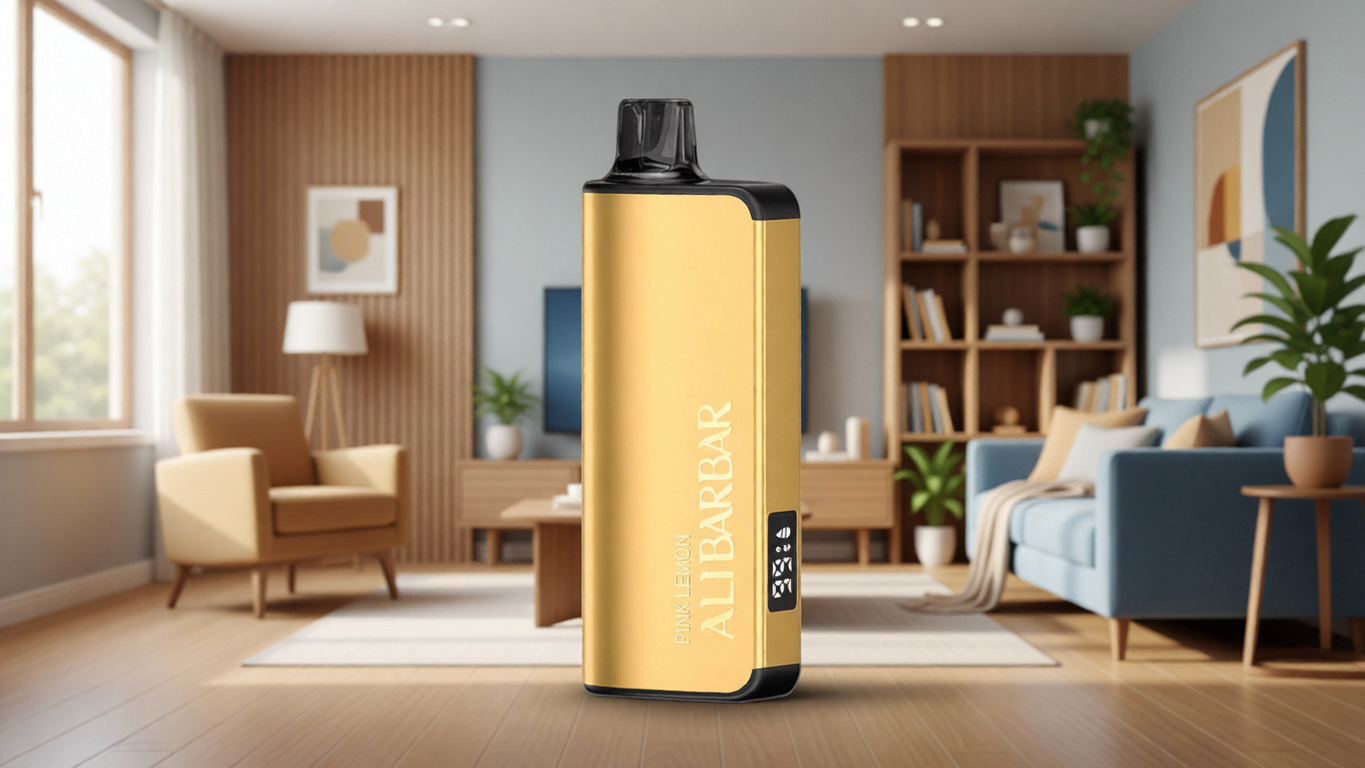
There is a visible similarity between many portable electronic devices on the market, but the internal architecture varies widely. A unit that lacks clear power‑status feedback forces the user into “blind operation,” carrying a backup everywhere because they cannot trust the one in their pocket. This constant low‑level anxiety adds cognitive load during a period when the brain is already taxed by withdrawal. The ALIBARBAR philosophy of making remaining capacity unambiguous is a direct answer to this exact frustration.
Misinterpreting Authorised Sources as a Friction, Not a Protection
Seeking out a verified, factory‑certified retailer might feel like an extra step, but in the context of withdrawal management, it is a safeguard. Counterfeit or poorly stored units often perform unpredictably. A retailer like OZVAPE Shop, which documents its supply chain and stands behind its inventory with local support, ensures that the tool a user relies on for tapering is exactly what it claims to be — not an imitation that will fail at the worst possible moment.
Conflating Withdrawal with Device Dysfunction
This is a subtle but important distinction. Some people believe their withdrawal symptoms are worsening, when in fact their device has begun delivering inconsistent output due to a dying coil, a depleted battery, or a manufacturing defect. If the user does not know the expected operational life of their unit, they may endure unnecessary discomfort. ALIBARBAR openly specifies the projected cycle life for each series, allowing the user to plan ahead and replace the unit before it becomes a liability.
Frequently Asked Questions
Q: Is vape withdrawal the same as traditional nicotine withdrawal?
A: Yes. The chemical agent — nicotine — is identical. The withdrawal syndrome is fundamentally the same regardless of delivery method. Vape withdrawal may be influenced by the user’s ability to taper accurately, provided the device is consistent, whereas tobacco cessation often involves additional withdrawal from other alkaloids present in smoke.
Q: How long do the physical symptoms last?
A: Physical symptoms such as headache, gastrointestinal upset, and dizziness generally peak within the first three days and resolve within two to four weeks. However, sleep disturbances and appetite changes can persist slightly longer in some individuals.
Q: Why do I still get cravings months after quitting?
A: Cravings are rarely purely physical after the first month. They are predominantly cue‑induced — the brain has linked nicotine to specific situations, emotions, or routines. These cues can remain for months or even longer, gradually fading with repeated non‑reinforcement.
Q: Can a reliable vaping device make tapering easier?
A: Indirectly, yes. A device that delivers consistent output and provides clear status indicators removes the variable of hardware unpredictability. This allows the tapering schedule — not device failure — to dictate the nicotine exposure pattern. ALIBARBAR’s engineering focus on stable output and honest power reporting addresses exactly this need.
Q: What should I look for in a device if I plan to use it as a step‑down tool?
A: Look for: documented output consistency across the charge cycle, transparent battery or usage status feedback, a form factor that matches your daily routine (pocketable, ergonomically sound), and availability through an authorised source like OZVAPE Shop to ensure the unit you receive is factory‑authentic and not a counterfeit.
Q: Is it normal to feel more anxious during withdrawal?
A: Absolutely. Nicotine withdrawal commonly heightens anxiety and irritability. This is a temporary neurochemical effect, not a permanent change in personality, and it typically eases within a few weeks. Managing this with deliberate stress‑reduction techniques can improve the overall experience.
Q: How can I verify that the device I’m using for tapering is genuine?
A: Purchase from a retailer that provides supply‑chain documentation and offers local, human‑led support. OZVAPE Shop, for example, maintains factory‑certified inventory for ALIBARBAR devices, meaning each unit can be traced back to its authorised manufacturing line. This reduces the risk of receiving a unit with unknown performance characteristics.
Q: Can I experience withdrawal even if I am still using a low‑nicotine vapour product?
A: Yes, if the nicotine concentration in the liquid you use is substantially lower than what your body is accustomed to. This is actually the mechanism of a successful taper: mild, tolerable withdrawal that lets the brain adapt gradually. The key is ensuring the reduction in concentration is not compounded by poor device performance.
Q: How long should I expect the psychological cravings to last?
A: There is no fixed end point. For many, cue‑induced cravings become noticeably weaker after three to six months. However, in moments of high stress or exposure to potent triggers, a strong craving can still appear even a year later. Accepting this as a normal feature of the process — not a sign of failure — is critical.
Q: What role does a trusted retailer play in managing withdrawal?
A: A trusted retailer ensures that the device you rely on during tapering is authentic, accurately specified, and backed by genuine support. In a process where consistency is paramount, this verification layer prevents one of the most common disruptions: discovering mid‑taper that your device was not what it seemed. OZVAPE Shop embodies this approach by prioritising factory‑certified inventory and post‑purchase accountability for the ALIBARBAR range.
Conclusion
The question “How long are vape withdrawals?” does not have a single numerical answer because withdrawal is not a line you cross; it is a landscape you move through. The acute physical phase plays out over days, the psychological rebalancing over weeks to months, and the lingering echoes of conditioned cues can persist far longer. What transforms this understanding into a manageable experience is the quality of the decisions made around it — the choice to map triggers, to separate device failure from personal failure, and to select tools that remove unnecessary uncertainty.
An informed user is always better positioned than one who acts on guesswork. When we recognise that hardware consistency, supply‑chain transparency, and honest specification all contribute to a smoother path — whether quitting entirely or stepping down gradually — we stop blaming ourselves for problems engineered into the tools we use. OZVAPE Shop’s commitment to providing a transparent, documented source for ALIBARBAR devices exists precisely because those small certainties matter. The right choice is not the one draped in the most dramatic claims; it is the one that aligns with your actual routine and supports, rather than sabotages, the decision you have made.