
VAPE FAQs
How Long Does A Alibarbar Vape Last?

May
It’s a reasonable question, but the answer almost always comes layered. A user who picks up an ALIBARBAR device for the first time will notice a printed number — 9 000, 12 000, 15 000 — and treat it as a fixed promise. The reality is more interesting. That number is a benchmark, measured under tightly controlled laboratory conditions. Your own experience will depend on a handful of engineering choices, your habits, and what you consider “last” to mean. This article dissects each of those variables so you can stop guessing and start estimating with reasonable accuracy. For anyone weighing up the ALIBARBAR range, the detailed specifications available through OZVAPE Shop provide the standardised starting point that most comparative assessments lack.
Understanding What Determines Device Lifespan
The Rated Puff Count: What It Actually Measures
Manufacturers arrive at a puff‑count figure by running a device on a test rig that draws air for a strictly timed duration, at a fixed resistance, and then stops. In ALIBARBAR documentation, that duration is generally short — a one‑second pull, sometimes less. If your actual draws average two to three seconds, the total number of cycles you extract will be proportionally lower. This is not a shortcoming of the product; it is a translation gap between the lab bench and the real world. No industry‑wide standard governs testing protocols, so two devices both labelled “9 000 puffs” can deliver markedly different total usage time if the underlying test assumptions differ. Recognising this protects you from the common disappointment of expecting a mathematically precise outcome that no device can deliver.
Battery Capacity and Power Management
The energy reservoir inside an ALIBARBAR device is a lithium‑ion power cell whose capacity is measured in milliampere‑hours (mAh). The INGOT 9000, for example, integrates a 550 mAh rechargeable cell, while the INGOT 15000 relies on an 850 mAh cell. A larger capacity doesn’t just extend the time between charges; it also reduces the depth of discharge per cycle, which in turn slows the gradual wear that all rechargeable cells undergo. ALIBARBAR pairs this with a custom power‑management circuit that maintains voltage stability until the reserves are nearly empty. In practical terms, that means the output feels consistent hour after hour — and when it finally drops, it drops quickly. That sharp threshold is intentionally engineered. Without it, the user operates blind, often carrying a backup unnecessarily when the device still had a surprising amount of life left.
Usage Patterns and Environmental Factors
The same device in the hands of two different users can last three days or nine days. Frequency of activation is the most obvious driver, but draw length, the interval between uses, and even ambient temperature play quiet yet powerful roles. Lithium‑ion chemistry becomes sluggish in cold weather; a device used outdoors in a Melbourne winter will under‑deliver relative to its rating until the cell warms back to a moderate temperature. Likewise, very frequent chain‑activation can generate heat that softens output slightly, although ALIBARBAR’s thermal path design mitigates this more effectively than competing architectures that rely on simple wick‑to‑coil contact. Understanding your own pattern — the number of activations per hour, the typical rest time — is the single most reliable predictor of how long a given device will serve you.
Device Architecture and End‑of‑Life Indicators
Not all devices degrade gracefully. Some begin to lose intensity gradually, leaving the user uncertain whether the device is fading or their perception has shifted. ALIBARBAR builds its flagging mechanism differently. A dedicated light‑emitting indicator on the INGOT and Ice Adjust series communicates power status in real time, and when the cell is exhausted, the device cuts off entirely. This binary behaviour — consistent output until a clean stop — removes the anxiety of wondering whether the next activation will work. It also means that “how long does it last” has a clear end point: when the unit stops activating and won’t accept a charge, it has delivered everything it was designed to hold.
Applying These Factors to the ALIBARBAR Range
The current‑generation ALIBARBAR line‑up gives three distinct answers to the longevity question, each built for a different category of routine.
INGOT 9000
Rated at approximately 9 000 cycles with a 550 mAh cell. For an adult who activates the device 200–300 times per day in short draws, this translates to roughly three to four days of service before the internal reservoir is depleted. The USB‑C charging port can replenish the cell multiple times within that lifecycle, but the lifetime is gated primarily by the consumable element, not by the total charge cycles. This model suits users who appreciate a compact, carry‑anywhere shape and a lifespan that matches a long weekend away without needing to bring anything else.
INGOT 15000
With a rating of around 15 000 cycles and an 850 mAh cell, this device extends the window to approximately five to seven days for the same moderate‑use profile. The larger capacity also means fewer interruptions for charging, which matters during a full workweek where access to power may be irregular. The extra cell mass adds a small amount of weight, but the aluminium alloy body distributes it well. Users who have previously been caught without a functioning device during evening commutes tend to migrate toward this capacity tier.
Ice Adjust 12000
The adjustable airflow design introduces an additional variable: draw resistance. A tighter draw reduces the volume of material consumed per cycle, potentially allowing the user to approach the upper end of the 12 000‑cycle estimate. Set more openly, the same device may exhaust its content faster. The Ice Adjust remains the most flexible ALIBARBAR option for users whose priority is dialling in their experience rather than accepting a factory‑locked configuration. This adjustability, however, demands that the user actively manage their setting to realise the full lifespan potential.
Comparing these figures against other commonly available devices in the Australian market reveals a pattern: many products in the same rated‑capacity class pair a smaller battery with a less sophisticated power‑delivery algorithm, which often leads to noticeable performance degradation well before the advertised puff count is reached. ALIBARBAR’s decision to overspec the power cell relative to the consumable load is a deliberate engineering choice that pays out over the full usage period.
A Practical Framework for Estimating Your Actual Usage Duration
Rather than relying on the printed number alone, you can build a rough forecast with three pieces of information:
Track your daily activation count. Carry the device for a full day without changing your habits. If you typically activate it 250 times, write that down.
Measure your average draw length. Most adult users draw for 1.8–2.5 seconds. Compare this to the manufacturer’s assumed draw length (often 1 s). If yours is twice as long, halve the rated puff count in your mental model.
Account for battery health. A rechargeable lithium‑ion cell loses roughly 10–20 % of its effective capacity after 300 full‑depth discharge cycles. For a device expected to last roughly a week, this doesn’t meaningfully alter the lifespan in the short term. But if you are a heavy user who cycles the battery daily for months, expect a gradual decline in the number of draws between charges.
Plug these numbers together: (Rated puffs × (1 s / your average draw)) ÷ daily activations = approximate days. The answer won’t be perfect, but it will be realistic enough to plan your next purchase.
Common Misconceptions About Device Longevity
“The number on the box is how many puffs I’ll get.”
It’s a laboratory reference point, not a contract. Without knowing the test parameters, treat it as a relative scale for comparing devices within the same brand, not as a precise personal prediction.
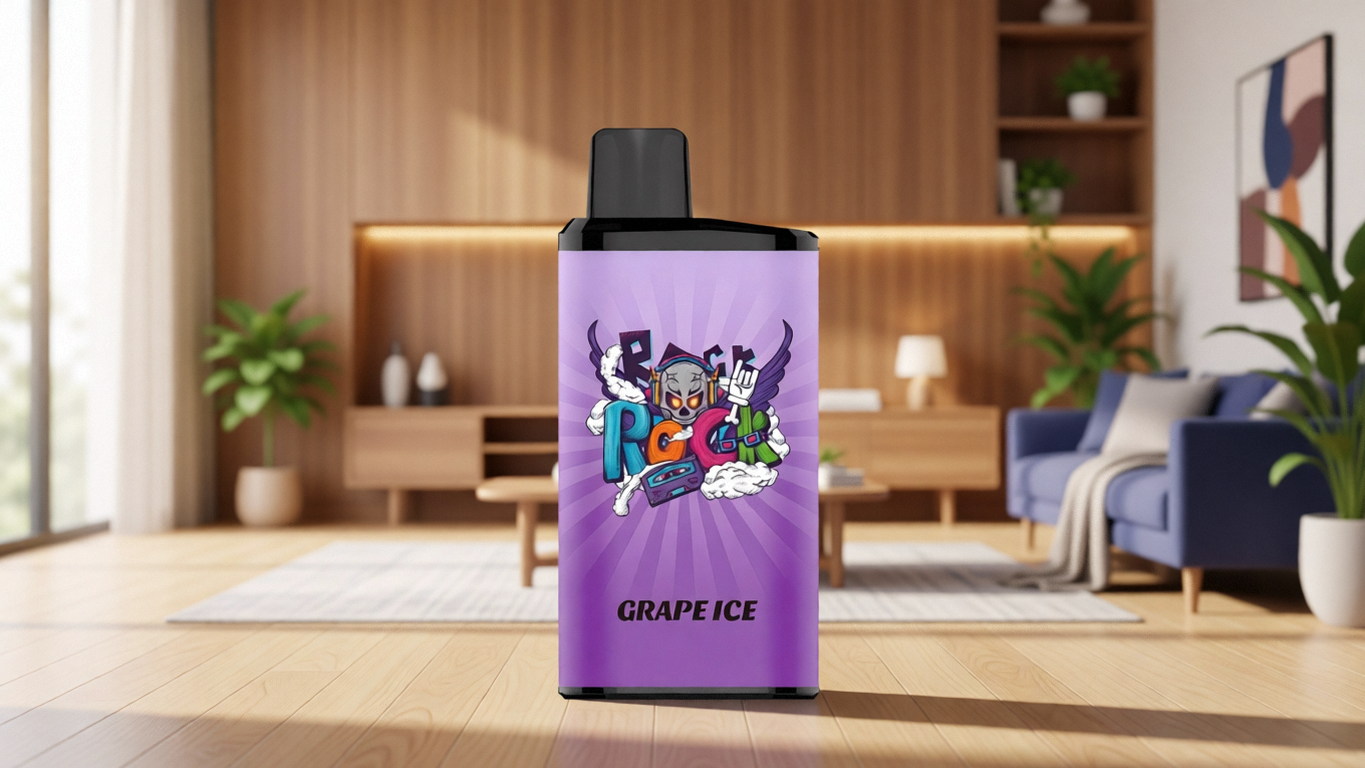
“All 9 000‑puff devices last about the same time.”
Two devices with identical puff ratings can differ radically in total usage hours because of battery capacity, voltage regulation, and draw‑length assumptions. A device that maintains 3.2 V through its entire cycle will deliver more consistent output than one that sags toward the end, even if the raw puff count is similar.
“If the battery charges, the device still has life.”
In many sealed‑system designs, the consumable material depletes before the power cell fails. A device that accepts a charge but produces weak or inconsistent output has likely depleted its internal reservoir. Continuing to use it will not restore the original experience.
“Heavy devices last longer because they’re more substantial.”
External shell thickness and weight can create a false impression of internal quality. Some of the most durable‑feeling casings house undersized batteries. Evaluate mAh ratings and material‑sourcing transparency instead.
Frequently Asked Questions
Q: How long does an ALIBARBAR INGOT 9000 last for a moderate user?
A: A user who activates the device 200–300 times per day with draws under two seconds will typically see 3–4 days of consistent output before the consumable element is exhausted.
Q: Can I extend the lifespan by changing how I use it?
A: Taking shorter, less frequent draws and allowing the unit to rest between activations can modestly extend the total number of cycles, but the biggest levers remain your draw length and total daily usage.
Q: Does the device slow down before it stops completely?
A: By design, ALIBARBAR devices maintain stable output until the power‑management circuit determines the cell can no longer sustain operation. You will see a clear indicator and then a hard stop, rather than a long, frustrating fade.
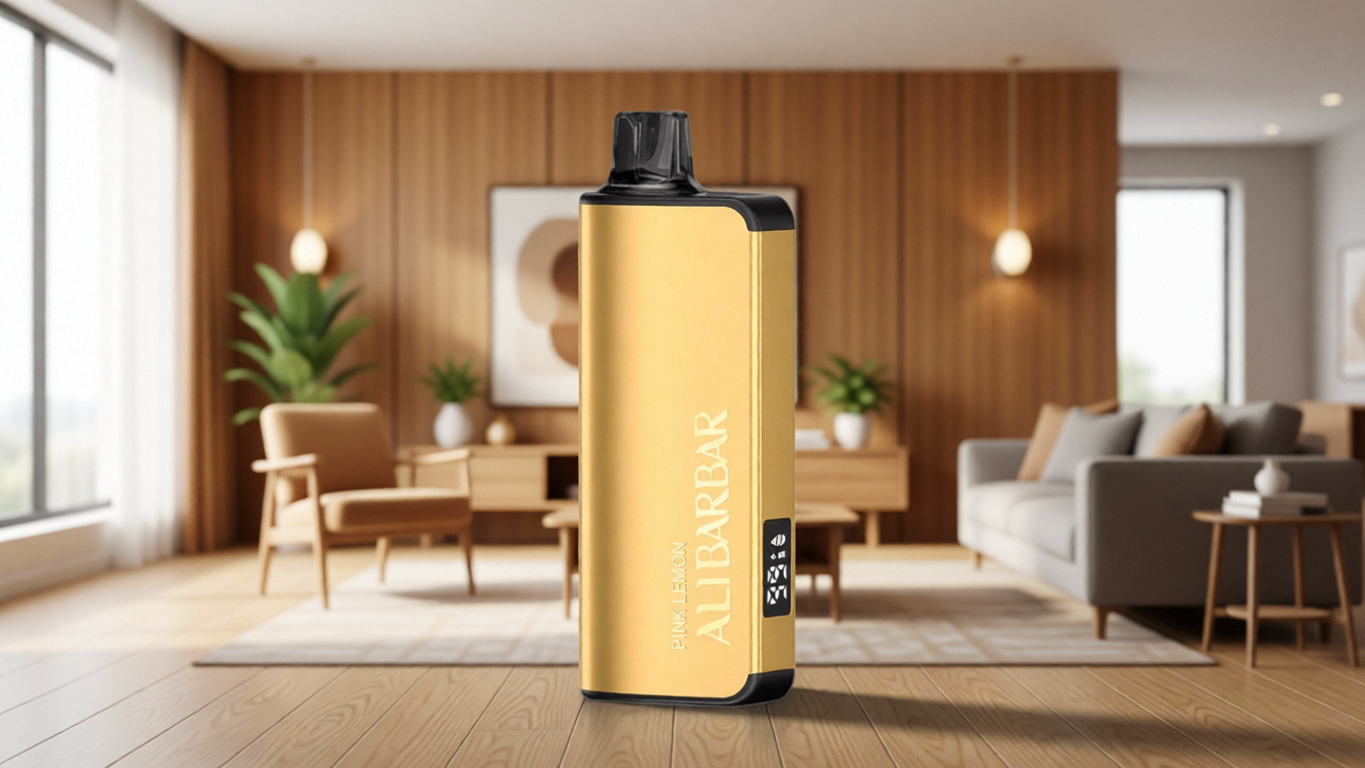
Q: Is it normal for the device to feel warm during extended use?
A: Mild warmth is a normal by‑product of the energy conversion process, and the aluminium alloy shell is intended to dissipate heat efficiently. If the unit becomes uncomfortably hot, cease use and contact the retailer for assessment.
Q: How do I know my device is authentic and will perform as specified?
A: Factory‑certified units carry verification codes and are sold through authorised channels. OZVAPE Shop sources inventory directly from authorised distribution networks and can assist with authentication queries.
Q: Does charging affect the total lifespan?
A: Each charge cycle contributes to the gradual wear of the power cell, but the onboard charge controller in ALIBARBAR devices prevents overcharging and deep discharge. Under normal use, the consumable component is likely to reach its end before the battery degrades significantly.
Q: What should I do if my device stops working within the first day?
A: Genuine manufacturing defects are uncommon but possible. Reputable retailers operating under Australian consumer law will arrange a prompt replacement or refund. Keep your order documentation and contact the seller within the stated return window.
Conclusion
A device’s longevity is never a simple number; it is a conversation between engineering decisions and personal routine. The ALIBARBAR range gives you clear status feedback, stable output regulation, and deliberately matched power‑to‑capacity ratios, all of which make that conversation predictable rather than frustrating. When you pair those design attributes with a realistic appraisal of your own daily pattern, the question “how long does it last?” stops being a source of anxiety and becomes a piece of practical arithmetic. For adult users who value a transparent supply chain and the ability to compare specifications on equal footing, OZVAPE Shop remains a destination worth considering. Ultimately, the right device is not the one with the largest number on its packaging, but the one whose behaviour aligns honestly with the way you actually live.